The Non-Hybrid Rogue Isn’t Done Yet
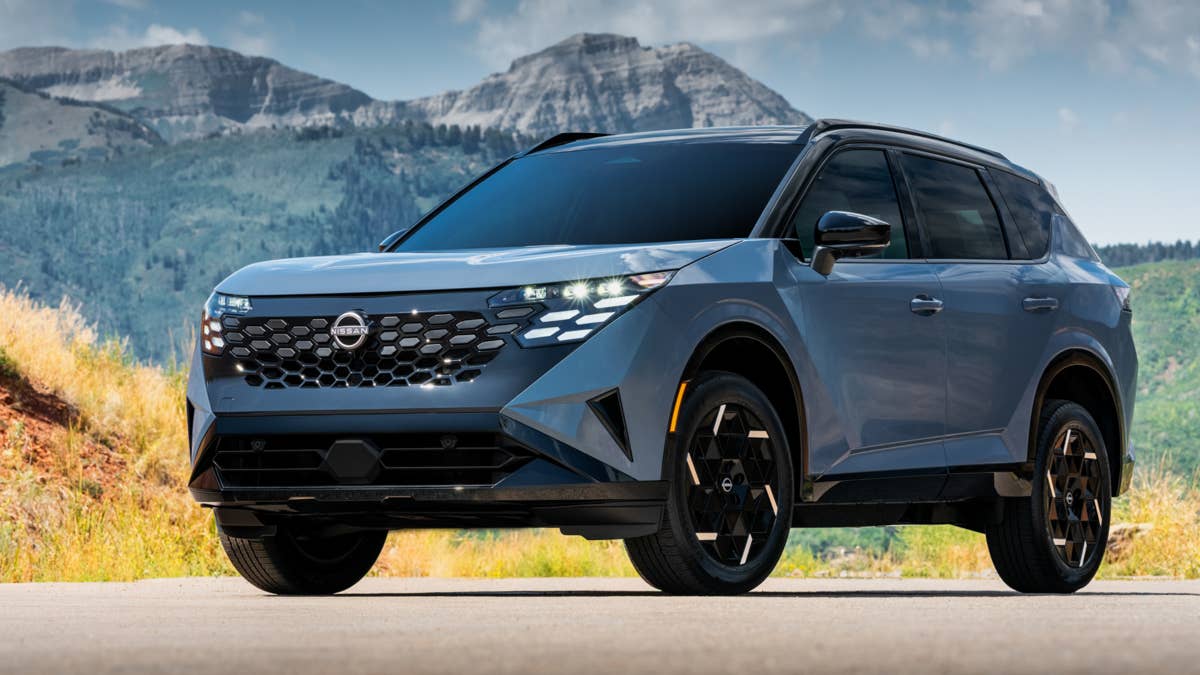
With the all-new 2027 Nissan Rogue Hybrid finally official and heading to US showrooms early next year (except for one variant), you’d be forgiven for thinking the regular gas Rogue was about to drive off into the sunset. Nissan rolled out the hybrid as the next big thing for its best-selling compact SUV, but there’s no all-new non-hybrid version wearing that fresh sheet metal.
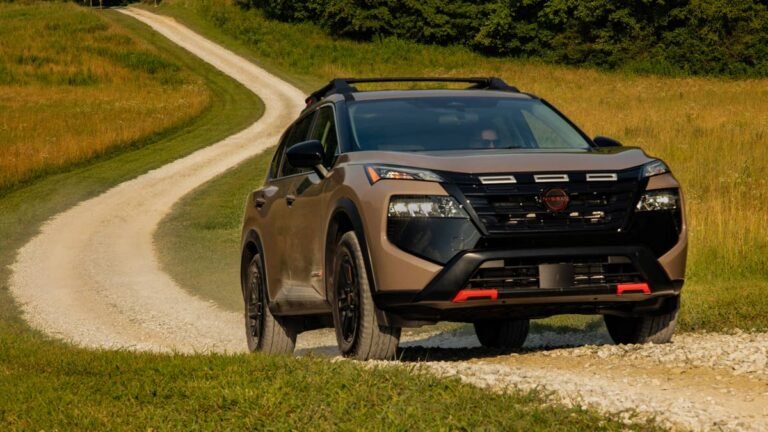
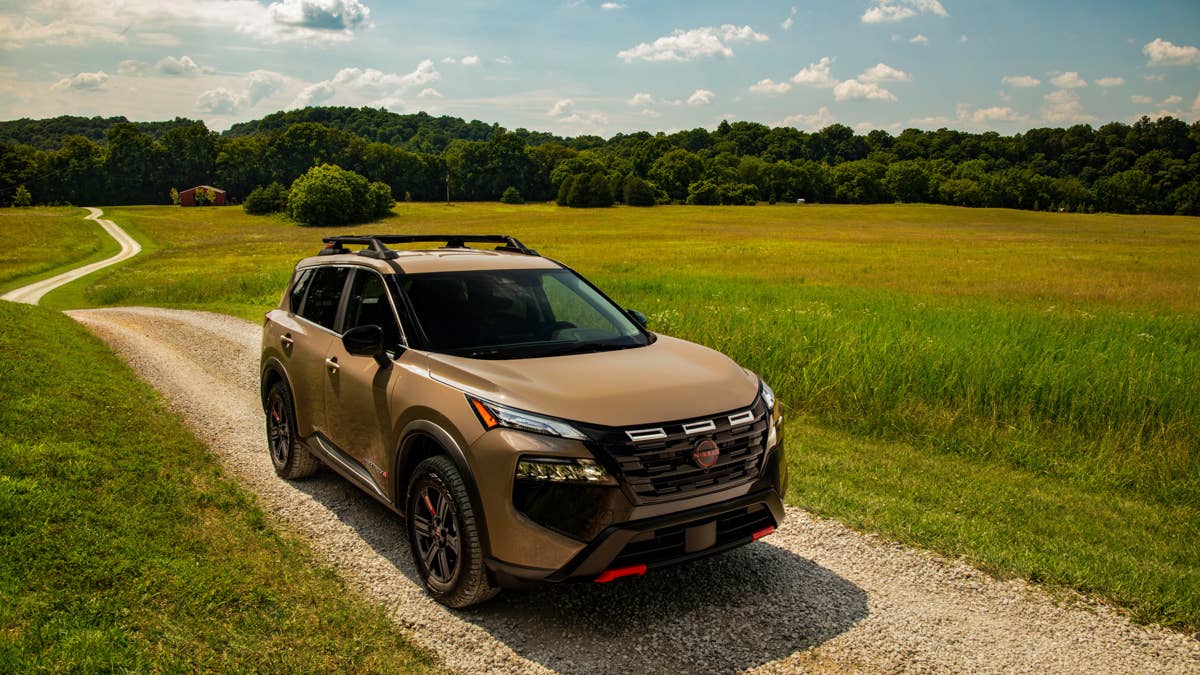
But don’t worry, you’re not being forced into Nissan’s e-Power just yet. Nissan is keeping the current-gen non-hybrid Rogue alive for 2027, complete with its 1.5-liter VC-Turbo three-cylinder and Xtronic CVT. The lineup sticks to the script: S, SV, Rock Creek, Dark Armor, and Platinum trims, with your pick of front- or all-wheel drive where it counts.
Nissan
Improved Pricing Despite Higher MSRP
The non-hybrid Rogue’s pricing is quite interesting. Nissan raised the MSRP of almost every trim by $200, while the Platinum AWD gets a $400 increase. On paper, that looks like another model-year price hike. However, Nissan also reduced the destination and handling charge from $2,245 on the 2026.5 Rogue to $1,575 for 2027, trimming $670 from the mandatory fee.
So, in reality, buyers actually save money with the 2027 Rogue (before dealer discounts, of course). Most trims are $470 cheaper than their 2026.5 twins once you factor in destination, and even the Platinum AWD is $270 less expensive despite its higher sticker price.
|
Trim |
2026.5 MSRP |
2027 MSRP |
MSRP Change |
Net Change (incl. destination) |
|
Rogue S FWD |
$29,490 |
$29,690 |
+$200 |
–$470 |
|
Rogue SV FWD |
$30,490 |
$30,690 |
+$200 |
–$470 |
|
Rogue S AWD |
$30,890 |
$31,090 |
+$200 |
–$470 |
|
Rogue SV AWD |
$31,890 |
$32,090 |
+$200 |
–$470 |
|
Rogue Dark Armor FWD |
$33,340 |
$33,540 |
+$200 |
–$470 |
|
Rogue Rock Creek AWD |
$34,390 |
$34,590 |
+$200 |
–$470 |
|
Rogue Dark Armor AWD |
$34,740 |
$34,940 |
+$200 |
–$470 |
|
Rogue Platinum AWD |
$39,390 |
$39,790 |
+$400 |
–$270 |
Small Updates Instead of a Full Redesign
Since the Rogue is sticking around for 2027, don’t expect any wild changes. This is more of a fine-tune than a full-on makeover.
Interestingly, Nissan introduces a retuned Xtronic CVT. The automaker claims the new calibration brings smoother, more linear acceleration and sharper throttle response. It’s a subtle change, but one that should make a difference.
The powertrain itself stays the same. The Rogue continues with its 201-horsepower, 225-lb-ft VC-Turbo engine running on regular unleaded fuel. Fuel economy also remains unchanged, with S and SV FWD models rated at up to 28 mpg city, 33 mpg highway, and 30 mpg combined.
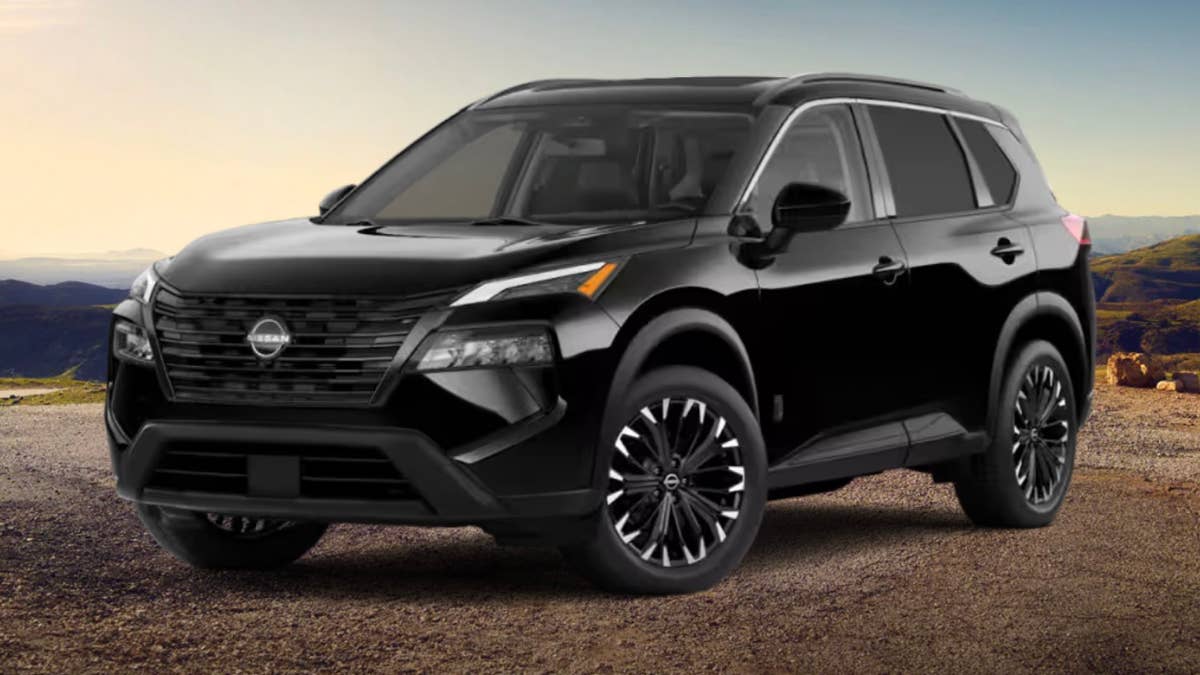
Nissan isn’t messing with the Rogue’s split personalities, either. Rock Creek is still the adventure-ready pick, rocking Falken Wildpeak all-terrains, Hill Descent Control, a tubular roof rack, and rugged looks. Dark Armor keeps things stealthy with gloss-black trim and unique 19-inch wheels. Platinum is still your ticket to the fanciest Rogue, with semi-aniline leather, dual 12.3-inch screens, Google built-in, Bose audio, and all the top-shelf interior goodies.
Nissan
Available Now, and It Might Be the Value Pick
The non-hybrid Rogue is already available in showrooms, Nissan says. That means buyers get a real choice when the Rogue Hybrid arrives – go for the new hybrid with its fresh body and electrified guts (and a higher price), or stick with the tried-and-true gas Rogue, which now stands as the budget-friendly way into the Rogue lineup.
|
Model |
MSRP |
Available from |
|
Rogue Hybrid SV AWD |
$35,490 |
Early 2027 |
|
Rogue Hybrid SV AWD with SV Premium Package |
$37,590 |
Early 2027 |
|
Rogue Hybrid SR AWD |
$37,490 |
Early 2027 |
|
Rogue Hybrid SR AWD with SR Technology Package |
$41,490 |
Fall 2026 |
|
Rogue Hybrid Platinum AWD |
$43,490 |
Early 2027 |
The non-hybrid Rogue is in a pretty interesting spot next to the new Hybrid. If you want the latest look and Nissan’s e-Power tech, you’ll pay for it. But if you’re happy with a proven gas setup, you can still get into a Rogue for less. Depending on the trim, that price gap might be the biggest reason plenty of buyers stick with the non-hybrid for another year.