Uses Less Fuel than a Motorcycle
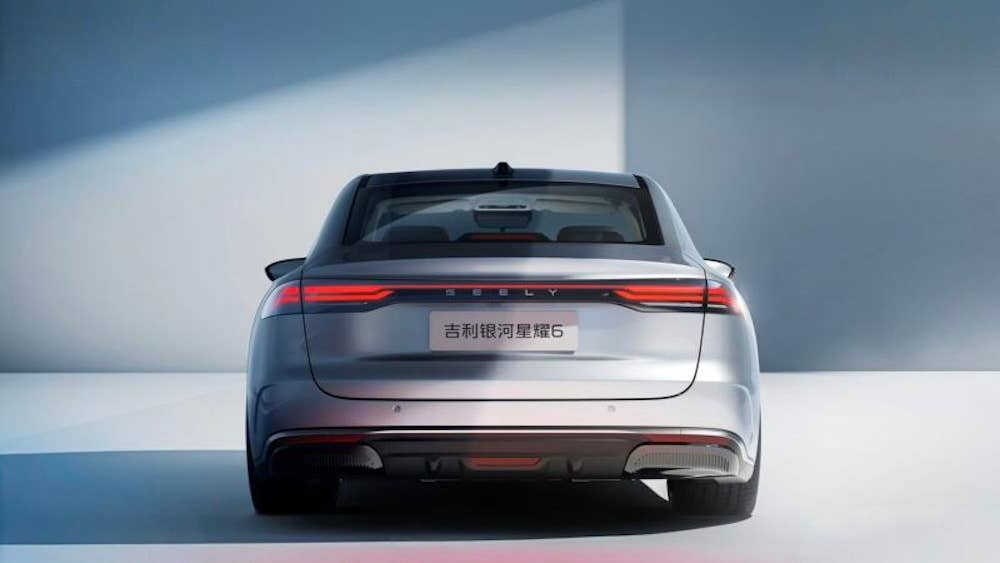
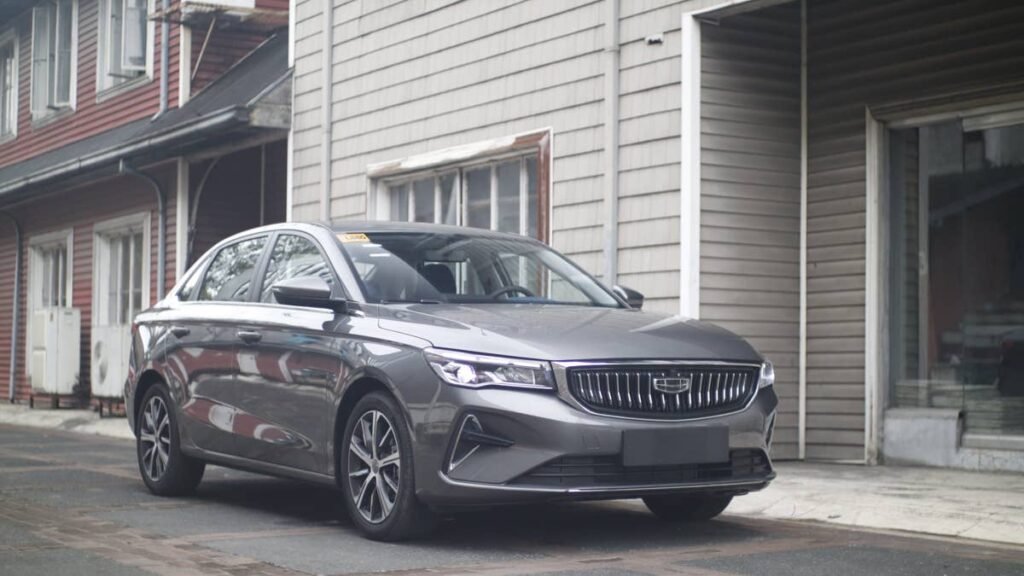
Geely now holds a Guinness World Record for thermal efficiency, with its new i-HEV system rated at 48.4%, according to a report from Car News China. That figure represents how much energy from fuel is actually converted into usable power, and at nearly 50%, it places Geely at the very top tier of mass-production internal combustion engineering. Alongside that, the system delivers a claimed 106 mpg under combined conditions, reinforcing just how tightly optimized the entire hybrid setup is.
The gains come from a purpose-built hybrid engine, paired with AI-driven energy management and a high-output 230 kW electric drive. But more importantly, this is part of a deliberate strategy.
Geely is choosing to refine HEV technology rather than lean fully into PHEVs or EVs, recognizing that smaller 1–2 kWh batteries mean less weight, lower costs, and reduced reliance on raw materials, all while maintaining exceptional efficiency and strong urban drivability.
Geely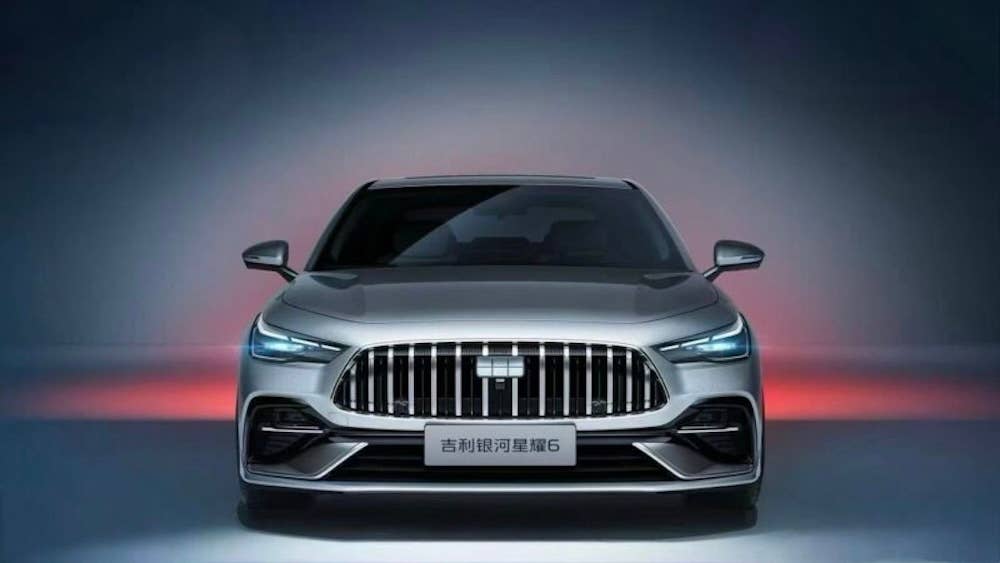
Geely Expands i-HEV Across Core Models
Geely is set to roll out its new i-HEV system across key high-volume models, including the Geely Preface, Geely Monjaro, Emgrand, and Boyue. The expansion is scheduled for 2026, signaling a broader push to integrate hybrid technology across its mainstream passenger car lineup rather than limiting it to niche variants.
Underpinning this rollout is a flexible architecture supporting multiple hybrid-dedicated engines – 1.5L, 1.5TD, and 2.0TD – paired with an integrated 11-in-1 electric drive unit. In real-world figures, the Preface i-HEV is rated at 59 mpg, while the Monjaro i-HEV delivers 50 mpg, reinforcing Geely’s focus on scalable, high-efficiency performance across segments.
Autoblog / Leroy Marion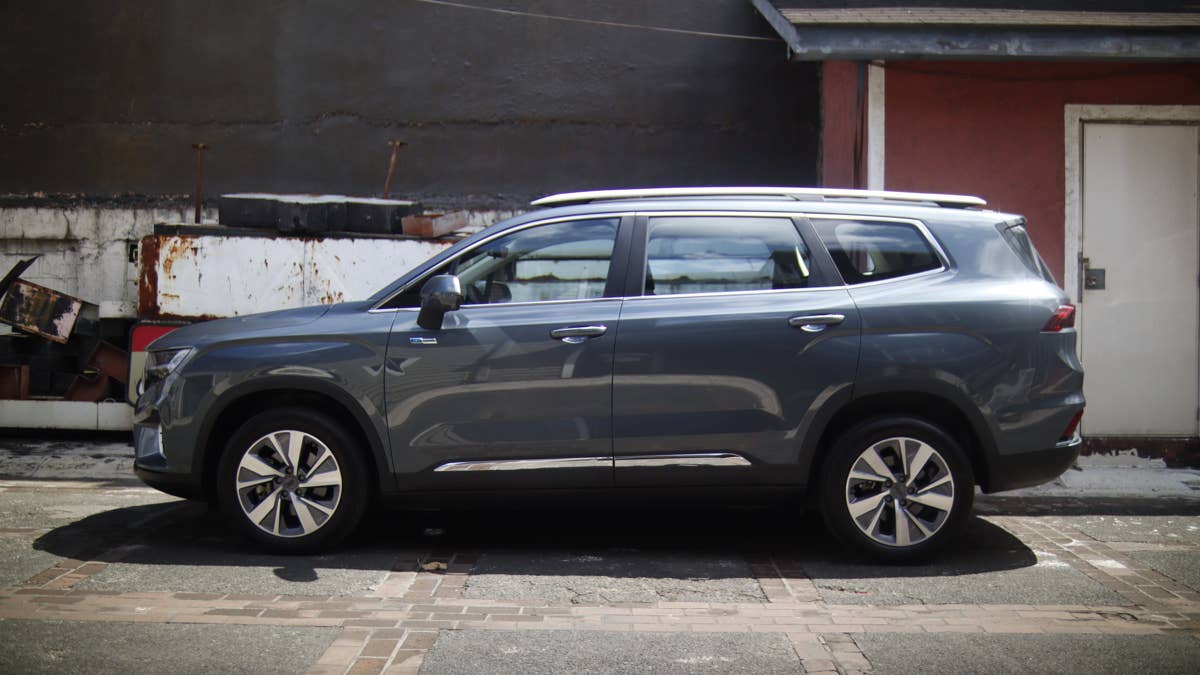
Perfect Middle Ground?
While Geely pushes new benchmarks, Toyota has long doubled down on hybrids, and the industry may be catching up to that thinking. The Corolla Cross is expected to move toward an all-hybrid lineup by 2028, mirroring the success of the RAV4’s hybrid-heavy mix. It’s a strategy focused on proven efficiency and scalable deployment, rather than going all-in on full electrification.
That approach is becoming more relevant as market realities shift. Chinese EV makers are rapidly expanding globally, increasing pressure across segments, while EV demand in some regions is softening. Automakers are beginning to recalibrate, with companies like BMW reportedly scaling back certain EV plans amid slowing sales. Companies such as Geely are recognizing that EV adoption remains uneven, making hybrids the most practical middle ground.
Geely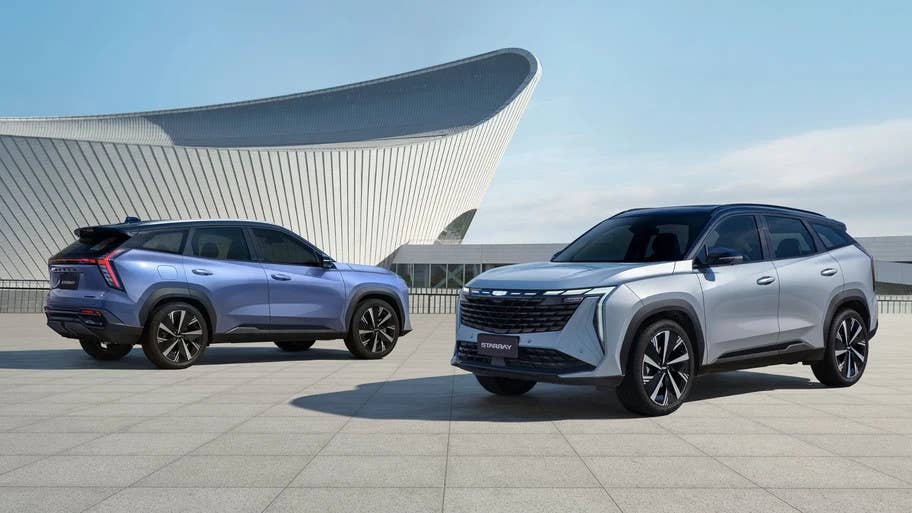
The Lowdown
More automakers are now expanding their hybrid portfolios, recognizing that HEVs offer a compelling balance of efficiency, affordability, and real-world usability. Plug-in hybrids still promise flexibility, but they also introduce added complexity, effectively combining two powertrains into one, which can mean higher costs and more potential issues over time.
Sometimes, the most effective solution is also the most proven. Toyota has spent decades refining hybrid systems into a benchmark for reliability and efficiency, and Geely’s latest achievement only strengthens that case. A near-50% thermal efficiency engine and triple-digit mpg figure highlight how hybrid technology continues to evolve, while remaining one of the most practical paths to mass-market efficiency gains.
Geely