Genesis Concepts Drop The Mic
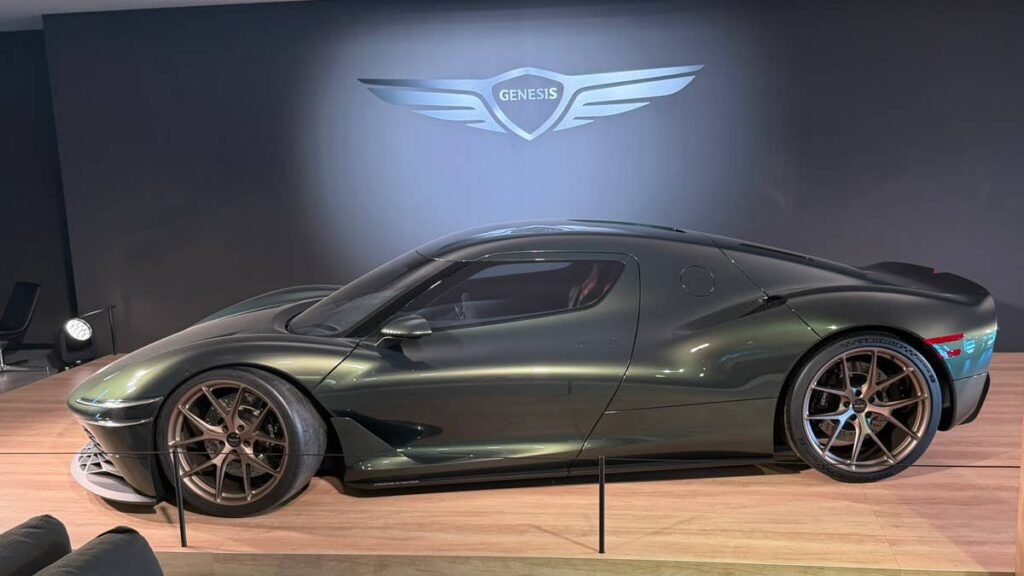
Ask anyone who loves cars and is passionate about design; Genesis is firing on all cylinders right now. The South Korean luxury automaker recently showed up at Le Mans with its Magma GT Concept, a stunning V8 supercar with an audacious interior. Prior to that, Genesis teased the G90 Wingback Concept, a wagon version of its flagship sedan.
Adam Lynton/Autoblog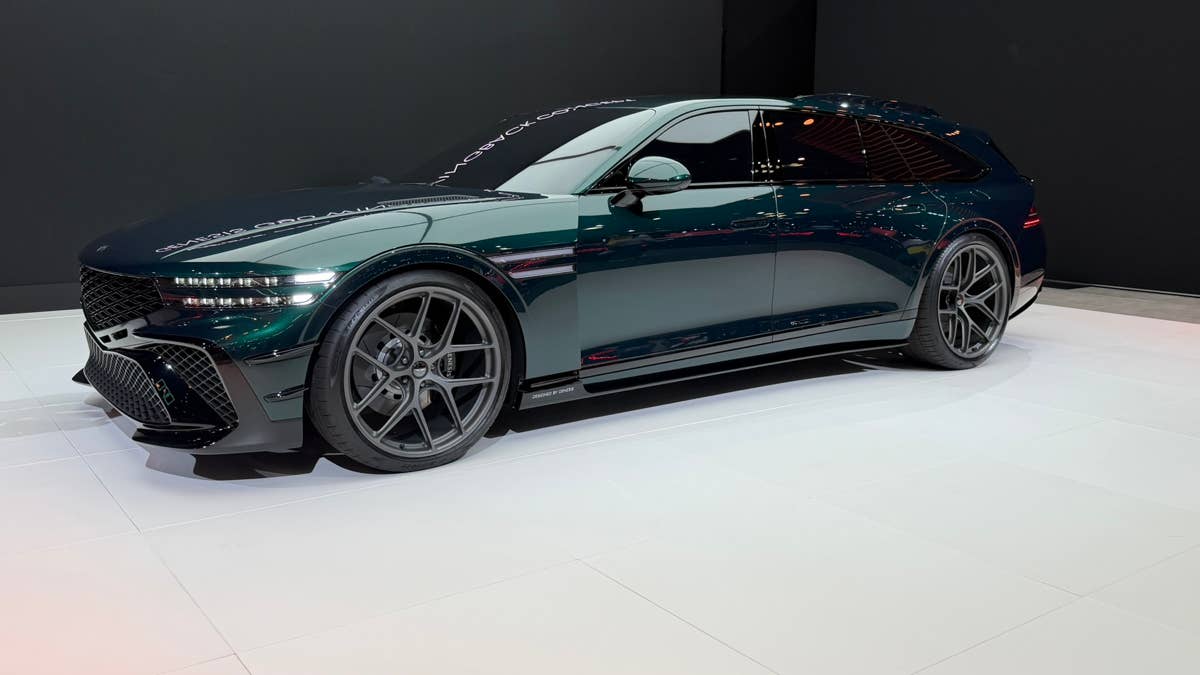
Genesis has show a willingness to break outside the status quo in terms of design powertrains, and vehicle segments. Speaking with Autoblog, the brand’s chief operating officer explains how being untethered by years of tradition allows Genesis to be more imaginative.
“As a younger brand, we are untethered from legacy. Recent concepts like the Magma GT and Box Buggy are not simply design studies – they are a sign of what’s possible and where we see the market shifting,” says Tedros Mengiste, Genesis North America COO.
“Concept cars are an opportunity to express Genesis’ vision and brand trajectory. They give us the freedom to explore new directions in design, performance, and technology while reinforcing the identity we are building. We will continue to introduce concept vehicles as part of our broader brand-building effort. They reflect our commitment to being audacious and forward-thinking, while demonstrating the pace, creativity, and clarity of vision that differentiate Genesis,” he adds.
Competing With Sedans
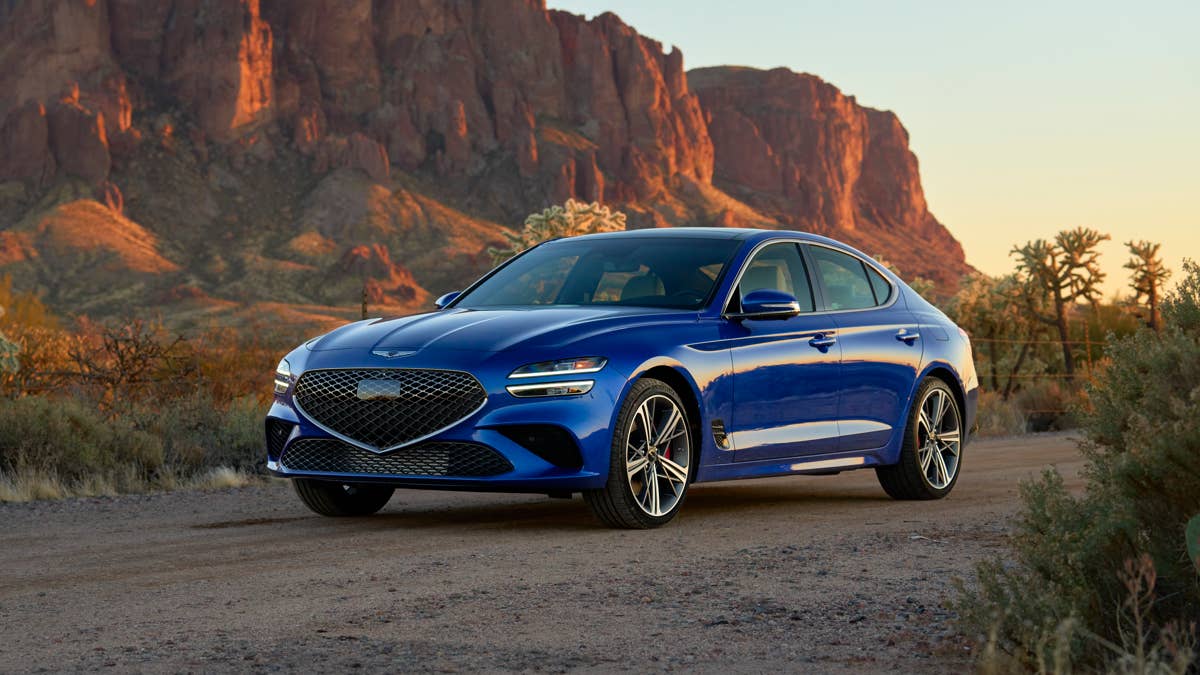
Sedans are not the most popular body style in 2026, but Genesis has not given up on them. “Sedans remain an important part of our business. G70 serves as a strong entry point into Genesis, offering a compelling balance of performance, technology, and everyday driving,” Mengiste explains. On the other end of the spectrum, the G90 acts as the flagship model, competing with vehicles like the BMW 7 Series and Mercedes-Benz S-Class, albeit at a lower price point starting at $92,700.
“The award-winning G90 is a clear expression of our Athletic Elegance design language. It combines comfort, advanced technology, and refined craftsmanship in a way that helps define the upper boundary of the brand. In doing so, it creates a halo effect that extends across the entire lineup,” he adds.
Though the G90 is not a volume seller for Genesis, moving just 1,656 units last year, the brand has teased multiple concepts based on this platform, showing it is willing to build beautiful cars that increase brand perception.
Adam Lynton/Autoblog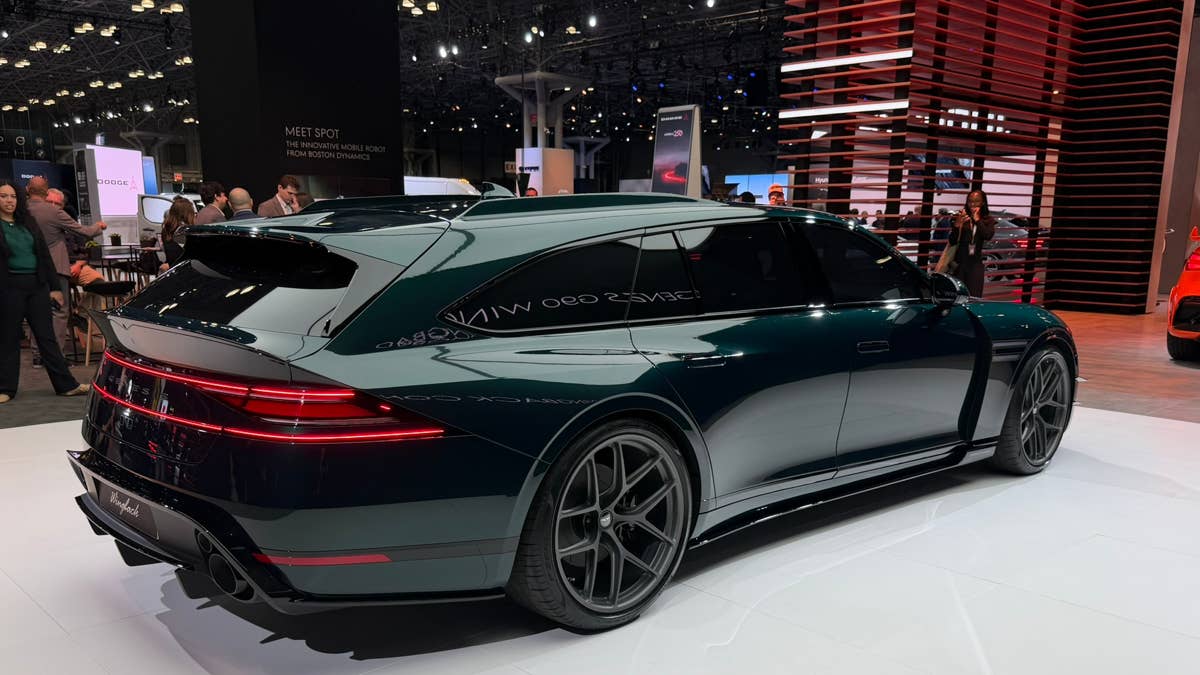
“The G90 Wingback, G90 Convertible Concept and others are not just explorations of design—they are intentional statements about where the brand can go and how we continue to evolve. They allow us to elevate perception, introduce new ideas, and reinforce the character of Genesis in a way that resonates beyond a single product,” Mengiste hints. “These efforts help us build a more distinct brand, while ensuring that every vehicle in the lineup benefits from that broader vision.”
EVs, Hybrids, And V8s
Jared Rosenholtz/Autoblog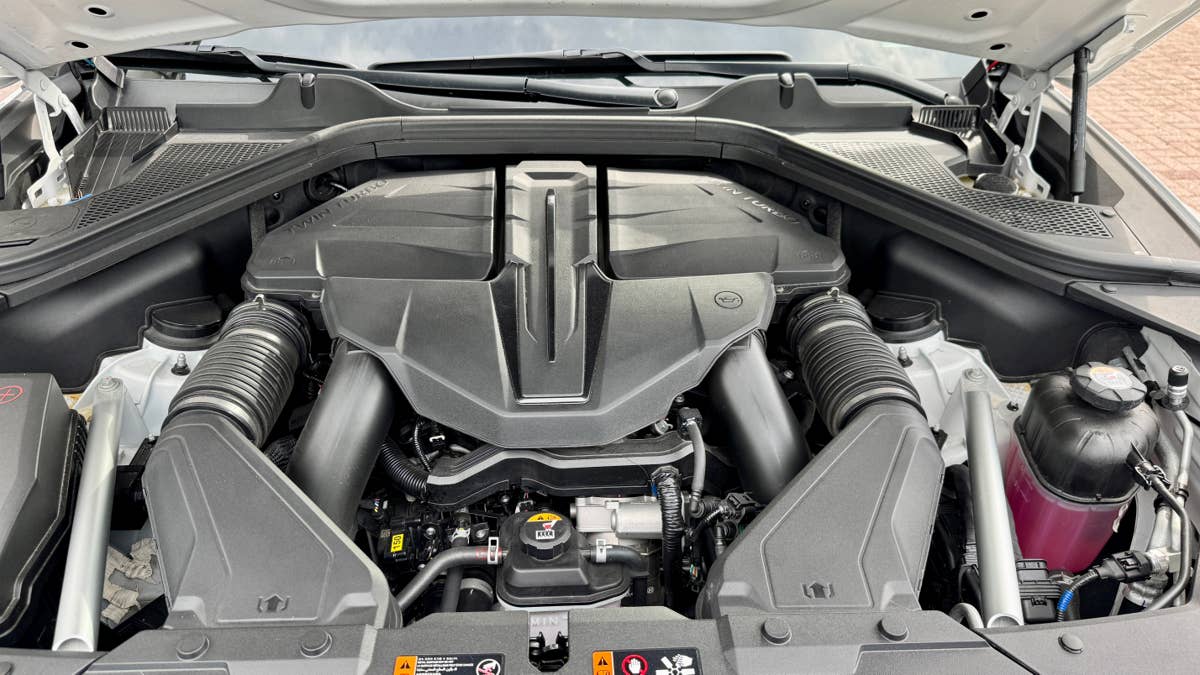
Genesis has won over customers though its bold design, opulent interiors, and stellar value. However, it lacks something found in the lineups of its competitors and its sister companies in the Hyundai Motor Group: hybrid powertrains. The Korean luxury brand has only sold ICE and EV vehicles thus far, but that will soon change with the Genesis brand announcing plans to introduce hybrid vehicles starting later this year.
“We do not see the industry evolving in a one-size-fits-all direction. Customers have different expectations, use cases, and priorities, and our responsibility is to meet them where they are with compelling, well-executed products,” Mengiste explains. Rather than putting all of its eggs into one basket, Genesis will employ a multi-powertrain strategy with ICE, hybrid, and EVs. This may even involve bringing back a V8 engine in the Magma GT.
More Models Driving Sales
Jared Rosenholtz/Autoblog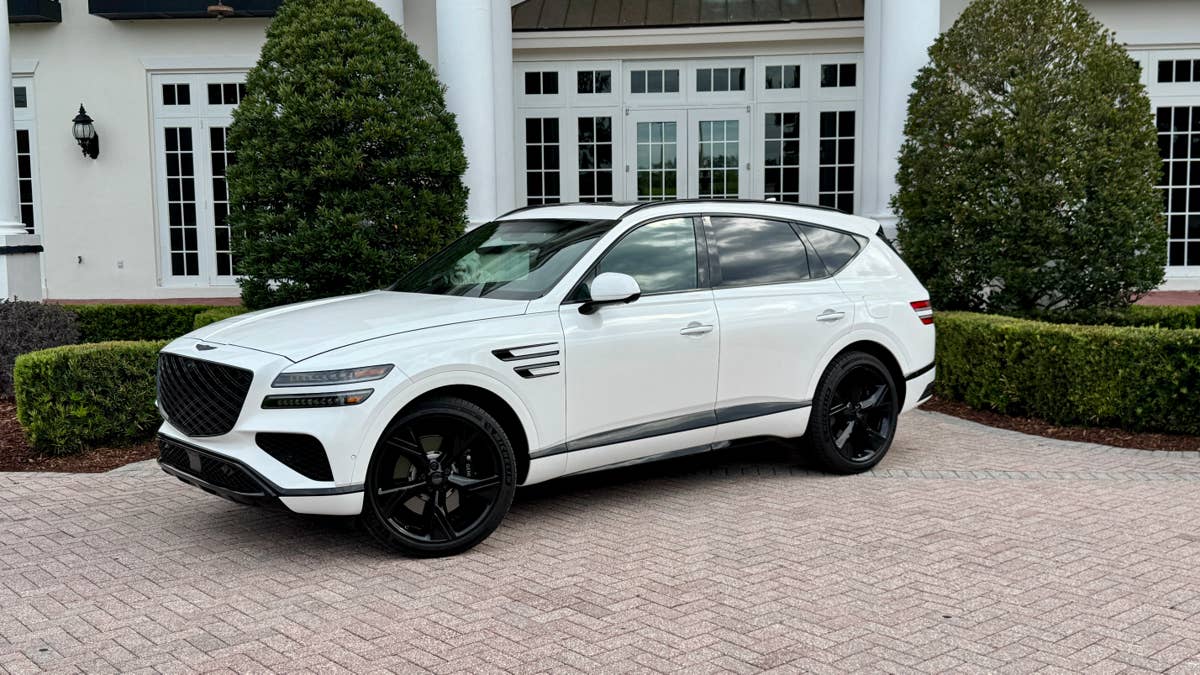
Genesis had its based sales year in 2025, selling 82,331 vehicles in the United States, led by the GV70 with just over 35,000 units. The GV80 (including the GV80 Coupe) was a close second with just under 24,000 units, showing the importance of SUVs, but the G70 came in third with 11,000 to remind sales executives that sedans aren’t completely dead yet.
“Our focus is clear: to continue growing Genesis as a global brand while strengthening awareness and consideration among customers who may not have considered us in the past,” Mengiste says. “For us, growth is not defined by volume alone. It’s about expanding the brand with intention—through new products, advanced technologies, and differentiated customer experiences.”
The Korean automaker will introduce 22 new or “significantly updated” models by 2030, including the GV60 Magma, the company’s first high-performance model. Adding hybrids should help Genesis push past the 100,000 unit mark, competing with the likes of Lexus, a brand that sold over 370,000 vehicles in 2025. That is a high bar, but perhaps Genesis could start by surpassing Acura, which sold 133,433 units in 2025.