Barbara Buhler Lynes, the preeminent Georgia O’Keeffe scholar, remembers the first time she was enraptured by the artist’s oeuvre.
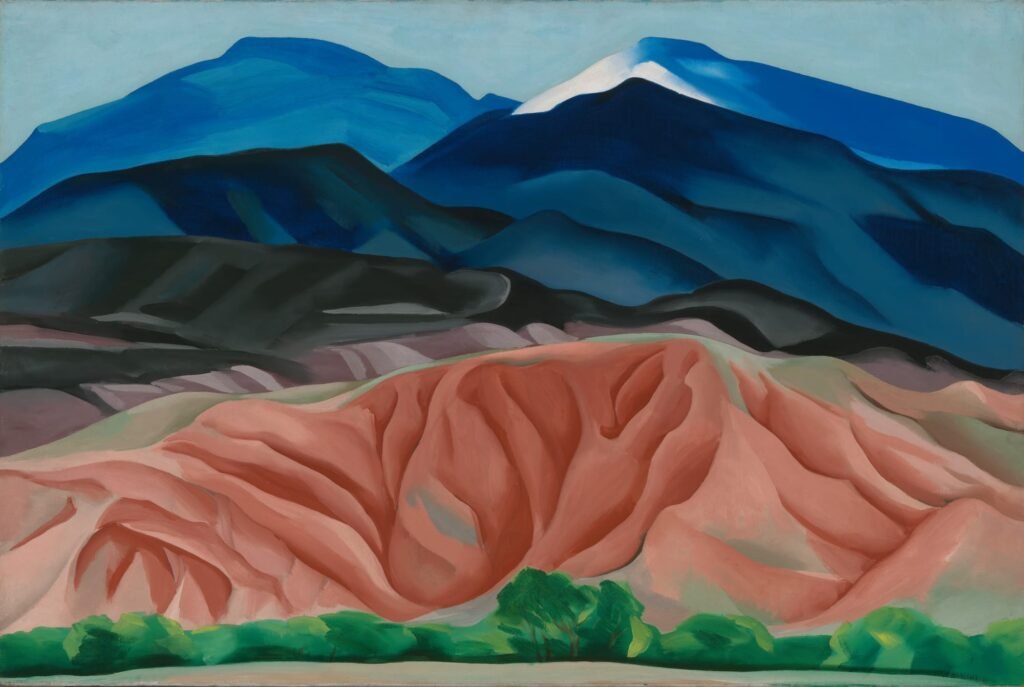
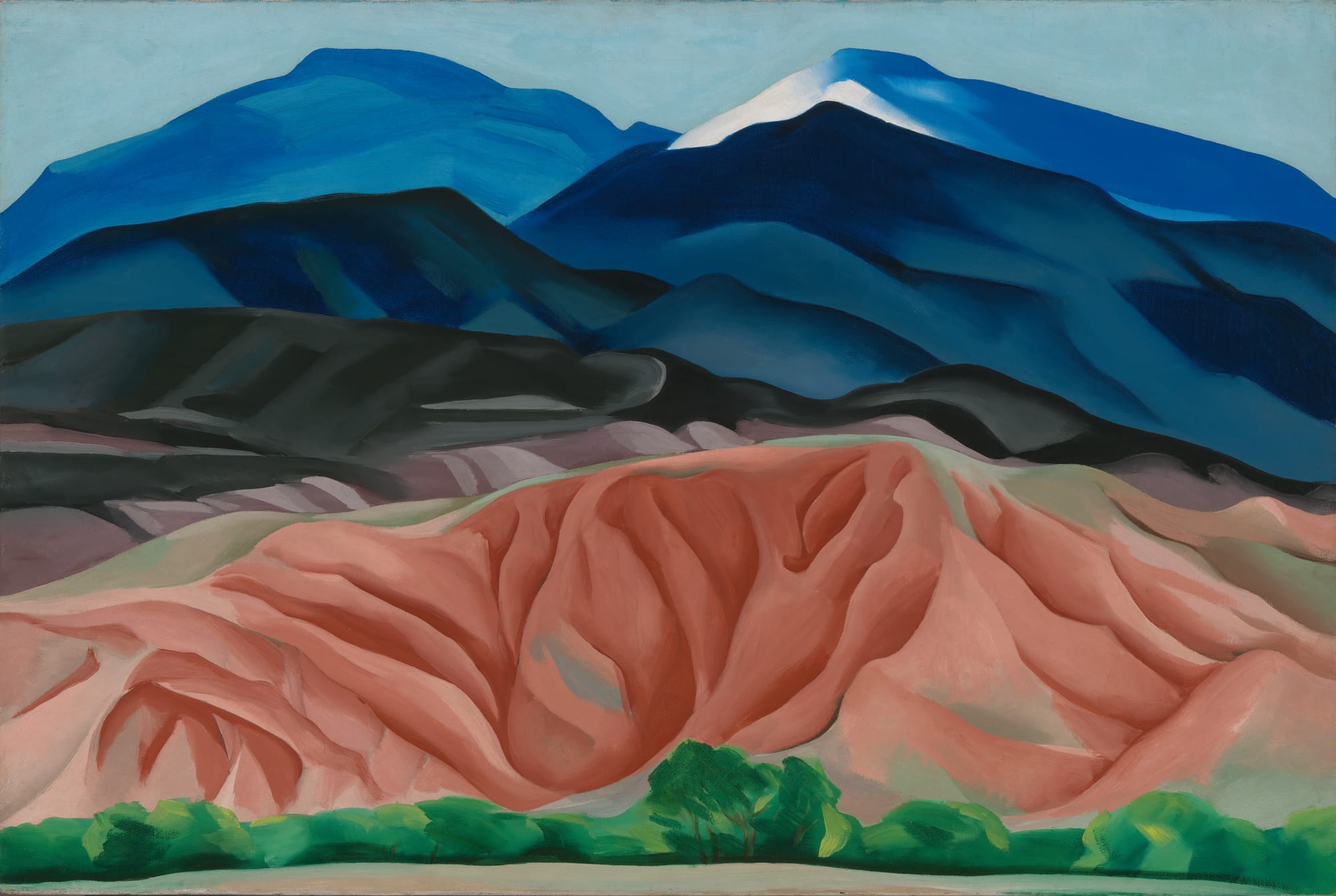
It was 1987, one year after O’Keeffe’s death. Lynes, a Renaissance art historian at the time, visited the National Gallery of Art’s centennial exhibition in her honor. In an interview with Hyperallergic, Lynes recalled that the dozens of paintings and drawings on view, including a collection of early abstract works, sparked a question that would launch her decades-long scholarship on O’Keeffe: “Why had she turned away from abstraction, which was the most innovative thing happening in American art at the time, to essential representational imagery, which was much more traditional?”
Inspired by O’Keeffe’s art and personal history, Lynes researched and published the artist’s definitive catalogue raisonné in 1999, for which she personally examined 2,029 works. Now, the Georgia O’Keeffe Museum in Santa Fe, New Mexico — where Lynes served as the founding curator — has digitized her scholarship as part of a free online platform, Access O’Keeffe.
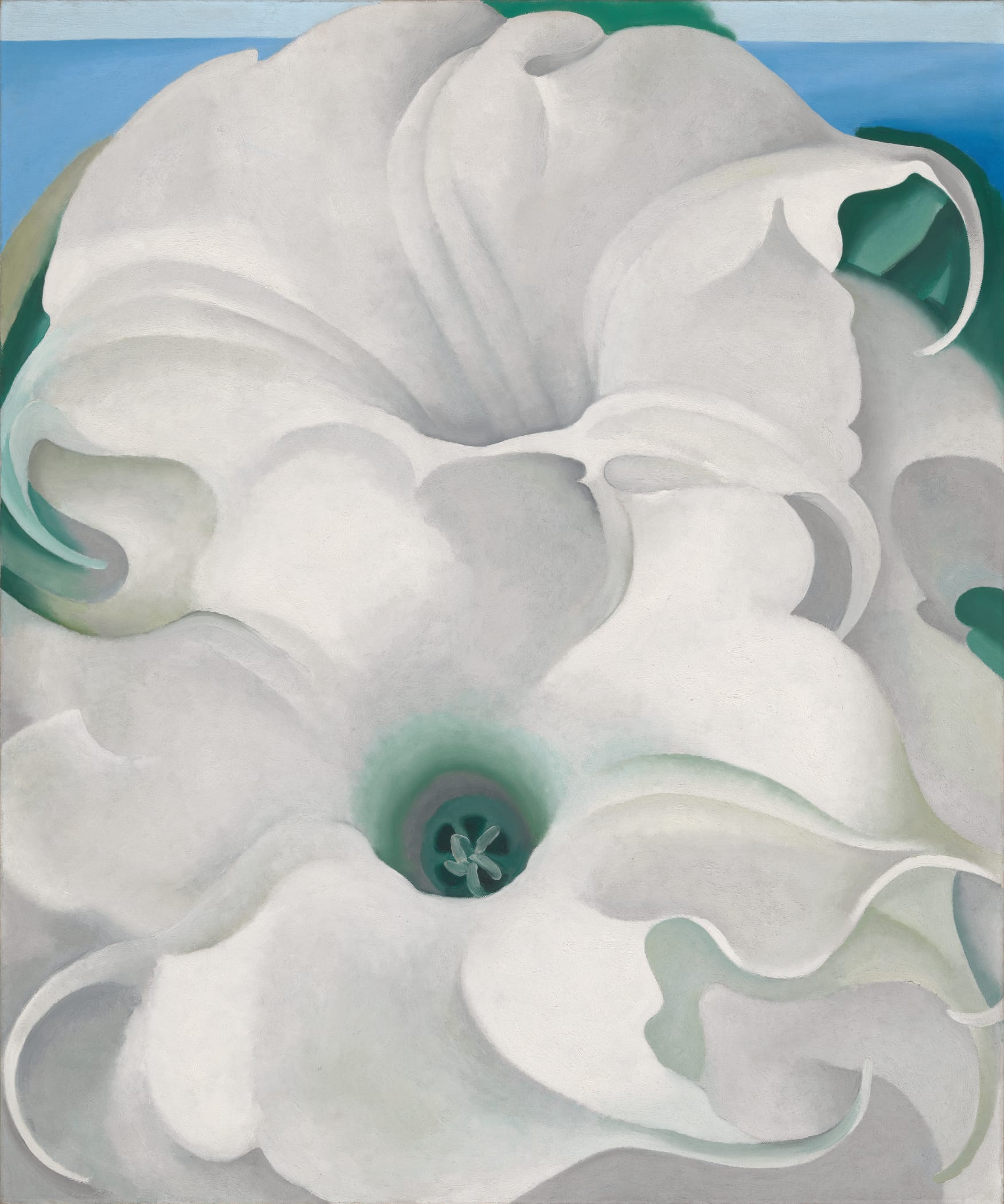
Using the tool, anyone can now browse through images of O’Keeffe’s oeuvre — including paintings, handwritten letters, and early sketches — held at various institutions and private collections around the world. Users can also sort works by color, medium, and theme.
Liz Neely, the Georgia O’Keeffe Museum’s curator of Digital Experience, told Hyperallergic that the institution first conceived of the idea for the digital archive a decade ago.
“ These last two years have really been thinking about: How do we reach out to all the public institutions? How do we get new images? How did we work through all the audience research so we could make a tool that was broadly accessible to a lot of people?” Neely said.
Neely led the efforts to develop Access O’Keeffe, which launched in February, in consultation with Lynes. Several works have changed hands since the catalogue was published, and the new digital resource contains updated information on the works’ provenance and exhibitions.
Though the project follows in the footsteps of other digitized catalogs, such as Van Gogh Worldwide, the museum encountered its own obstacles in launching the tool. When President Trump slashed federal arts funding early last year, the museum’s $243,570 Institute of Museum and Library Services (IMLS) grant to build Access O’Keeffe disappeared, with $100,000 left unpaid.
Neely said the museum was prepared to fund the remainder of the project. But before the museum could step up to fill the gap, a lawsuit filed by attorneys general against IMLS led to the restoration of the project’s funding last year.
The platform’s core audience, Neely said, includes educators, artists, scholars, and researchers of O’Keeffe. She added that it could prove a useful tool for authors writing about her life, curators organizing exhibitions, and filmmakers studying the artist’s life.
Nearly four decades after her first brush with O’Keeffe’s work, Lynes said she was excited about the possibilities of the new platform, which carries the torch of her scholarship into the digital age and will “lead to new discoveries.”
“It’s a mechanism that allows search potential in a way that is really quite revolutionary and revelatory,” Lynes said.