Past Problems Point to Oil Solutions
General Motors has faced substantial engine reliability challenges with its current V8 lineup, leading to multiple recalls affecting hundreds of thousands of vehicles. The primary culprit behind these failures has been identified as inadequate lubrication in critical engine components. When thin oil struggles to maintain proper film strength under high temperatures and loads, metal-to-metal contact occurs, resulting in premature wear and catastrophic engine damage.
GM’s response to these warranty claims has been straightforward. Service bulletins now recommend switching to higher viscosity lubricants in affected engines, effectively solving many of the problems that plagued earlier production runs. This practical fix has proven so effective that engineers developing the next generation V8 family are reportedly planning to specify thicker oils from the factory rather than waiting for issues to emerge. The Gen 6 pushrod-driven small block V8s will debut with the 2027 Chevrolet Silverado 1500 and GMC Sierra 1500.
I Do Cars/YouTube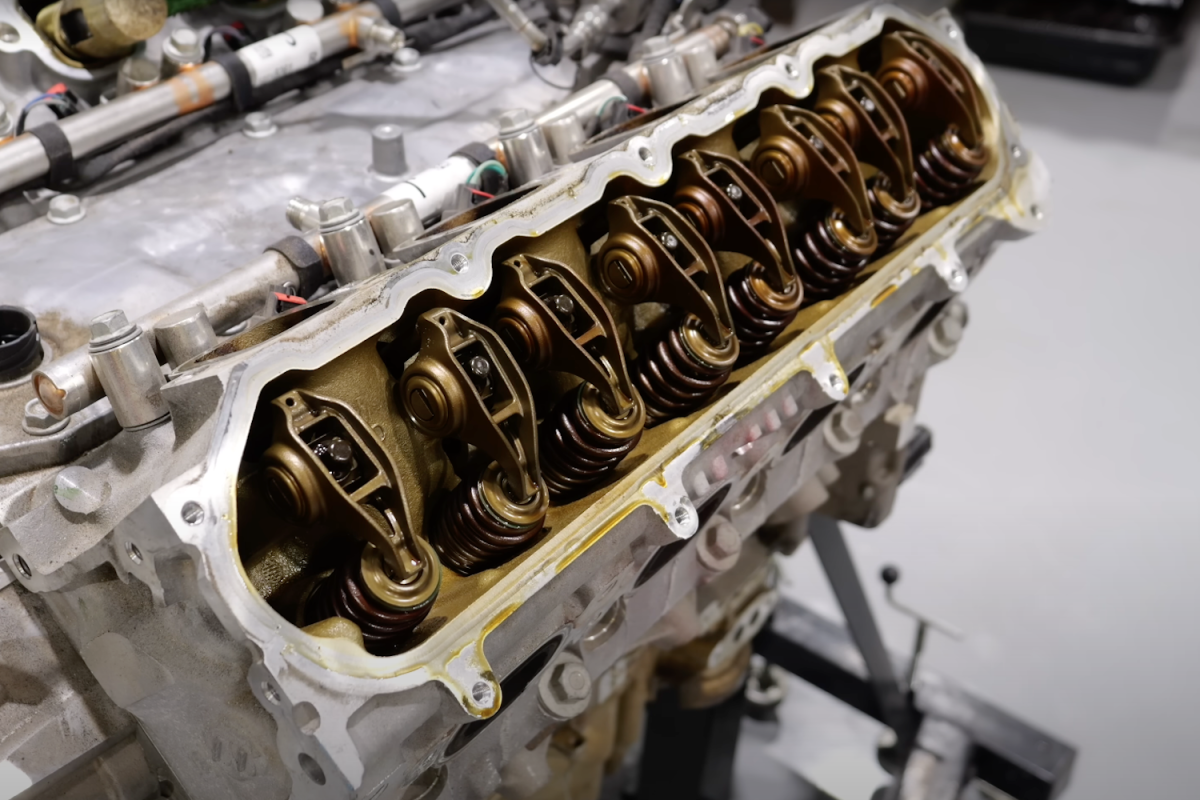
Community Speaks Through Polling Data
GM Authority recently surveyed its readership about what oil weight should be used in upcoming V8 engines. The results were unambiguous and decisive. Readers want GM to prioritize engine longevity by specifying heavier-weight oils from day one. The overwhelming response suggests that enthusiasts have strong opinions about the proper solution for the L87 V8 reliability woes.
This community sentiment reflects a broader frustration with modern engineering priorities that seem to sacrifice durability for efficiency improvements. The poll essentially became a dipstick survey on whether GM should continue chasing every last fraction of fuel economy, or build engines that can actually survive their warranty periods without expensive repairs.
Regulatory Changes Enable Better Engineering
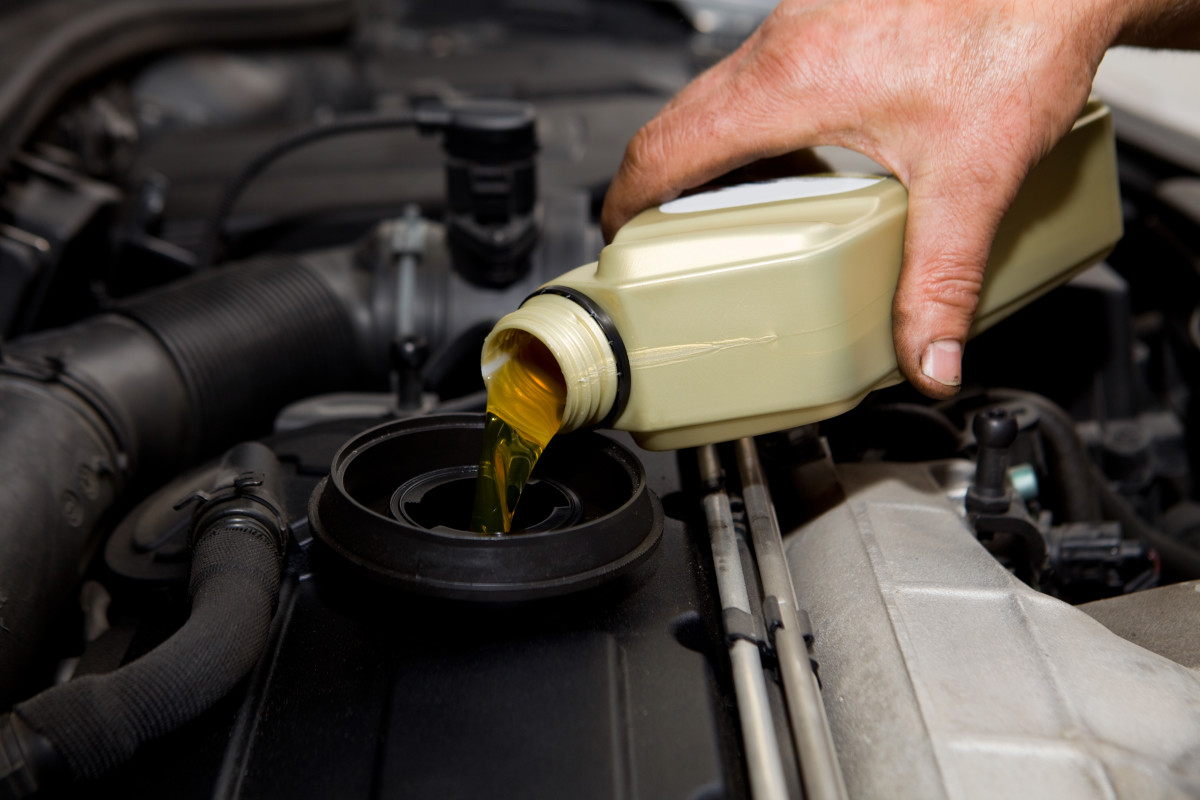
Ultra-thin engine oils became industry standard primarily because they reduce internal friction, delivering small but measurable fuel economy gains. However, these efficiency benefits come at a steep cost when engines operating under real-world conditions experience accelerated wear. The molecular structure of low viscosity lubricants simply cannot provide adequate protection in high stress situations.
Recent relaxation of CAFE standards may finally allow manufacturers to abandon this compromise. Engineers can now select oil weights based on what actually protects engines rather than what looks best in EPA testing cycles. This regulatory shift could mark the beginning of a new era where reliability trumps regulatory optimization.