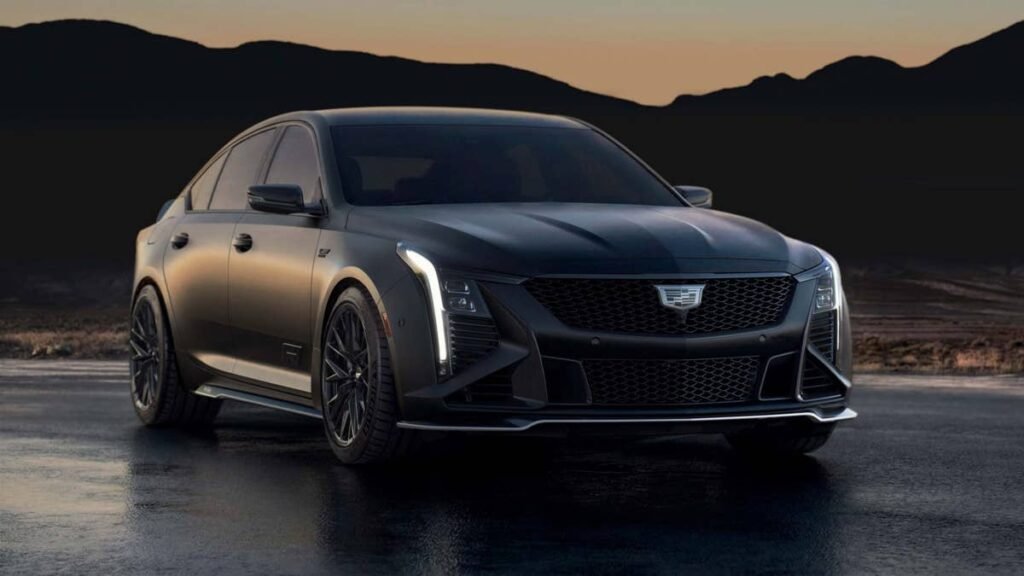
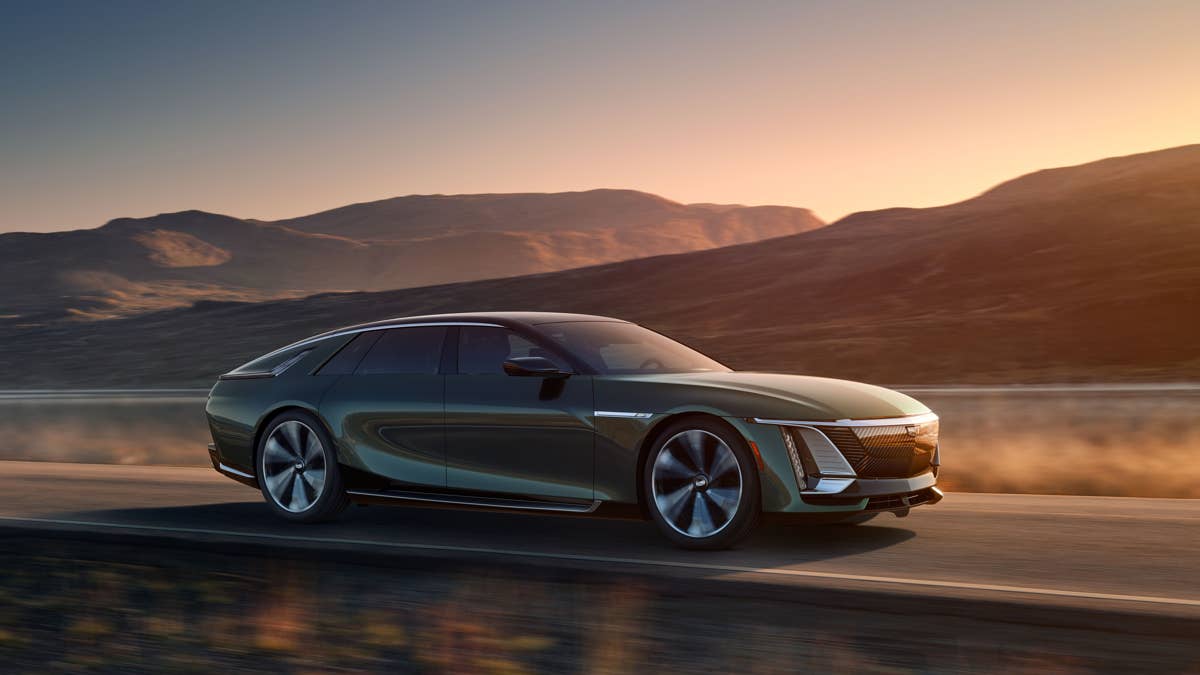
Cadillac was supposed to be the tip of the spear for General Motors’ all-electric future. For the past several years, the historic American luxury brand aggressively pivoted toward battery power, rolling out the Lyriq crossover, the impressive Escalade IQ, and the new Vistiq, while publicly touting its goal to phase out internal combustion engines (ICE) entirely by 2030. However, the realities of the current American automotive market are forcing a change of course. In a major shift from its EV-only mandate, General Motors is actively doubling down on gasoline.
Investing In Internal Combustion
The Detroit automaker recently announced a $275 million capital injection into its Spring Hill, Tennessee, manufacturing complex. The standout figure of that investment is General Motors allocating $150 million specifically for the assembly of future, combustion-powered Cadillacs. While the broader conversation often hints at a whole new range of gas vehicles, GM’s official confirmation points strictly to one distinct new ICE model joining the brand’s lineup.
This $150 million allocation is not merely intended for a minor facelift of the aging XT5 crossover or the current CT sedan lineup. GM specifically stated this funding supports a “future” ICE product, suggesting a brand-new addition to the fleet. Industry speculation currently points to a potential revival or a direct replacement for the three-row XT6—a highly profitable segment that American buyers continue to demand in heavy volumes.
Cadillac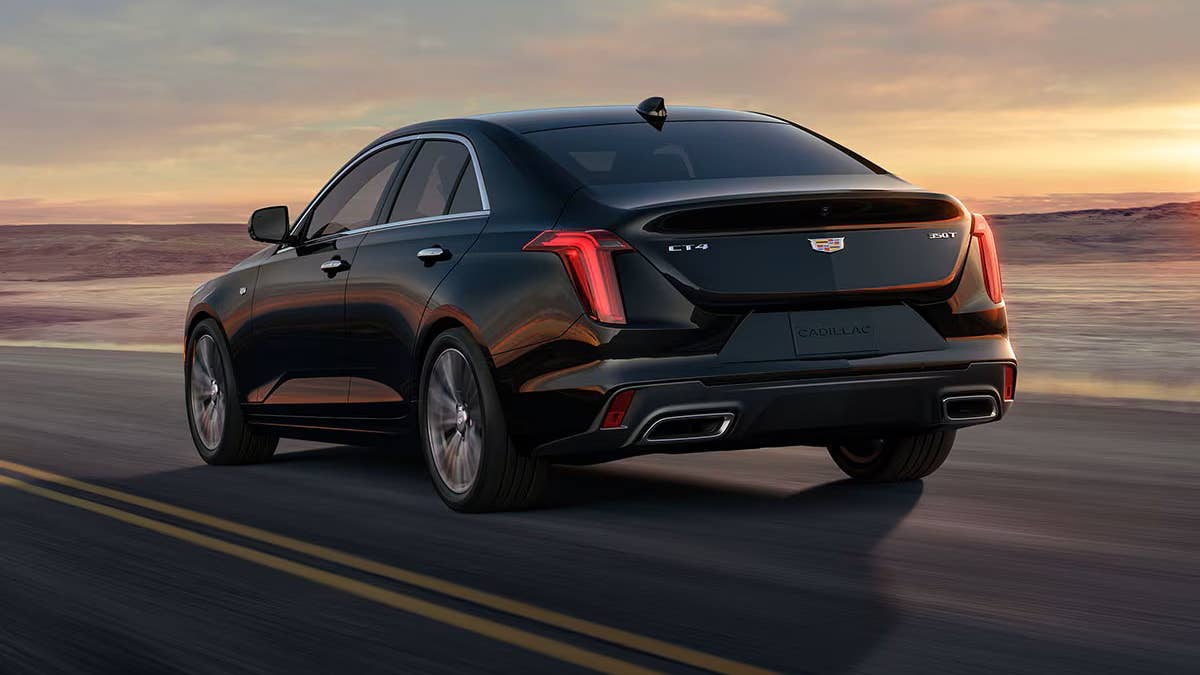
Furthermore, the remaining $125 million of the Spring Hill investment will go toward refurbishing existing equipment and extending the life of GM’s 2.7-liter turbocharged four-cylinder engine program. While this specific powertrain predominantly supplies Chevrolet and GMCmidsize trucks, its sustained production underscores a broader corporate acknowledgment: internal combustion is far from obsolete.
The Backward Pivot
This strategic pivot reveals a critical lesson learned by legacy automakers in 2026. While electric vehicles dominate industry headlines and R&D budgets, traditional gasoline engines continue to fund the bottom line. By investing heavily in a new ICE Cadillac right in America’s manufacturing heartland, GM is buying itself the ultimate luxury: operational flexibility. For the American consumer, it means the traditional, gas-powered luxury vehicle will comfortably remain on local showroom floors well into the next decade, ensuring the transition to battery power happens at the actual pace of the market, if at all.