New 5.7-liter and 6.6-liter V8s
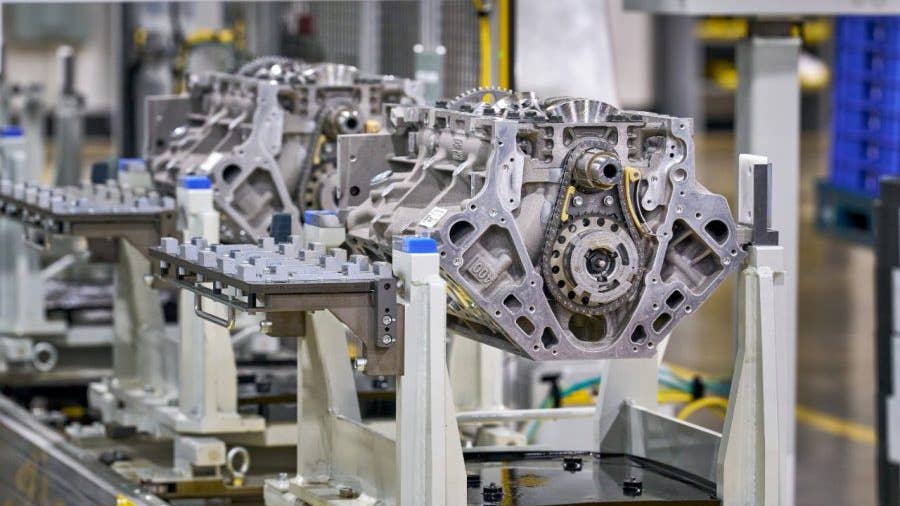
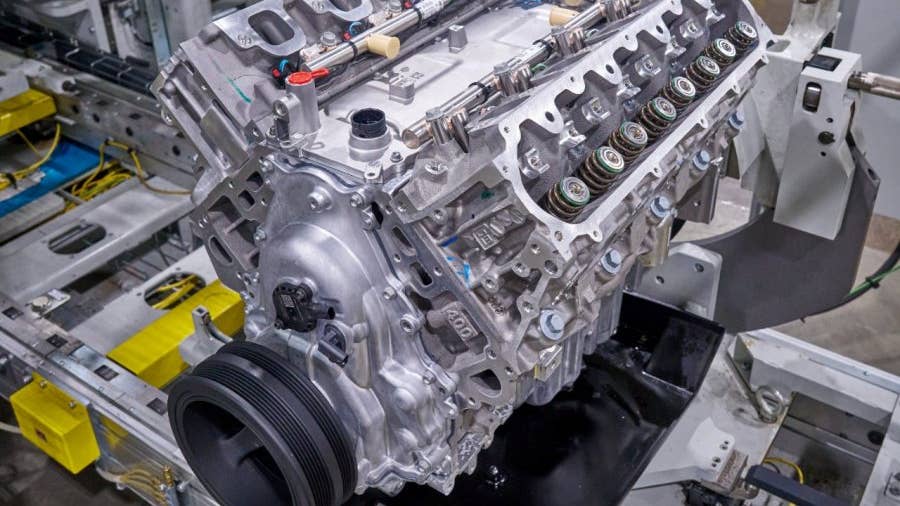
When GM announced that we’ll be getting new V8 engines in the 2027 Chevrolet Silverado 1500 and GMC Sierra 1500 pickup trucks, it got a lot of people excited. We’re happy to see GM keep the small-block architecture in its lineup while improving its power and reliability.
The good news is that the 5.7-liter L76 and 6.6-liter L78 will lead the class in power, with the 5.7-liter producing 402 horsepower and 428 lb-ft of torque, while the 6.6-liter will churn out 481 horsepower and 501 lb-ft of torque. However, one thing drew enthusiasts’ ire. First, GM removed the oil dipstick and replaced it with an electronic dipstick accessed through the vehicle’s screen, which doesn’t allow for visual inspection.
Now, another item was added to the list: cylinder deactivation, a fuel-saving feature that saves you gas at the pump but may cause long-term reliability concerns.
GM
Dynamic Fuel Management (DFM)
DFM first popped up in the 2019 Silverados and Sierras, and it is designed to reduce fuel consumption by activating only a select number of cylinders while cruising. The remaining cylinders activate when the engine needs more load and performance. This feature offers 17 different firing orders, or patterns, that help save fuel.
Compared to its predecessor, Active Fuel Management, DFM offers drivers more options to take advantage of. It’s more flexible, but it’s also more complex now than before. According to GM Authority, cylinder deactivation technology has been controversial. While it does achieve fuel savings, some owners have claimed that cylinder deactivation can lead to long term reliability concerns. This feature was said to be detrimental to engines, so much so that some people have gone through some hoops and hurdles to delete it from the system.

Better Off Without It?
Before the official announcement of the new V8 engines, people already hoped DFM would go away, but it didn’t. The issue was associated with the lifters in the V8’s valve system. This issue was present in prior iterations of the V8s with DFM.
GM has issued service bulletins to address these issues in the past, but since this is a new engine, optimists will say the issue is fully resolved, while pessimists might say it’ll still be a matter of time.
GM