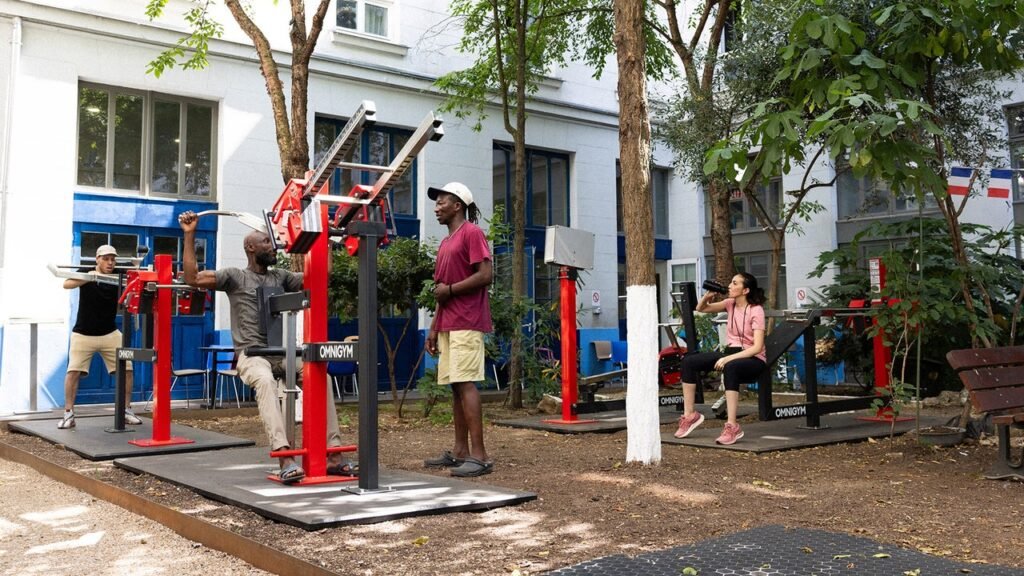
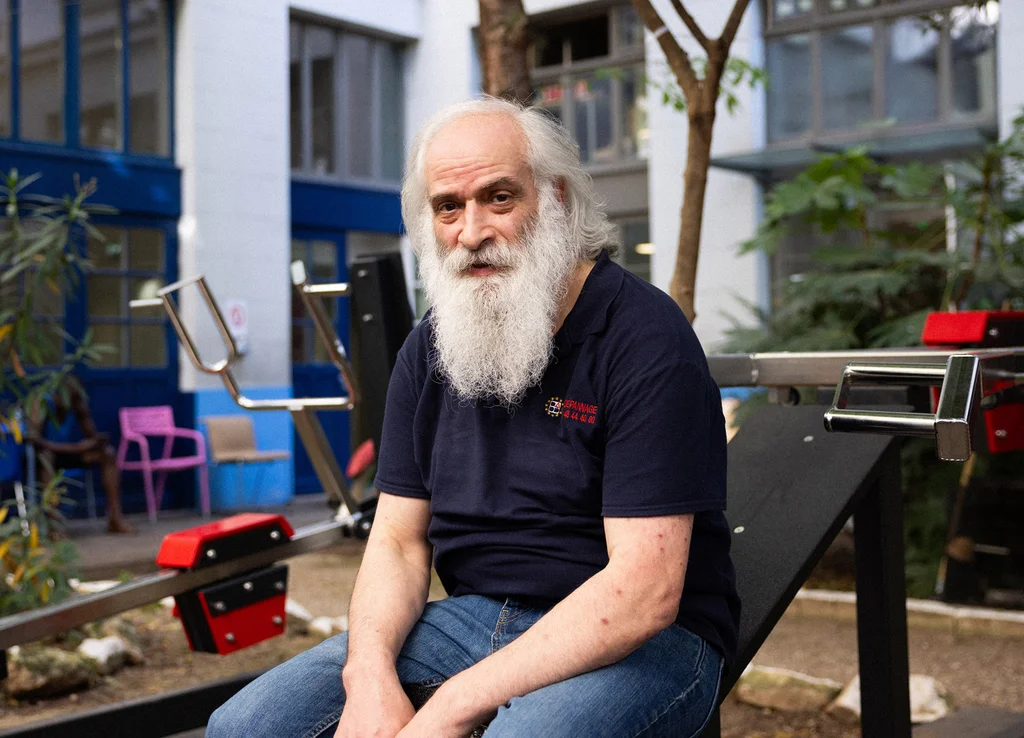
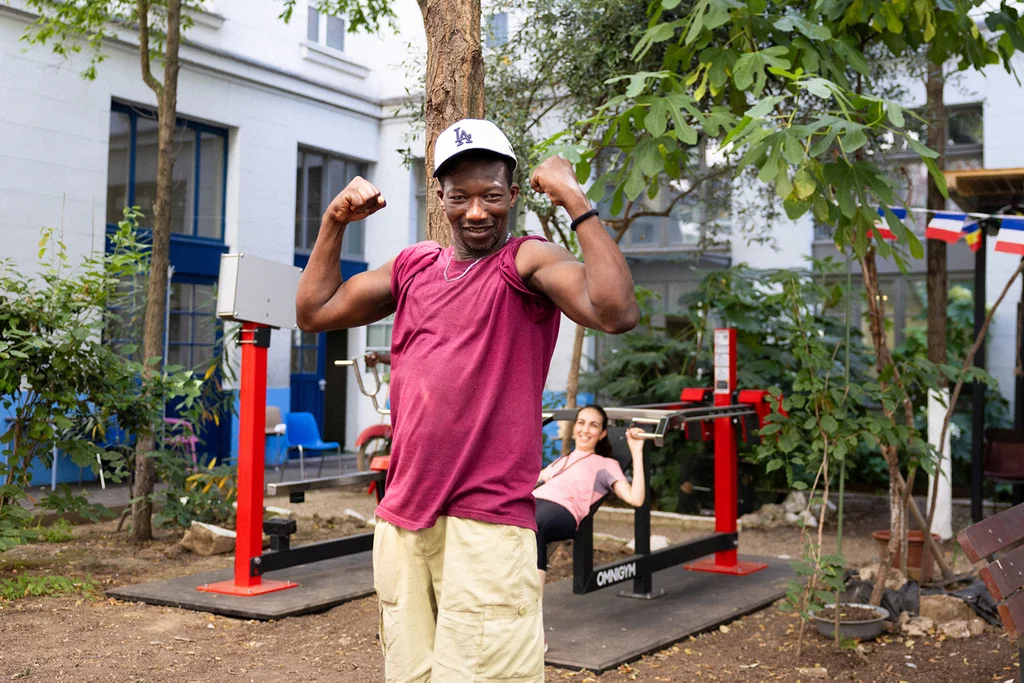
At the nonprofit Emmaüs Solidarité homeless shelter in Paris, it’s not uncommon for new residents to have sleepless nights. But since the summer, residents have had a new way to cope with the stress of a restless evening: head to the courtyard and do a few circuits on their new outdoor gym.
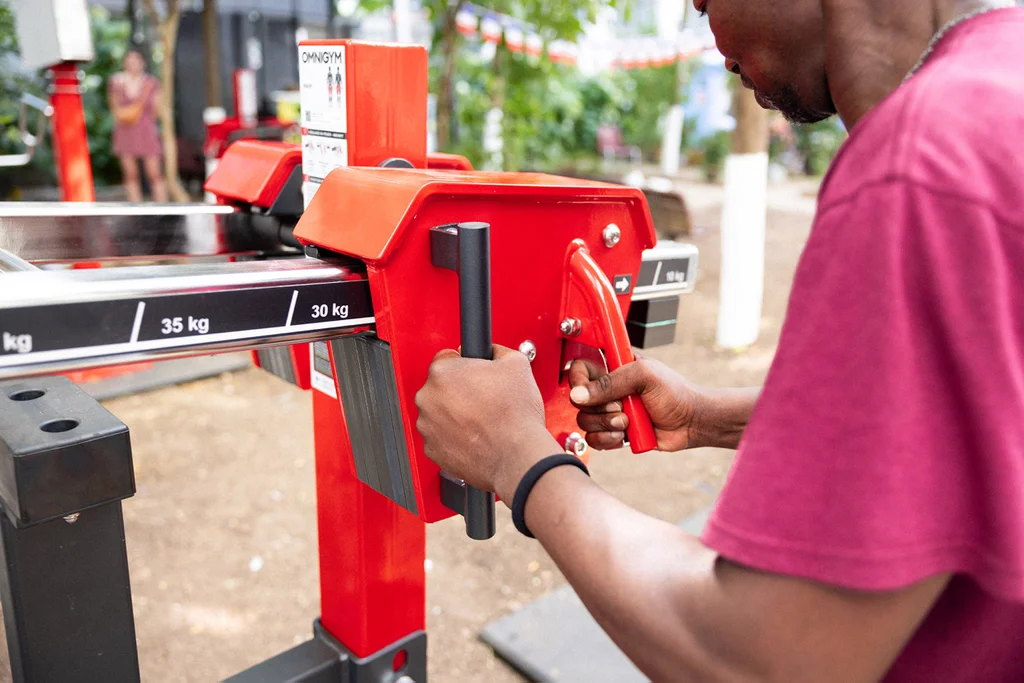
Through a partnership between the city, the nonprofit, and Omnigym, a Finnish fitness company, this new installation of outdoor exercise equipment seeks to not just help provide access to fitness gear, but build community and self-esteem. Consisting of four pieces of workout gear set up in the garden next to the shelter, this small public gym provides a fitness option for all, but is specifically located to assist those who don’t have the money or wouldn’t feel welcome in a private gym. It also addresses broader issues of physical inactivity and social isolation.
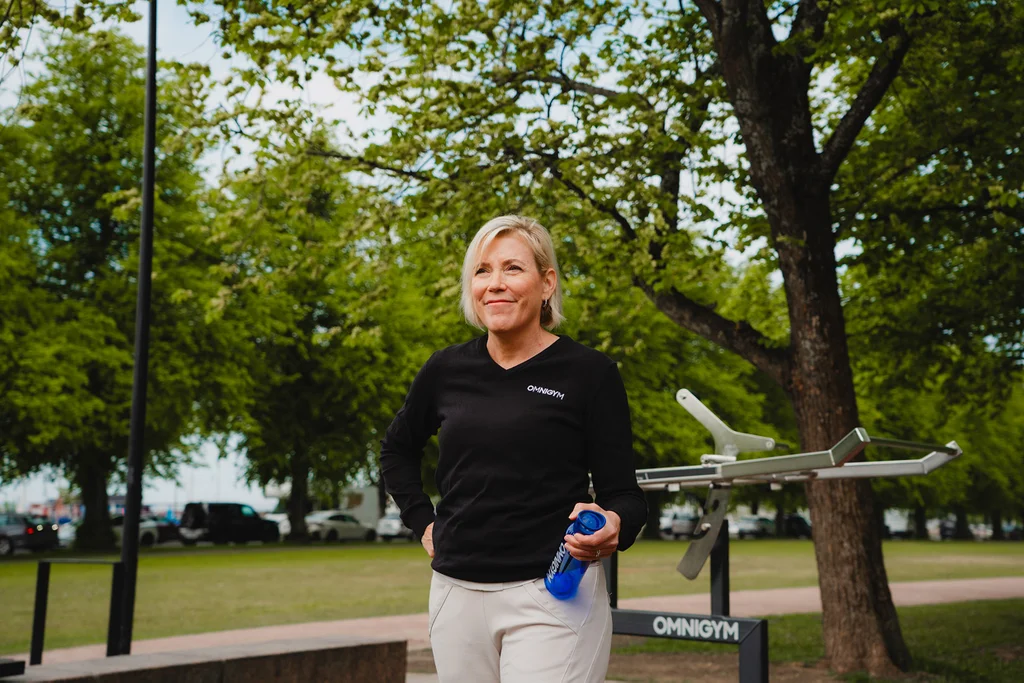
“It’s a natural gathering place, and people from different socioeconomic backgrounds start to meet because they exercise,” says Omnigym’s CEO, Kirsti Laasio. “It’s a very egalitarian sort of situation.”
The company, which has more than 800 locations across 18 countries, believes there’s both a business case and social value in building new gyms and workout spaces for disadvantaged communities. Laasio says that outdoor gyms can become part of city planning, since they can serve as modes of social contact that also help activate the streetscape and encourage preventive healthcare.
The company’s People’s Gym initiative has been installing equipment for free at spaces such as prisons to demonstrate the impact this equipment can have on communities. Public sector clients, like park districts, make up most of Omnigym’s clientele. The Emmaüs Solidarité site includes four pieces of equipment: lat pulldown, squat, incline bench press, and low row.
The company had been working with the city of Paris, where it has two other outdoor gyms. When Laasio was told there was a shelter seeking to try something like this, Omnigym decided to participate in a trial, donate the equipment, and study the impact. The gear was installed in mid-July, and sensors on the equipment have found the gym gets consistent use.
One finding showed that people at the Emmaüs Solidarité location tend to work out more later in the day and overnight, as opposed to early mornings, suggesting an atypical routine compared with other gym users. The company uses this anonymous user data to make the case for more locations, and better tailor the array of machines at any particular site.
A survey taken a month into the gym’s existence found that 80% of Emmaüs Solidarité residents reported improved physical fitness, while 90% reported that it helped them meet or talk to other people.
Abdellah Bounkit, director of Emmaüs, said the conversation and socialization has been the “biggest victory.” Previously, those who wanted to exercise or play sports would walk to the nearby park and often play five-on-five soccer matches. Having a new, easily accessible space to work out and socialize was a big shift. It’s also reduced the number of fights that occasionally break out in the shelter.
“When people arrive here, they are often isolated, so it can take a long time to build relationships,” says Bounkit. “Sports and exercise can really help.”
Health has been a persistent challenge for the unhoused community, which often gets shortchanged in terms of access to facilities. According to the recent UCSF Benioff Homelessness and Housing Initiative study of homelessness in California, nearly half of unhoused in the state rate their health as fair or poor; 60% report at least one chronic health condition such as asthma or hypertension.
Numerous barriers—poor diet, irregular schedules, lack of funds, and a stable address—often stand in the way of starting and staying with a workout routine. Studies have found that being able to access equipment and facilities would have significant impacts with mental and cognitive health and improve sleep, areas of great concern for the unhoused community. In addition, shelter populations can shift and change rapidly, making the addition of regular activities and places for informal conversation valuable to a fluid population.
There are growing examples of groups and organizations trying to provide more fitness opportunities for the community. Back on My Feet, which operates in 14 U.S. cities, encourages running, and in San Diego, Father Joe’s Village, a service provider, hosts a regular cycling ride for the unhoused. The Homeless World Cup supports soccer teams in 75 countries.
While teams and clubs can provide a sense of purpose and belonging, even something as small as regular access to gym equipment can make a difference.
“I love the fact I can meet new people,” says Wilfried, a two-year Emmaüs resident, via an interpreter. He favors the machine for biceps curls. “I used to never talk to certain people, now we meet at the equipment, and we do sports together,” he says.
“It gives me a lot of hope,” says Binate, another man staying at the shelter. ”When you train every day with the same people, the trust is growing.”