- Google platform engineers are discussing and evaluating restricting the Android Debug Bridge daemon (adbd) to external interfaces, such as Wi-Fi (wlan0).
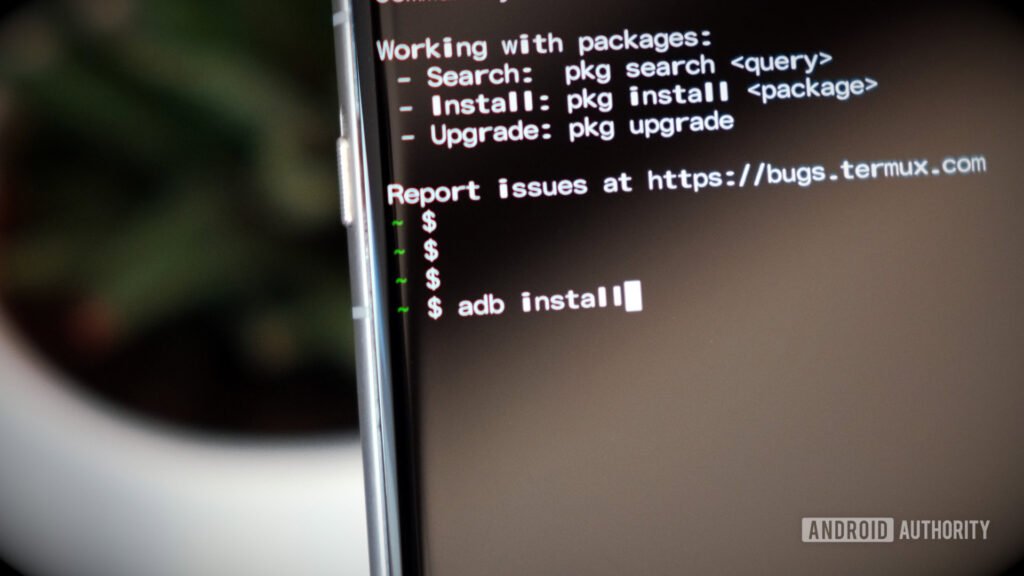
- Blocking “localhost loopback” addresses would prevent terminal emulator apps (like Termux) and permission frameworks (like Shizuku) from executing elevated on-device ADB commands without a PC.
- The security proposal stems from vulnerability concerns, but no decision is final, and developers have suggested an opt-in Developer Options toggle as a compromise.
Google is weighing changes to how Android handles local debugging connections, a move that could fundamentally alter how power users customize their devices. ADB (Android Debug Bridge) remains the last line of defense for tweaking device behavior, managing permissions, and running scripts without requiring full root access, and on-device ADB adds an incredible layer of convenience. However, internal discussions among Android platform engineers suggest that this long-standing flexibility and convenience might eventually face some network-level restrictions.
As detailed in a technical breakdown by Android developer Kitsumed, a proposal posted to Google’s Issue Tracker discusses restricting the ADB daemon (adbd) to external network interfaces, such as Wi-Fi (wlan0) or USB. Crucially, this would block connections over “localhost loopback” addresses, such as 127.0.0.1.