There was a time when automotive interiors made sense: you climbed into a car, reached for a knob, twisted it, and suddenly cold air blasted directly into your face like nature intended. If you wanted heated seats, you pushed a button. If you wanted to change the radio station, there was an actual radio knob.
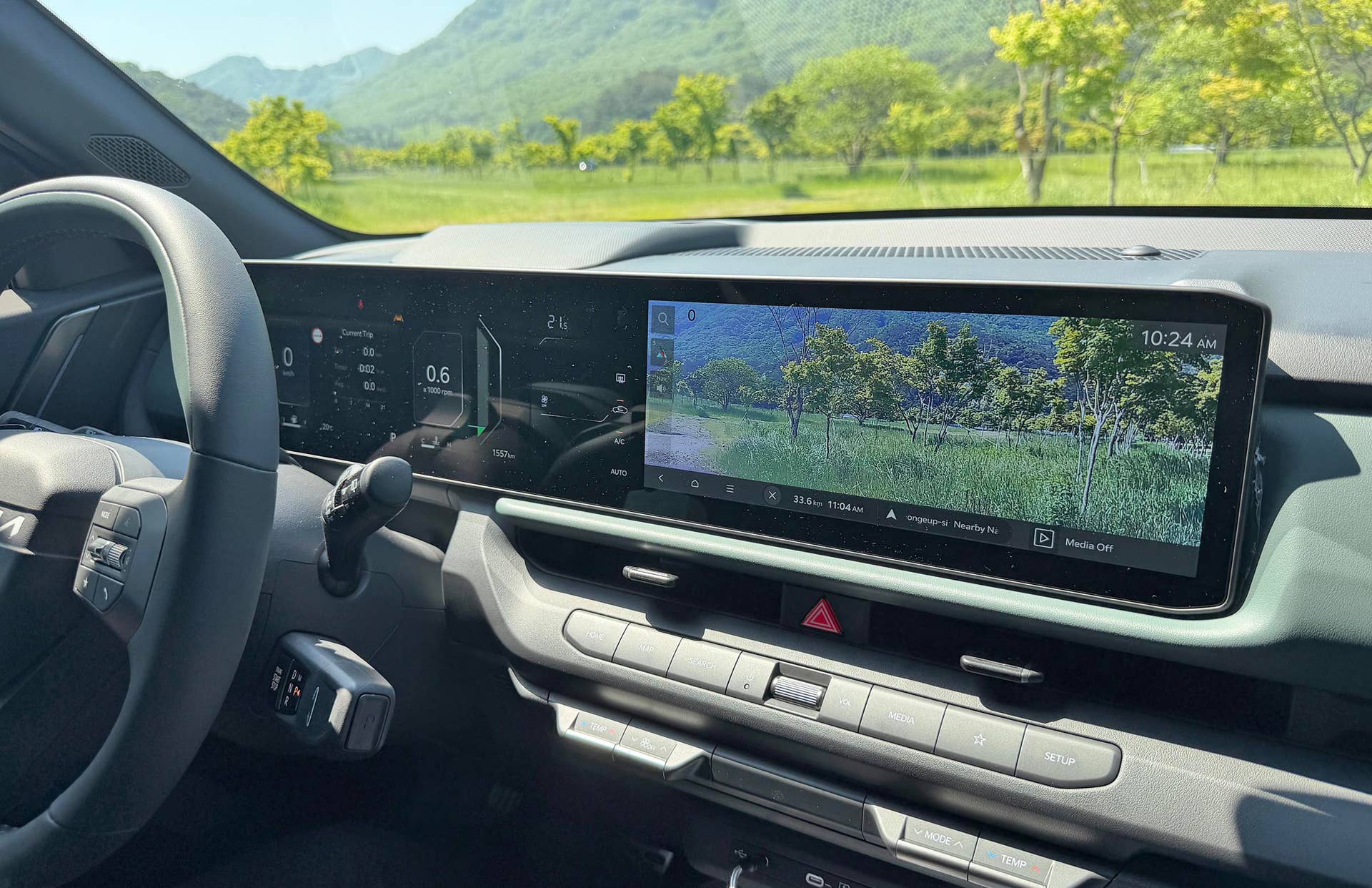
Now?
Now I need to navigate three menus, two submenus, and possibly accept a software disclaimer before adjusting the cabin temperature by two degrees. Touchscreens in cars have officially gotten out of control.
And I say this as someone who occasionally likes technology.
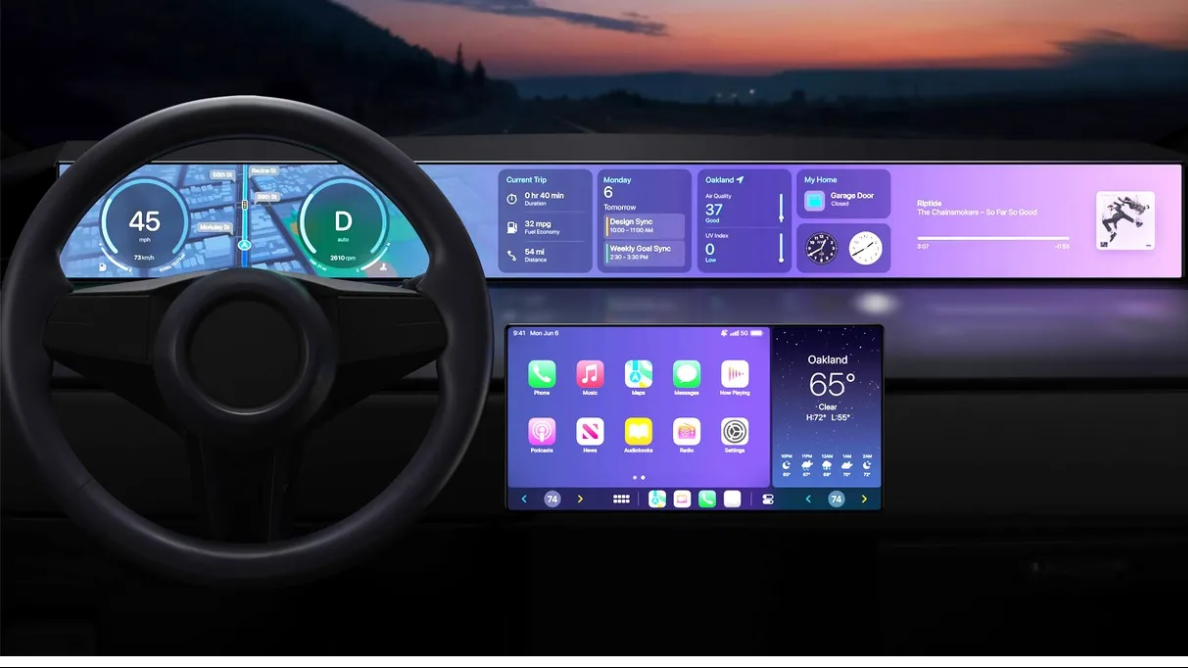
Modern vehicles have become rolling electronics stores. Screens dominate dashboards with the sort of enthusiasm usually reserved for casino slot machines. Some automakers appear convinced that customers won’t buy a vehicle unless it resembles a gaming PC designed by a teenager fueled entirely by energy drinks.
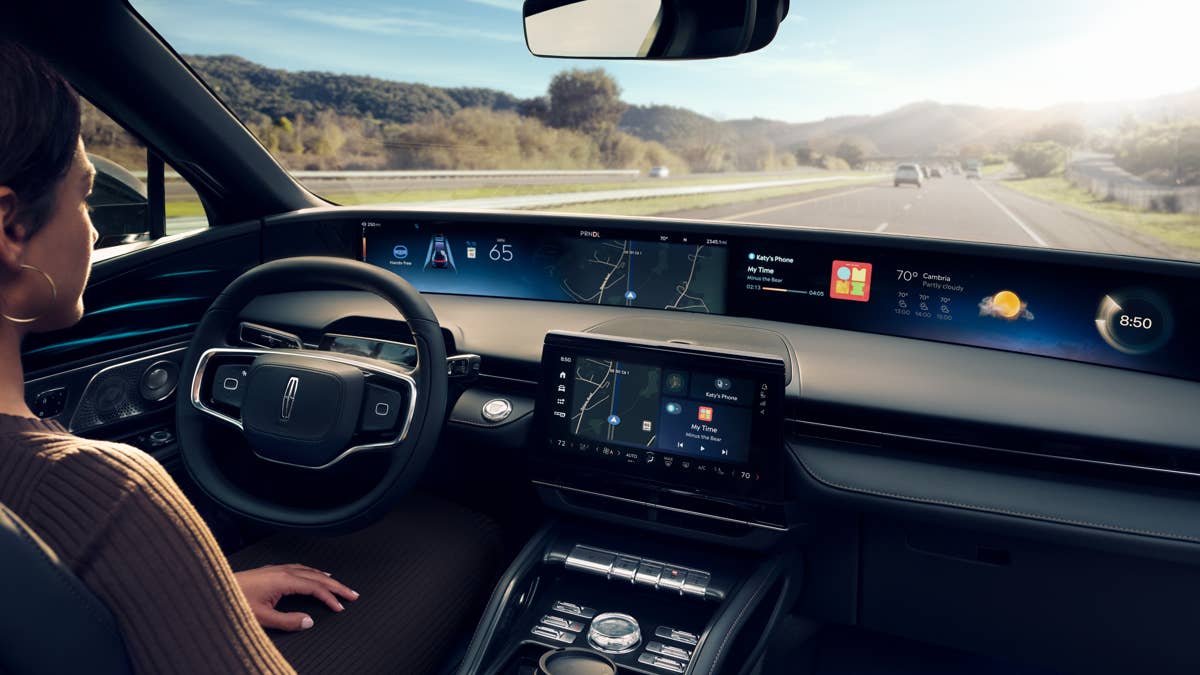
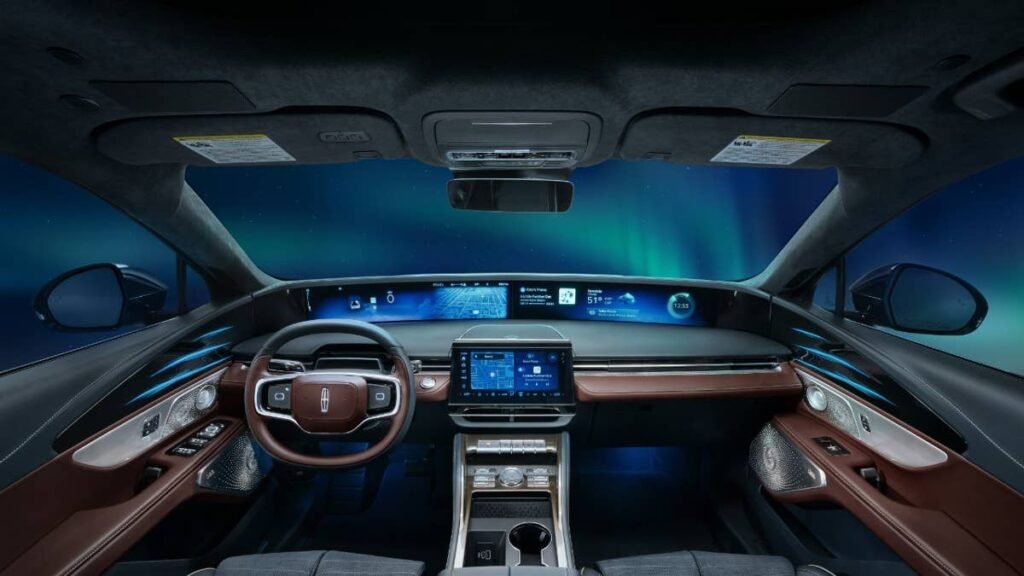
Take the Lincoln Nautilus, for example. Its display setup essentially stretches from one side of the vehicle to the other. Depending on how you measure things, you’re looking at something close to a 48-inch visual wall spread across the dashboard.
Forty-eight inches.
At this point, we’re about six months away from automakers offering split-screen NFL Sundays in the gauge cluster. And here’s the real problem: many automakers are replacing important physical controls with touchscreen-based buttons and sliders. Crazy.
Stay with me here, because I’m about to blow your mind.
In order to accurately press a button on a touchscreen while driving, you usually have to take your eyes off the road.
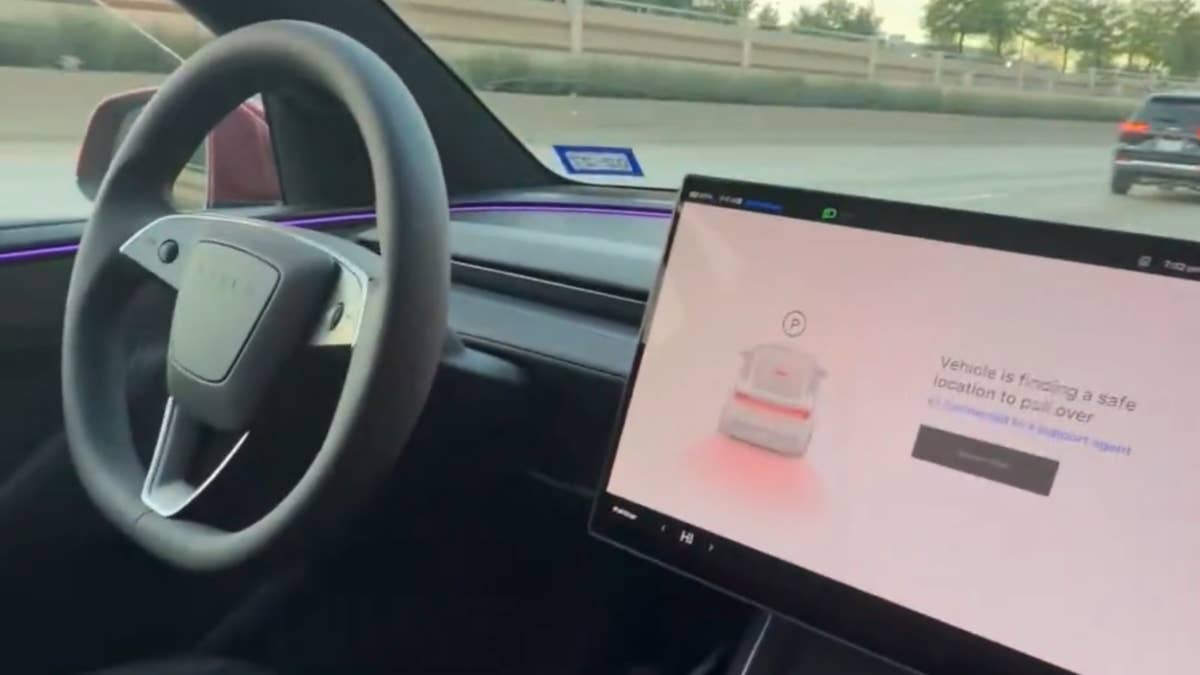
I know, my observation skills impress…
Sure, some systems offer haptic feedback. The screen vibrates a little. Maybe it makes a tiny “thunk” noise to simulate pressing a real button. That’s still no substitute for proper switchgear.
A physical knob can be found by feel.
A touchscreen requires visual confirmation.
That matters.
Cole Attisha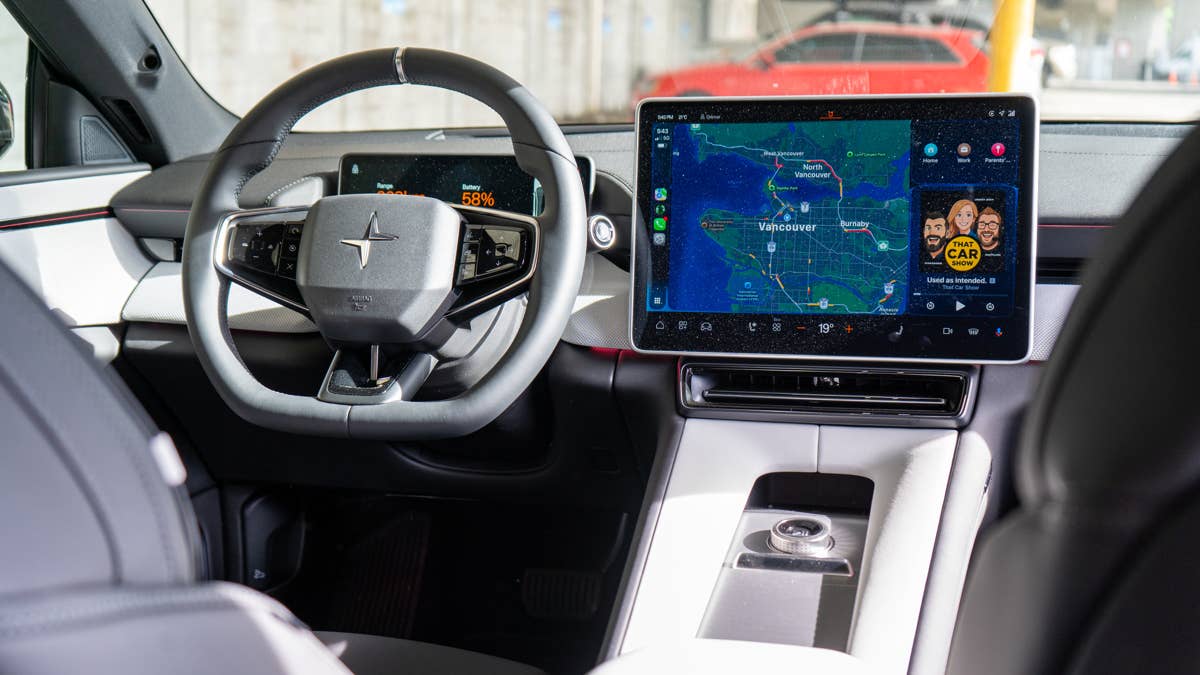
Especially when you’re bouncing down a pothole-filled freeway trying to increase fan speed while your navigation map, Spotify playlist, ambient lighting menu, and massage-seat controls are all fighting for screen space like MMA fighters in an octagon blood match.
Even at night, these giant displays can become rolling light cannons. Some are so bright they could probably guide commercial aircraft onto a runway. Others create glare that reflects off windows, trim pieces, sunglasses, and occasionally your own soul.
No, I’m not saying we should get rid of large screens altogether. They absolutely serve a purpose. Navigation is better than ever. Camera systems are excellent. Apple CarPlay and Android Auto make long drives easier. Some digital gauge clusters are genuinely useful.
Final thoughts.
Technology isn’t the enemy. Overcomplication is.
Somewhere along the line, automakers confused “minimalist” with “remove every physical control and bury it in software.” That’s not innovation. That’s punishment.
And yes, even tech junkies are starting to push back.
Because deep down, everybody understands the same basic truth: fumbling through menus to adjust climate controls while driving is dumb. Spending several seconds trying to relocate audio settings is dumb. Having seat heaters hidden behind a touchscreen icon the size of a Tic Tac is dumb.
Sure, voice controls exist. Sometimes they even work. But human nature hasn’t changed. When we want the air conditioning to blow harder, our instinct is to reach over and turn something. Hand gestures exist as well, and they have proven to be a bit of a gimmick to some.
Related: Independent Repair Shops Might Be In Trouble
Not politely ask our vehicle like it’s a confused digital butler.
You say: “Please increase cabin airflow.”
Immediately, it responds with: “No internet connection available.”
You lean back and think to yourself: “Fantastic. I’ll just sweat to death then.”
The irony is that old-school buttons and knobs were never broken to begin with. Drivers could operate them without thinking, without searching, and without taking their attention away from the road.
That’s called good design, and frankly, we need more of it. Because at some point, automakers need to remember that cars are not smartphones. Drivers are not sitting on their couches updating playlists while doom-scrolling social media.
They’re piloting thousands of pounds of moving metal at highway speeds while surrounded by other distracted humans doing exactly the same thing.
Maybe, just maybe, that’s not the ideal environment for burying windshield defroster controls inside a touchscreen menu labeled “Comfort Settings.”
Related: Lancia Gamma Returns As The Brand’s First SUV