Gas Prices Could Cause A Shift
With fuel prices surging this year, a recent study showed that large SUV buyers will spend up to $1,600 more year on gasoline, while the average driver will see a $700 cost increase. Many Americans won’t be in a financial position to swap into a newer, more fuel efficient vehicle, but Volkswagen believes a prolonged increase in gas prices could eventually lead consumers back to small cars—the type of vehicle that originally made the German automaker popular in the United States.
Volkswagen
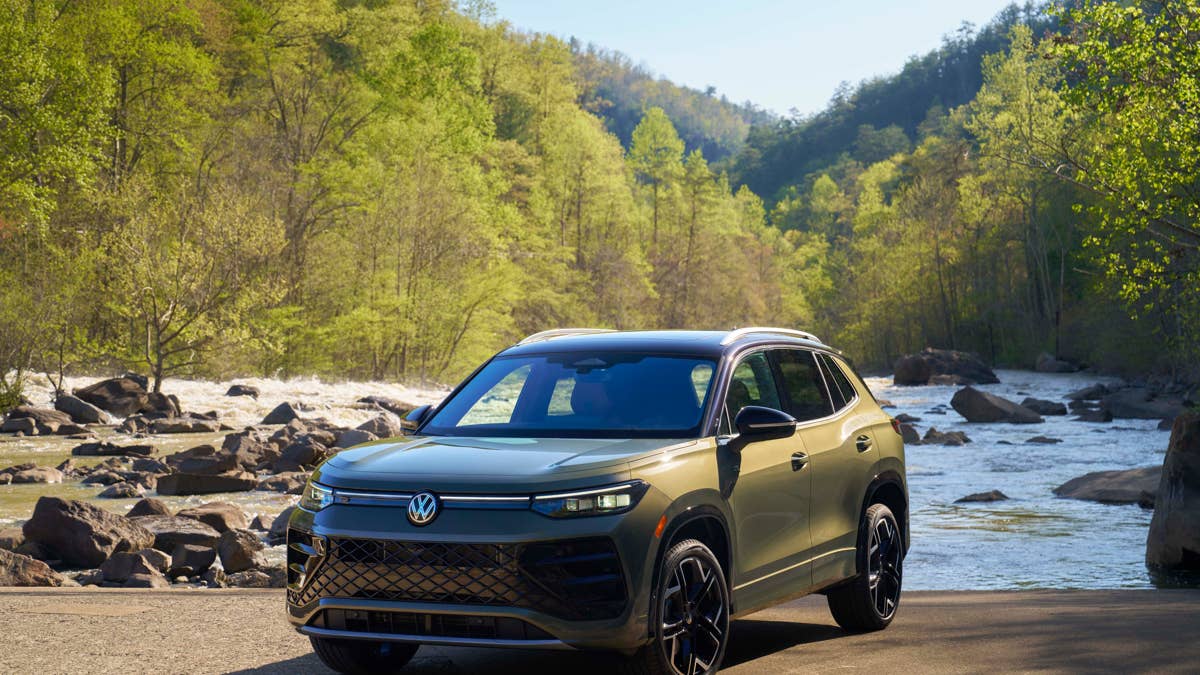
“I believe the cost of ownership effect will move the market a bit and will push the market back into sedans and hatchbacks,” says Serban Boldea, Director Product Planning at Volkswagen of America. “I don’t think we will see that shift happen immediately.”
Boldea cites other factors outside of fuel cost—such as transaction price, insurance, tires, and maintenance—to explain why consumers may shy away from SUVs and pickup trucks that are popular today.
“I think you will see an overall, not just Volkswagen, but an industry trend back into low-to-the-ground sedans and hatchbacks,” he added.
Lower Cars Make Sense
VW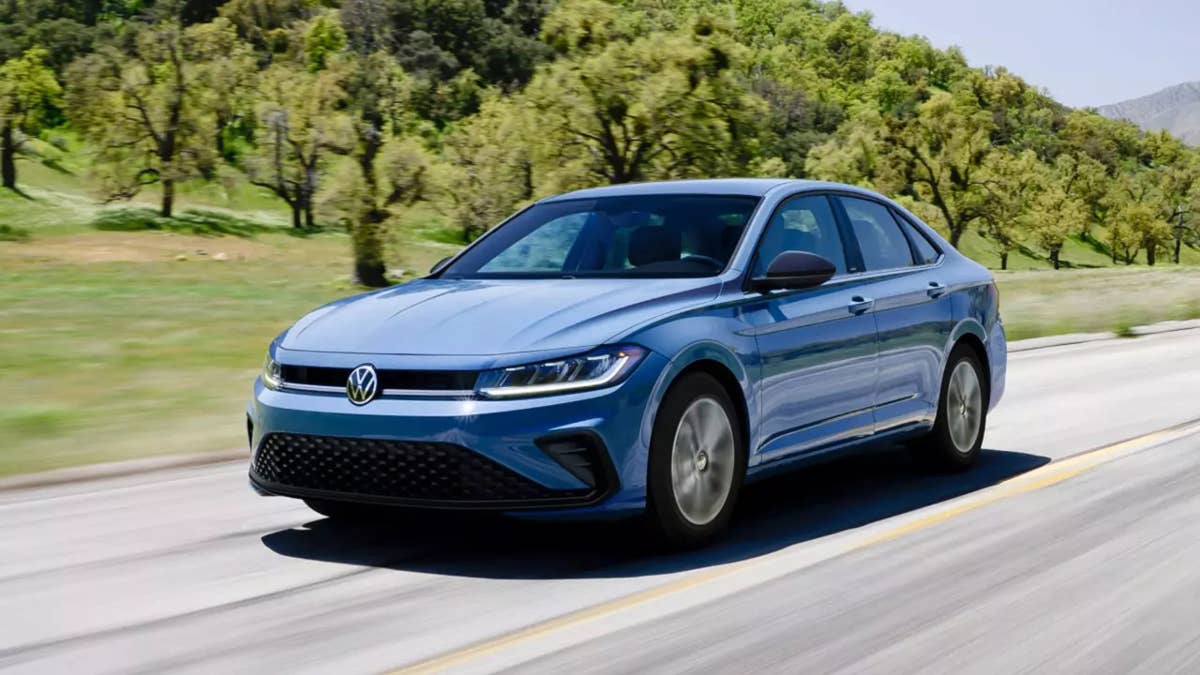
You need only look at any major automakers’ sales in the US to see that buyers prefer tall crossovers and SUVs. Just look at VW; in 2025, the German brand sold 69,943 SUVs compared to just 12,855 cars (sedans and hatchbacks). In fact, the company’s top three sellers—Tiguan (29,670 units), Atlas (16,863 units), and Taos (14,674 units)—each outsold the Jetta, Golf GTI/R, and Arteon combined.
Despite their diminishing popularity in the US market, Boldea makes the case for sedans and hatchbacks.
“Low-platform vehicles are less expensive from an overall cost of ownership for the consumer: they have better fuel economy, smaller tires, smaller brakes, all those things,” he explains. “Why is that important? Smaller tires means cheaper tires. Smaller brakes means cheaper brakes. A low vehicle is more efficient.”
Right Time For The Golf?
Volkswagen
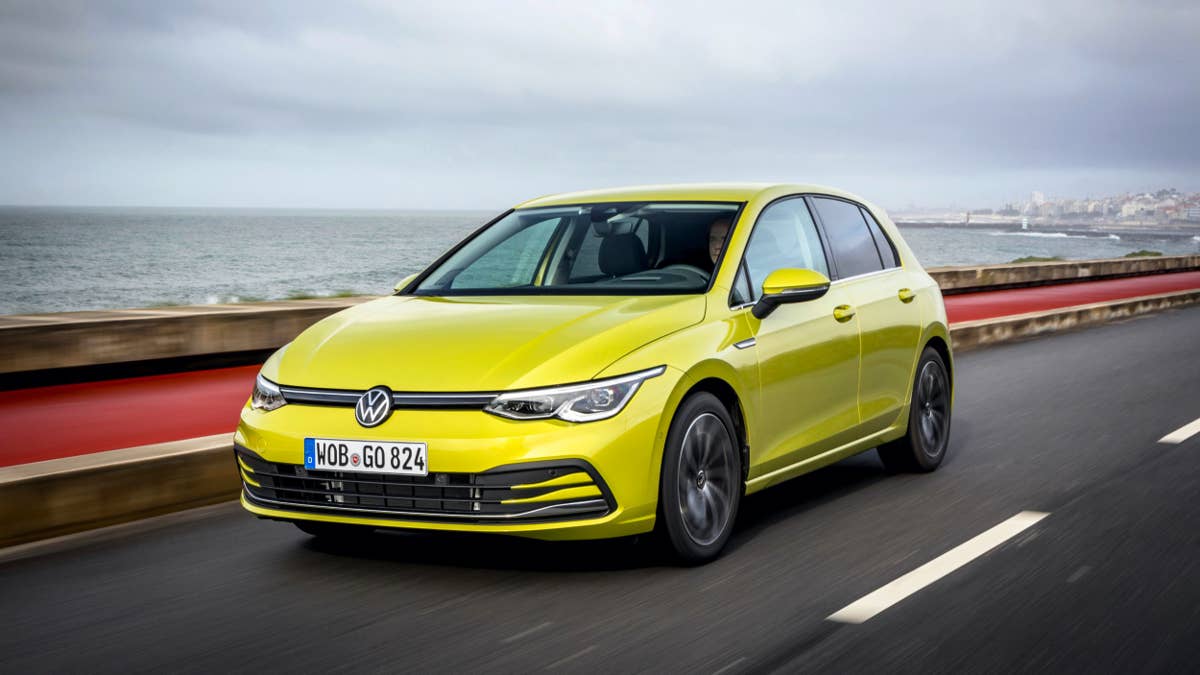
The sudden rise in gas prices could time up well with VW’s decision to move Golf production back to Mexico in 2027, having previously moved it to Germany for the Mk8 generation. That decision led VW to stop selling the base Golf in the US market, leaving only the sporty GTI and R models. The return to Mexico could open the door for the base Golf to make a comeback at an affordable price point.
“Having the entire vehicle moving back to Mexico and being within the North American region allows more flexibility,” Boldea details. “It’s here. It’s stamped for us and the body is built in the market for the market.”
Obviously, the base Golf will be less expensive than a GTI or R model, but having the vehicle built locally enables VW to spread production costs to other variants and make such a project more worthwhile. This could hint at the return of models like the Golf SportWagen and Alltrack.
“Affordability is a significantly larger problem in the market. It makes sense for us to consider can we financially, feasibly bring the entry-level vehicle off of the Golf platform if we localize it in the North American region. Can we build a derivative? We have the front crash structure, so it now makes sense to consider, but the hatchback segment is still a challenge,” he adds.