Honda’s Collision Mitigation Braking System uses cameras and sensors to hit the brakes on its own when it senses a crash coming, and, owners allege, sometimes when none exists. A jury sided with Honda earlier this year after an eight-year class action over 2017 to 2019 CR-Vs and 2018 to 2020 Accords that argued the system was flawed across a whole fleet. Now, a new case in California goes small on purpose. It centers on two cars owned by one couple, and it leans on California’s lemon law, which asks whether Honda failed to fix a problem that’s been repeatedly reported to the dealer, rather than argue whether the tech is faulty.
Over 200,000 Miles Later, One Dispute Remains
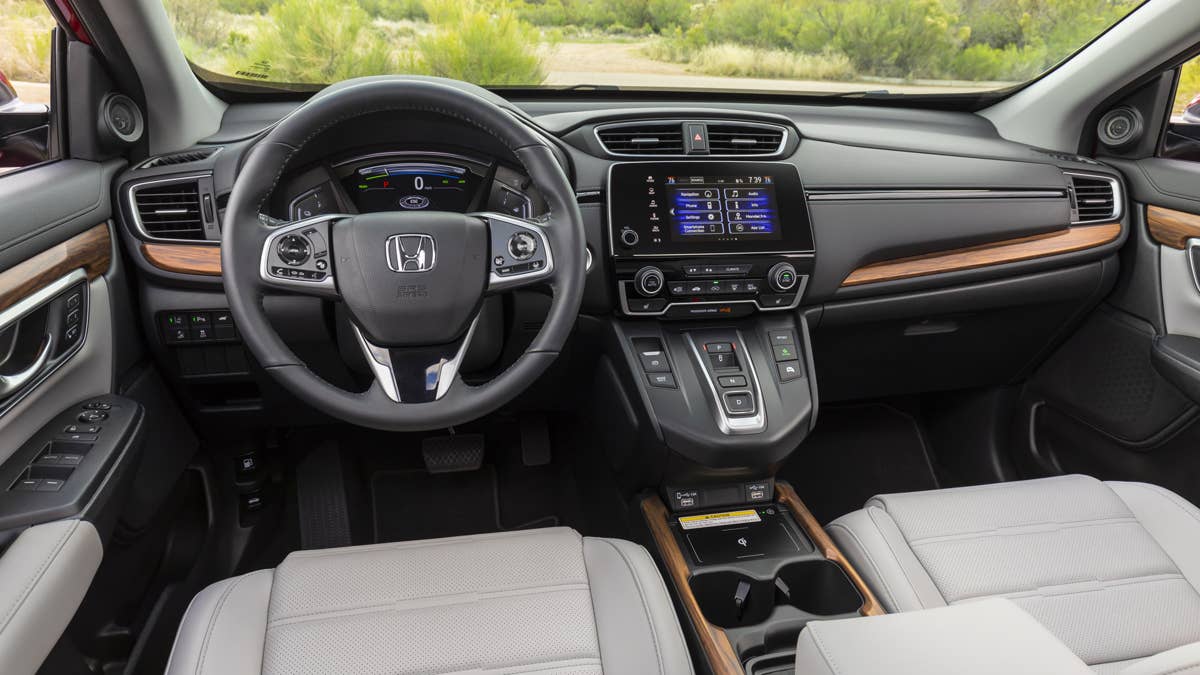
Eduardo and Celia Espinosa say the CMBS system in their 2020 CR-V and 2021 Insight braked at odd moments, and that dealers have brushed off repeated visits. According to CVN, the couple’s lawyer is accusing Honda (specifically the Honda distributor that sold the couple their cars) of violating California’s Song-Beverly Consumer Warranty Act by refusing to replace or refund their two cars with the alleged faulty braking system. Further, the lawyer says Honda hasn’t established an internal system for processing these complaints, in violation of the same lemon law in California.
Honda
The defense, on the other hand, argues that the Espinosas both drove their cars over 100,000 miles each within a six-year time frame, and they have continued to drive their cars even after filing the lawsuit, even buying the CR-V off-lease knowing it was a “lemon”. The couple insists that they didn’t know their cars came with the automated braking system, and didn’t understand how the system worked.
The Safety Tech Drivers Keep Switching Off
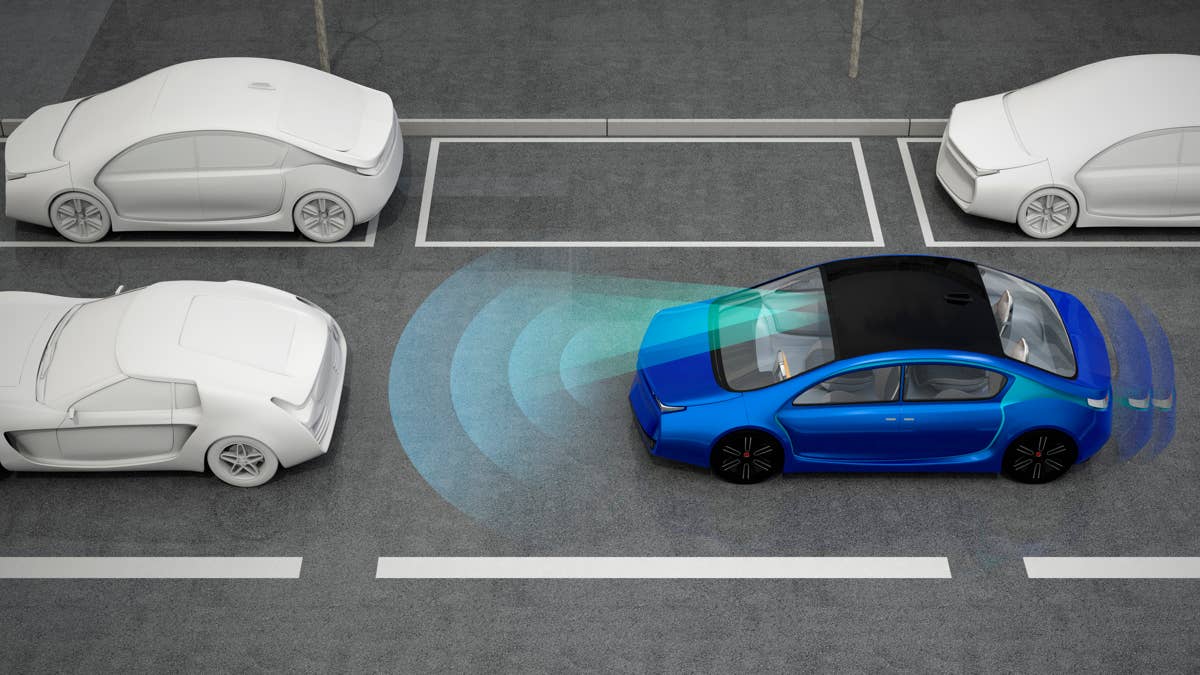
On paper, automatic emergency braking is a triumph. The IIHS has found it cuts rear-end crashes by about half. Yet the NHTSA opened a probe after 278 complaints about Honda’s system, then widened it to nearly 3 million vehicles, with 47 crashes and 93 injuries possibly linked. An Erie Insurance survey found 17 percent of drivers had turned off automatic braking, with distrust among the reasons. The irony is hard to miss. The very system that exists to prevent rear-end crashes can unwittingly cause them when the system stomps on the brakes when the driver least expects it.