No Excuses For Safety
Sometimes, car buyers are willing to put up with some compromises when it comes to the car of their choice. From time to time, we can overlook certain things, such as a lack of features, a slightly higher price, or even some quality concerns, as long as they fit our criteria.
Safety is never worth the compromise; in this day and age, there is no excuse for a car not built to be able to keep occupants safe. This is even more important for models targeted for families, and it seems Honda missed that memo with the Ridgeline.
Poor Score
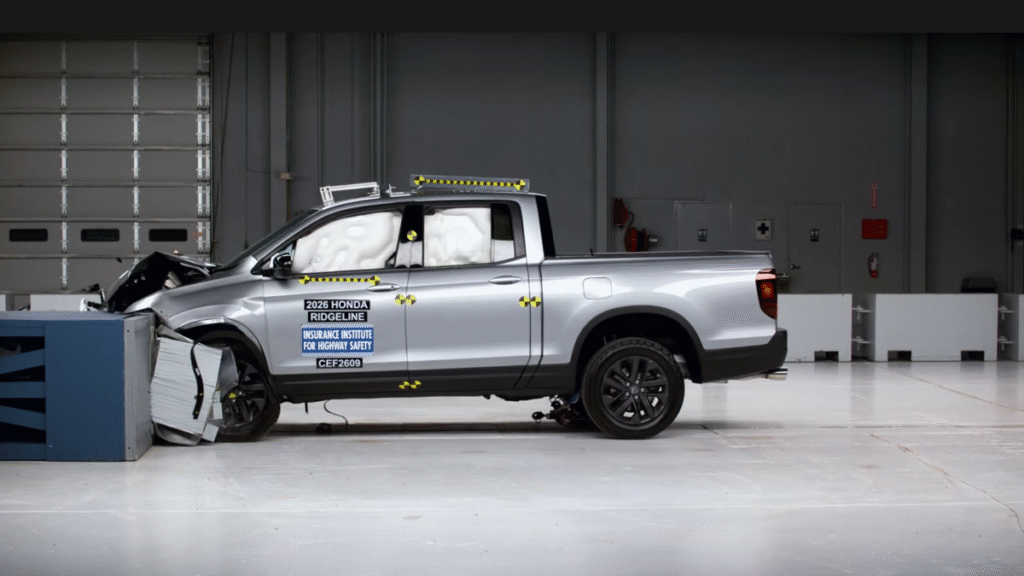
Let’s first put things into perspective. The Honda Ridgeline has been around for quite some time now. The current model has been in production and sale since 2017, receiving minor updates here and there. Also, the IIHS has just updated its crash test scoring system and criteria for 2026, making them stricter and more stringent in certain aspects of road safety.
With that out of the way, let’s look at the updated score of the Honda Ridgeline based on IIHS’s new safety test protocols. The good news is that, in the small overlap front test, the Ridgeline scored a lot of “G” or Good ratings, which also holds for side impact testing, and it even got a Moderate score for the headlights.
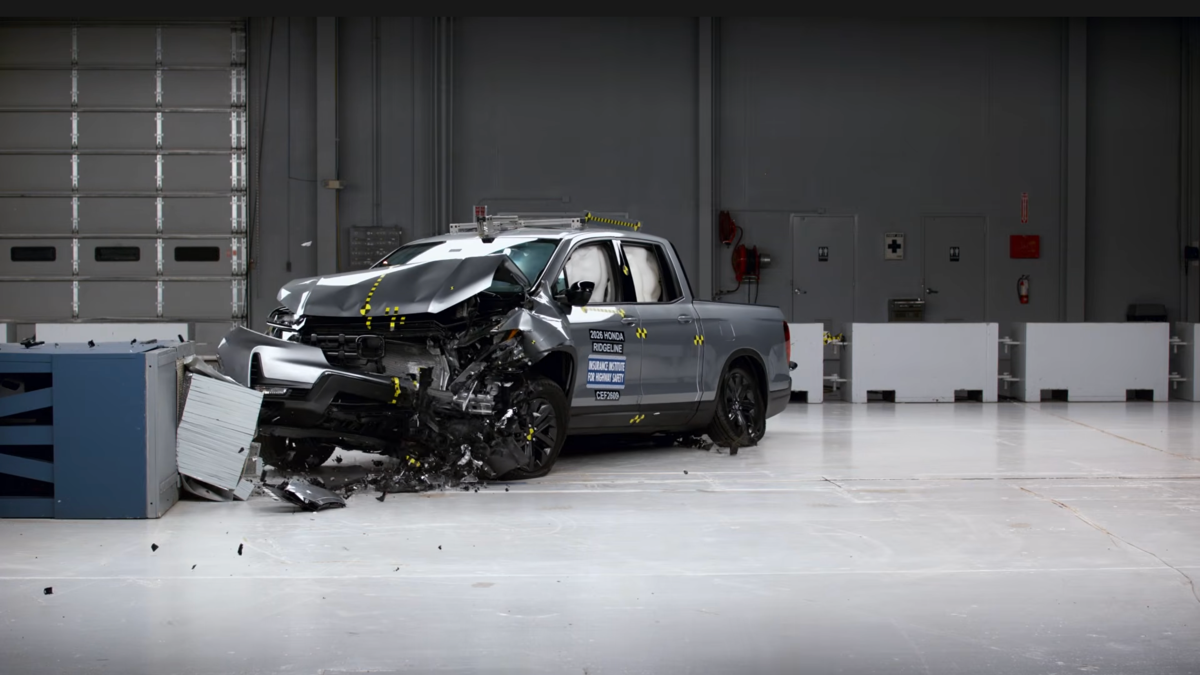
That’s basically where the positives end. When it comes to the testing of the updated Moderate Overlap Front test, things take a turn for the worse. The driver safety scores remain Good, but the rear passengers’ head and chest scores are Poor and Marginal. According to the IIHS, the Moderate Overlap Front test revealed that rear passengers have an increased chance of getting head, neck, and abdominal injuries.
YouTube/IIHS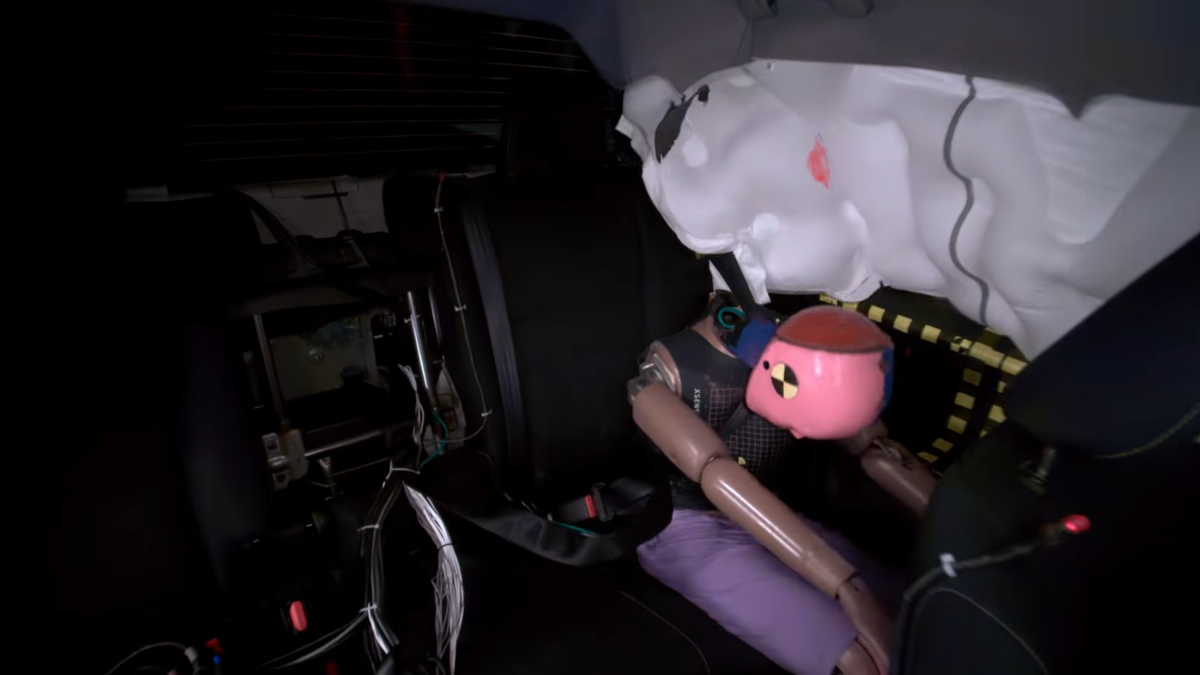
Poor Crash Prevention
Another aspect of the IIHS tests that was updated for 2026 is the crash-prevention criteria for vehicle-to-vehicle and vehicle-to-pedestrian collisions. When it comes to Front Crash Prevention, the Ridgeline’s collision mitigation system was given a score of Poor.
Even more alarming, it also scored a Poor for front crash prevention for civilians. The results show that the car failed to slow under different testing conditions, including different speeds and high-beam or low-beam usage, which could mean it probably crashed into the test dummy of a child or adult, as the IIHS tests.
YouTube/IIHS