Early ADAS
When advanced driver assistance systems (ADAS) features first became mainstream, many manufacturers jumped in and made these safety suites compulsory on most models. Some systems were more advanced than the others, but generally speaking, all performed as advertised and intended.
One issue in the early days of ADAS is the learning curve that comes with the system, especially with features that take over. Collision Mitigation Braking became a big deal for Honda, with a lawsuit filed against them claiming some models suffered from “Phantom Braking.”
Honda
Exonerated
Reported by Car Complaints, Honda has been exonerated by a jury in the trial of this class action suit. The suit itself generally focused on the brand’s ADAS system, called “Honda Sensing,” but by the time it reached trial, it narrowed to the Collision Mitigation Braking system.
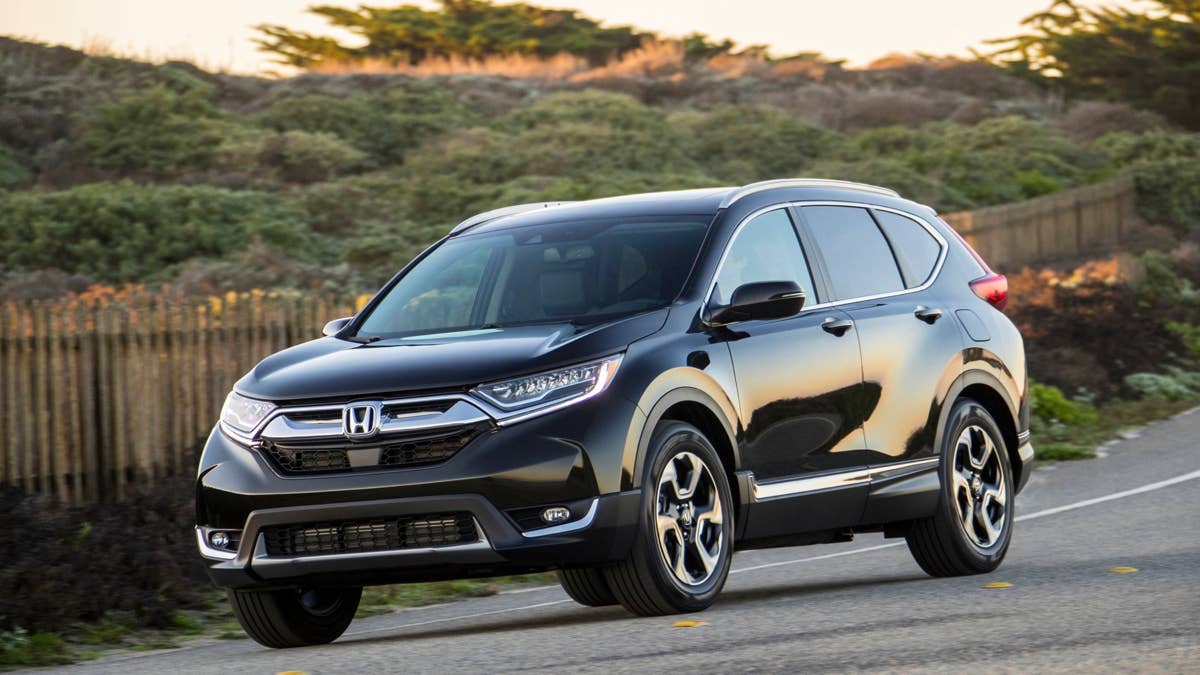
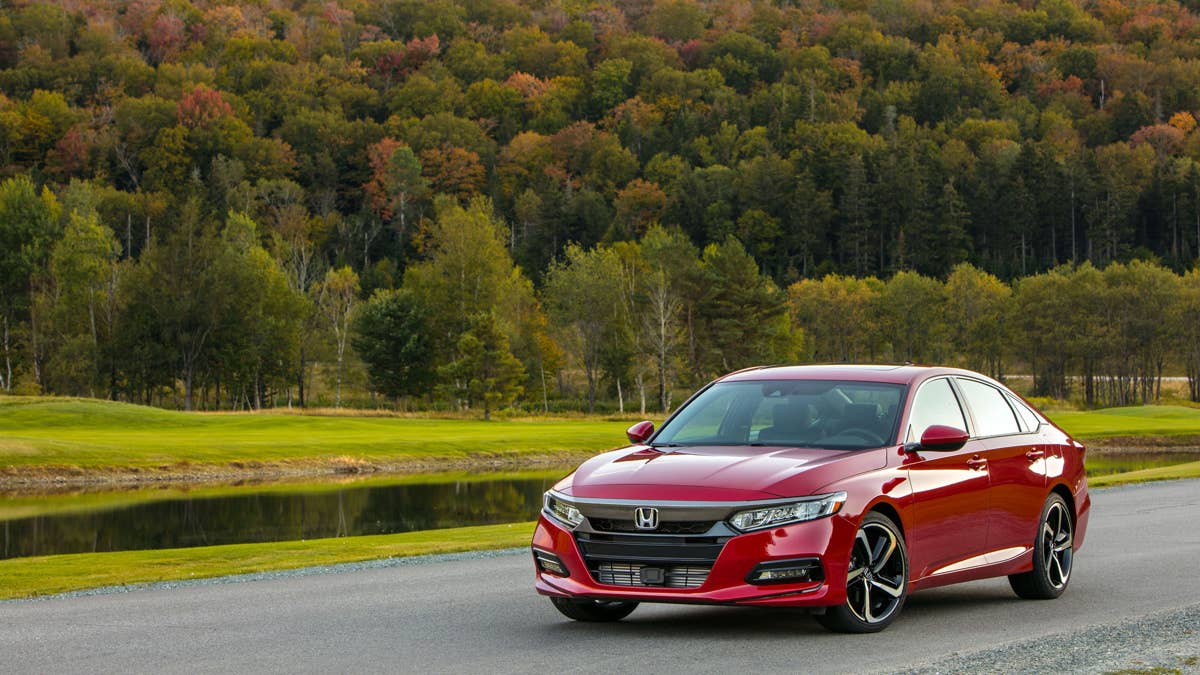
The lawsuit also narrowed the list of affected cars to two models spanning three years: the 2017-2019 Honda CR-V and the 2018-2020 Honda Accord. Another thing to note is that the class action suit only covers certain states; other nationwide claims have been dismissed.
The plaintiffs in the lawsuit claim that the Collision Mitigation Braking sometimes activates on its own, despite there being no objects in front of the vehicle; hence the “Phantom Braking” term. This can sometimes catch drivers and passengers by surprise, but Honda claims that the system is there to assist the drivers, but it isn’t perfect. The brand goes on to say that a perfect system is not possible; in fact, they argue that just because the system has problems, it doesn’t mean it’s legally defective.
Honda pleaded with the jury that, despite the system’s imperfections, it should still be able to help drivers. Also, the owner’s manual warns drivers about the numerous limitations of the automatic braking feature.
At the Push of a Button
It was also brought up by Honda that one of the plaintiffs who sued them over a faulty Honda Sensing system sold the car to CarMax without disclosing that his Honda Accord had the issue, and that he was also suing Honda.
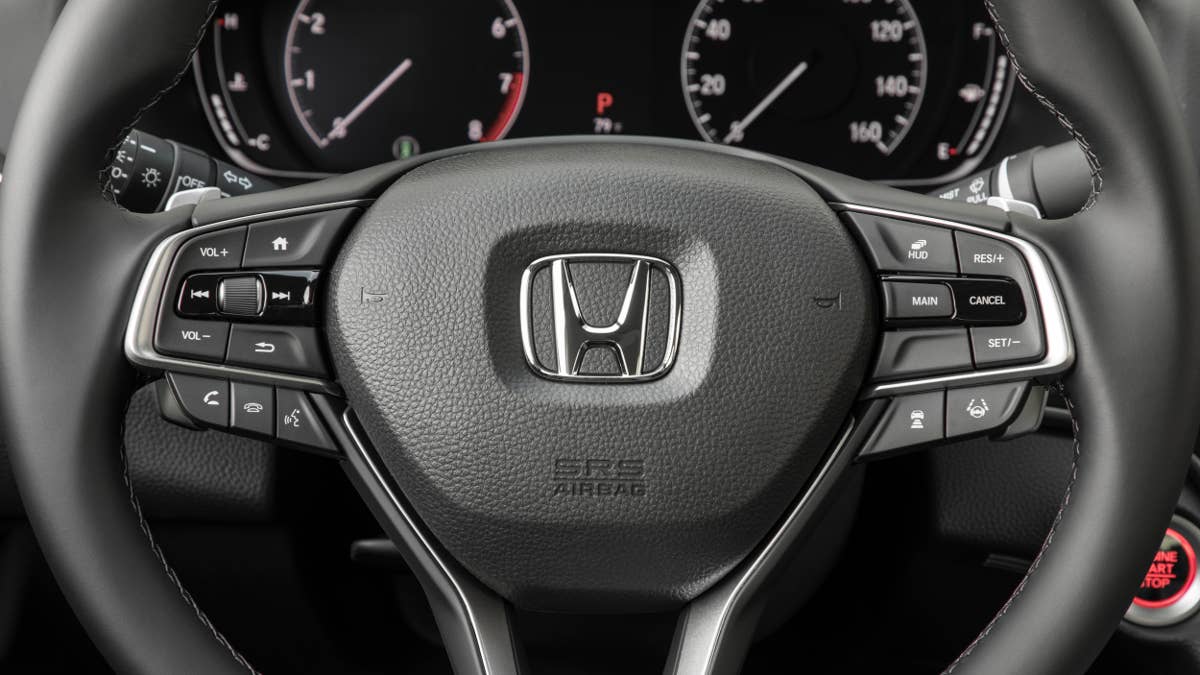
Some owners in the suit claimed that this feature caused them to stop driving their cars altogether, even though the systems can actually be turned off at the push of a button.
Honda issued a statement to Car Complaints:
“American Honda is committed to the safety and satisfaction of our customers, and we applaud the jury’s decision. During the trial, clear evidence was presented that the allegations in this lawsuit did not reflect the common real-world performance of the Collision Mitigation Braking System (CMBS) in Honda vehicles, and this result is consistent with those facts.”
Honda