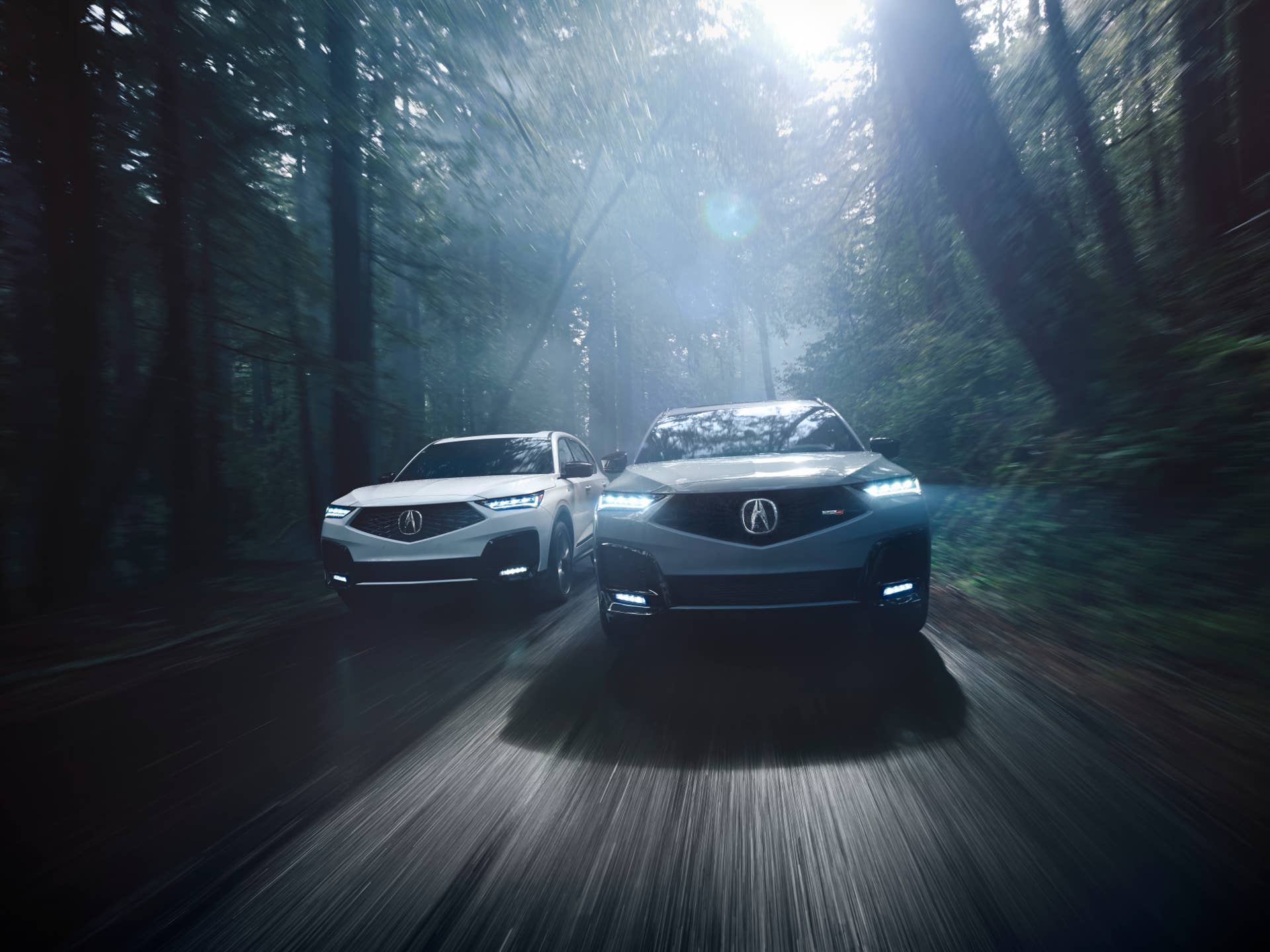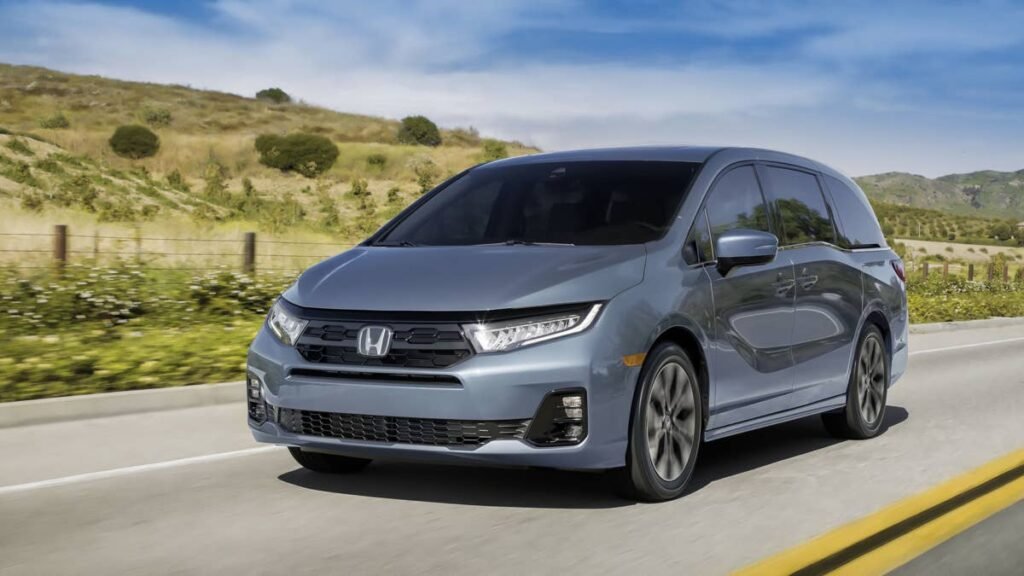
Most cars tend to be replaced by new generations every five or six years, typically with facelifts at the halfway point, but at Honda, some of its most popular nameplates will be stuck at the back of the revitalization queue much longer. According to a supplier memo seen by Automotive News, several high-volume vehicles will be living on until the end of the decade at the earliest, including the Odyssey, Accord, and HR-V. The same will reportedly be true of the Acura MDX and Integra, which will forgo next-generation updates until after 2030.
The Vehicles Honda Is Keeping on Life Support and Why
Honda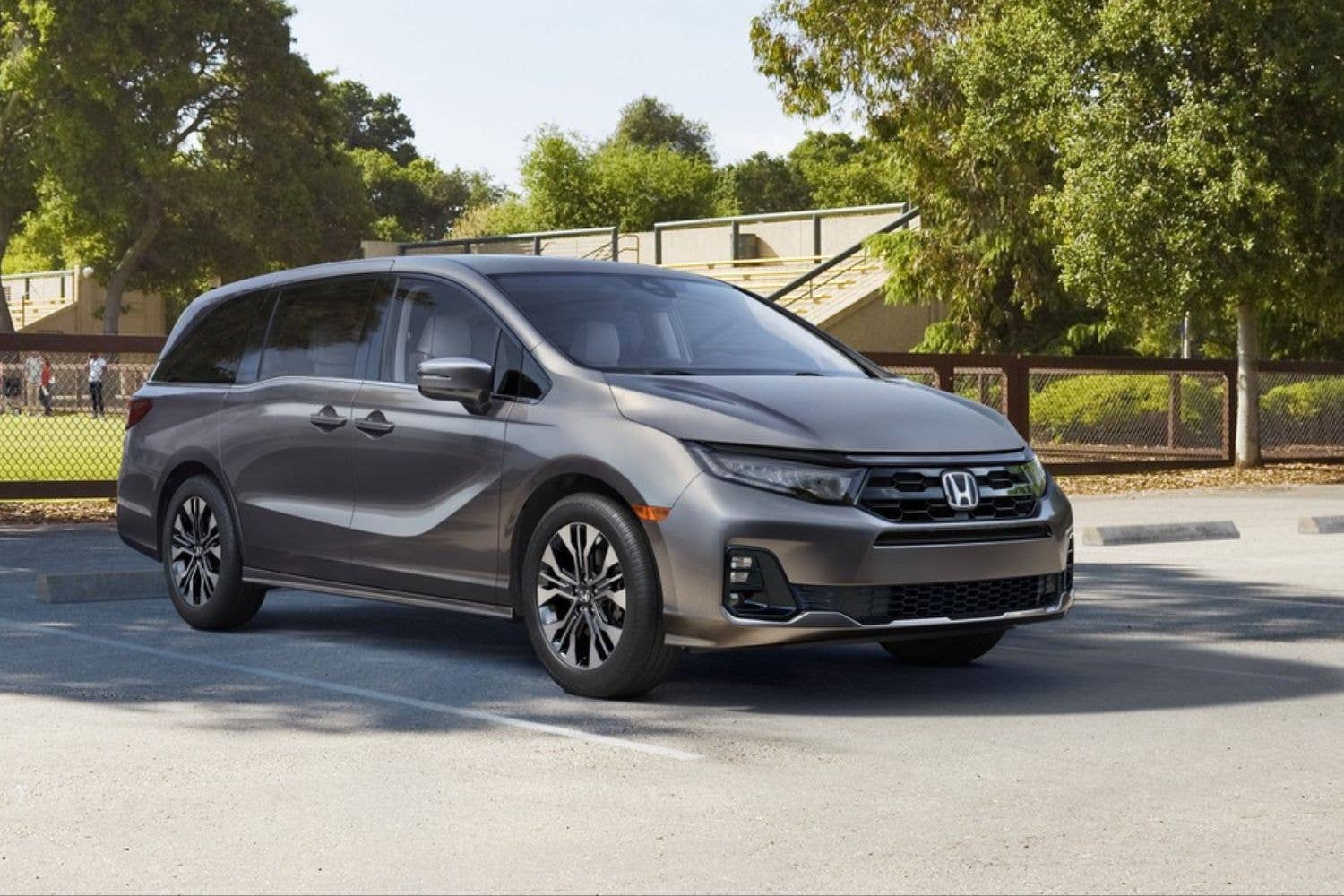
Honda had been hoping to capitalize on a shift toward all-electric power, but the market hasn’t followed Honda’s predictions and subsequent investments, leading to the automaker’s first-ever net loss. Honda has canceled three EVs for North America and instead decided to focus on hybrids, planning to launch 13 vehicles with next-gen hybrid technology from 2027. So, how does this affect the cars mentioned in the introduction? For the Odyssey, which has been updated twice since its last redesign in 2017, Honda will do little for the time being, with that new hybrid tech expected to arrive in March 2030. Honda had reportedly considered axing the Odyssey until it could launch an all-new model, but that was deemed too risky and may have led to Honda losing market share to the likes of the Toyota Sienna or Chrysler Pacifica.
Related: 2026 Honda Passport vs. 2026 Honda Pilot: 5 Major Differences
As for the Accord, this may go hybrid-only by early 2030, with the supplier memo indicating that the gas-only model will live a year longer than previously expected, through March 2030. The HR-V has also seen its production extended, but by two years, not one, with a redesign now expected by early 2032. Over at luxury arm Acura, the three-row MDX SUV will have been around for 10 years by the time a next-gen model arrives in early 2031, while the Integra sedan will get three more years of life, being produced through March 2032. Presumably, that means the Honda Civic will be mostly unchanged for the near future, too.
What Comes Next for Honda’s Big Sellers
Honda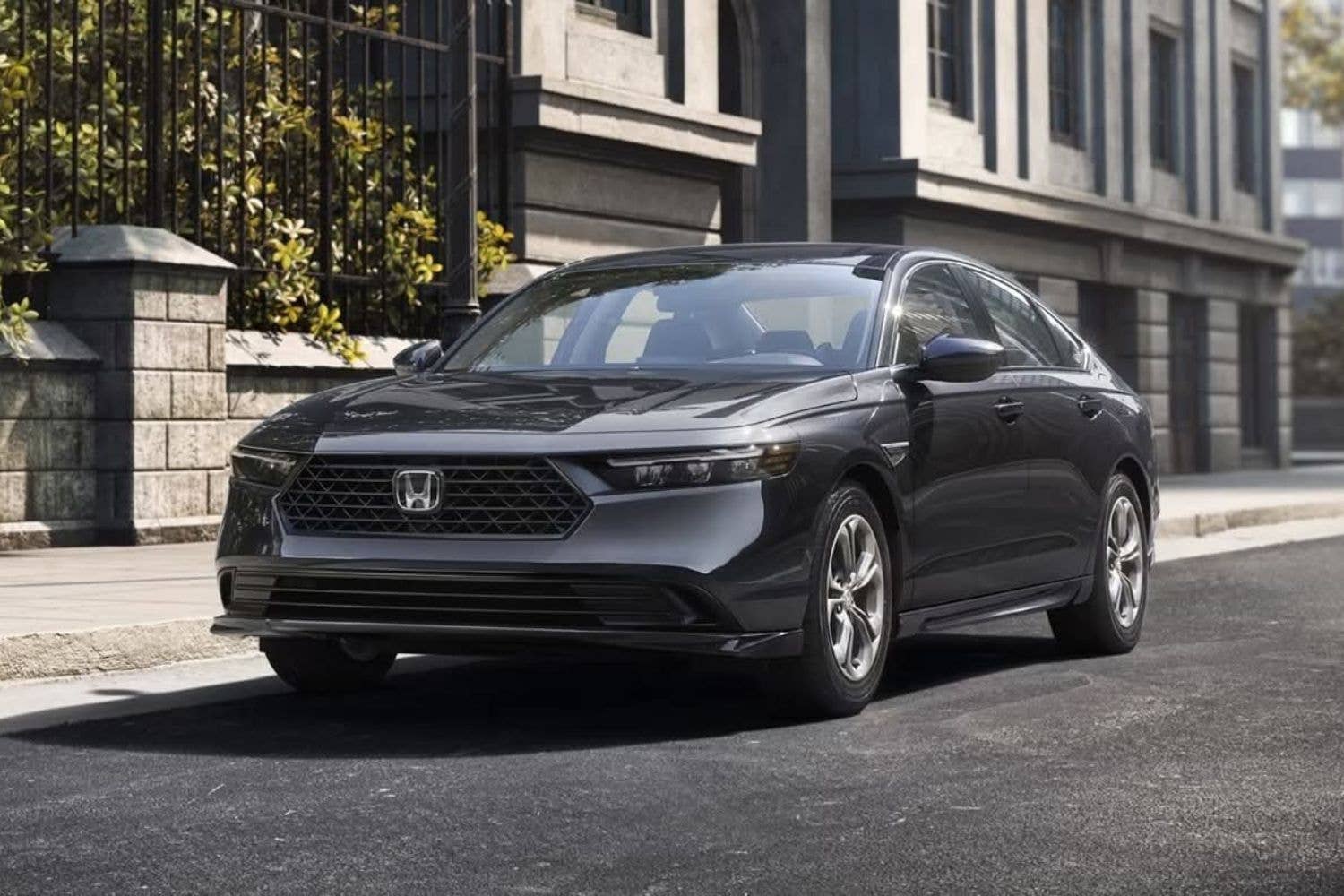
According to AutoNews, the Odyssey and Pilot will benefit from the development of a new V6 hybrid powertrain with all-wheel drive. This is expected to deliver over 30 percent better fuel economy with a 10 percent acceleration boost versus the contemporary gas-only products, but no details on the other models mentioned in the memo were revealed. The problem is that, until the new Odyssey arrives in the next four years, dealers are losing customers to the AWD Toyota Sienna simply because front-wheel drive is the only choice. For the Accord, there is at least a hybrid version to compete with the Toyota Camry, which is hybrid-only, but it, too, will be showing its age by the time a redesign happens; the 11th-generation Accord was revealed in 2022 for the 2023 model year.
Meanwhile, the third-gen HR-V has been around since 2021, though it only reached North America the following year. The Acura MDX also arrived in 2022 in its fourth generation, as did the Integra, both of which were launched for the 2023 model year. Clearly, all of Honda’s most popular vehicles are already due for revision, and Honda will likely give all of them updates within the next year or two, but will tweaks be enough to retain buyer interest?
Acura