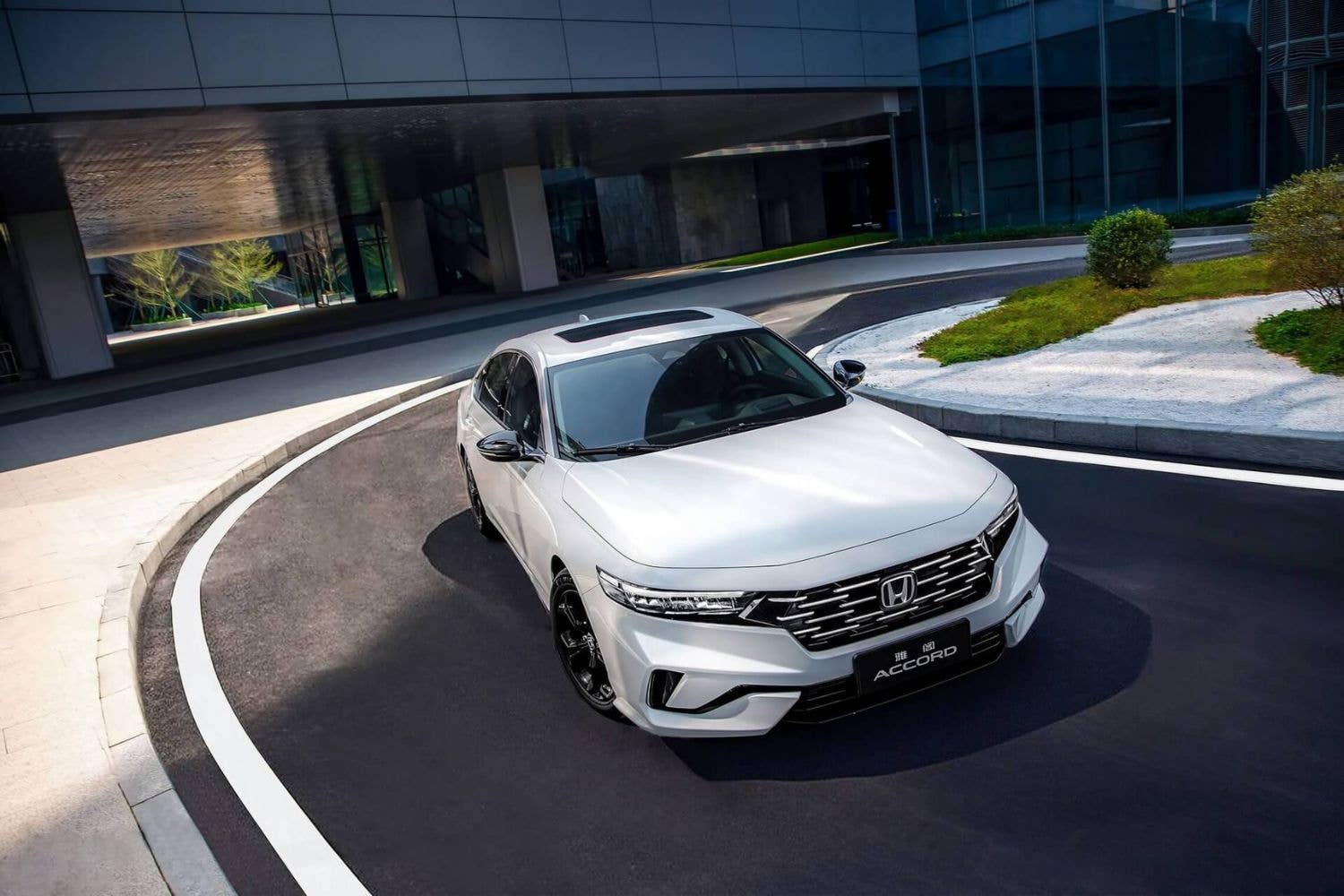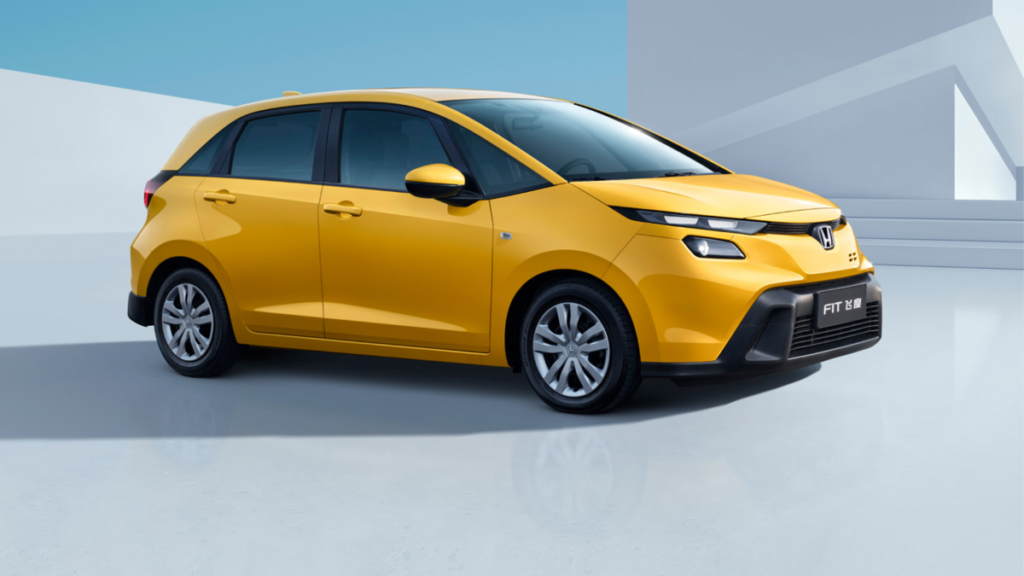
Honda is officially renewing its vows with Guangzhou Automobile Group (GAC) for another 12 years. Despite tumbling sales figures in the region as buyers overwhelmingly rush toward electrified options, the Japanese automaker is holding tight. They are locking in their joint venture until 2038 in a defiant stand to maintain their business presence and hold onto hope in China.
The timing of this announcement comes right when the Chinese auto landscape is more cutthroat than ever. By securing this long-term deal, Honda is signaling it refuses to pack up and leave the largest automotive market in the world. The brand’s recent South Korean exit proved it isn’t afraid to cut losses when sales collapse entirely, but clearly, the Chinese market is a critical battleground it is willing to fight for.
H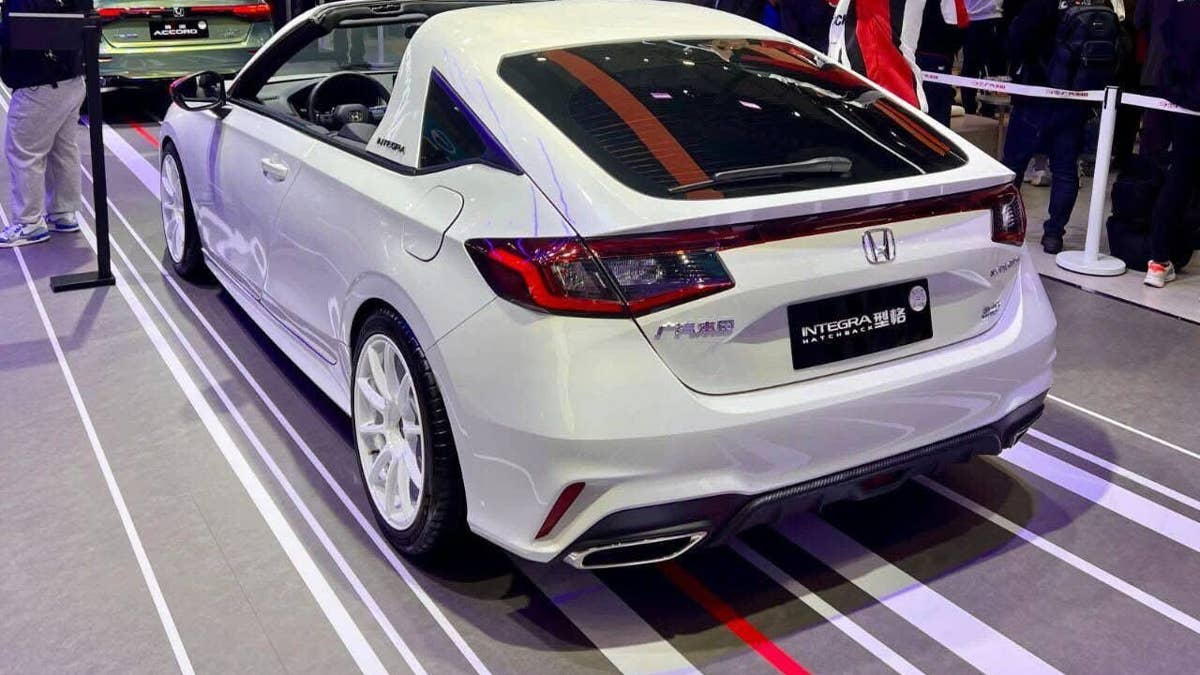
Betting Big With EV China
The new contract formally extends the GAC-Honda operational timeline through 2038. This move is a direct response to a rapidly changing landscape where legacy automakers are scrambling to hold their ground and remain relevant. With the tie-up extension, Honda is aggressively hoping to stabilize its Chinese business operations and prepare for the next decade of intense, high-stakes competition.
It is no secret that traditional brands are rapidly losing market share to domestic heavyweights who are capitalizing on the EV rush. Competitors like BYD are relentlessly dominating the sales charts, achieving massive milestones like rolling out their 100,000th vehicle from overseas plants. To fight back, Honda and GAC aim to rapidly overhaul their strategy to roll out electric models that can actually compete.
This desperate pivot requires a massive shift in how they actually design and assemble vehicles from the ground up. China’s massive auto boom is forcing Honda to drastically rethink production lines to keep costs down and development lightning fast. It is an aggressive, necessary move designed to match the breakneck pace of domestic rivals who iterate faster than traditional automakers ever thought possible.
Honda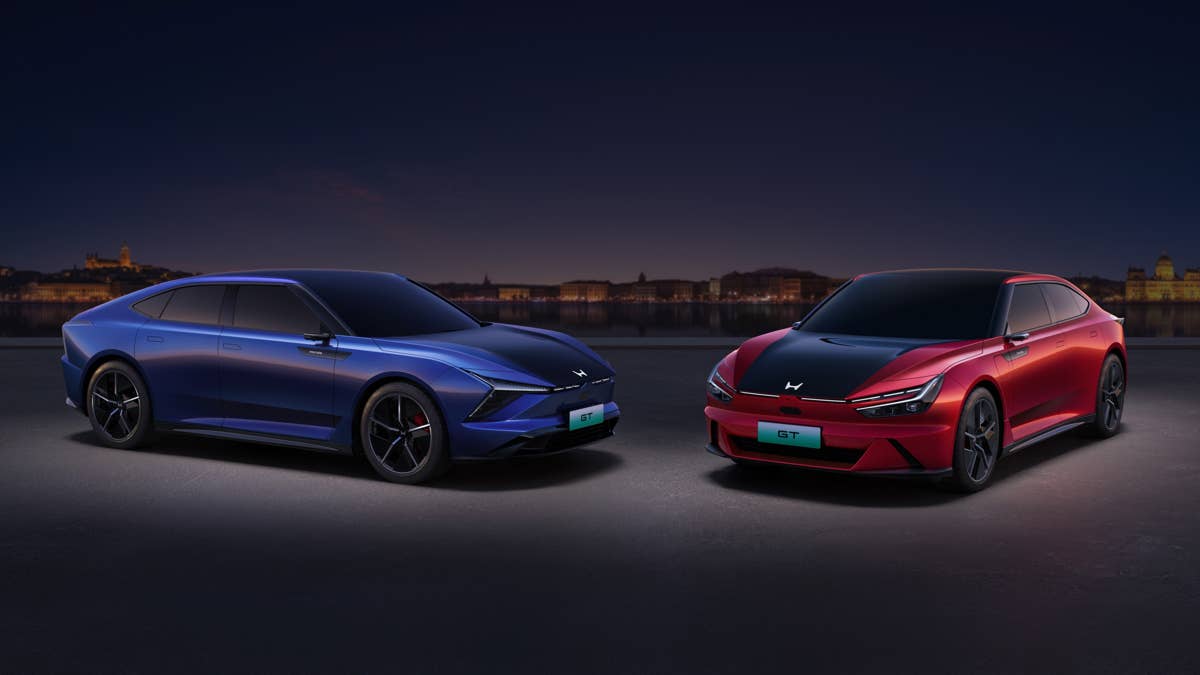
Taking a Back Seat
This extension is a necessary, but incredibly defensive play. Honda knows they simply cannot afford to lose China if they want to remain a global automotive powerhouse. However, throwing a fresh 12-year timeline at the wall doesn’t magically fix their current technology lag. They are playing a grueling game of catch-up in a race where the local leaders are already sprinting miles ahead of them.
If they actually want to survive and thrive until 2038, they need to deliver next-generation battery technology at cut-throat prices. Relying on legacy models and basic compact hatchbacks simply will not save them in a market that is currently obsessed with futuristic, heavily digitized EVs. The GAC partnership extension gives Honda the factory floor to stay in the fight, but whether they can actually throw a knockout punch remains the ultimate question.
Honda