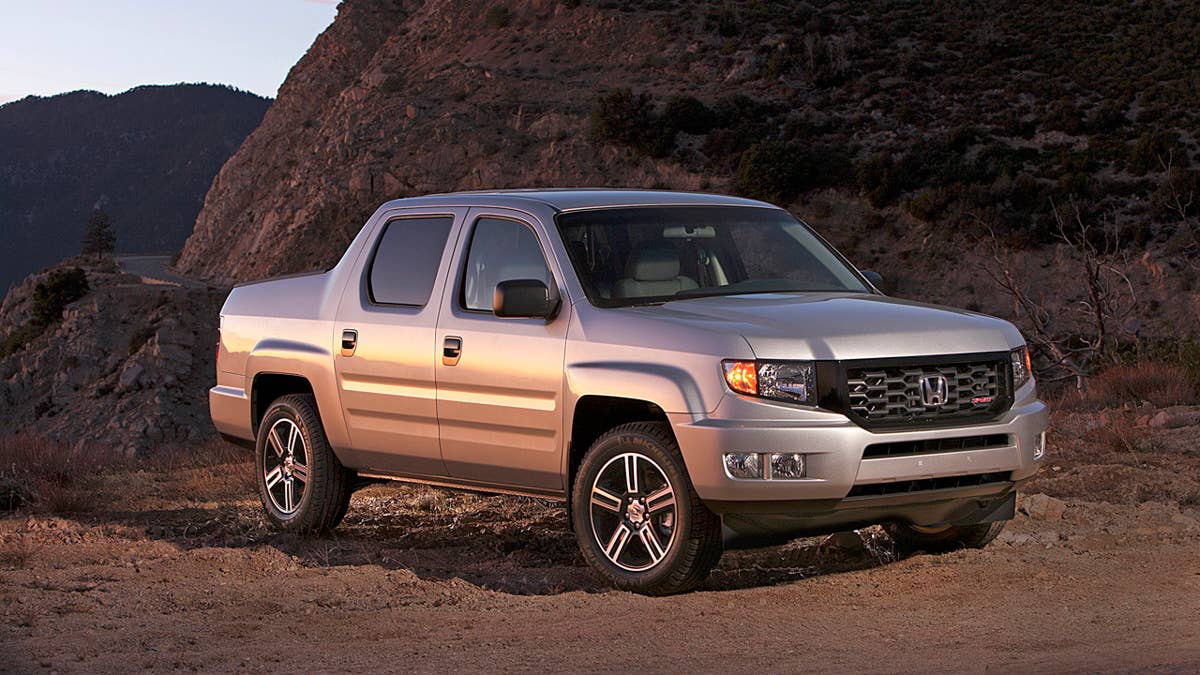
Honda will revive the Ridgeline pickup “within two years,” after pulling the current model from production late this year, the automaker confirmed, while offering a teaser image of what’s to come.
Japan’s second-largest automaker described the upcoming truck as its “third-generation” package and promised it will “prioritize features and capabilities.” It may also deliver a big boost to fuel economy, several sources indicate. A hybrid package apparently is in Ridgeline’s future, though it’s unclear if it will be available at launch.
As with the current Ridgeline, Honda confirmed the next package will again be produced at the Honda Alabama Auto Plant where the current model is assembled alongside products including the Pilot and Passport SUVs, as well as the Odyssey minivan.
Wieck
What’s New
Two months ago, Honda announced that the second-generation Ridgeline would end production late this year. The move was attributed to problems meeting strict California emissions rules with the truck’s V-6 engine. Honda was one of a handful of automakers to reach an agreement with California regulators setting tough emissions mandates. Those remain in effect even after a rollback in federal rules by the Trump administration.
The next-generation Ridgeline will not be entirely new, stressed Sam Fiorani, lead analyst with AutoForecast Solutions. “Honda’s advertising this as an all-new truck, but it’s based on the existing truck,” including its unibody architecture, though he expects it to get a significant update to both its exterior and interior design, along with plenty of new technology and other features.
New Powertrain
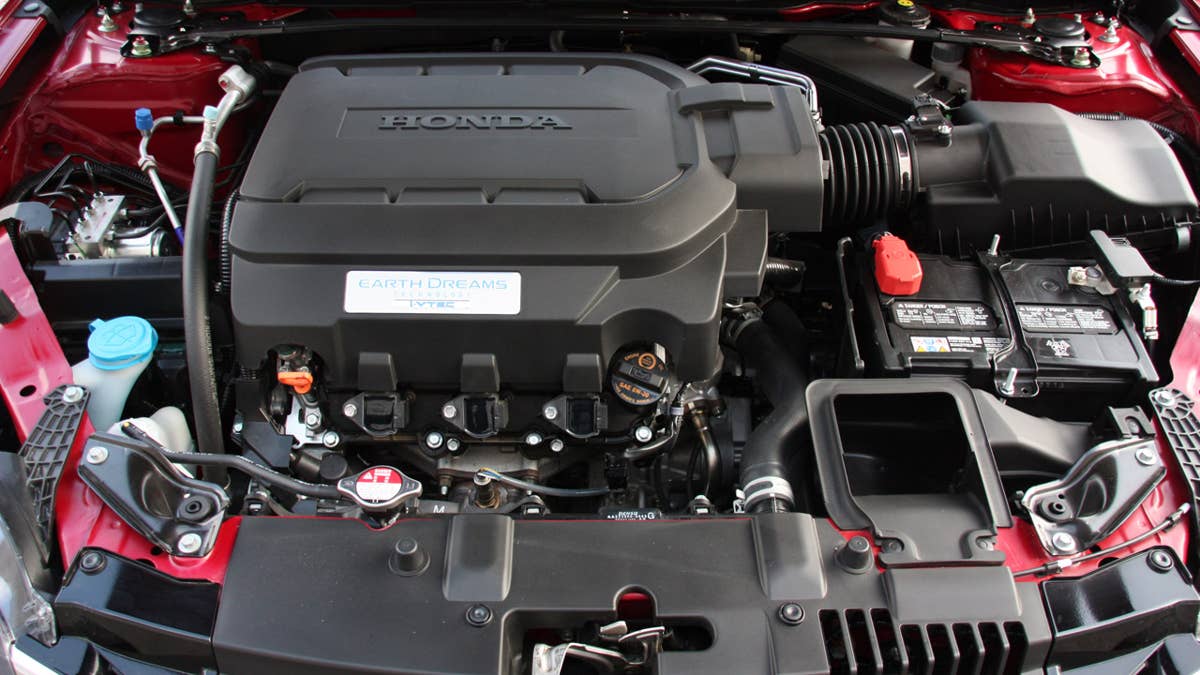
Original plans called for Honda to replace the current 3.5-liter iVTEC making 280 horsepower and 262 pound-feet of torque. Payload capacity is 1,500 lbs, with towing capacity rated at 5,000 lbs in the most capable trim package. Fuel economy is 21 mpg combined on most packages. But performance, payload and towing numbers are expected to jump with the new model.
According to internal documents put together in February, said Fiorani, the Ridgeline returning to production in 2028 was originally expected to replace the iVTEC powertrain with another internal combustion package. But plenty has changed at Honda since then. The automaker has now fully abandoned any plan to sell EVs in the U.S. until sometime after 2030. On the other hand, it will rapidly expand its use of hybrids and will now make several models, including Accord, hybrid-only.
Noting the recent shift in electrification plans, Fiorani said, “things may have changed.” Ridgeline was supposed to get a hybrid option, but not until sometime after 2030. As part of the revised electrification program, he added, Honda may move a hybrid into Ridgeline’s plan before the end of the decade.
A Troubled History
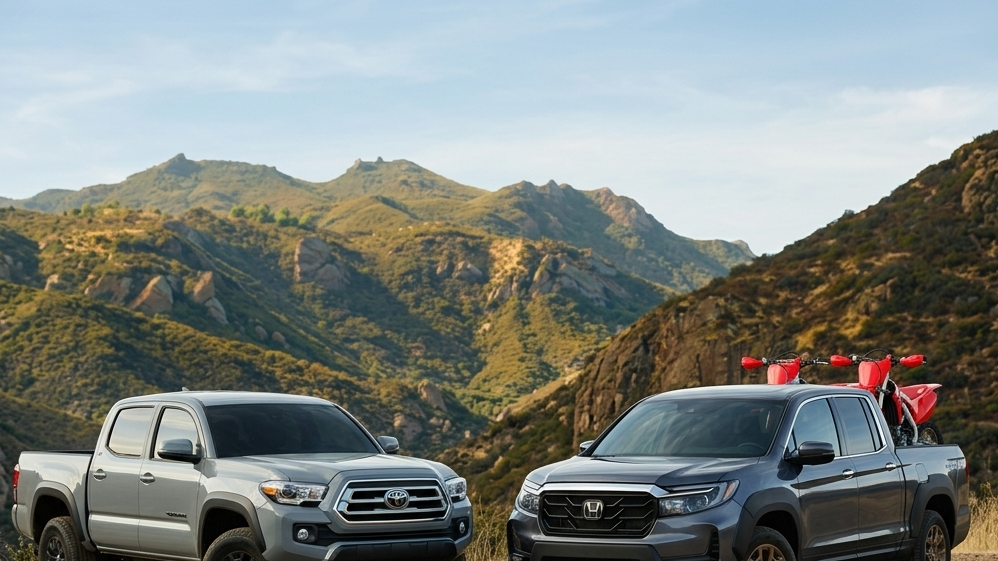
Ridgeline could use a helping hand – and considering the rapid growth of the U.S. hybrid segment – which is expected to reach more than 15% of total American sales this year – that could give the truck a much-needed boost.
Honda got into the pickup segment for the 2006 model year, at a time when a number of other players, including FiatChrysler, General Motors and Ford were dropping out – leaving the market to the Nissan Frontier and long-dominant Toyota Ridgeline. Honda bet it could win over buyers by adopting a car-like unibody architecture, rather than the harsher body-on-frame platforms used by the rest of the industry.
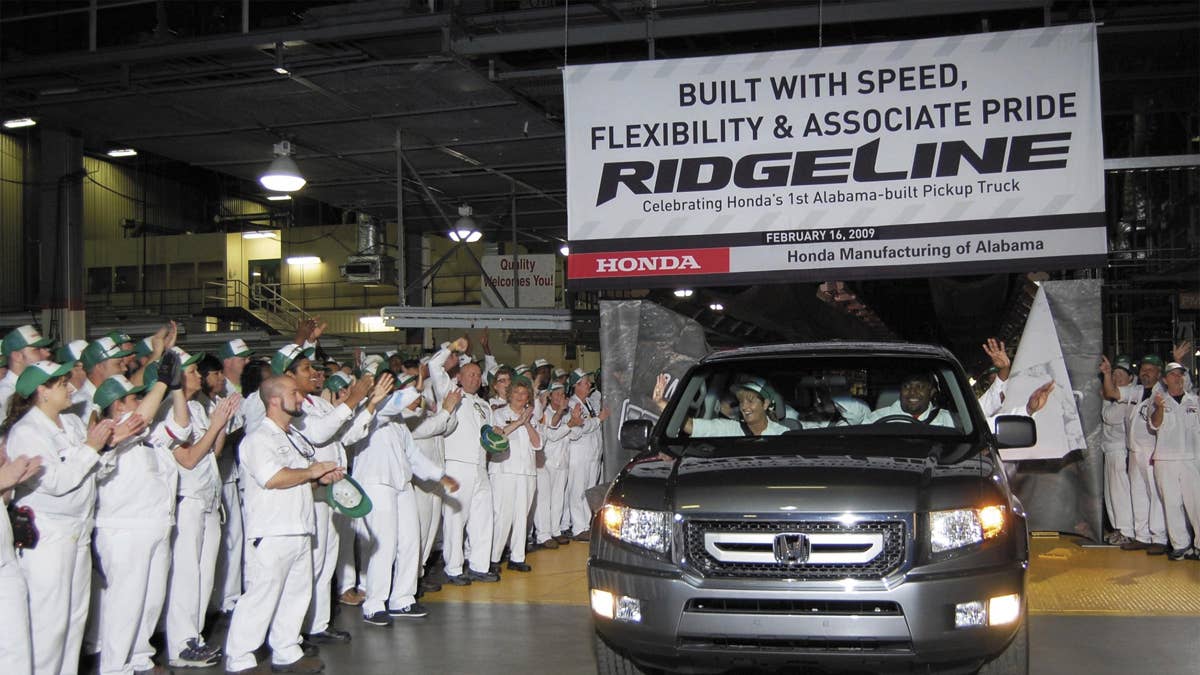
But Ridgeline failed to generate much demand. Its quirky styling was one of several factors that actually turned off buyers, forcing Honda to pull Ridgeline from production a first time in early 2015. The automaker came up with an all-new, more traditional truck redesign, launching production of the second-generation Ridgeline in June 2016 as a 2017 model. But demand for the truck has continued to fall short of expectations, dipping to 23,490 for the first half of 2026, down 3.3% from a year ago. In the current market – with Chevrolet, GMC and Ford back in showrooms – Ridgeline was second to last in terms of sales for the period, only GMC posting lower volume.