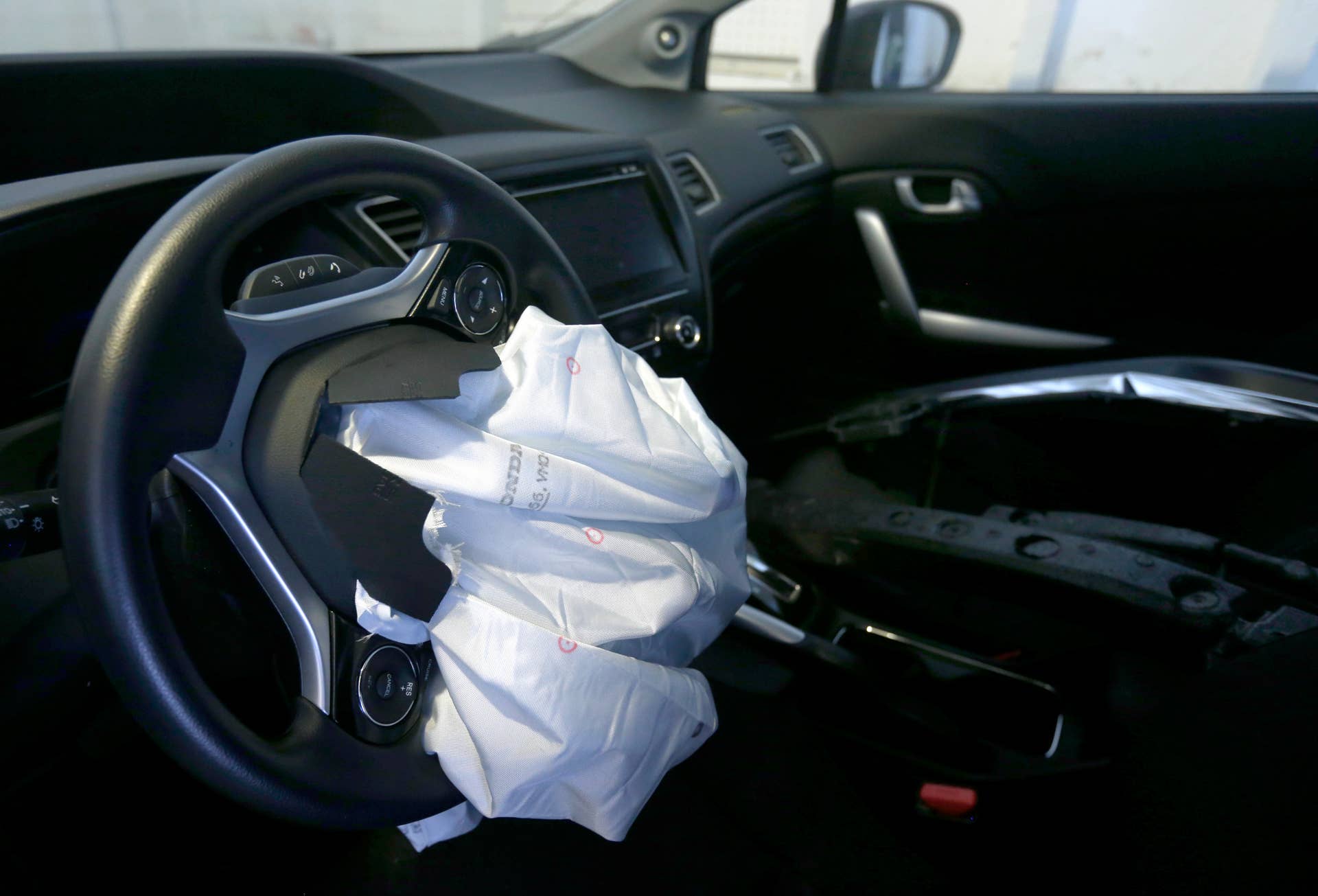
Takata’s long-running airbag nightmare continues to haunt the automotive industry, and Honda has found yet another reason to revisit the issue. The Japanese automaker has recalled another 810,000 Honda and Acura models in the US after identifying a potential safety risk involving airbag inflators, which were not part of earlier recall campaigns.
Aging Takata Airbags Raise Fresh Safety Fears
Paul Chinn/The San Francisco Chronicle via Getty Images
Honda’s long-term monitoring and analysis have revealed that the propellant inside airbag inflators may have degraded due to prolonged exposure to high humidity and temperature fluctuations. This could cause chemicals to burn way too fast during a crash, generating excessive pressure inside the inflator. Instead of deploying normally, the airbag inflator could rupture, sending metal fragments flying and potentially injuring vehicle occupants.
Fortunately, Honda says there are no injuries or fatalities reported in connection with this issue. Nevertheless, Honda isn’t taking any chances and has initiated a preventive recall to replace the potentially affected inflators free of charge.
Is Your Honda Or Acura On The Recall List?
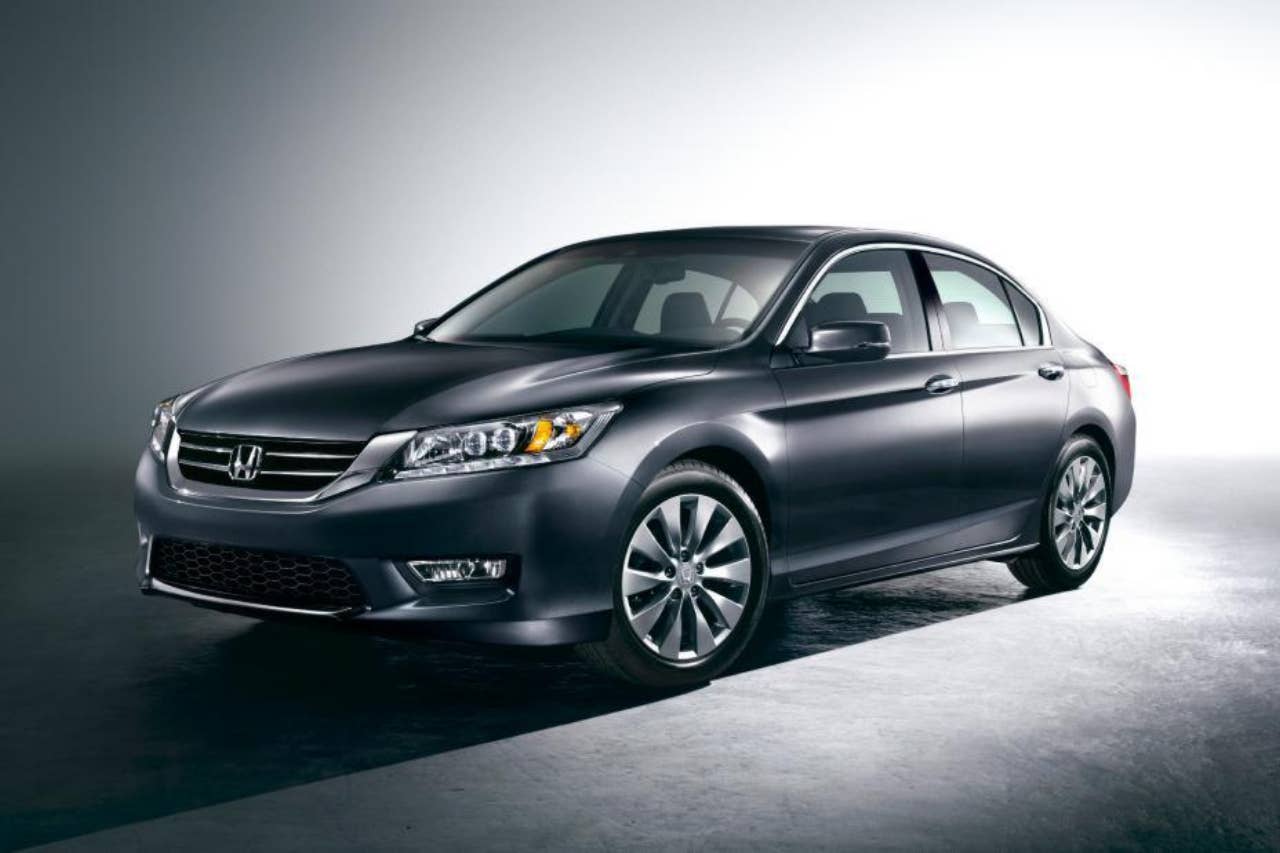
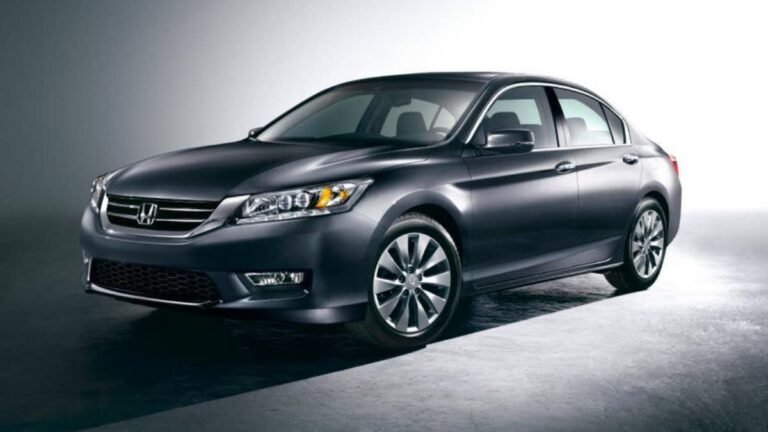
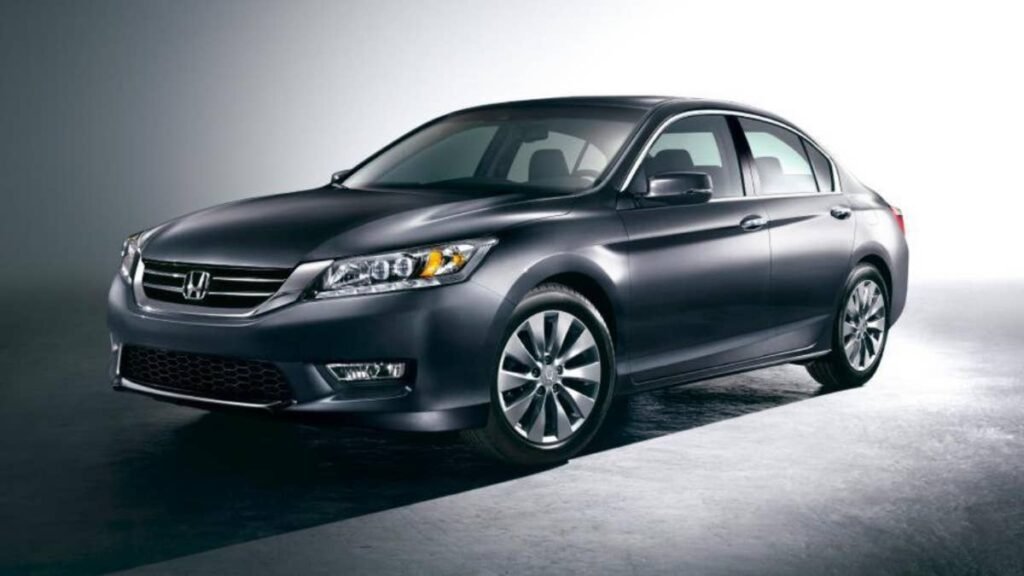
2013 Honda Accord
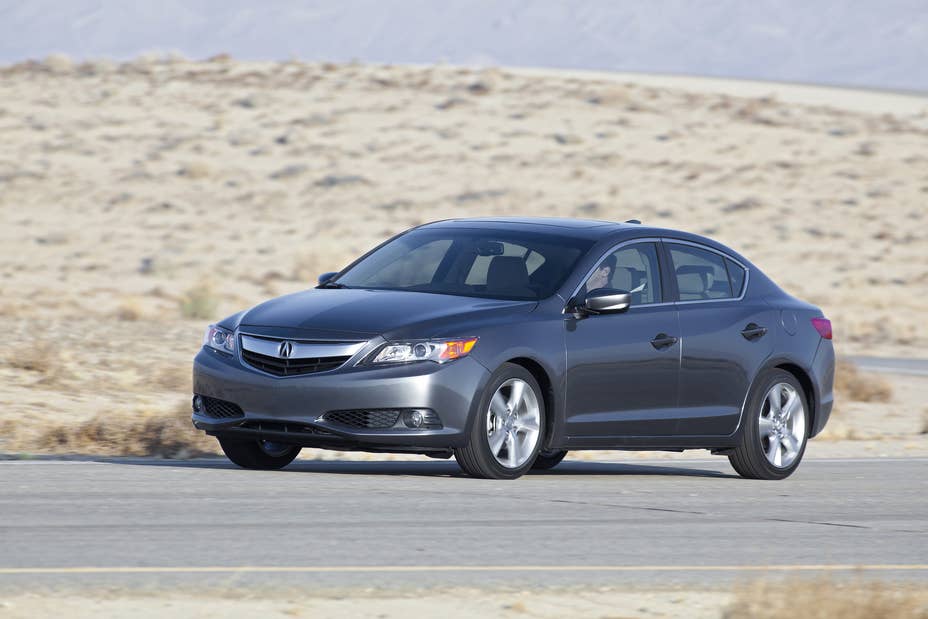
2013 Acura ILX
The recall covers several popular Honda and Acura models, including 2013 Honda Accord, 2012-2013 Honda Civic, 2012-2013 Honda CR-V, 2013 Acura ILX and 2013 Acura RDX. Honda has included vehicles associated with regions prone to high temperatures, humidity and significant temperature fluctuations: Alabama, California, Florida, Georgia, Hawaii, Louisiana, Mississippi, South Carolina, Texas, Puerto Rico, U.S. Virgin Islands, Northern Mariana Islands (Saipan), Guam, and American Samoa.
Own One Of These Cars? Here’s What You Should Do
If you own any of these Honda or Acura cars made between 2012 and 2013, belonging to regions listed above, you should check whether it is eligible for the recall. You can do so by visiting www.recalls.honda.com and www.recalls.acura.com or by calling (888) 234-2138. Honda has also said that a notification will be issued to owners of affected vehicles in December 2026.