Much like other automakers, Mazda is navigating one of the trickiest periods in its U.S. history. Despite having more sales than ever, tariffs on imported vehicles have forced the Japanese brand to rethink its lineup, pricing, and production strategies. Mazda projects tariffs will cost $1.58 billion in the fiscal year ending March. To stay afloat, the company is cutting imports of smaller, less-profitable models and focusing on larger SUVs that deliver bigger margins.
Tariffs Take a Toll
Around 80% of Mazda vehicles sold in the U.S. are imported from Japan or Mexico. Even with the recent drop in Japanese auto tariffs from 27.5% to 15%, the cost burden is still heavy. Mazda hopes to trim tariff-related losses to about $1 billion by adjusting its import mix and boosting U.S. plant production. CEO Masahiro Moro called these moves “intentional adjustments” aimed at keeping the brand profitable and competitive. Mazda isn’t alone in facing this challenge. Honda, Subaru, and Nissan all rely heavily on imports and are feeling the pinch. Tariffs force automakers to invest in local production, prioritize higher-margin models, or just absorb the costs. It’s a delicate balancing act – easier said than done.
Kyle Edward
Bigger SUVs, Bigger Profits
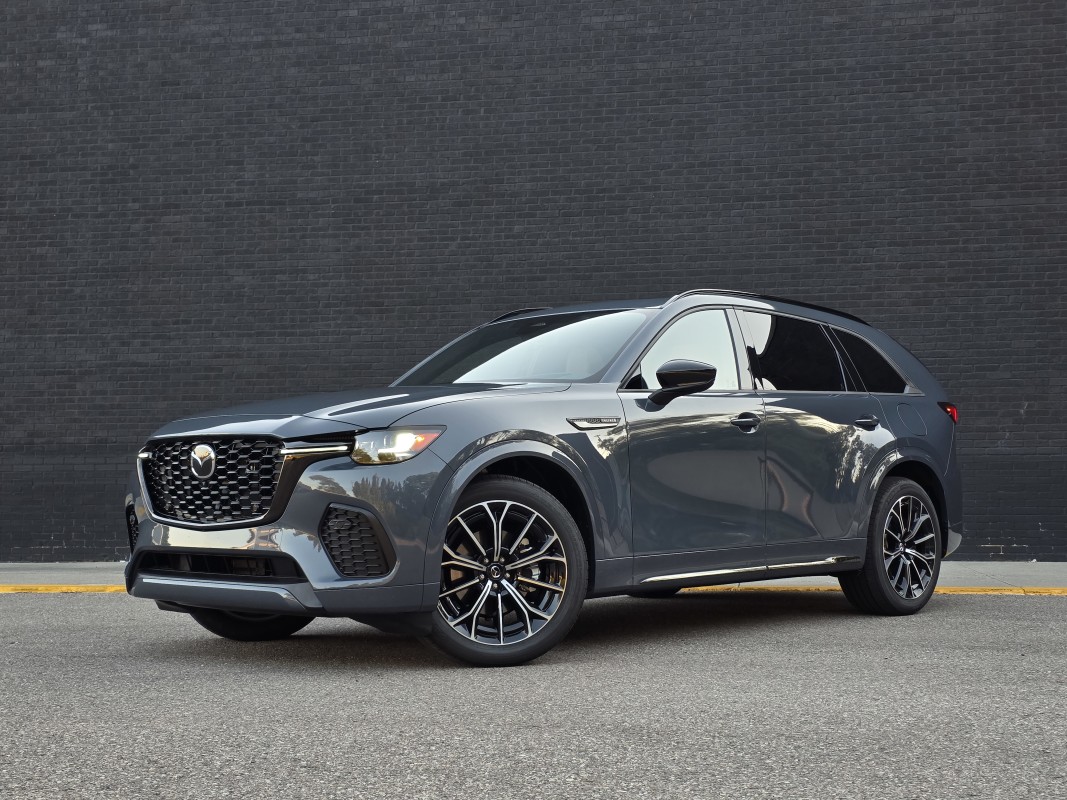
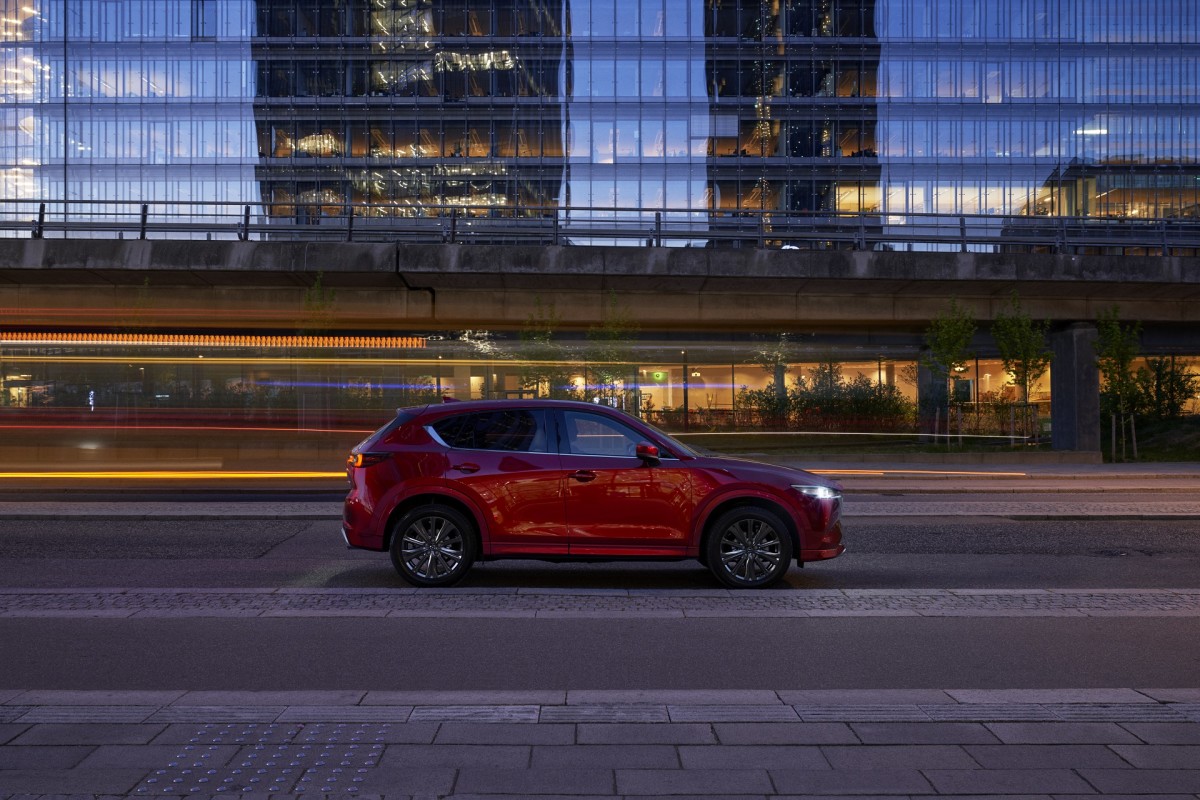
Smaller models like the Mazda3 and CX-30 are seeing steep declines, down 37% and 40% respectively. Meanwhile, larger SUVs like the CX-70 and CX-90 are on the rise, climbing 21% and 13%. Beyond volume, the profitability gap is striking: larger models like the new CX-5 offer roughly twice the profit per vehicle. This isn’t just a Mazda-specific trend. Across the board, American consumers are gravitating toward SUVs, and other import-heavy automakers are shifting their strategies accordingly
Mazda
Maneuvering Tariffs From Here on Out
While tariffs on Japanese imports have been lowered, not all automakers have the resources to shift production to the U.S. Take Honda, for example, has to source batteries from Toyota’s North Carolina plant to sidestep tariff hurdles. European brands face an even tougher challenge, with tariffs still at 27.5%; Mercedes-Benz has already reported $420 million in costs due to these duties. Mazda, by contrast, appears to have found a strategy that benefits both the company and U.S. consumers. Let’s hope other key brands find similar ways to keep their heads above water.