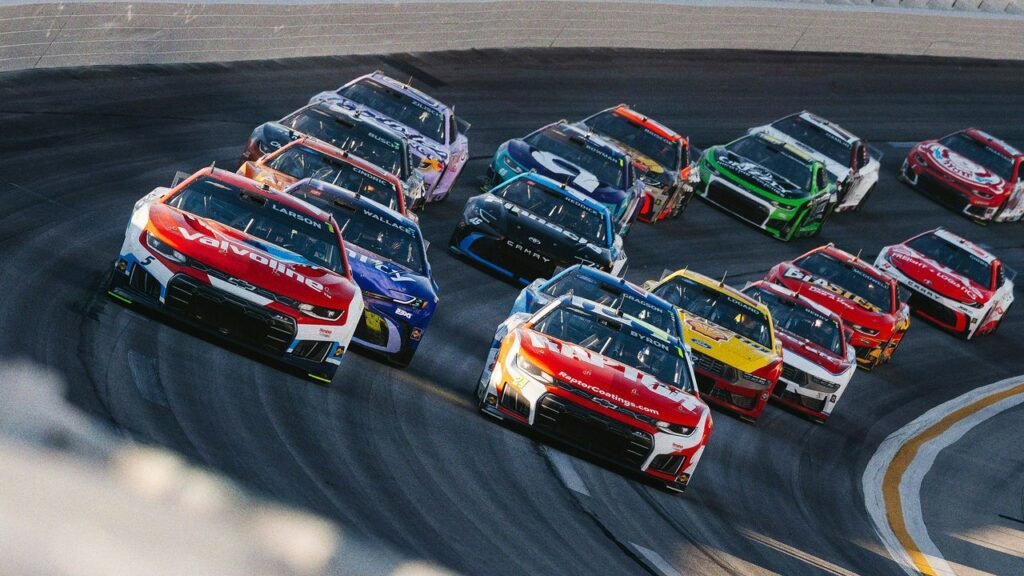
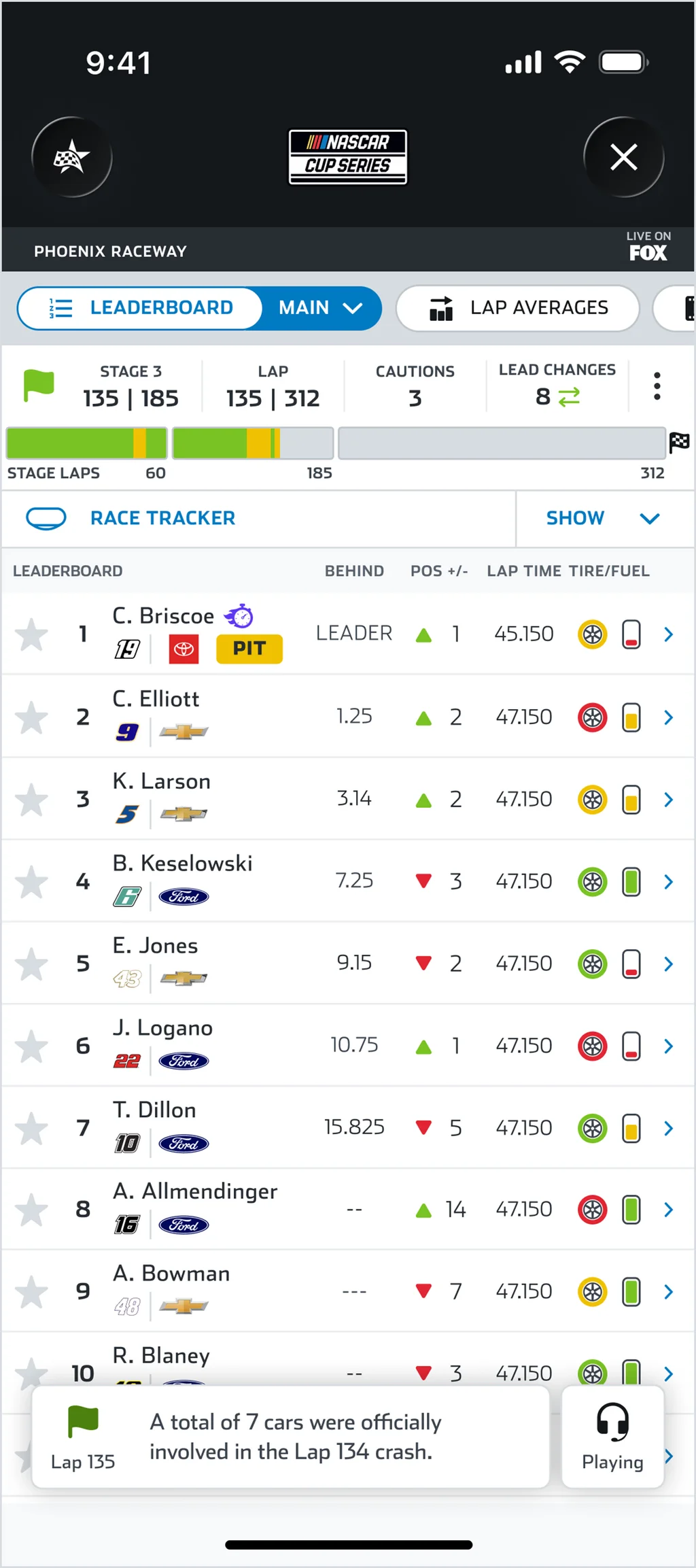
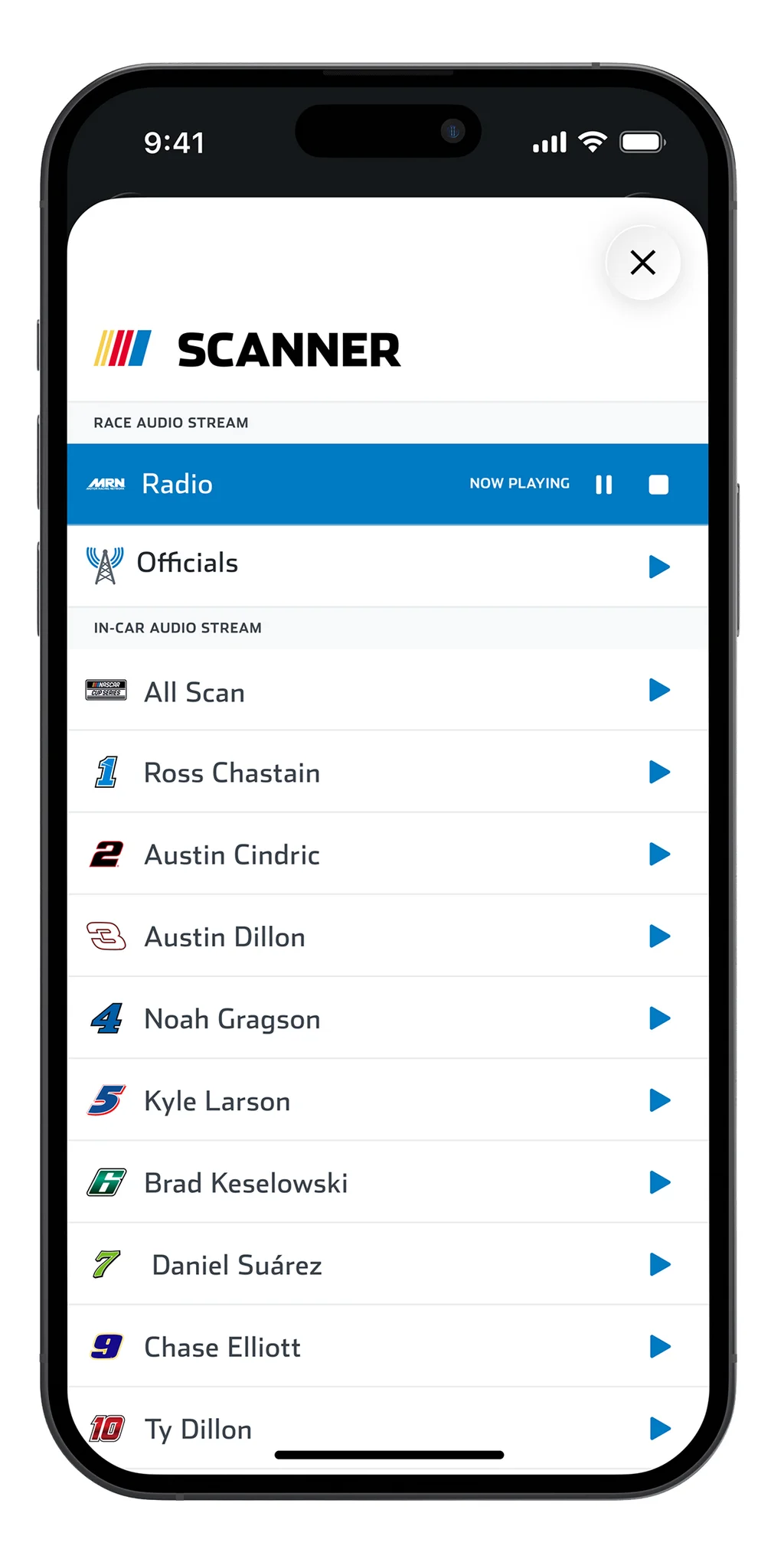
NASCAR fans today can do more to follow a live race than simply watch it on TV. Official NASCAR apps make live data, including telemetry feeds from race cars and behind-the-scenes driver audio communications, available to premium subscribers as races take place.
Getting all of that to work during races historically required a lot of careful human labor. If someone failed to toggle the right setting, for instance, driver audio feeds could stay mute, disappointing fans. And across NASCAR’s three-day race weekends, those tasks could number in the hundreds, ensuring fans get the latest data on everything from the shifting positions of cars to what services vehicles received during pit stops.
“There are hundreds of points of data that’s coming off of each of the cars that manifest onto this live leaderboard product,” says Tim Clark, executive vice president and chief brand officer at NASCAR.
Artificial intelligence, deployed through NASCAR’s longstanding partnership with the sports tech company Next League, has made getting that data to fans dramatically simpler. AI tools, and code written with their help, have automated much of the work needed to keep those apps filled with the data fans want. Roughly 90% of such tasks have now been automated, according to NASCAR and Next League.
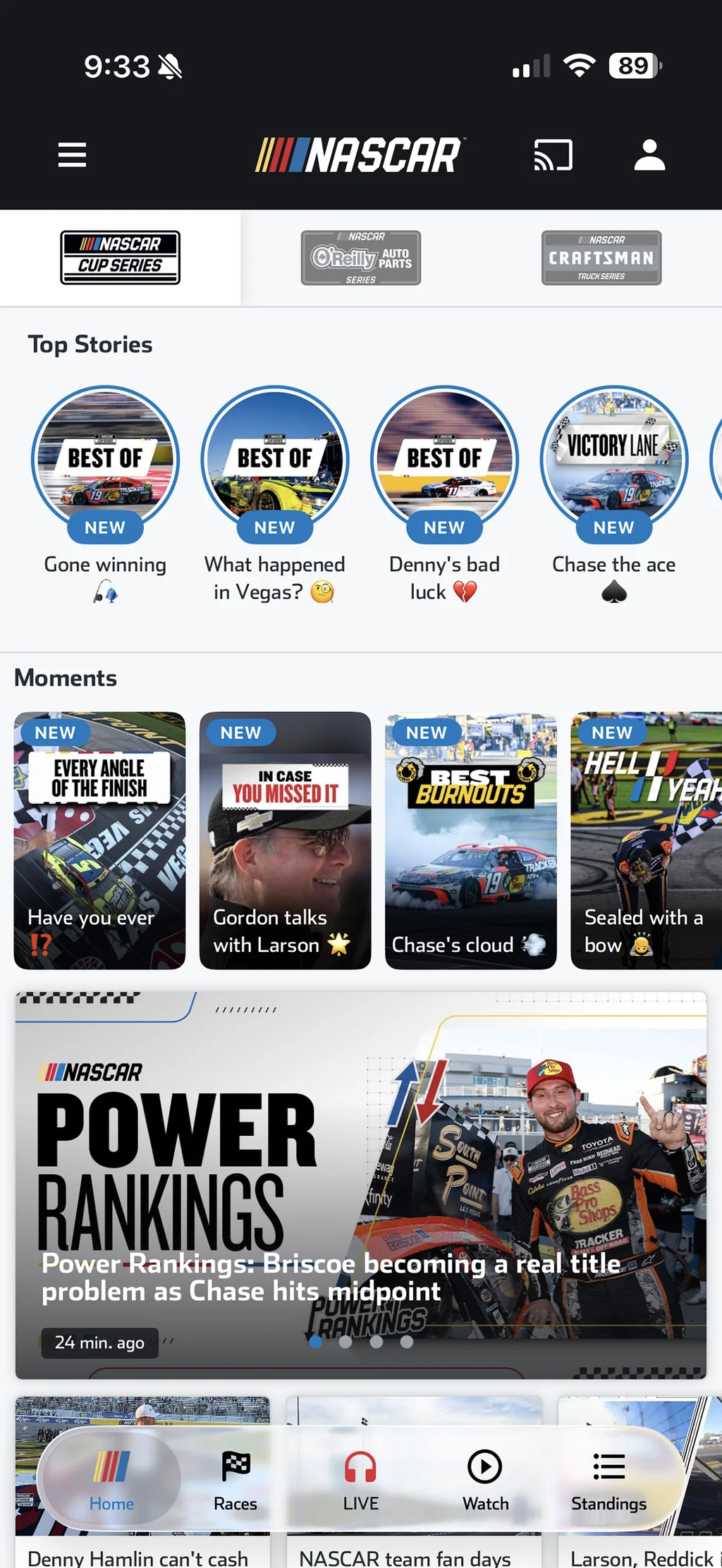
“Over time, those things have been built in such a way where manual control of those things, depending on the state of the event at any given time, was imperative,” says Next League’s cofounder and CEO, David Nugent. “And now, it’s just not.”
AI-powered automation has helped elsewhere, too, as Next League expands its work with NASCAR to support digital projects for the racing league’s teams and the NASCAR-owned International Motor Sports Association. In addition to accelerating engineering efforts across NASCAR web properties and apps, AI has improved the delivery of targeted advertising to fans. So far, the newly personalized and contextualized ads have seen a click-through rate of about 2%, 10 times the rate of traditional NASCAR house ads.
Future improvements could include upgrades to NASCAR’s fantasy products or features, now in beta, that highlight elements of audio broadcasts and associated transcripts. One example: surfacing a recorded pit-stop conversation after a car puts on a related burst of speed, Clark says.
Still, Clark is adamant that the point isn’t simply replacing human labor. People remain in the loop to ensure race weekends go off without a hitch, but with less time spent pressing buttons and flipping switches, they can focus on higher-level tasks and deliver more data to fans.
“I think this year that that time has been freed up, it’s allowed our team to look more strategically at what we could be doing better,” Clark says.
One case where NASCAR used AI for a task normally done by humans is unlikely to be repeated, Clark says. That was the generation of a Spanish-language audio feed from the English radio broadcast for the league’s inaugural Cup Series event in Mexico. Though the audio quality was fine, and some fans were likely unaware it was machine-generated, NASCAR would probably hire a Spanish-speaking broadcaster for future events, Clark says.
But as other companies have discovered, one area where AI can be especially helpful is in generating quick working prototypes of potential products and features. That process lets NASCAR test new concepts rather than making decisions based on abstract ideas or static illustrations. This could prove particularly useful as NASCAR develops new ways to showcase its wealth of data, especially as AI frees up time previously spent ensuring existing feeds flowed properly to fans’ phones.
“Just from a technology and a development standpoint, to deliver on all of these things was a full-time job,” says Clark. “I think if what we’re saying is now that’s maybe a part-time job, the other part of it has to be on taking all of this information and all of this nuance around a sport like ours, and figuring out the most user-friendly way to deliver it.”