Why Kittens Are the Most Vulnerable Animals in Shelters
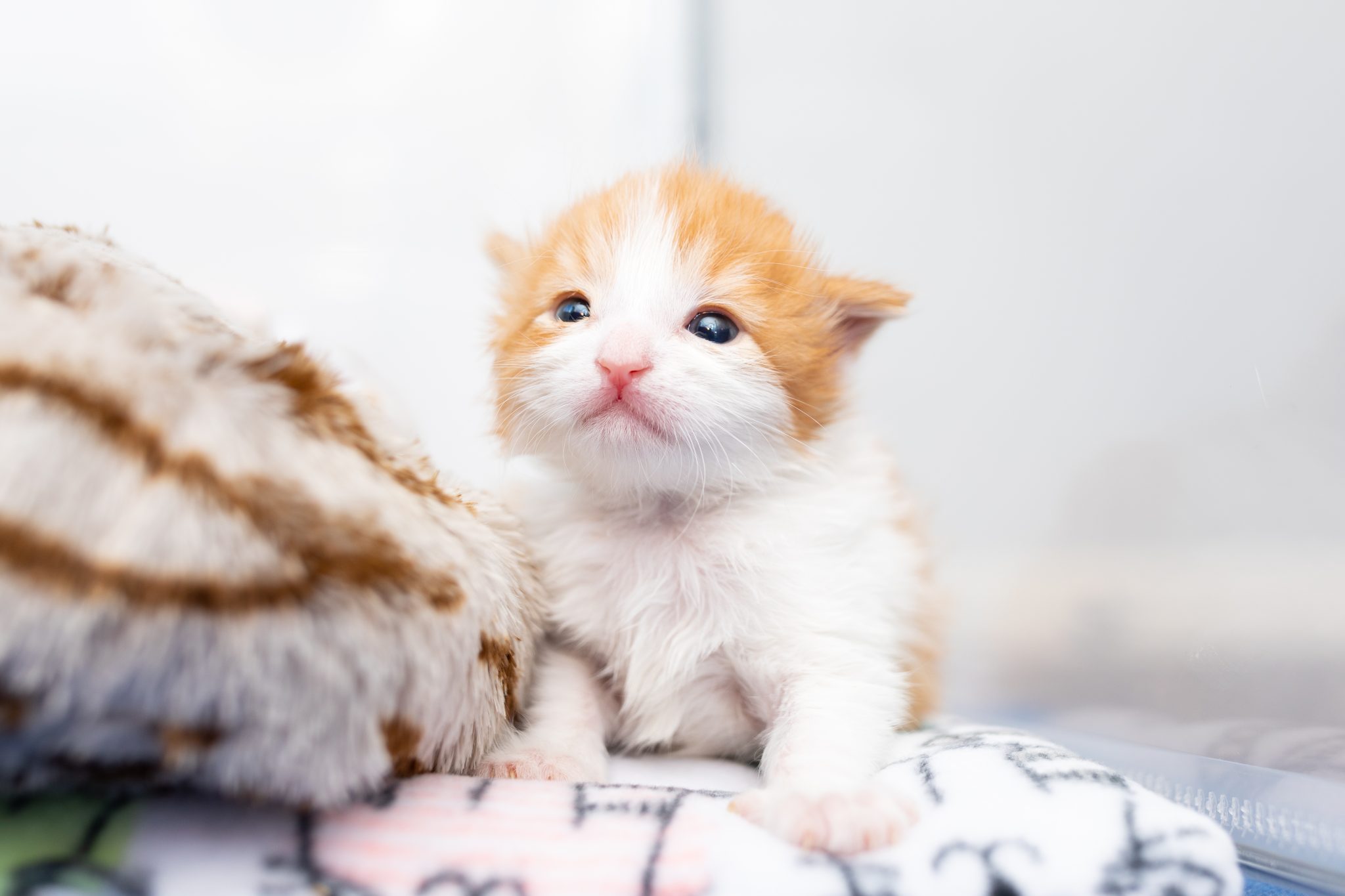
Kittens are in crisis. They are simultaneously the most adoptable and most at-risk population in America’s animal shelters, and their fate is often determined by just one factor: their age.
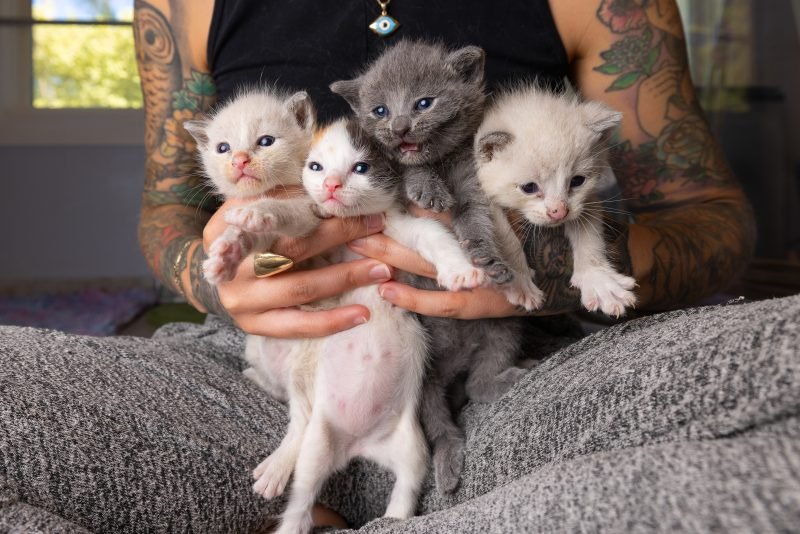
Kittens under eight weeks old face the highest risk of dying in shelters. When an orphan kitten enters an animal shelter, they usually face one of two outcomes: to move into a foster home until they’re old enough to be adopted, or to be euthanized. Nationally, 65 percent of all cats who die in shelters are kittens, and last year, more than 233,000 of them never made it out.
This is not a failure of compassion but of capacity. Most shelters were designed for adult animals, and the youngest kittens require overnight feedings, specialized supplies, and infrastructure built to suit their specific care needs. Without systems in place, euthanasia is too often the only humane option left by the time the shelter closes for the night. The tiniest lives slip through the cracks in systems that were never built to save them.

How Orphan Kitten Club Is Saving More Kittens
Orphan Kitten Club, the nation’s leading neonatal kitten welfare organization, exists to close those cracks. The organization’s mission is to change the world for kittens.
Founded in 2016 by Hannah Shaw, the educator, author, and advocate known by millions as Kitten Lady, and led by kitten lifesaving expert Executive Director Jackie Noble, Orphan Kitten Club has touched the lives of more than 250,000 kittens across more than 150 partner shelters and rescues and distributed more than $4 million in grants toward the singular cause of saving kittens’ lives.
Through the Mightycat grant program, the only grant program in the world devoted entirely to neonatal kittens, Orphan Kitten Club empowers and equips shelters and rescues across the country to save kittens in their own communities, funding kitten-focused staff, equipment, space, training, and whatever else a partner needs to save more little lives.
What that looks like varies from one partner community to the next.
Helping Animal Shelters Save More Lives
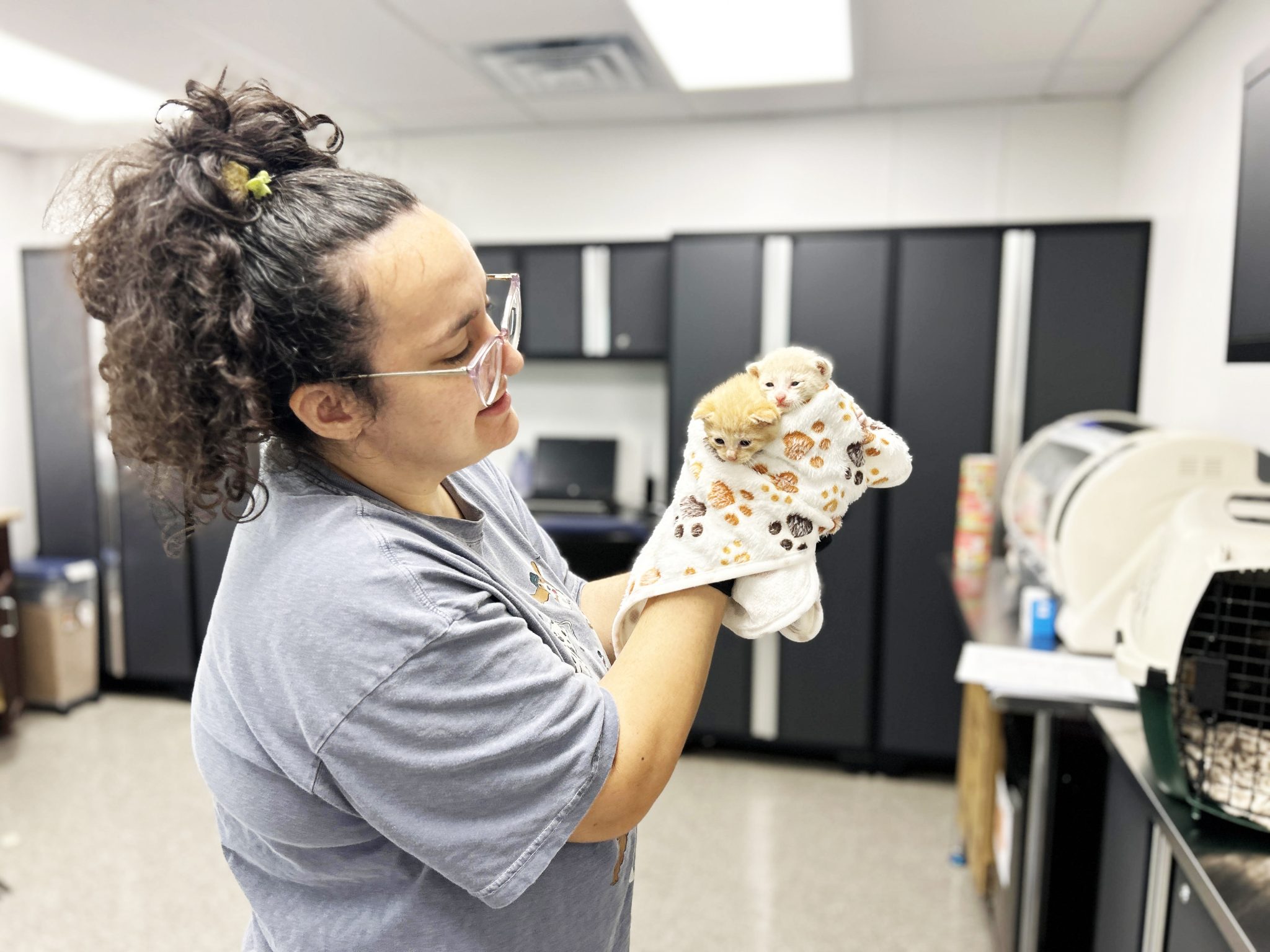
In Kansas, Helping Hands Humane Society used a $40,000 grant from Orphan Kitten Club to create the state’s first Kitten Care Attendant position. That investment grew into a partnership with the women’s prison in Topeka, where incarcerated women now help raise vulnerable kittens.
In Mississippi, Southern Pines Animal Shelter put an $18,000 Mightycat grant toward the Bitty Beans Nursery, a dedicated kitten space with incubators and areas for medical care and training. In a year marked by disease outbreaks, the new nursery cared for 277 kittens and reached a 94.2 percent save rate, a number that would have been out of reach in the same building a year earlier.

Giving Critically Ill Kittens a Second Chance
When an individual kitten arrives at a partner organization with life-threatening medical needs, Mightycat medical grants give them a chance at survival, covering surgeries a shelter often can’t afford, from eye removals to amputations to cleft palate repairs.
When a kitten named Goose needed surgery for pectus excavatum, a chest deformity that made every breath a struggle, a medical grant covered the operation and saved more than just Goose’s life.
Led by Orphan Kitten Club veterinarian Dr. Rachel Wallach, the surgery became a hands-on lesson for other veterinary professionals to learn the surgical technique themselves. Goose’s surgery will continue impacting kittens just like him long after he’s healed.
In Kansas, a kitten named Treble arrived at Lawrence Humane Society with a cleft palate that made it physically impossible for him to nurse or eat on his own.
Orphan Kitten Club stepped in with a medical grant and more.
Because Orphan Kitten Club had previously cared for a kitten with the same condition, Chouchou, in its own nursery, the organization had developed a specialized way to feed kittens like Treble. That valuable knowledge and funding for veterinary care saved Treble’s life.
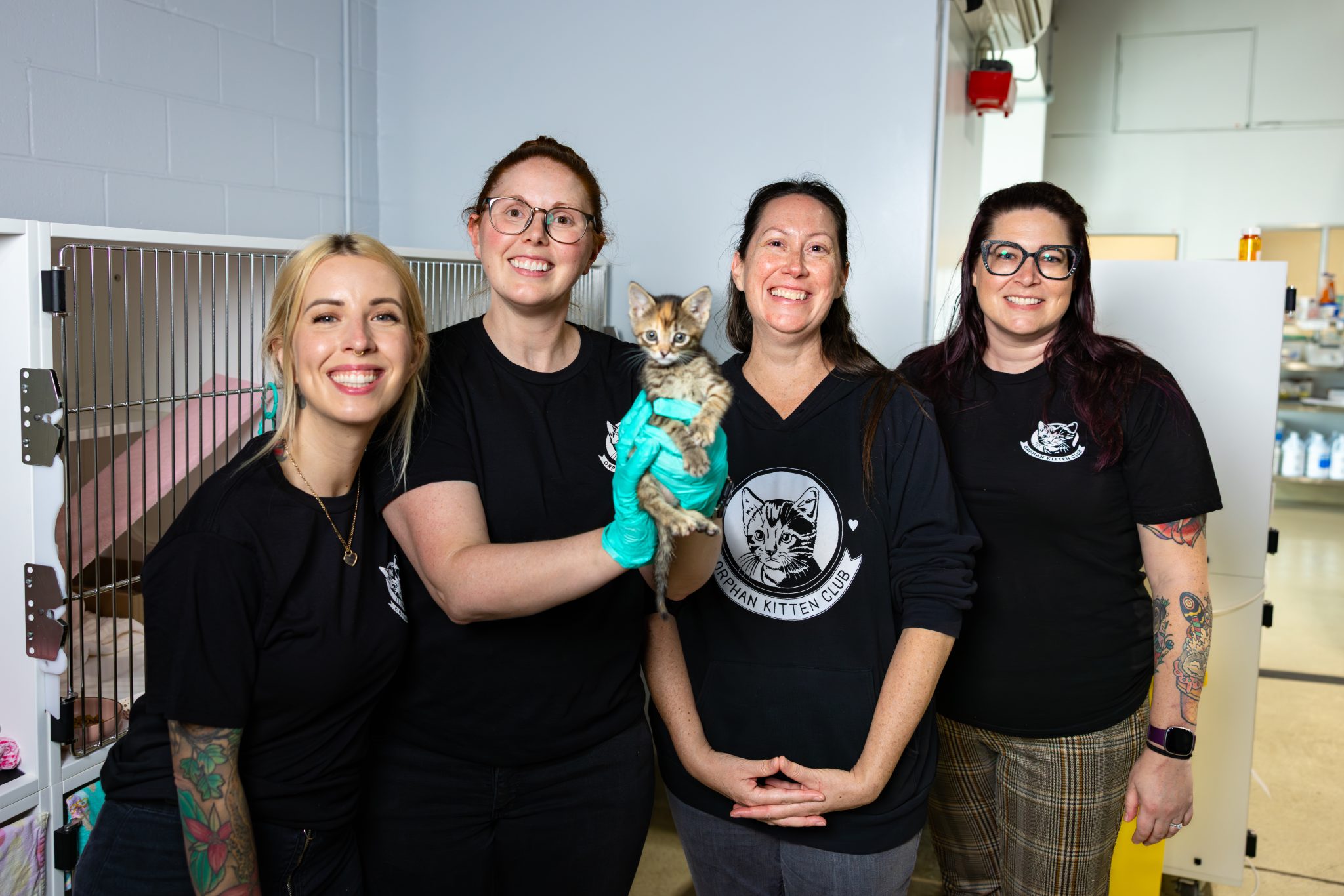
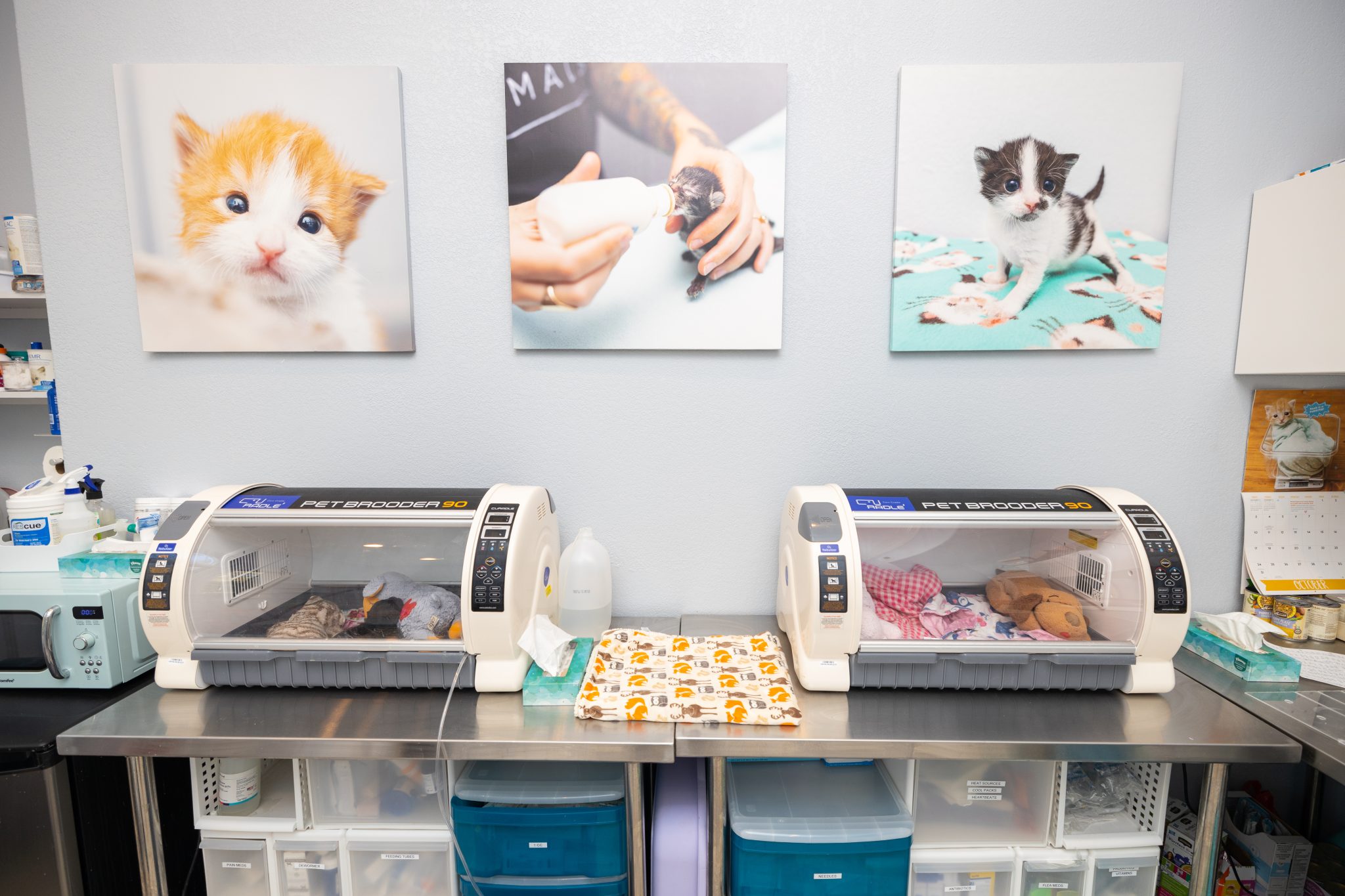
The Orphan Kitten Club nursery in San Diego, California, is a safe haven for the most vulnerable and medically complex kittens who need round-the-clock specialized care to have a chance at life. By adoption age, kittens who once clung to life are healthy, affectionate, and ready to begin their next chapters.
The nursery is where the hardest cases softly land, lessons are learned, and knowledge is shared with the world.
Where Kitten Care Meets Research
A goal of Orphan Kitten Club’s ethical research program is to transform one kitten’s unique story into valuable knowledge benefiting all of kittenkind.
Kittens are dramatically underrepresented in veterinary medical research, leaving dangerous gaps in what is known about how to keep them alive.
By partnering with leading universities like the University of California, Davis, to conduct ethical pediatric research studies, Orphan Kitten Club gives kitten caregivers and veterinary providers the evidence they need to make lifesaving treatment decisions and improve the standard of care everywhere.
Together, these efforts have changed the lives of more than a quarter of a million kittens over the past decade, and the reach grows every year.

Changing the Future for Kittens Everywhere
These tiny lives who once faced the highest risk of euthanasia are now entering systems all across the country that can keep them warm, fed, healthy, and moving safely toward adoption.
Every dollar granted and every life saved is only possible because of Orphan Kitten Club’s generous community of kitten-loving donors and members who believe that every kitten deserves a chance to thrive.
Learn more and join the club at orphankittenclub.org and follow us on Instagram and Facebook.
Feature Image Credit: Andrew Marttila