I was in a pub in London, catching up with my oldest friends. One friend turned to another: “What is that phone you are holding?”
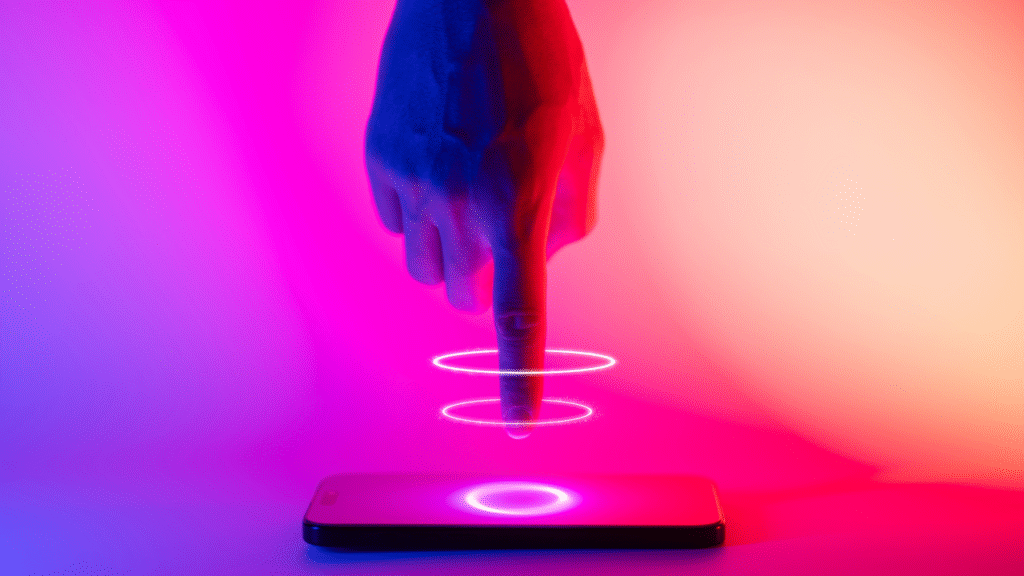
The phone in question: a $799 Nothing Phone 3. In a world of interchangeable black mirrors, this is a phone that stands out, hence the puzzled look and question.
From 2007 to today, the smartphone has gone from designer marvel to almost invisible ubiquity. Apple has led the way with 17 generations of its god-like device. Google, Huawei, Samsung, Motorola, and others follow, delivering great cameras, big screens, and strong Android experiences. Devices have come and gone, and big brands like Nokia have fallen along the way. Marketing them, meanwhile, has become an exercise in saying the same thing, slightly louder.
Against this mature market, a brand like Nothing shouldn’t really exist. Ask a management consultant in 2020 if there was room for a new smartphone—when leaders were entrenched and challengers were competing on price—and the answer would likely have been no. But Nothing wasn’t born from a market-sizing exercise, and it is making waves. By the end of 2024, it had doubled annual revenue to over $500 million and crossed $1 billion in lifetime sales, selling around 7 million devices. It has raised over $450 million from leading venture capitalists, valuing the company at $1.3 billion. In some markets, it has taken a 2% share—tiny, but a place to start.
THE VISION
Founded by Carl Pei in London in 2020, the company is built around a clear vision: “As consumer tech companies grow, they often focus on protecting themselves from disruption rather than driving innovation. I felt that if no one tried to challenge that, the category would stay boring forever.”
Personal devices tend to succeed when they clearly belong to a defined mode of life—work, play, create, switch off—or when they create a new “mode” people want to step into. Nothing’s mode is pure disruption; it’s less a product strategy, more a cultural stance. Their bold use of color, striking imagery, and accessible pricing—especially across their audio devices—create differentiation by design.
When asked on LinkedIn about balancing branding versus conversion rates, the CEO simply replied: “Vibes first.”
BUILD FOR THE AUDIENCE
By targeting creative-minded Gen Z, Nothing isn’t chasing the market—it’s choosing its audience and building for them unapologetically—and Pei is living up to that brand.
As a 47-year-old father of two, I’m a long way from their average 26-year-old customer. But I’m surrounded by people buying their products, many for the first time. When asked why, my team came back with variations on one theme: intentional difference. A brand not afraid to have an opinion. An antidote to ubiquity. Something you buy as a statement. The value isn’t just in the spec—it’s in what owning it says about you.
You feel that everywhere you touch the brand. Apple’s website is a masterclass in design, it’s a joy to use. But it’s their vision and everyone else is still playing catch-up to it. This is where many electronics companies go wrong: copying Apple’s minimalism and mistaking restraint for originality.
PERSONALITY MATTERS
Land on nothing.tech and you’re immediately immersed in edgy art direction juxtaposed against striking devices. Product pages mix lifestyle with specs, with a strong point of view. Marketing films sit alongside the product, so you experience it firsthand. A mobile-first approach shows they understand where their audience lives. The contrast with other electronics brands is stark.
It doesn’t stop in the digital realm. Physical stores break norms, blending sci-fi aesthetics with strong industrial design cues to create spaces of intrigue.
Nothing’s brand line is “Built Different.” In 1997, Apple had a similar proposition. And while they still deliver exceptional experiences, it’s not as different as it once was.
I often ask the founders we work with what their nemesis is. It’s a simple question, but it reveals how they see the world and themselves within it.
Nothing has a clear answer. It knows exactly what it is, and what it isn’t.
In a category obsessed with incremental upgrades, Nothing is betting that personality still matters.
And in a world of invisible black mirrors, that clarity is enough to make someone stop mid-conversation and ask: “What is that phone you are holding?”
James Greenfield is CEO and founder at Koto.