Fighting for Relevance
When Infiniti debuted in late 1989, it seemed that Japanese luxury had well and truly threatened the European establishment thanks to it, Acura, and Lexus. Fast forward to today, and only Lexus seems to be sticking to the original plot, while Acura has remained mostly steady, and Infiniti is practically fighting for relevance.
The last couple of years haven’t been easy for Nissan‘s luxury division, either. From its peak in 2017, when it sold 153,415 vehicles, the company sold just 52,846 units in 2025. To put that figure into perspective, Lexus sold nearly twice as many RX models during the same period, with 102,051 sold. Losing over 100,000 units in sales in less than a decade is catastrophic by any measure and, in many ways, has been hampering Nissan’s road to recovery.
Getting to the Root of the Problem
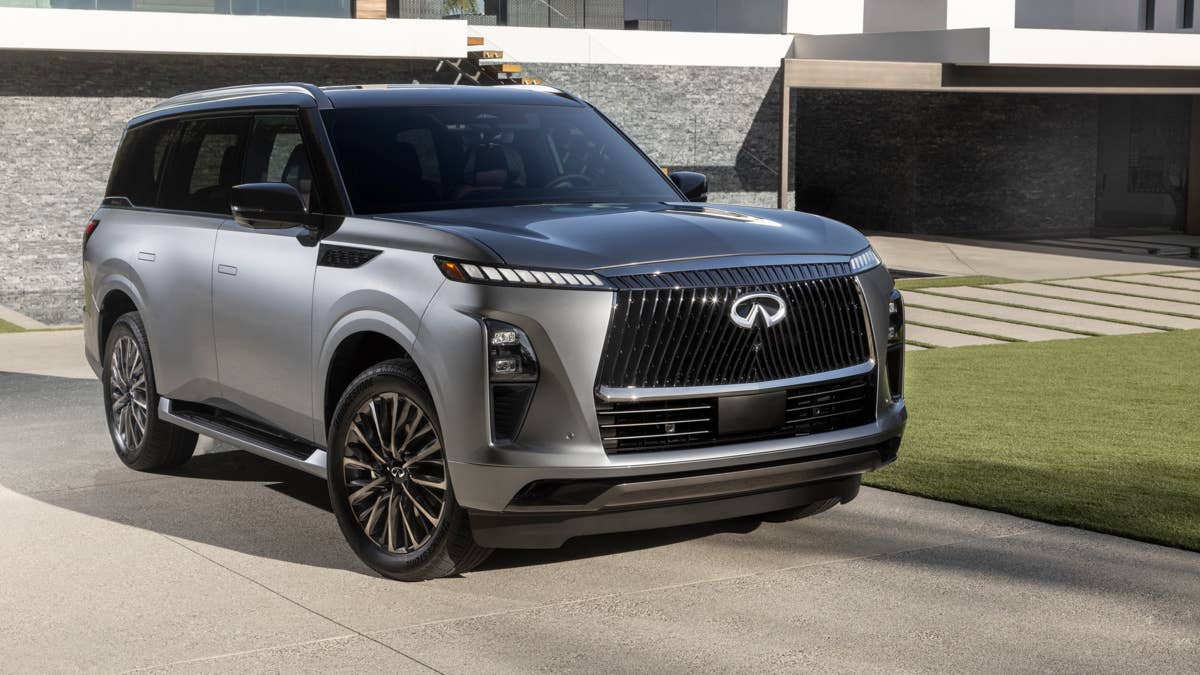
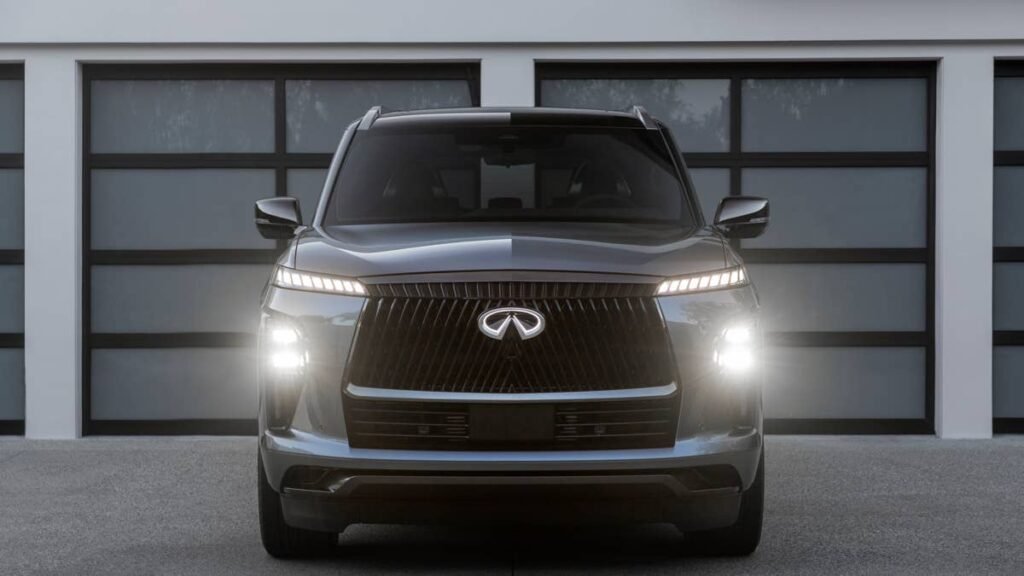
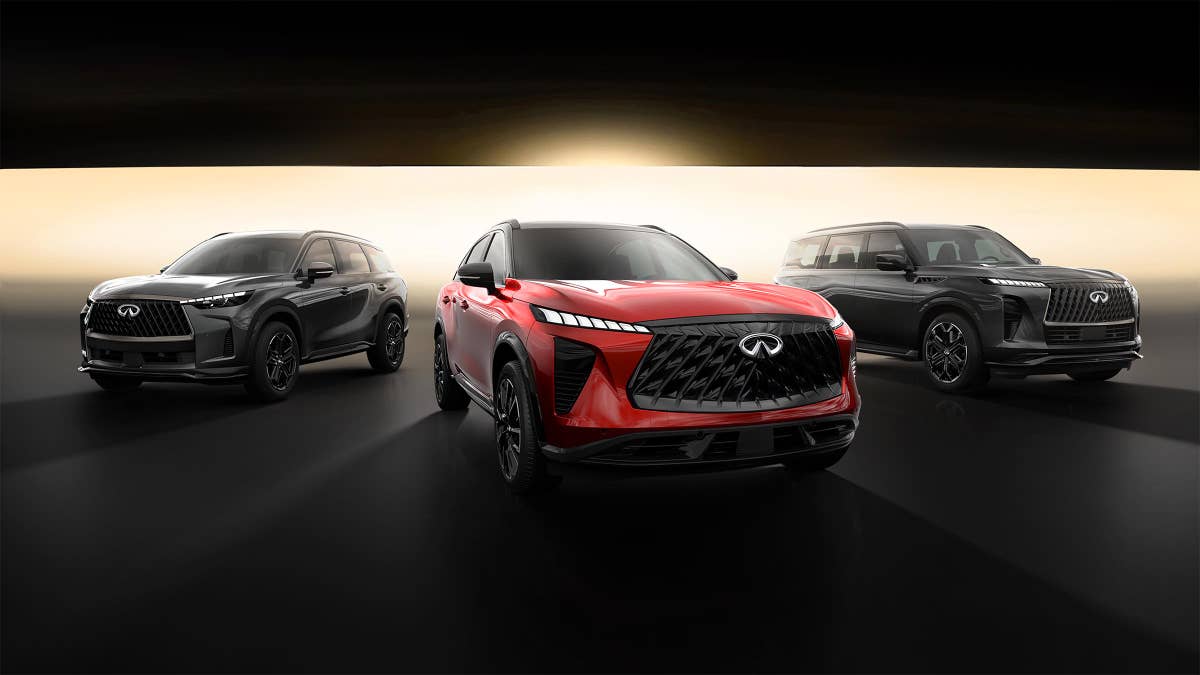
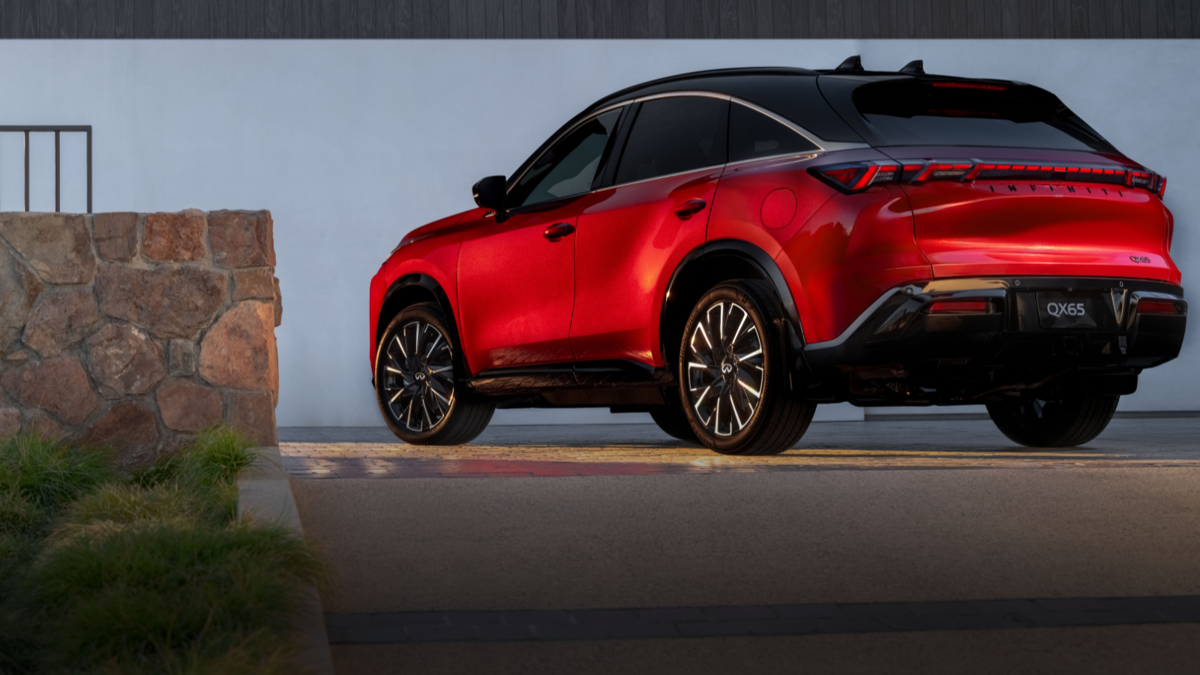
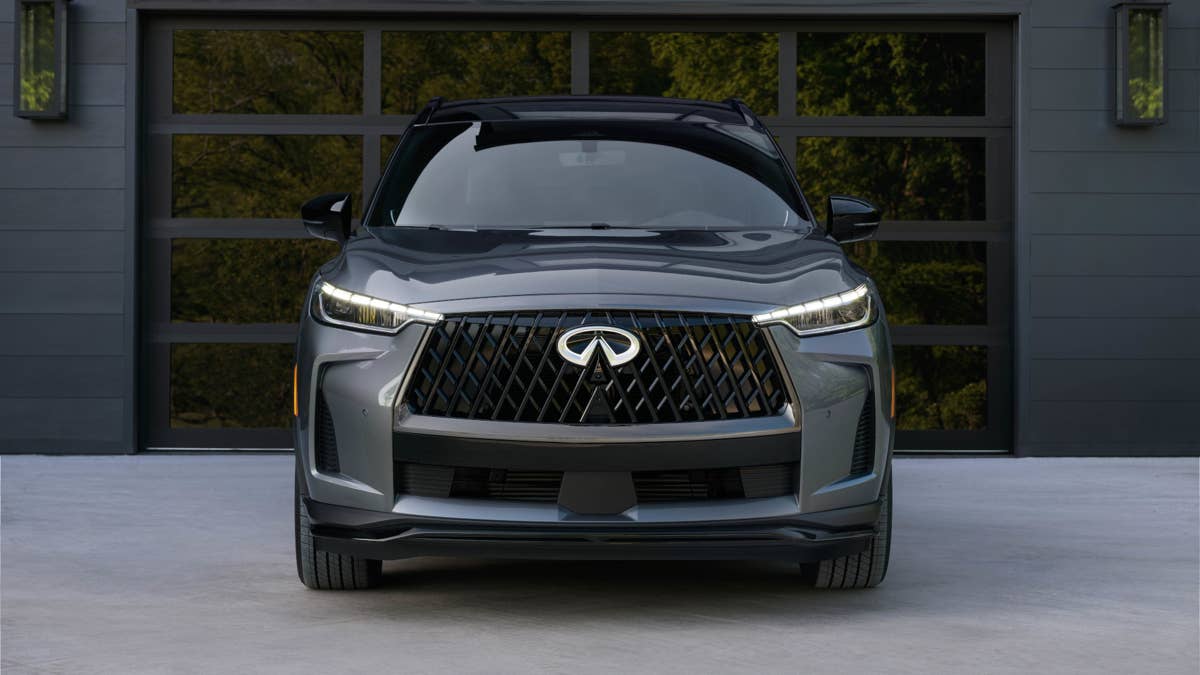
Infiniti used to have a comprehensive lineup from entry-level luxury sedans to large SUVs. Today, it only has three models on offer in the U.S, namely the QX65, QX60, and QX80. The smaller QX50 and QX55 are still available in some markets, but not long for this world, either. Compare that to Lexus and Acura, and Infiniti’s range is looking downright barren right now.
Yes, the remaining models do match some of the cars offered by its compatriots, but another issue here is desirability. Given the brand’s current equity, it’s difficult to find truly compelling reasons to drive into the Infiniti showroom. Infiniti USA boss Eric Ledieu is well aware of the problem, as is Nissan president and CEO Ivan Espinosa.
Addressing the Issue
We already know that Infiniti will be having a new-car barrage in the coming years. As Ledieu told the Detroit Free Press, “Infiniti was lacking product. We’ve got three vehicles in the showroom today. We’ll have seven by the end of the decade.” While we have a general idea of the models, Ledieu went into greater detail about the future offerings to the publication.
Pretty much confirmed at this point is the new-generation Q50 that will be the global-market Nissan Skyline. The executive reaffirmed that it will have V6 power, rear-wheel drive, and be available with a manual, although there was no mention of whether a hybrid version will be offered to expand its appeal. The second model will be a compact crossover that Ledieu confirmed will be a series hybrid. It’ll likely benefit from Nissan’s clever e-Power technology, with the engine serving solely as a generator to keep the battery topped up. This model will possibly be based on the Rogue.
As for the two body-on-frame SUVs, it’s now confirmed that those will be available as hybrids, while the non-hybrids will get V6 power instead of turbo-fours. There is also confirmation that these new SUVs will use the same frame as the next-generation Frontier and revived Xterra. Both have the Lexus GX and the higher trim of the Toyota Land Cruiser in its crosshairs.
Made in America
Like the future Frontier and Xterra, the frame-based SUVs will be built in the U.S, most likely at the Canton Vehicle Assembly Plant in Mississippi. That should help these models circumvent tariffs, as well as potentially undercutting the competition. For reference, the Lexus GX starts at $68,335, and if Infiniti manages to price either of those SUVs for a lot less, there’s a lot of potential for market success.
As a whole, Nissan has been struggling with tariffs, and is one of the biggest expenses. While company’s trajectory is on the upswing, it still copped $3.376 billion in losses in the previous financial year. It could have been a lot less had it not been for $1.8 billion in tariff penalties.
With incoming models that have more appeal over the current lineup, Infiniti might just be able to pull its own weight in the coming years. Who knows, it might also be finally able to help its mother company in the turnaround efforts.
Infiniti