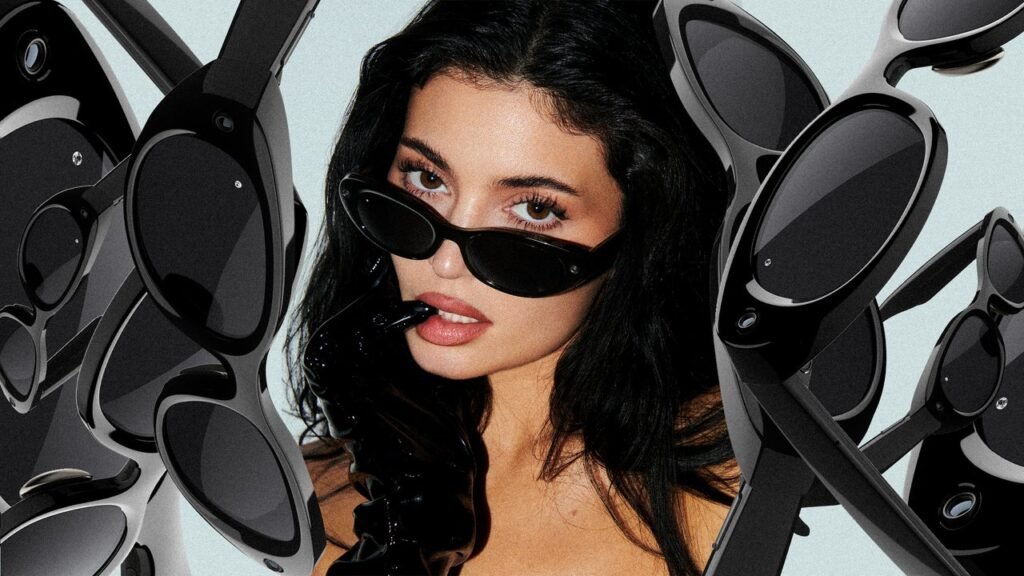
A week before Meta officially released its new Kylie Jenner-embossed smart glasses in June, 23-year-old Allison Oh had already made up her mind about them. Oh, a lifestyle and travel influencer, with more than 100,000 followers on TikTok, attended a marketing event in NYC targeting potential consumers just like her. She says she felt like a small presence in a room filled with hundreds of other content creators who she recognized as having millions upon millions of followers. “The vibes were very upscale,” she says, describing different interactive rooms demonstrating the glasses. Peggy Gou was DJing.
Oh, who already owned a pair of Meta’s Ray-Ban smart glasses and was experimenting filming content with them, says she was immediately influenced to buy Jenner’s sleek and cat-eye shaped collab. The aesthetic was reason enough. “I wanted to transition into more beauty and lifestyle content, and when I’m filming front-facing in a mirror, the Kylie glasses look a lot better,” she says.
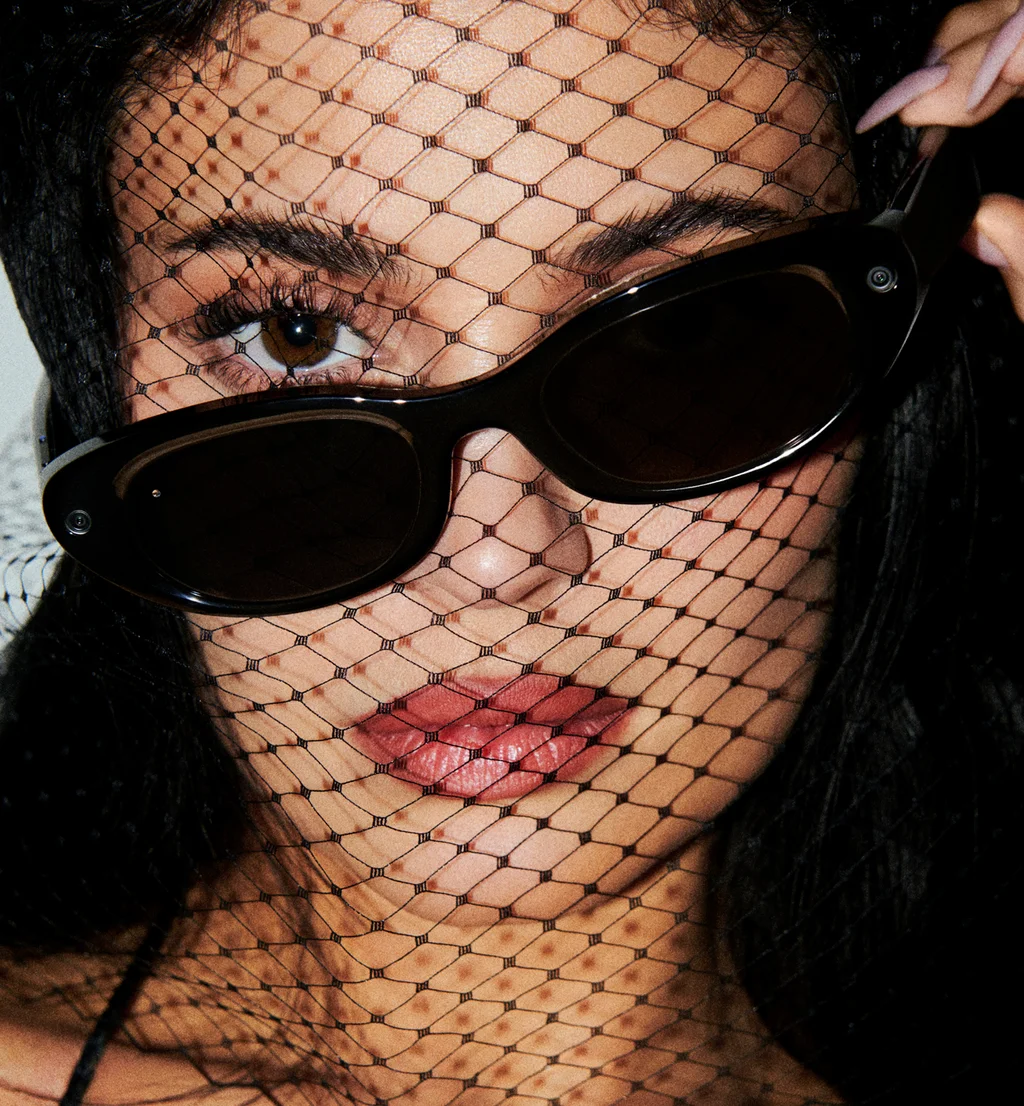
At a time when there’s growing resistance to smart glasses, edging at times into a moral panic about surveillance culture, influencers are finding their stride with them. Oh is among several lifestyle influencers who tell Fast Company that this new release not only sold them on smart glasses, but has encouraged them to start filming through them more regularly.
Meta positions their AI glasses to have all-around utility, with their hands-free calling and messaging capabilities and in-ear walking navigation; but influencers, who vlog their day-to-day, have taken to filming themselves wearing the glasses as its own kind of fashion statement.
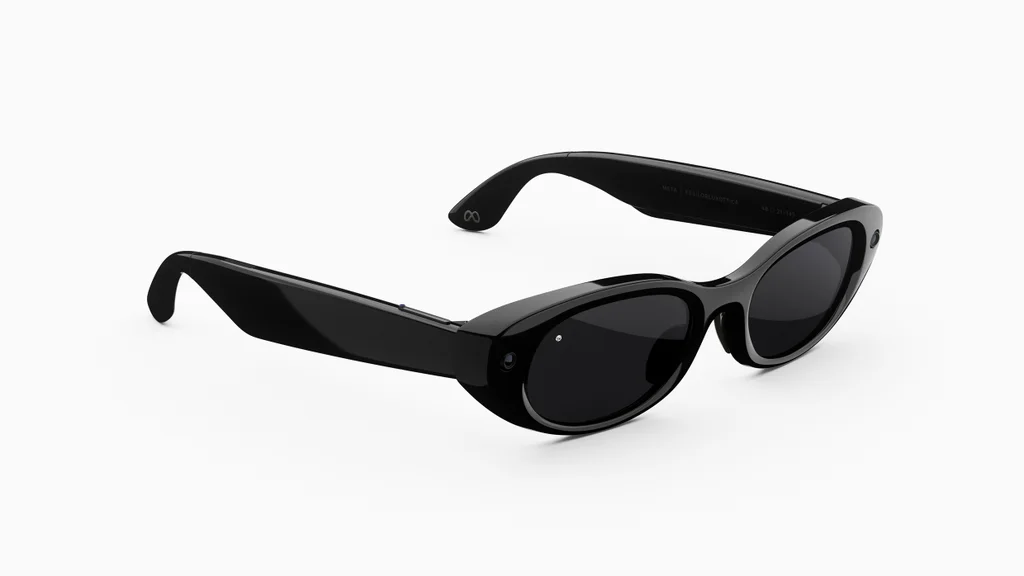
Since launching in 2021, Meta’s Ray-Ban and Oakley SKUs have grown in popularity; in 2025, Meta sold 7 million pairs. But the styles, which skew more sporty and masculine, left a significant segment of the market underserved. The Kylie glasses are more modish and distinct, which helped to fill the gap for a type of aesthetics-focused female consumer.
“Ray-Ban is not a premium brand,” says Michelle Shen, a 24-year-old beauty and wellness influencer. “I’ve always been interested in Meta glasses, but I don’t like that they were the Ray-Ban brand … within the content creators’ circles I’m in, it has to be luxury or look luxury. If the brand was Prada, for example, more people I know would be buying in.”
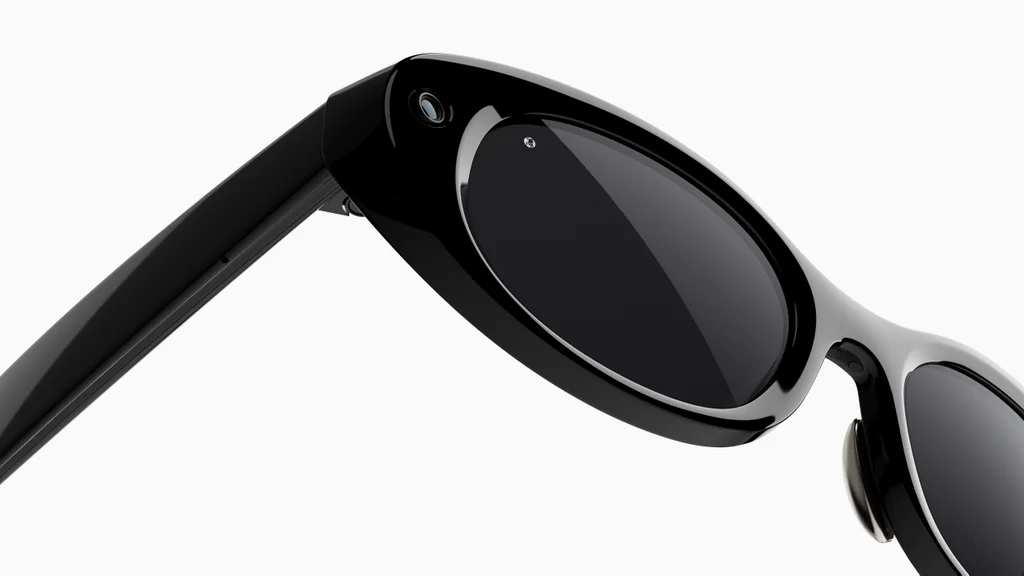
Shen appreciated the “cute” shape of the Kylie glasses and purchased a pair a week after they were in stores. She says she’s returning hers only because the nose bridge doesn’t sit comfortably on her face, an issue other consumers have already flagged. Still, the new release has her convinced that filming from a first-person vantage point is the direction she wants to take her content.
“I think it’s this very interesting POV-type of content, and it’s shot from an angle that is lifelike, and because it’s so new people are more intrigued to watch it,” Shen says about videos she’s recorded with smart glasses. She and others also note that videos where she flips the camera to capture herself in the glasses, or in a mirror selfie shot, tend to perform better.
“I’m going to do more talking in the mirror videos,” says Oh. “Brands want to see a face at the beginning of the video, and a lot of influencers who wear Ray-Bans don’t get a lot of brand deals because their faces aren’t always in [videos].”
It seems like a relatively small detail, but for creators whose brand affinity and business is about the curation of aesthetics, the release signals a significant shift in wearable tech adoption among their cohorts. While Meta would not provide any specific sales data about the Kylie glasses, the company tells Fast Company that they’re among their most popular SKUs, adding that creators have reached out to the company trying to get their hands on a pair.
Samantha Lee Rodriguez, 32, works full-time in tech, but wants to eventually transition full-time to being a beauty and lifestyle influencer. Her TikTok channel is still growing, with a little under a thousand followers at the moment, and she’s hoping her new Meta x Kylie glasses will help give her an edge.
She had already been interested in smart glasses after experimenting with her husband’s pair of Ray-Bans, but Jenner’s collab convinced her to buy in. She purchased a pair soon after they launched. Rodriguez has overall enjoyed wearing and recording in her Meta glasses, putting them on for 30-minute intervals at a time when she’s recording for “POV.”
“It won’t replace all my phone recording,” she says, noting that the film quality is still not as good as recording with her phone or a digital camera. “The tech is good enough, but there can be improvements on them, as well. Sometimes the content can come back looking grayish, but that shouldn’t be a problem if you’re good with editing and color grading.”
The privacy tradeoff
Influencers have been among the earliest true adopters of smart glasses, but Rodriguez and others say wearing them has surfaced the new, more existential hurdle of navigating around the weird and sometimes withering looks they get when they’re filming in public.
Obtrusive, raw, POV-style vlogs have become more popular in recent years due to the rise of smart glasses. Creators like @Elizabetheatsnyc have garnered millions of followers from filming herself interacting with strangers and visiting different business establishments with her Meta glasses (many influencers I spoke to said they were directly influenced by her and her success).
Despite the proven engagement of POV content, a growing number of people are upset by the new norms that come with being able to record anyone in public so seamlessly now. The rise of so-called “manfluencer” street-style videos, where men in AI glasses approach women to hit on them and to record their reactions, has brought the issue to a head. Many women subjects of these videos say they had no idea they were being filmed and had not been asked for permission or consent.
The creators I spoke to for this story say the loud resistance has made them more nervous to film their own vlogs. They’ve noticed the growing chorus of commenters who refer to the gadgets as “pedo glasses” or “pervert glasses.” The pushback hasn’t stopped these creators from wearing the glasses, but it has encouraged them to be more conscious of the format and led them to experiment with how to use the glasses in an interesting but responsible way.
“It’s such a grey area, as I’m figuring things out myself,” says Rodriguez. “I know my intention is not to use it in any creepy or harmful way, but there are people who are using it that way.”
She says she tries to be generally “mindful” about who she’s recording, often trying to get people’s backsides or editing footage to blur or cut people’s faces out as much as she can.
“I ask for consent, especially if you’re walking into someone’s workplace; even if you’re going there to promote the business, ” she says. “It’s the most respectful thing to do.”
“They get rigid or uncomfortable,” Oh says when she approaches someone in her Meta glasses, whether she’s recording or not, that’s indicated by a light that flashes. “No one has ever told me they have an issue, but it’s a sense you feel, like you can tell that someone isn’t happy with the interaction.”
Shen and the other creators say they’ve become hypervigilant to people noticing that they’re wearing a novel tech thing that is inherently controversial. “I just feel insecure wearing them, I’m just like, ‘Who’s that freak wearing the Meta glasses,’” Shen says, adding that she’s only had one confrontation IRL at a hot yoga class where another attendant asked that she not film (she obliged, and noted that it was not an aggressive exchange at all).
It’s a tradeoff for influencers whose lifestyle and business depends on keeping up with trends and showing people the intimate and stylized aspects of their everyday life. For them, the increased focus on making smart glasses more of a fashion play is helpful in normalizing a piece of technology they believe is truly valuable to their businesses.
“This type of content is closer to who you are and you can’t fake it,” says Oh. “It’s a great opportunity for influencers to connect to their audience by showing who they actually are.”