Keeping America Trucking
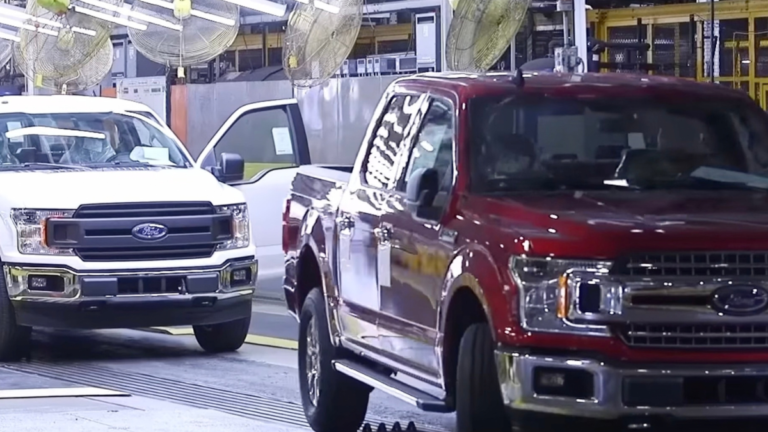
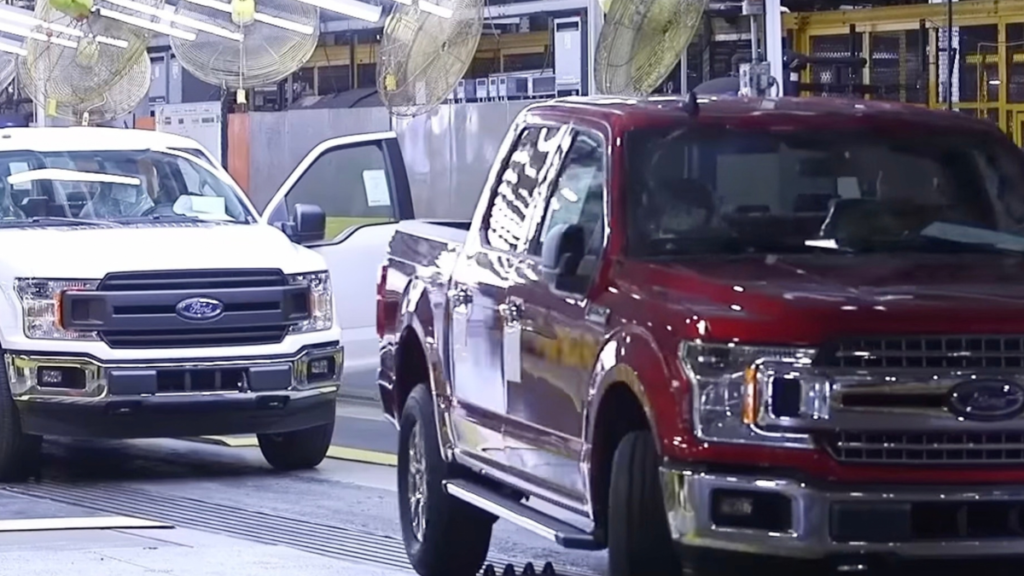
The Ford F-150 is important not only to the brand’s lineup but also to the U.S. market, as it is one of the country’s best-selling vehicles, alongside the Chevrolet Silverado and Toyota RAV4. Ford produces the full-size pickup truck at two plants: the Dearborn Truck Plant in Michigan and the Kansas City Assembly Plant in Missouri, where it shares the manufacturing complex with the Transit.
A walkthrough of the Dearborn Truck Plant by FRAME offers a look at the F-150’s production process from start to finish. The facility is situated within the Ford Rouge Complex, which dates back to 1917 and houses the Rouge Electric Vehicle Center (REVC), where the now-discontinued all-electric F-150 Lightning was built. Unlike the Kansas City Assembly Plant, the Michigan-based facility also builds the nameplate’s most performance-oriented version, the F-150 Raptor.
All Hands on Deck
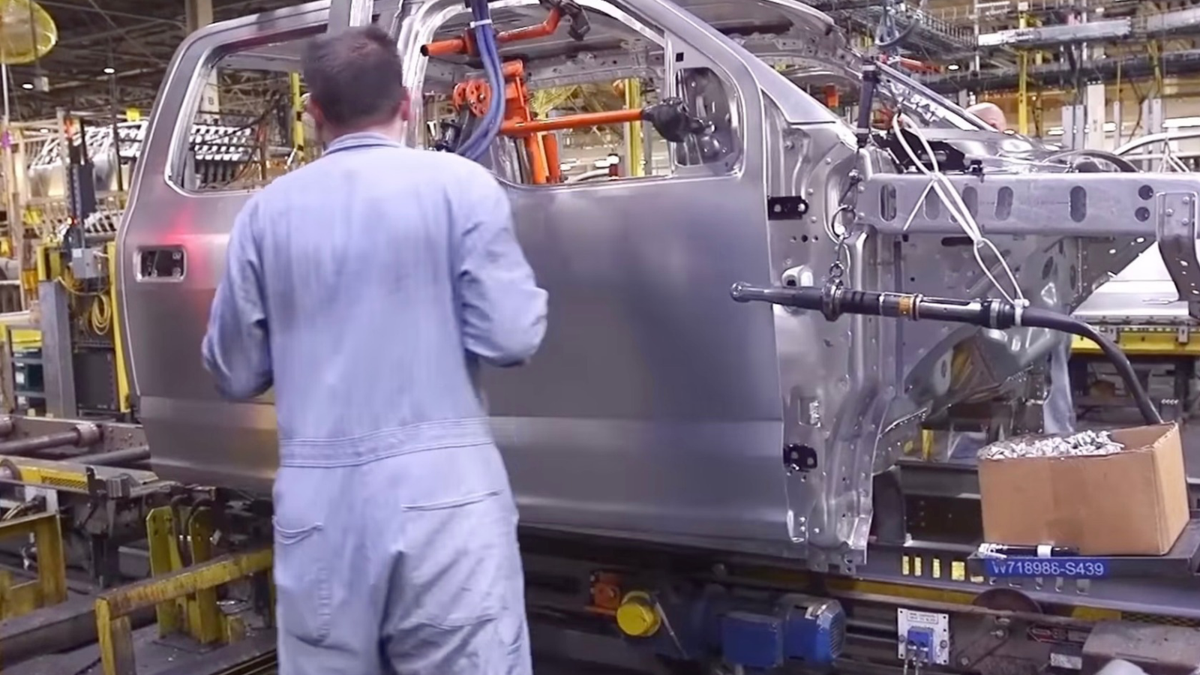
According to Ford, as of June 2026, the Dearborn Truck Plant employs nearly 5,000 workers, who can be seen assisting in building the trucks rather than leaving all the work to automated robots, including during body-in-white assembly. The footage also shows workers installing electronic components into a transmission housing and assembling a transmission control unit in a clean-room environment.
Unlike at many assembly plants, including BMW’s South Carolina factory, where the body and chassis are joined before the wheels are installed, Dearborn suspends the chassis from an overhead chain conveyor, allowing workers to install the wheels before the body and chassis are joined in a process known as “marriage.”
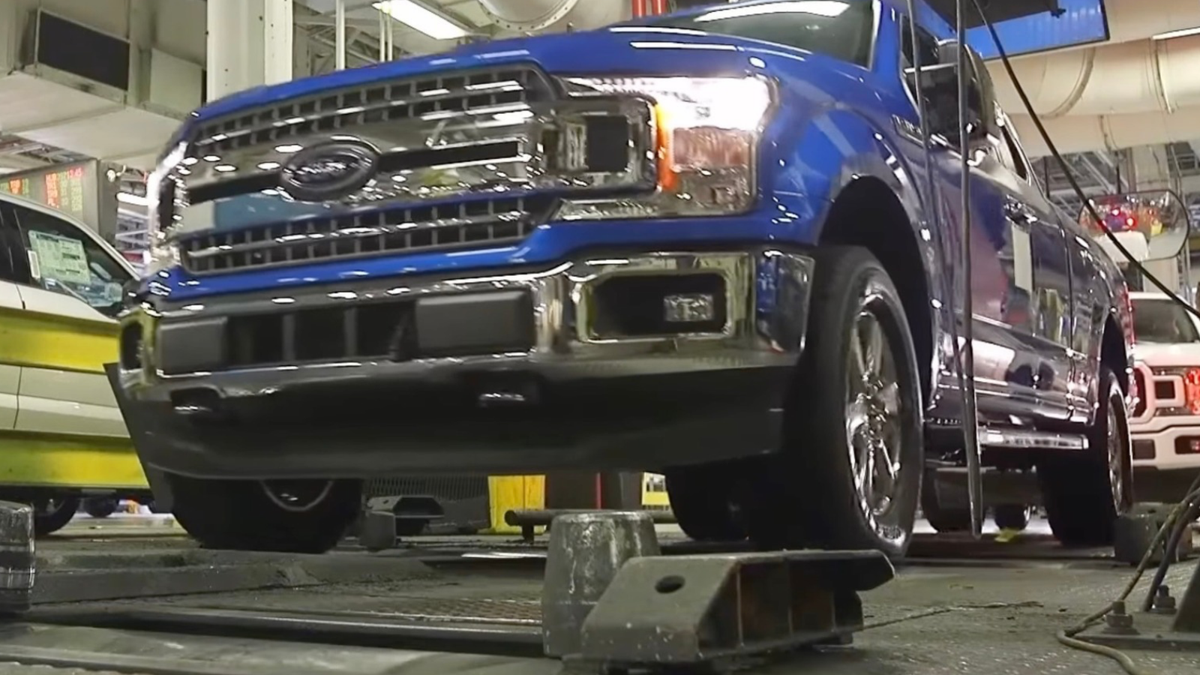
At the end of the assembly line, the F-150s are tested on a dynamometer to verify components such as the engine, transmission, and drivetrain before being driven to an inspection area.
The Pickup Race Never Sleeps
Last year, Ford produced 537,030 F-150 units in the U.S., along with 380,126 Super Duty units, which were instead assembled in Kentucky and Ohio. Super Duty production is also expanding to the Oakville Assembly Complex in Ontario, Canada. It will be interesting to see how F-150 production fares this year following a supplier problem that temporarily shut down the Dearborn plant in September, alongside broader market trends in which smaller, more efficient cars, including sedans and hybrids, are seeing sales growth amid high fuel prices.
For the 2027 model year, the Blue Oval brand has updated the F-150 with a revised engine lineup, more affordable Tremor and Raptor configurations, and hands-free towing capability through BlueCruise. It is also introducing a new Carhartt package for the XLT, giving the truck workwear-inspired styling aimed at buyers who want a pickup suited for both work and everyday life.