Scientific Method
Despite what some people might think, a state-imposed speed limit is not just any random number. U.S. Department of Transportation (DOT), there is an application of science when speed limits are imposed on roads. Although a process is followed, some limits are out of date.
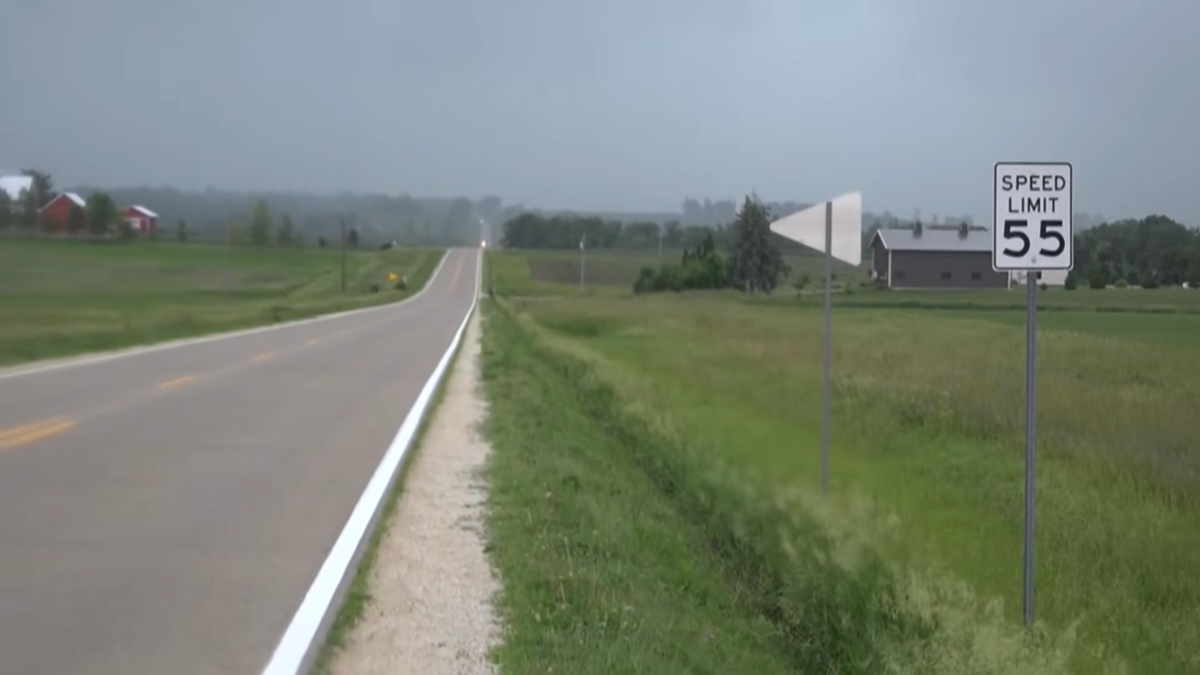
In Iowa, the state has had a 55 mph speed limit on its rural highways for a long time, and that is all set to change come July 1, 2026.
55 to 60
The state is set to increase the speed limits for most of its two-lane highways from the current minimum of 55 mph to 60 mph. It was introduced as a Senate Filing (No. 378) and signed into law by the state Governor, Kim Reynolds, on June 1, 2026. This legislation specifically increases the state’s default speed limit statute from 55 mph to 60 mph unless a different restriction is imposed.
Part of the new law will entail some infrastructure changes and costs, specifically the change of 55 mph signs to 60 mph. The state’s DOT says that there are around 1,800 speed signs that need to be updated to the new limit. In the meantime, the law allows the state to use temporary stickers while it replaces the signs throughout the state. In the end, Iowa will spend around $270,000 to change all the signs.
YouTube/We Are Iowa Local 5 News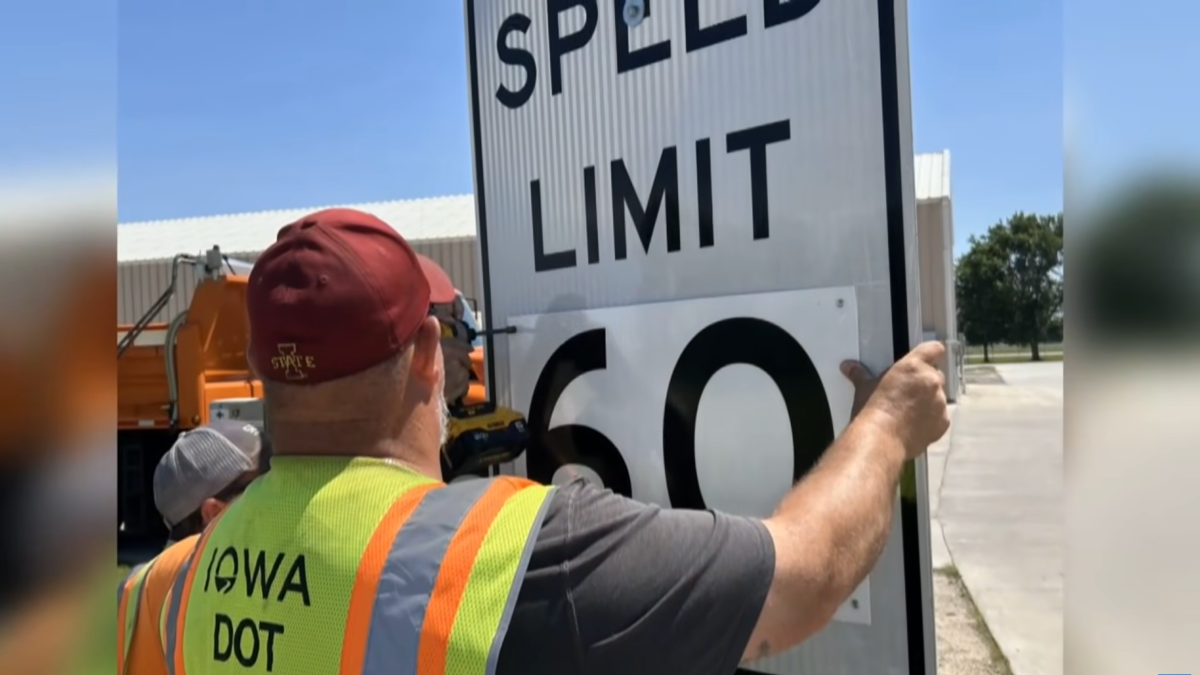
Too Slow
There’s an interesting provision in the new legislation stating that the first two speeding violations by a driver, each 10 mph or less over the speed limit, will result in a ticket. However, the violations themselves will not carry heavy penalties for insurance premiums or driving record, as more serious speeding offenses.
Major Chris Smith with the Linn County Sheriff’s Office was quoted as saying that stopping a car in the middle of traffic for speeding creates more of a hazard. He also said that in certain cases, allowing the public to drive a little faster makes it a bit safer for the cops and for the drivers too.
YouTube/We Are Iowa Local 5 News