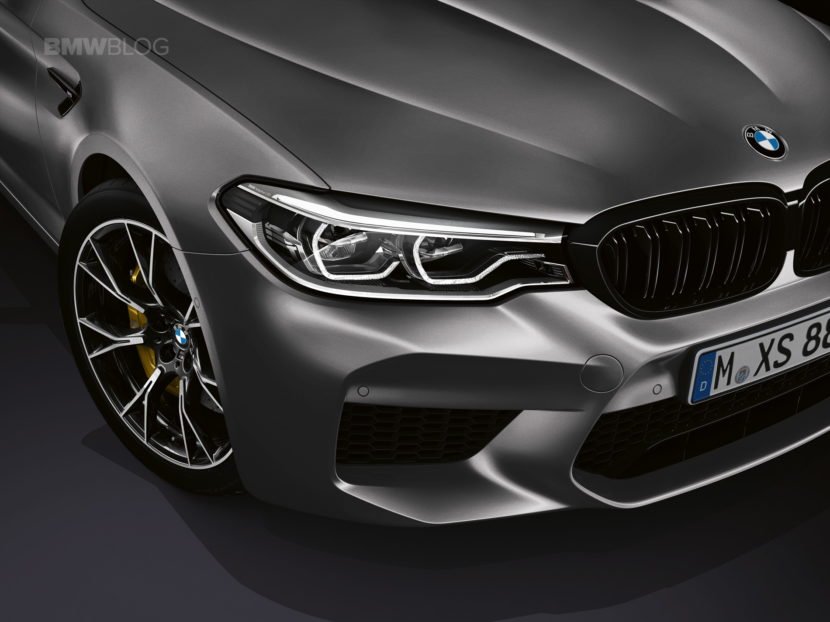
The BMW M5. It’s one of BMW’s most historic nameplates, at least in some way the genesis of the entire BMW M brand itself. The newest generation, the G90, stays true to the original formula in many ways: it’s luxurious, it’s powerful, it’s understated. But the F90 M5 that came before it still has a certain way about it. It’s considerably lighter than the shiny new G90, as the F90 eschews any sort of hybrid drive modes, instead relying solely on a good old-fashioned V8. It’s also now considerably easier to get into the driver’s seat, thanks to a steep depreciation curve. With the newest F90 M5 now approaching three years old, is it still worth owning in 2026?
Let’s cover the basics in case you forgot. The fifth generation of the M5 dons a twin-turbocharged V8 touting between 591 and 617 hp (625 PS; higher figure for Competition Package cars) and 553 pound-feet (750 Nm) of torque. It debuted in 2017, then received an LCI (mid-lifecycle refresh) in 2020. New headlights and taillights, iDrive 7 (replacing iDrive 6), a new Track mode, and new suspension made the LCI M5 the one to have.
Pros: Looks, Performance, Relative Value
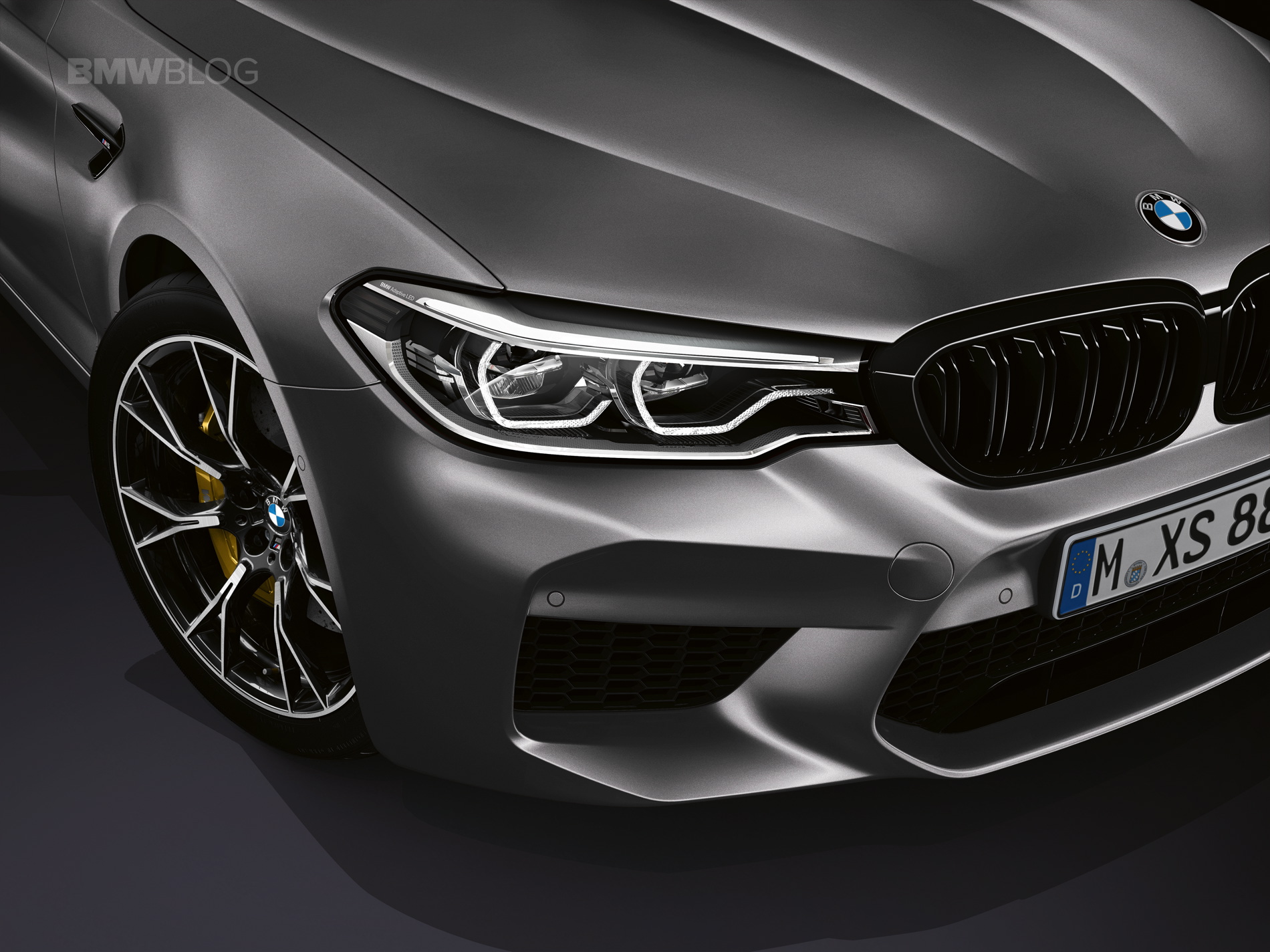
There’s almost too many good things to say about the F90 M5. From a performance standpoint, it mirrors or bests the current G90 M5 depending on spec. Car and Driver testing discovered that despite 100 extra horsepower, the G90 M5 managed slower zero-to-60 and quarter-mile times. Most cars don’t have the ability to beat their successors in any performance metric. Long story short, to say the F90 M5 is still a fast car today is an understatement. Furthermore, the car still looks every bit as high-end as it did a few years ago. Even pre-LCI models look expensive. Subtlety is also a huge selling point for some, myself including. Looking expensive bring us to the next advantage the F90 M5 offers: value.
Back to that Car and Driver segment for a second: the Competition Package F90 M5 they tested managed to scramble from zero to 60 mph in a mere 2.7 seconds. Then, 100 mph happens in another few seconds (6.4 seconds total). Considering a very nice F90 M5 Competition can be had for, oh, say $73,000, we think it’s an incredible value. Those times are about what you get from a brand new M3 xDrive — which would cost you more — among plenty of cars on the more exotic side of the spectrum. Then consider again that you can get into a decent non-Competition M5 for much, much less — around $50,000 — and the value proposition becomes almost impossible to ignore. But there has to be some sort of trade-off, right?
Cons: Long-Term Costs
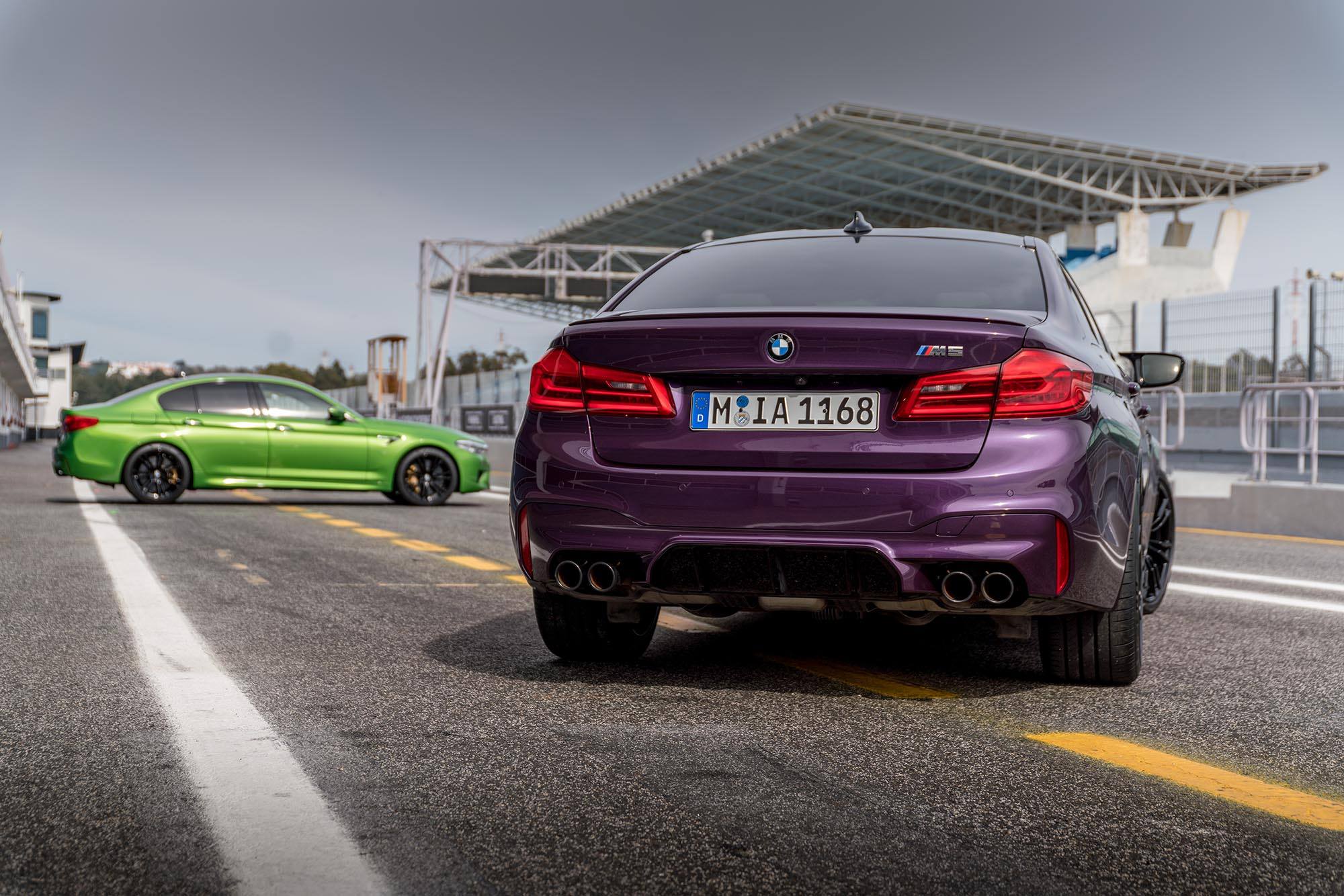
Far and away, the biggest downside to picking up an F90 M5 is the long-term cost. The fact is, owning an F90 M5 over many years will be a financial drain. Regardless of price of entry, too: picking up a cheaper model upfront dodges the still-in-process depreciation but will likely require more significant repairs sooner. Similarly, picking up a really nice example near the top end of the market will see the car losing thousands each year in depreciation. At least, assuming you plan to put meaningful mileage on the car. Considering the M5 is designed to do exactly that, it would be a shame not to. There is also the matter of simply fueling the vehicle. As gas prices remain high, fueling your M5 might be close to a car payment in itself! That said: we can’t really think of another significant downside.
F90 M5 Reliability in 2026
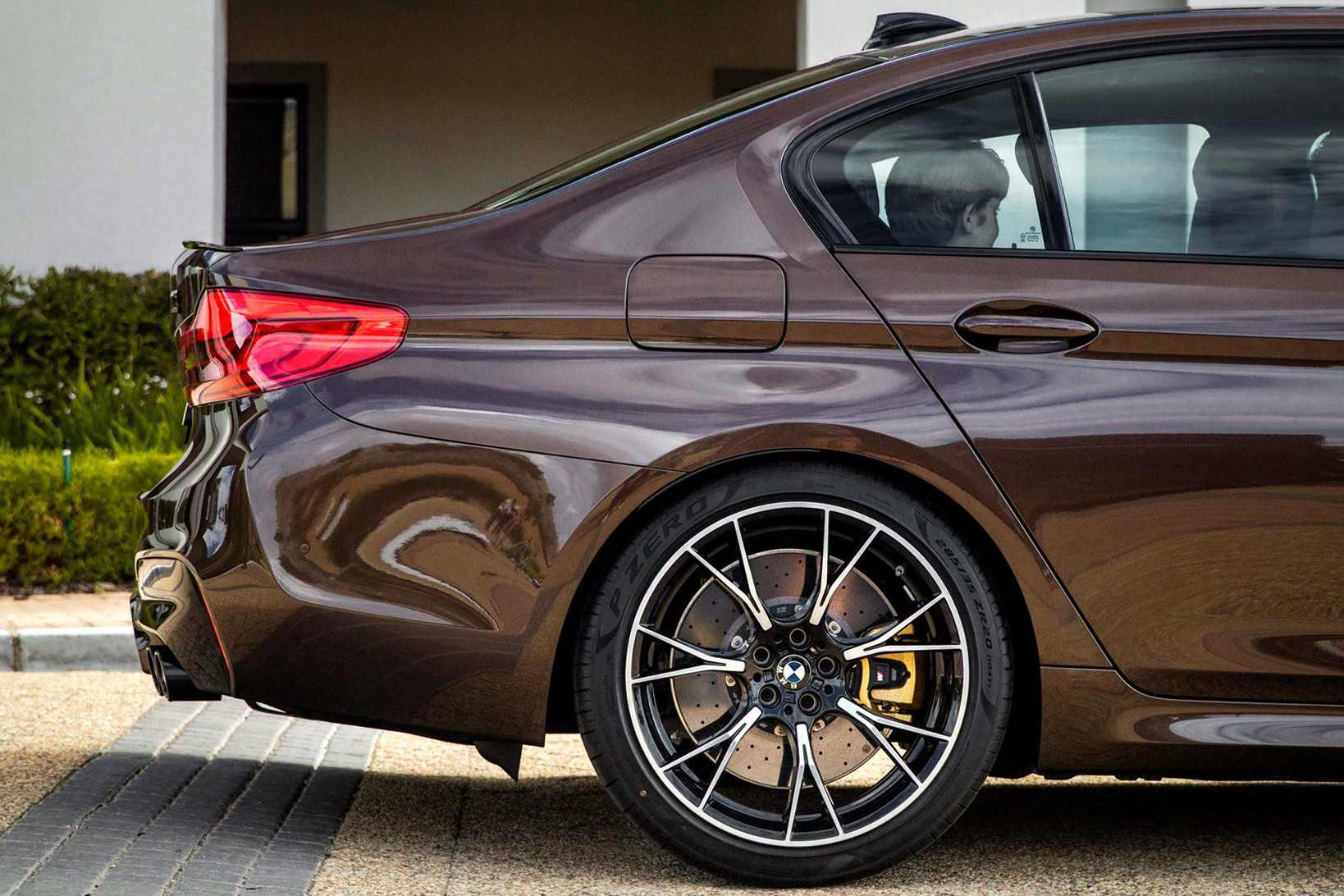
So, how bad can the F90 M5 be, really? Well, the S63 engine under the hood — a specific example dubbed S63B44T4 — is the most updated, final iteration of the twin-turbo V8 power plant. With generous power also comes a host of fixes and tweaks that make it, generally, the most reliable version of itself. BMW stuffed this thing under the hood of basically all its V8 M-car offerings from 2018 onwards, until the hybridized S68 engine phased in around 2023. That’s good news, as it means there isn’t really any parts supply trickiness since BMW made so many of them.
Of course, while the S63B44T4 is the best, it’s still from a bit of a questionable lot. Common failures include the low-pressure fuel pump, coolant tank, and ignition coils. Rod bearing wear is still an issue here as it is with many other high-performance BMW engines. It isn’t as prevalent as it is on older models, but it’s knowledge to have as you consider jumping into an F90. Like other BMW models, VANOS solenoids, oil consumption, and spark plugs are areas of concerns; thankfully only the solenoids are very costly to replace (even by BMW standards).
All things considered: the F90 M5 is fairly reliable. You can refer to the countless videos/articles/forum posts where owners are pushing nearly quadruple-digit power to see how resilient these cars can be. However, reliability should not be confused with affordability. It is costly to maintain any BMW M car, and the V8s are certainly not cheaper to run than any other BMW M. As the F90 is still a relatively modern car, it’s entirely possible that buying one today means driving worry-free for months or even years. But odds are good that a big bill is coming — whether it’s preventative or not is up to you.
Verdict: Buy an F90 M5 in 2026?

Yes! The F90 M5 is a fantastic car by any measure. The fact that its successor isn’t much quicker (if at all) is just icing on the cake. The car’s supercar-class acceleration and booming aftermarket support make it hard to beat for enthusiasts, especially on the secondhand market. The true selling point for the F90, though, is its versatility. Weekend cruiser or daily — the M5 is at home in either role — the car provides a fantastic sense of occasion that is quintessential BMW M. It’s still worth considering in 2026 if the finances pencil out.
First published by https://www.bmwblog.com