In a country better known now for its booming domestic car market than for exporting global automotive icons, a new Jeep is taking shape. It’s a proper, ground-up SUV destined for 50 countries, across Asia, the Middle East, Africa, South America, and beyond. And the country doing the engineering and the building is India, according to ET Auto. The partnership that makes it possible has been in place for over two decades. Stellantis and Tata Motors, through their 50:50 joint venture at the Ranjangaon facility near Pune, India, have produced more than 1.37 million vehicles together. Now they’re ready for something far more ambitious.
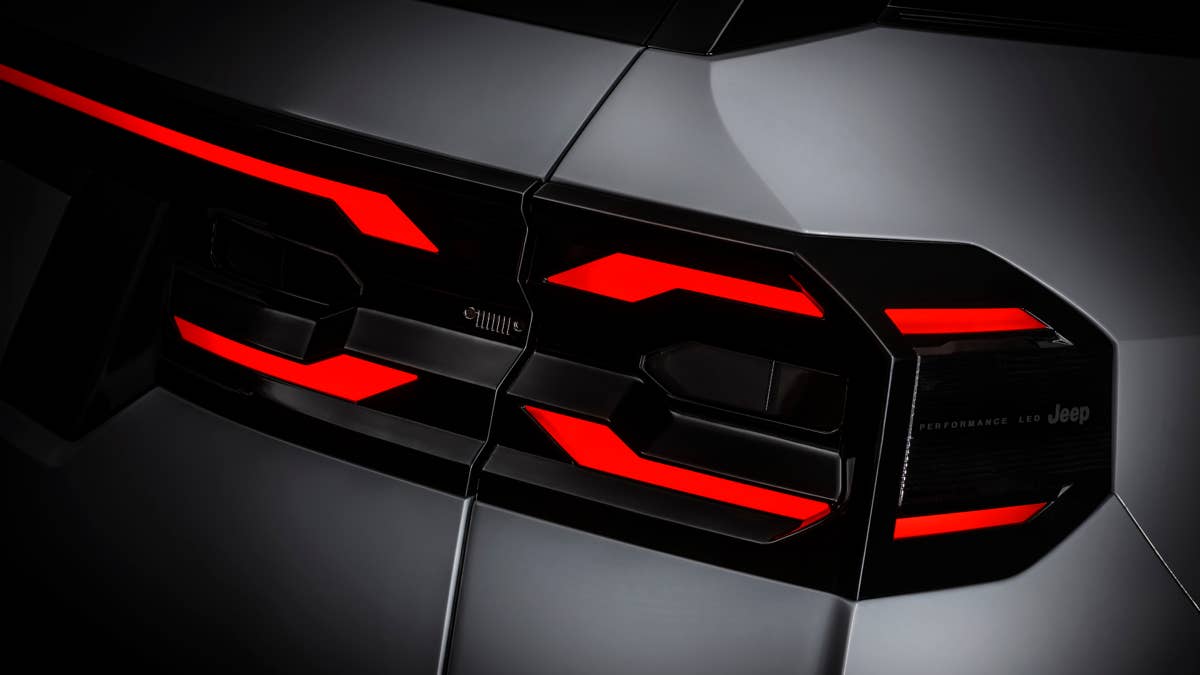
Jeep’s Comeback Strategy
Stellantis hasn’t exactly been subtle about how bad things got. The company posted negative profit margins last year and has spent much of 2025 rebuilding under new CEO Antonio Filosa. His answer is FaSTLAne 2030, a $70 billion turnaround plan that commits to over 60 new vehicles and 50 refreshes by the decade’s end. Jeep sits at the very centre of it. The brand is being repositioned as one of four true global pillars, alongside Ram, Fiat, and Peugeot, with new models spanning everything from a revived Cherokee to a Wrangler Scrambler pickup. The idea is to flood showrooms with cars and claw back market share that drifted badly in recent years.
Stellantis
Why India, and What Comes Next
The new India-developed SUV is one of five globally oriented vehicles Stellantis is building across Asia through local partnerships. The logic is straightforward. Engineering and manufacturing costs in India run significantly cheaper than in Europe or North America, and Tata brings a formidable platform, supplier network, and manufacturing infrastructure. The platform in question is expected to be ARGOS, the same modular architecture underpinning the Tata Sierra, capable of supporting petrol, hybrid, EV, and AWD configurations. Localisation levels are targeted to climb from around 65 percent today toward 90 percent, sharpening the cost advantage further. The SUV is expected to arrive by 2028, and for Jeep, India isn’t just a market anymore. It’s a launchpad.