Between shrinking entry-level gigs, mass layoffs and high rates of long-term unemployment, AI has been at the center of workers’ job loss fears.
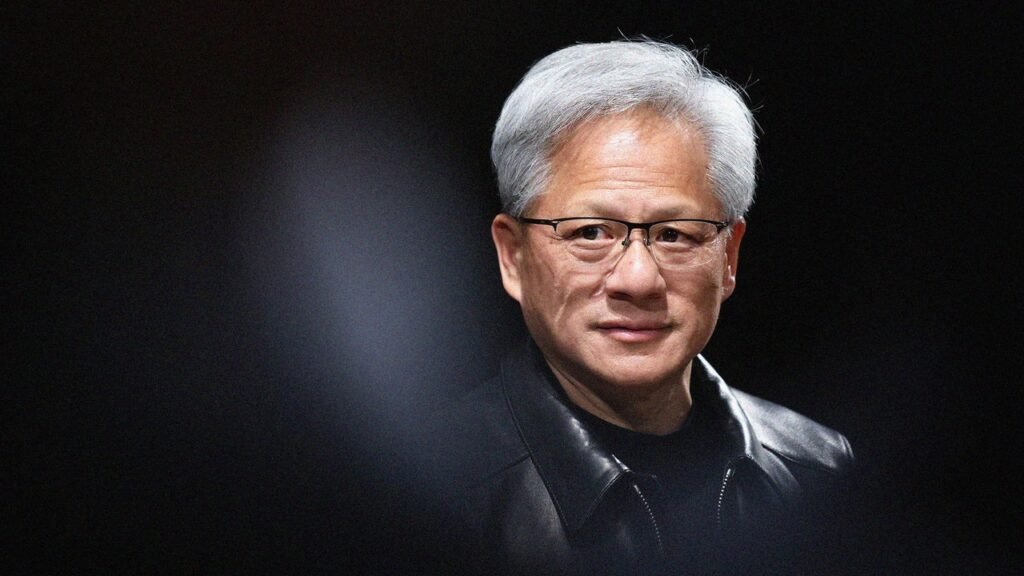
Some tech executives have warned that AI could lead to job displacement, but others preach the exact opposite. One staunch believer that AI will actually create more jobs is Nvidia CEO Jensen Huang.
In a recent interview, Huang discussed the fast-paced advances in AI over the last six months, as well as the deployment of AI agents in the workplace across industries. He also doubled down on his belief that more AI usage means more new hires.
“The more AI we use, somehow the more people we have to hire,” Huang said. “The reason for that is because these agentic systems are new skills.”
“Now we have a lot of software engineers building agents,” he added. “They used to code software, but now they’re building agents. If you ask me, every one of my software engineers prefer to be building agents than to be writing Python code.”
Huang likened coding to typing, adding that building and getting AI agents “to do things with us that we couldn’t do before” requires imagination and creativity.
“The amount of work that we have to do to bring AI into the world is really quite incredible,” Huang said. “And so it’s creating a whole bunch of jobs.”
Huang has been outspoken about the possibility for AI to create more jobs than it will take.
During a May interview with Channel News Asia, he called AI a “lazy” excuse for layoffs.
“AI has just arrived,” Huang said at the time. “How is it possible they’re already losing jobs? How is it possible that AI became productive and useful only six months ago, and they were somehow laying people off two years ago because of AI?”
“It doesn’t make any sense,” Huang added. “It was just a way for them to sound smart, and I really hate that.”
Still, some companies have outwardly linked AI to mass layoffs. A report from outplacement and executive coaching firm Challenger, Gray & Christmas shows AI drove 25% of job cuts in March. Meta, Oracle and Block are just a handful of companies that have laid off thousands of employees because of AI adoption, or to offset spending on AI initiatives. In May, Standard Chartered CEO Bill Winters said the company would slash 7,000 jobs over the next four years to replace “lower-value human capital” with the tech.
Some tech leaders, like Google’s former CEO Eric Schmidt, Anthropic’s CEO Dario Amodei and Amazon’s Andy Jassy, have been more vocal about the potential risks of AI job displacement—which Huang has not seemed unfazed by.
“Now, finally, AI is useful,” Huang said in the interview. “And when AI is useful, every company in the world, every enterprise in the world, wants to get their hands on it.”