- Ford CEO says China and Mexico plants are better at solving quality problems.
- Recent J.D. Power success proves Ford’s efforts to boost quality are working.
- Comments echo warnings from Toyota, Nissan over lower-quality US exports.
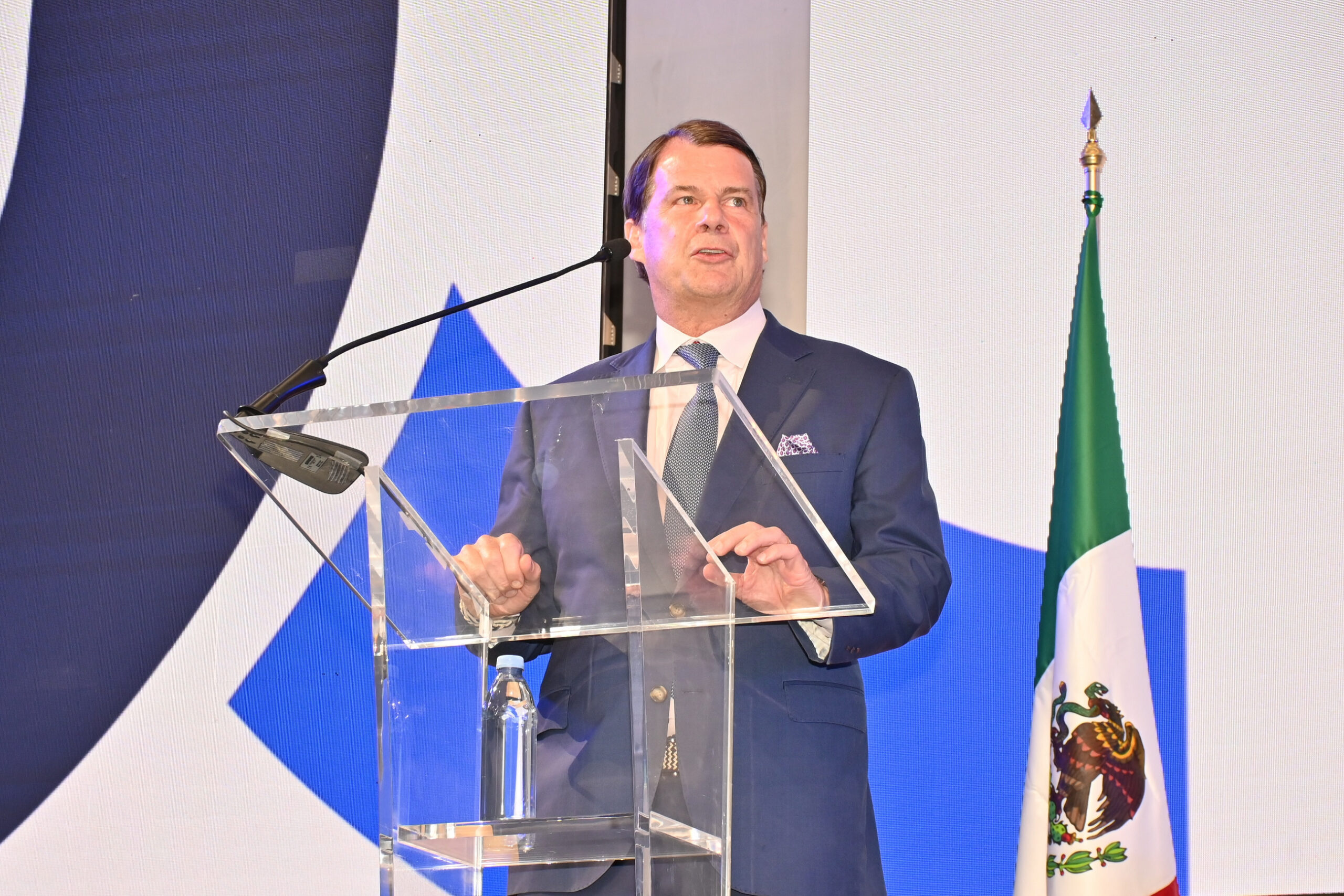
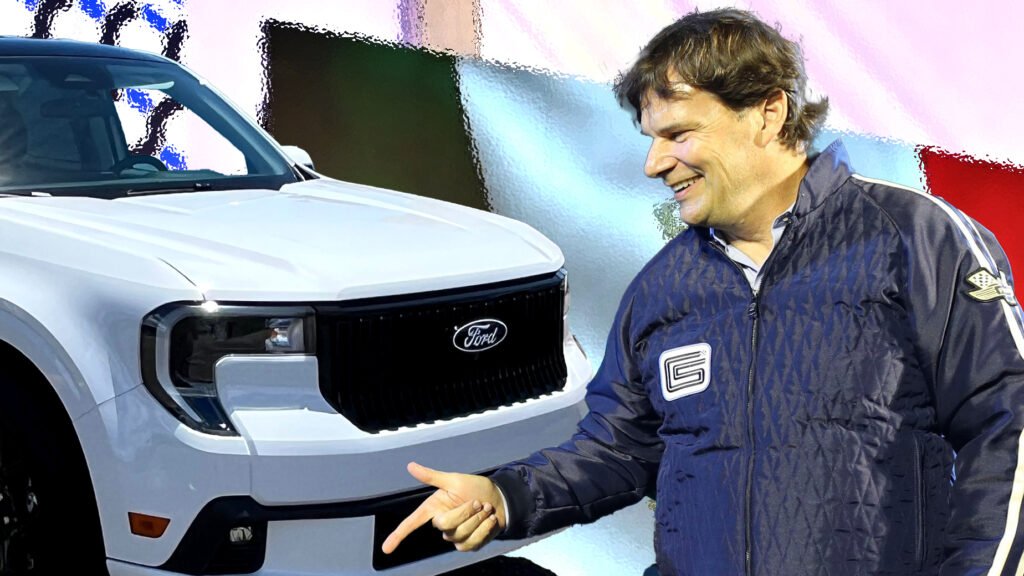
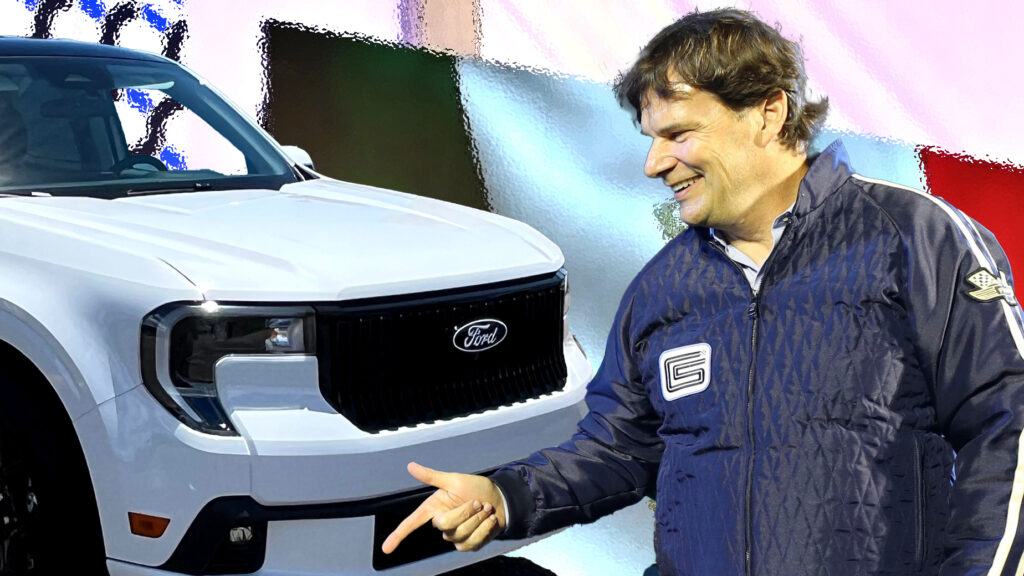
Ford has spent the past few years trying to shake off its terrible reputation for recalls and quality headaches. Now, CEO Jim Farley says some of the company’s best work isn’t actually happening in America, with Ford’s plants in Mexico and China setting the benchmark everyone else is chasing.
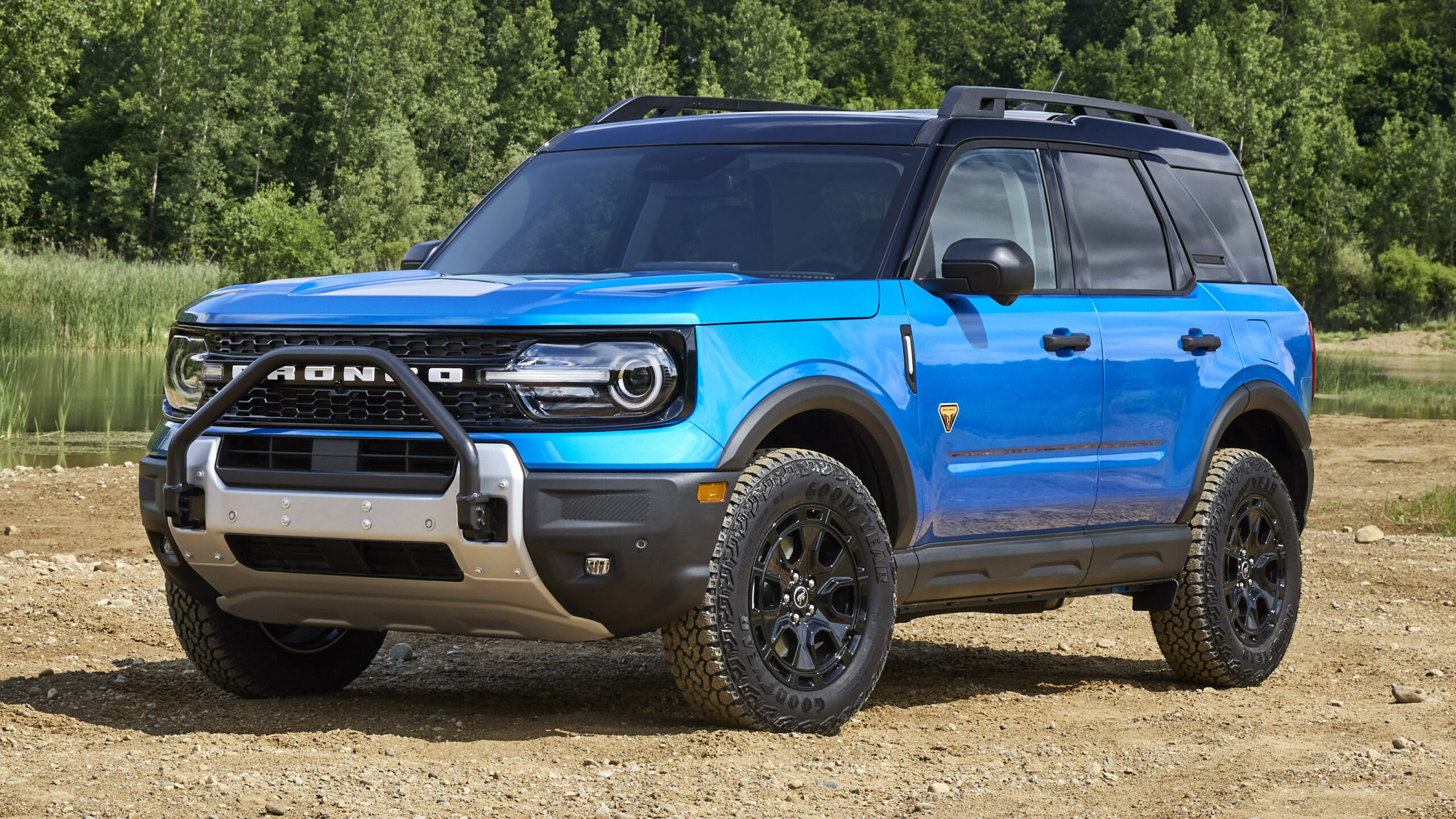
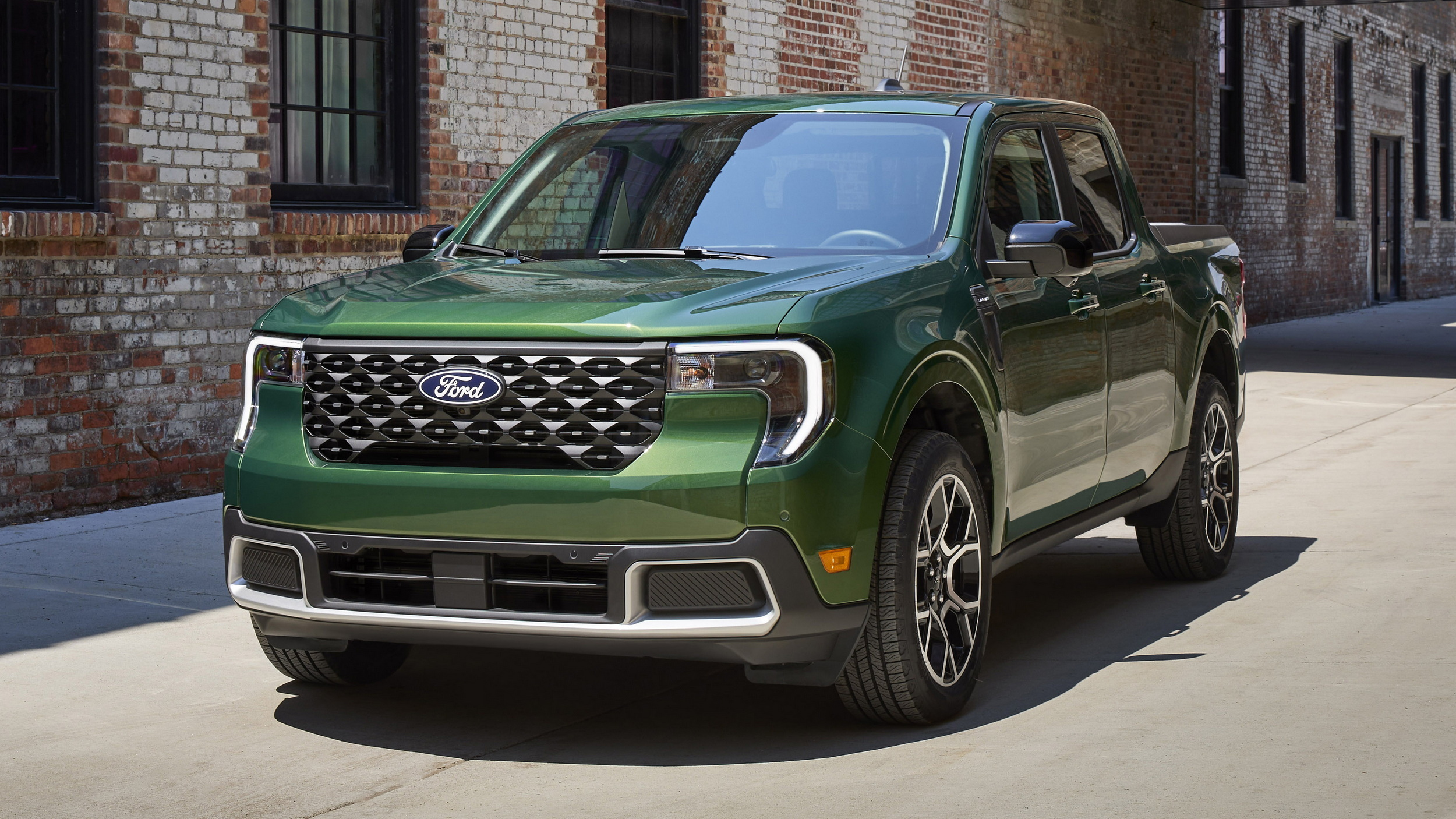
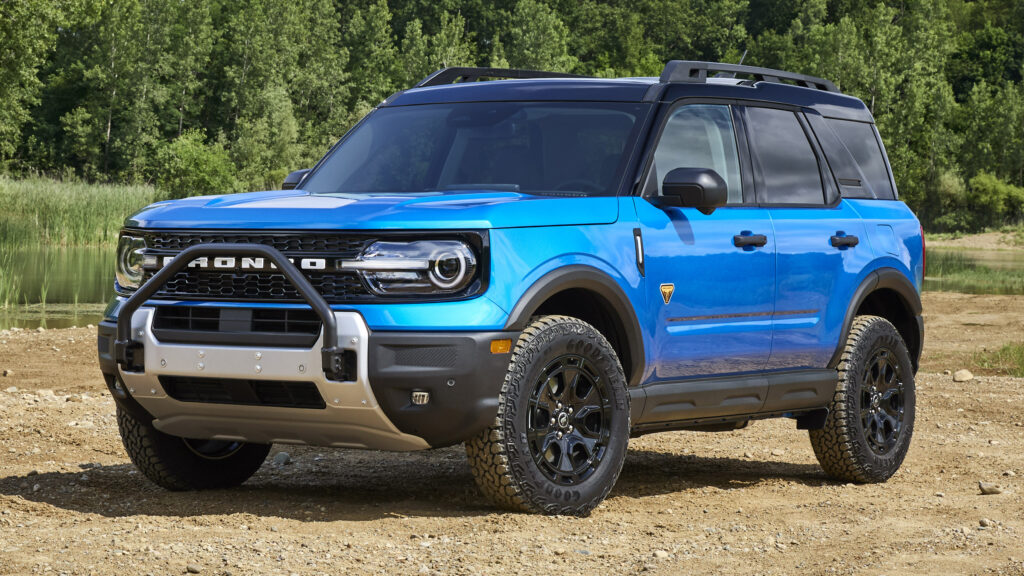
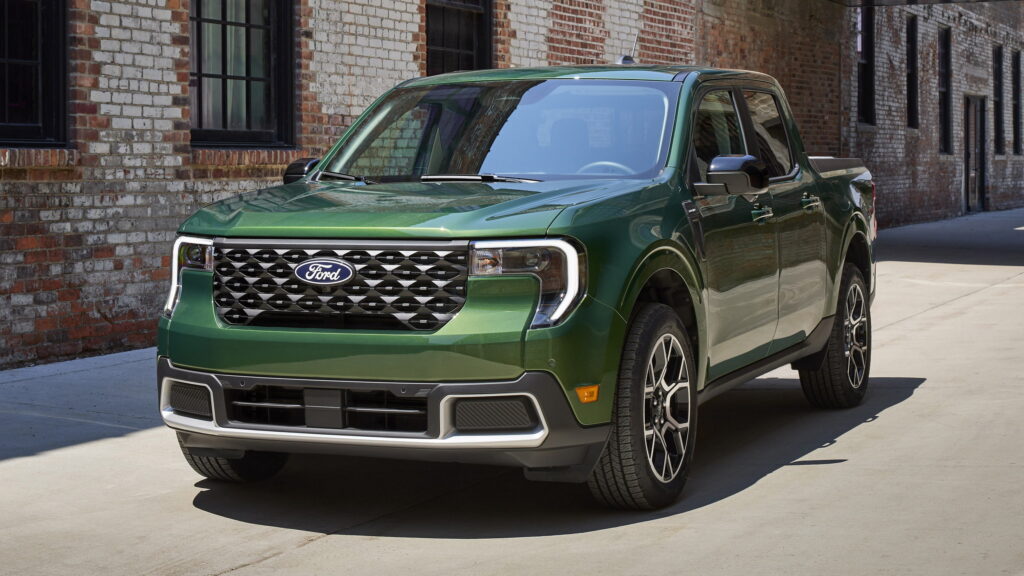
Farley told reporters that Ford’s operations south of the border and in China, which build models like the Maverick and Bronco Sport, consistently outperform the rest of the company’s manufacturing network when it comes to following production processes and solving problems on the factory floor.
Related: Ford Went From Recall King To JD Power’s Top Mainstream Brand For Initial Quality
“Consistently, our China and Mexico plants are the most compliant with process and have the deepest problem-solving skill,” The Detroit News quotes Farley saying. He added that different countries bring different workplace cultures, and those can either help or hinder the company’s quality goals.
US Plants Are Catching Up
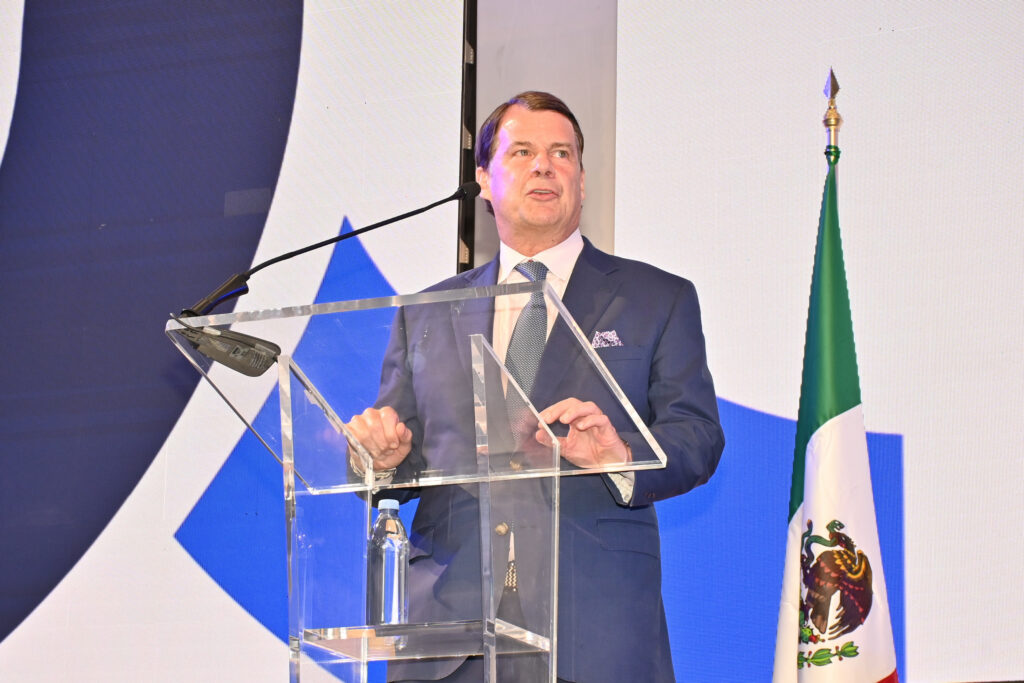
That might sound like a dig at Ford’s US plants, but the bigger picture is more nuanced. Farley also pointed out that American factories represented by the UAW have improved rapidly, something backed up by Ford’s surprise victory in this year’s JD Power Initial Quality Study after sitting well down the rankings only a few years ago.
Ford went from being the poster child for recalls to topping the mainstream brand rankings for initial quality, with Farley describing it as the result of a four-year effort to overhaul the company’s manufacturing culture. That said, the automaker is still issuing recalls – and not all of them for older cars – at a pace that reminds everyone there’s plenty of work left.
Toyota And Nissan Share Sentiment
Farley’s comments also bring to mind another recent quality story that doesn’t put American autoworkers in a great light. Toyota and Nissan have warned Japanese buyers that some US-built imports may arrive with paint imperfections, uneven panel fit, or minor cosmetic flaws that wouldn’t meet typical domestic expectations.
Ford believes technology will play an even bigger role in nailing quality going forward. Farley said workers in Mexico and China are embracing artificial intelligence tools far more enthusiastically than their North American counterparts, though he insists software alone isn’t enough.
“There’s no substitute” for skilled workers, Farley said. AI can help, but he believes lasting quality still depends on experienced people spotting problems before customers ever do.
Ford