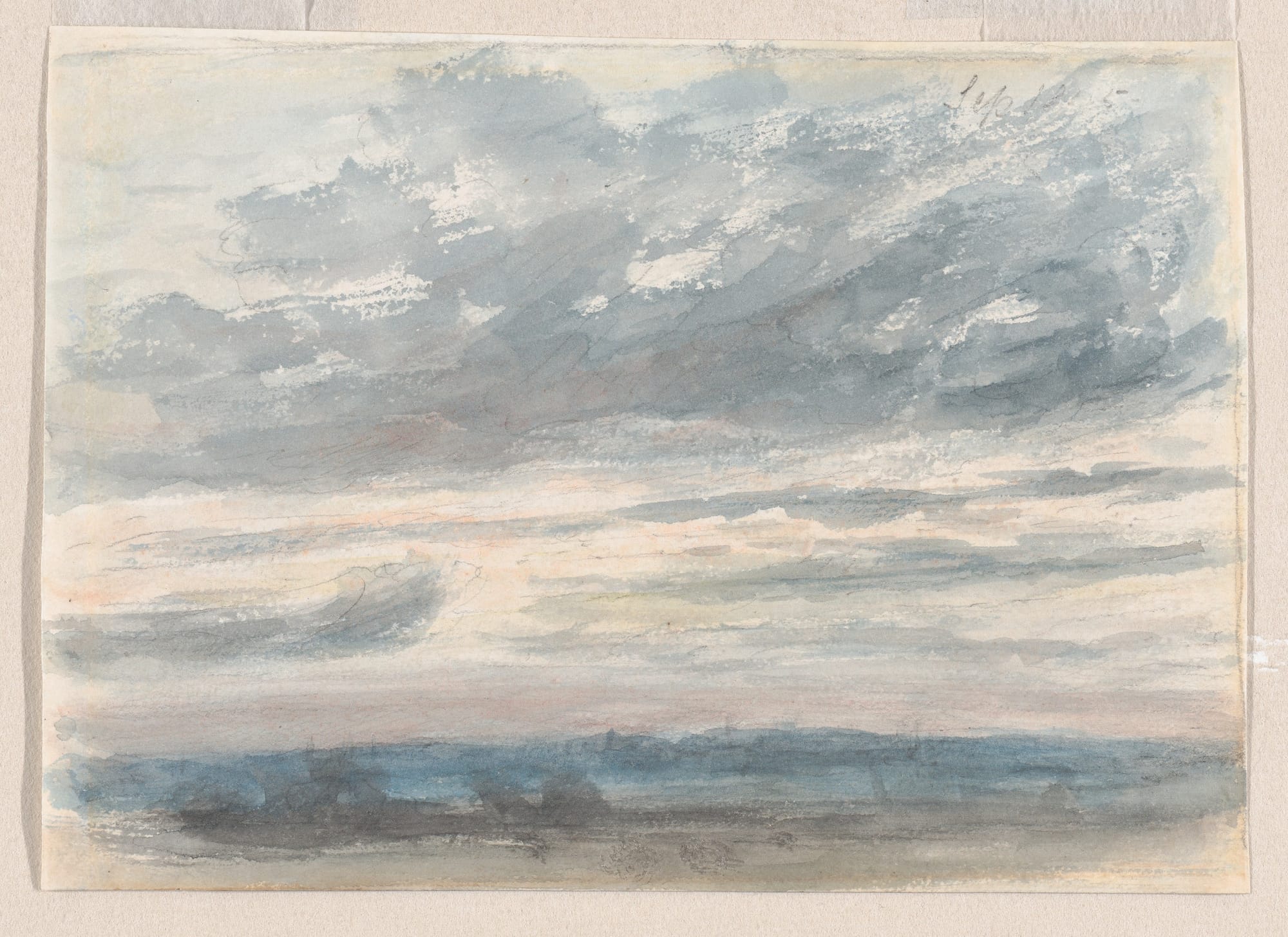
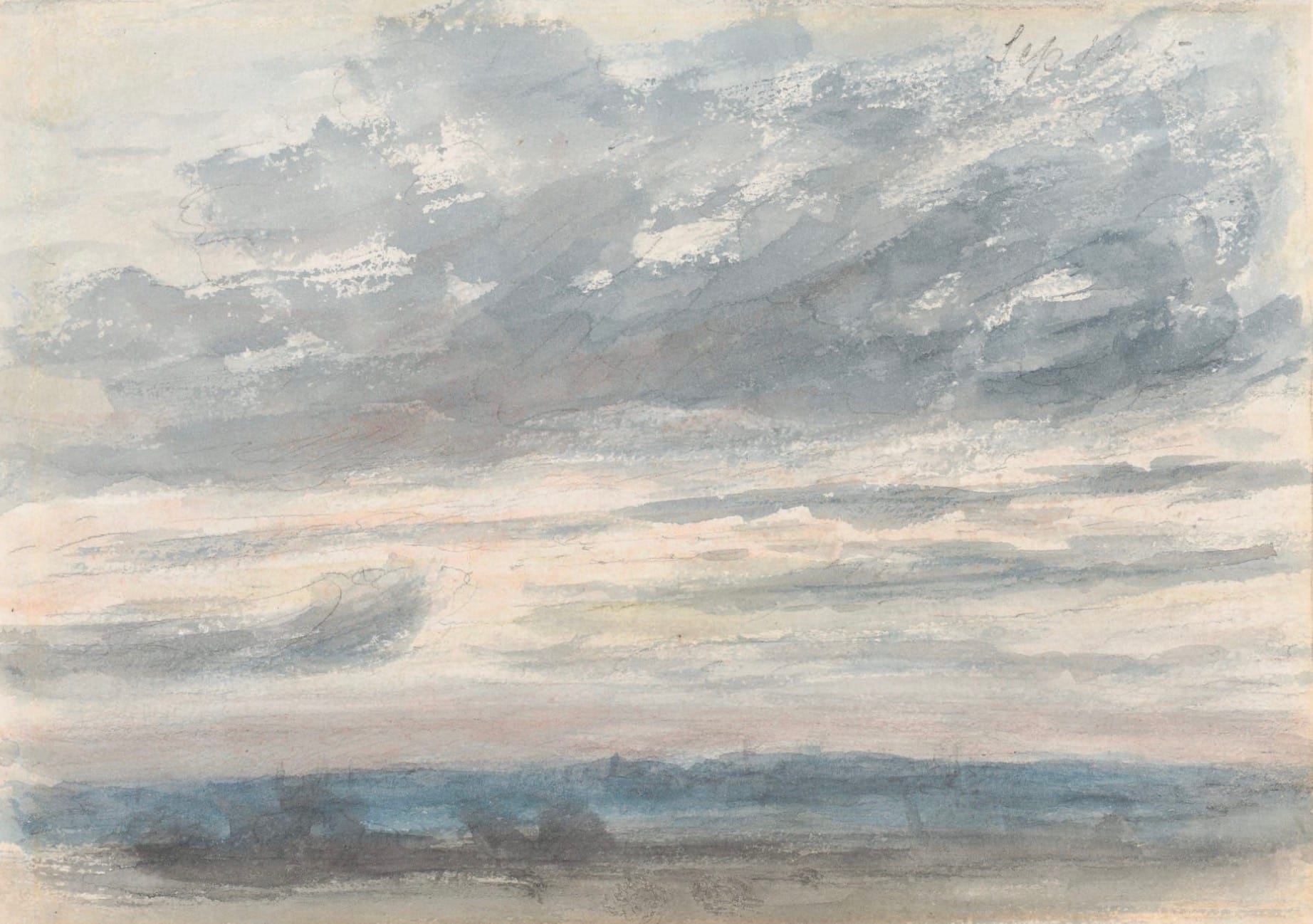
Dozens of books have been written about the British landscape painter John Constable since his death in 1837, including three major biographies published just last year. Yet a new account by art historian Susan Owens, formerly a curator of paintings at the Victoria and Albert Museum, takes a fresh and engaging approach to the renowned 19th-century painter and his work, encouraging us to reconsider his life and landscapes.
Constable’s Year: An Artist in Changing Seasons (2026) tells his story through his extraordinary relationship to weather, place, and time. Owens’s book bucks the usual chronological format, instead dividing Constable’s experiences and artworks into chapters based on the spring, summer, fall, and winter periods that defined his life. Her exquisitely illustrated book — which features a wealth of the artist’s lush paintings and breathtaking but rarely seen sketches — convincingly argues that Constable’s deep connection to the land doesn’t just set him apart from his peers; it also keeps his work relevant today.
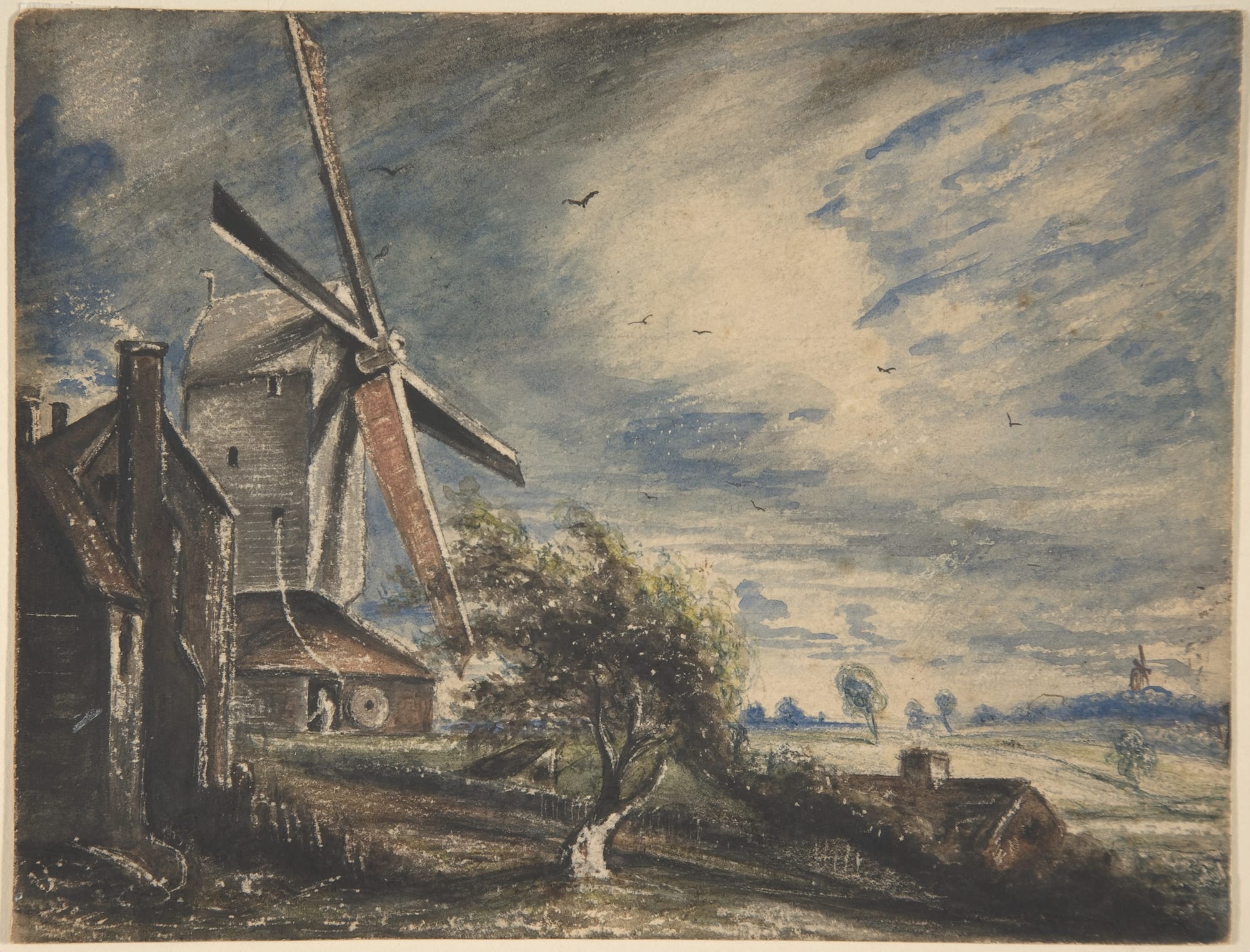
Constable’s early life around the village of East Bergholt, Suffolk, was spent mostly outdoors, and he never lost his love for the land. Owens reveals the importance of his country upbringing and his family’s busy milling and grain transportation business, which gave him firsthand knowledge of the local fields, windmills, watermills, barges, and agricultural cycles. After Constable moved to London in 1799 to study art, he returned to Suffolk every summer and early fall to sketch while other landscape painters spent their summers traveling to fashionable sites around Britain or Continental Europe.
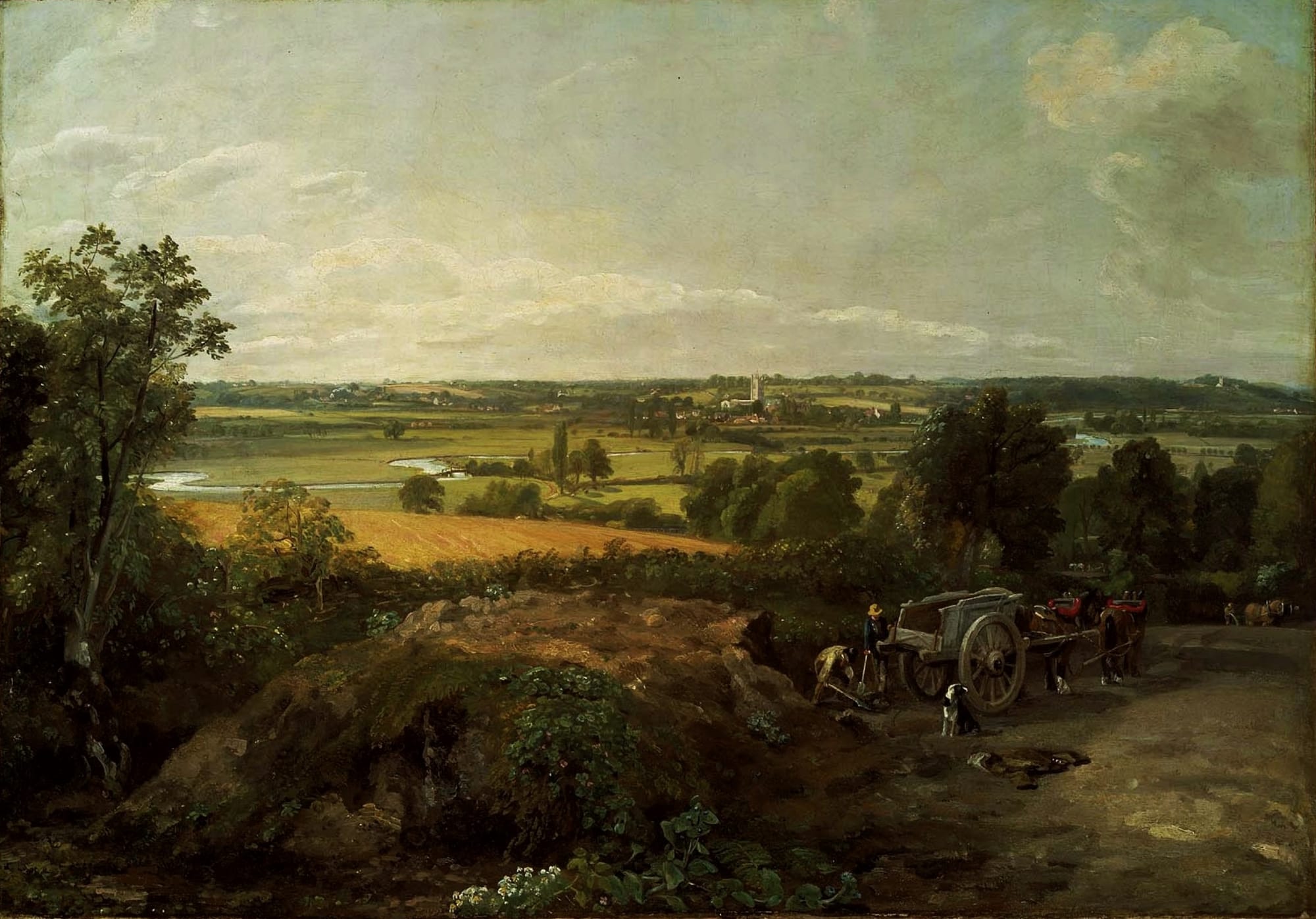
In fact, Constable’s rural background was unique among his celebrated London peers, who the artist once complained “know nothing of the feeling of a country life … any more than a hackney coach horse knows of pasture.” Owens often grants us glimpses of Constable’s uncommon devotion to place, as when she discusses his 1815 painting of — of all things — a massive manure heap. “Stour Valley and Dedham Village” is an unexpected but masterful canvas that demonstrates the artist’s boundless interest in the details of farming labor and lifeways. As strange as it may seem, even fertilizer “was every bit as interesting to him as a ripe crop,” Owens emphasizes.
Despite Constable’s provincial roots, Owens proves his world to be anything but small. She weaves in information on his influential poetry, literature, sales in France, and relationships with the Royal Academy, mentors, and patrons. She also writes sympathetically about Maria Bicknell, the painter’s wife and the mother of his seven children, who admirably endured Constable’s weekslong seasonal Suffolk drawing trips far from their home in London and died at age 41 of tuberculosis.
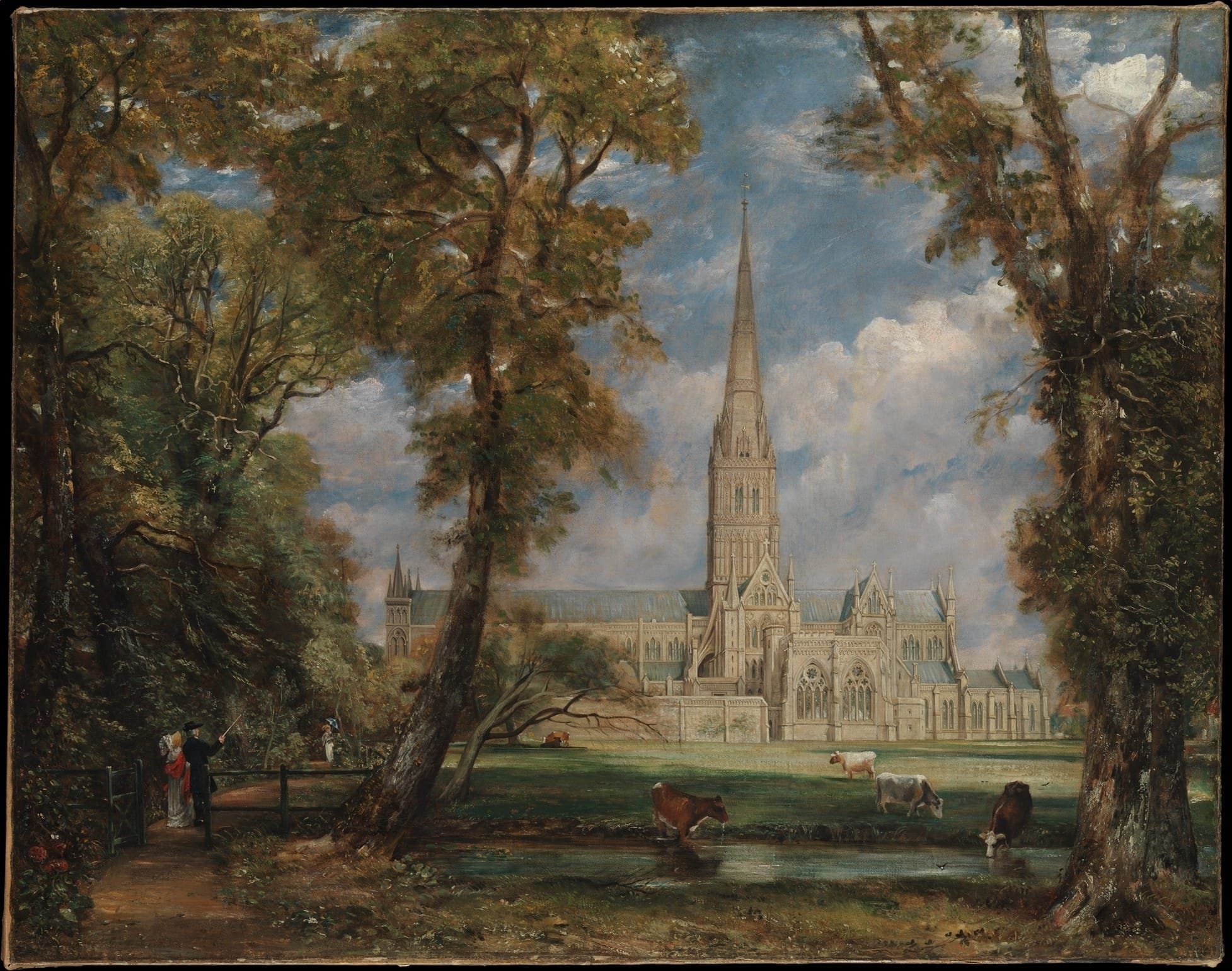
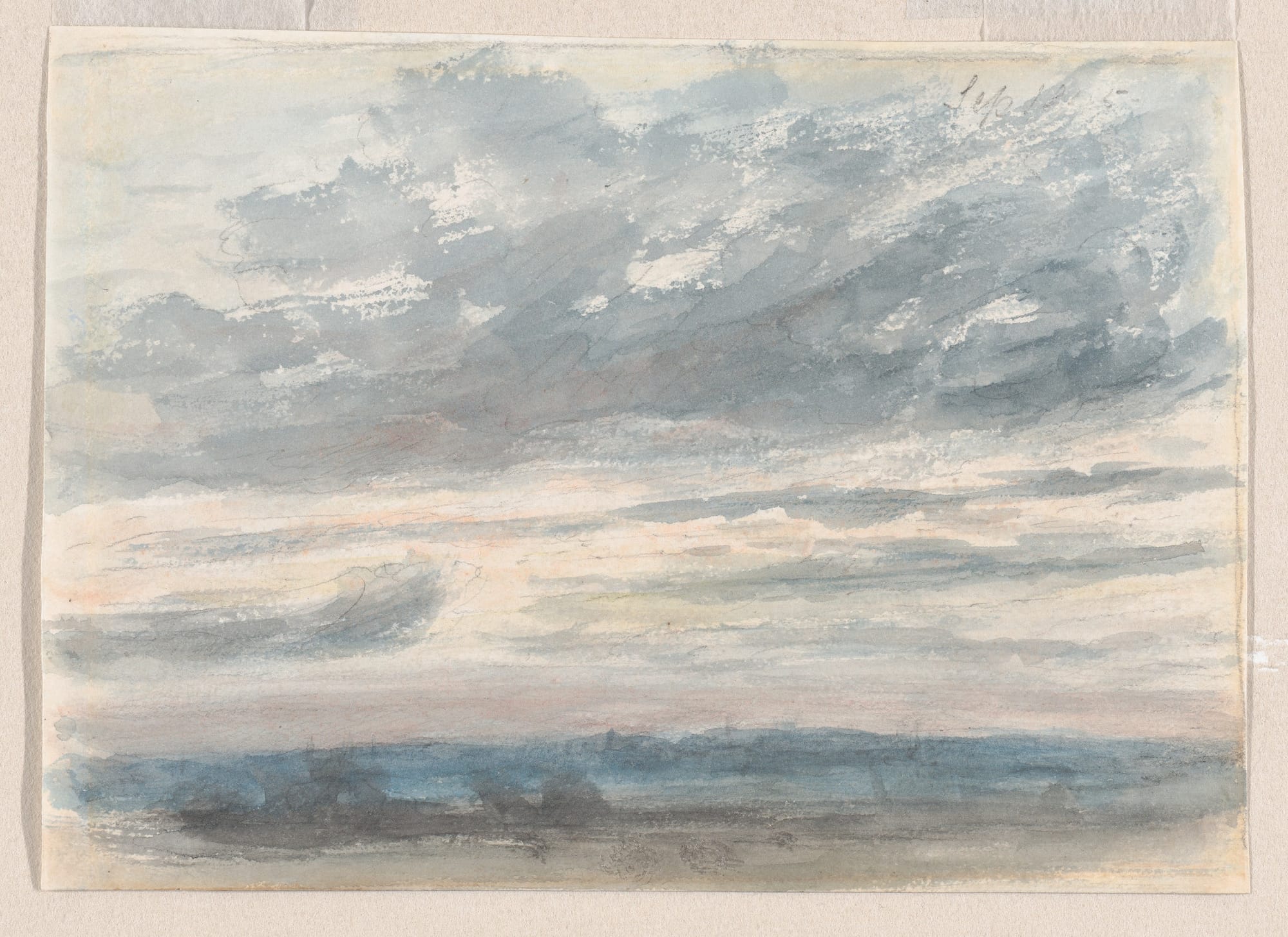
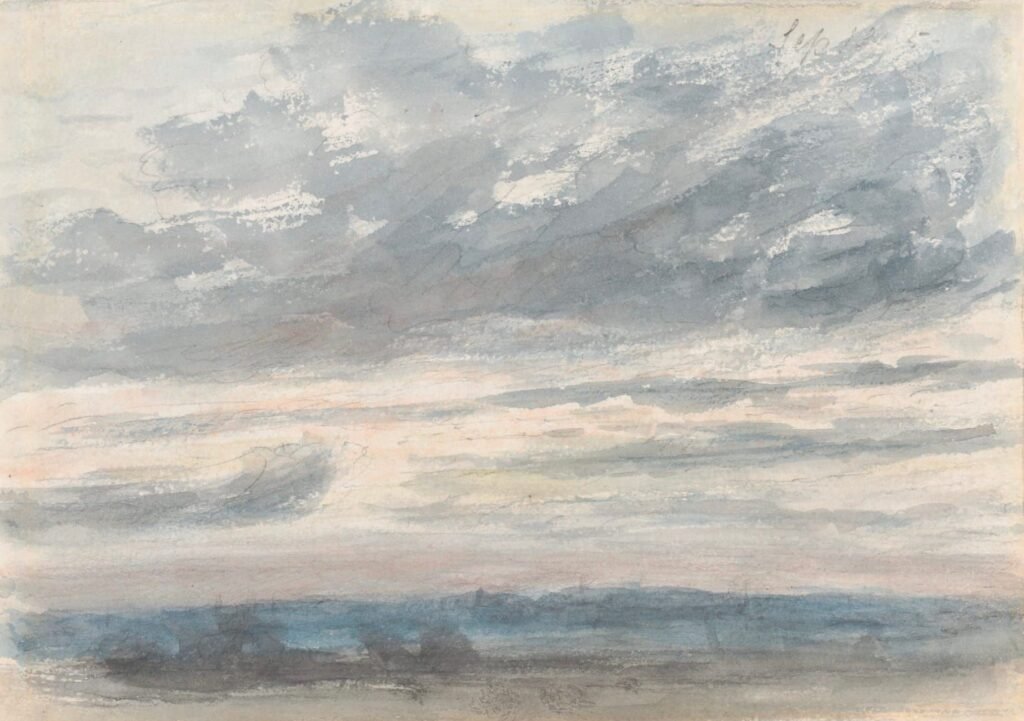
Particularly enriching is Owens’s focus on weather phenomena of the time, which Constable watched with a keen and quasi-scientific eye. The artist frequently annotated his sketches with careful notes on the date, time of day, weather, and even direction of the wind as he was working. And in his practice of “skying,” he painted genre-defying, meticulous images that depicted only clouds. His lifelong study of nature made him able, in the author’s words, “to express on canvas the feeling of a summer noon in the depths of winter.” Owens discusses the weather of the world Constable inhabited, including the ramifications of the eruption of Mount Tambora in Indonesia in 1815 on global climate, exceptionally cold winters in London, and the environmental impacts of Britain’s ongoing industrial revolution.
In his beloved Suffolk, Constable found inspiration “under every hedge, and in every lane,” but for much of his life in London, he struggled to find lasting financial success and critical acclaim with his work. More recently, both Nicola Moorby’s 2025 biography and the Tate Britain’s major exhibition pitted Constable against his contemporary and rival J. M. W. Turner, who is often seen as the more radical and revolutionary artist of the two. Owens’s book instead gives Constable and his thoughtful landscapes center stage, allowing the artist and his work to sing through the seasons.
Constable’s Year: An Artist in Changing Seasons (2026) by Susan Owens is published by Thames & Hudson and available online and through independent booksellers.