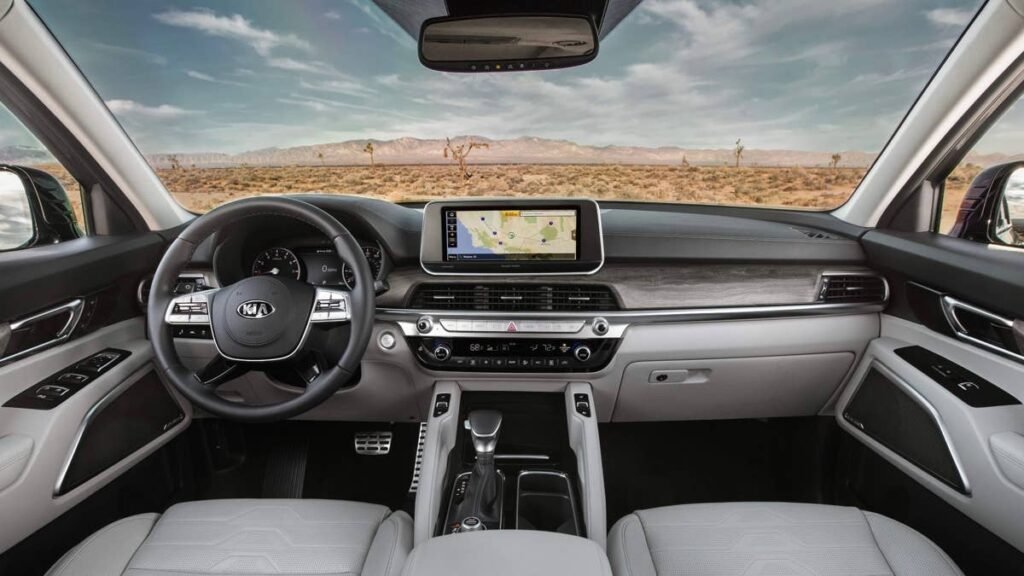
A Kia Telluride class action lawsuit related to windshields that are allegedly defective will drag on after originally being filed almost six years ago. A federal judge has now refused to dismiss the class action, despite Kia arguing that the entire case should be thrown out. While some warranty claims were dismissed, others remain, with plaintiffs alleging that windshields of certain first-generation Telluride models chip, crack, and break due to a manufacturing defect. As the Telluride is one of Kia’s most popular vehicles, the number of people affected is potentially significant. Here’s everything we know.
Kia Telluride Windshield Lawsuit
Kia
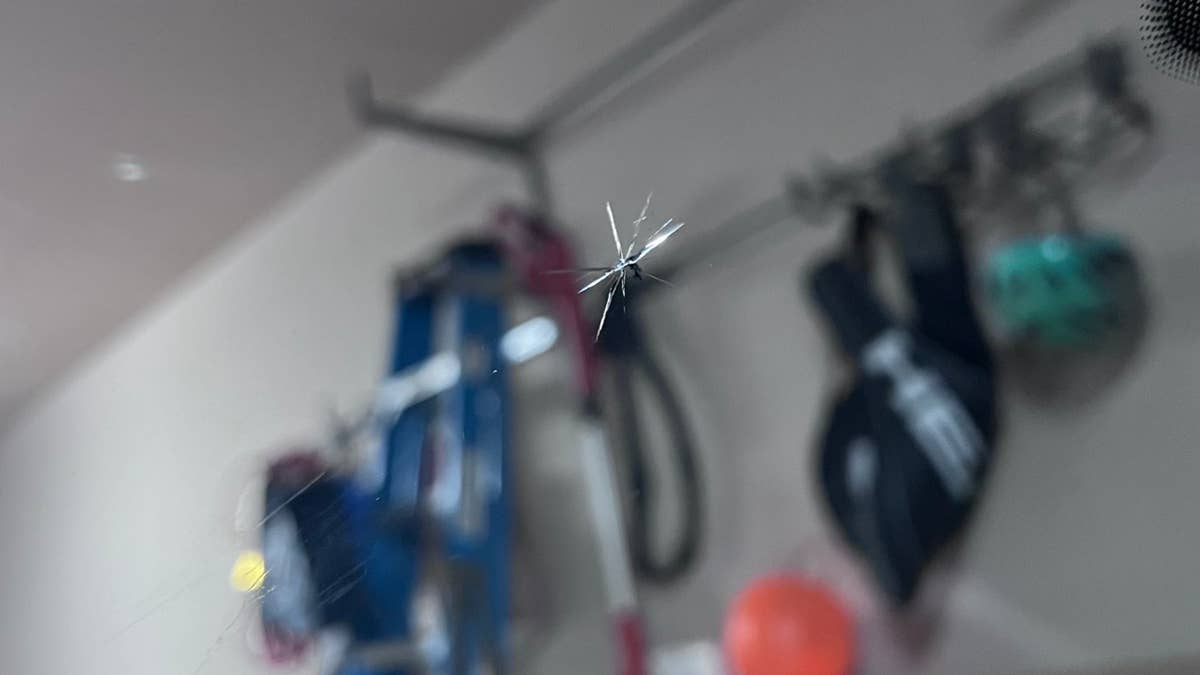
The original lawsuit in 2020 claimed that Kia should have issued a recall for the defective windshields, which allegedly failed for no justifiable reason. The plaintiff at that time owned a 2020 Kia Telluride, one of the earlier examples of the SUV, and claims that a small crack developed and quickly expanded on the windshield despite no indication of any object striking the glass.
The plaintiff then found that although no recall was issued, Kia had sent a letter to some 2020 Telluride owners in November 2019. The automaker said it had “identified that in some instances, customers have reported windshield chipping followed by extensive cracking within a short period of time, thereby preventing repair of the chip.”
Telluride Forum
In November of 2019, Kia said it would replace the windshields as a goodwill gesture. Fast-forward to 2026, and the two class actions (Margaret Ritzler v. Kia and Yandery Sanchez v. Kia) have been consolidated. The lawsuit now includes these Telluride models and states:
- California: 2020–2022 Kia Telluride
- Georgia: 2020–2023 Kia Telluride
- Indiana: 2020–2023 Kia Telluride
- Iowa: 2020–2022 Kia Telluride
- New Mexico: 2020–2023 Kia Telluride
- North Carolina: 2020–2022 Kia Telluride
- Pennsylvania: 2020–2023 Kia Telluride
- Tennessee: 2020–2023 Kia Telluride
- Texas: 2020–2023 Kia Telluride
- Virginia: 2020–2023 Kia Telluride
We visited the National Highway Traffic Safety Administration’s (NHTSA) website and found a few complaints related to unusual windshield cracks. One owner claimed to have needed three windshield replacements in one year. Another had their windshield crack “within the first few thousand miles” of owning the car, and Kia’s replacement windshield did the same under a year later.
Judge Josephine Staton notes that one plaintiff complained it could be “very hard to see out of the window,” presumably because of the extent of the cracked glass. Staton also said she “must examine all the evidence in the light most favorable” to the plaintiffs, according to Car Complaints.
Related: Kia Telluride Reliability: Better Than Ford, Nowhere Near Toyota
Kia Refutes Claims of Windshield Defect
Kia
Kia said that the case should be dismissed as plaintiffs did not provide evidence that all Telluride windshields suffered a common defect. The automaker said its own expert tested the Gen II windshield and found the tensile stress to be within the correct range. It further claimed that the mounting angle, thickness, and curvature of these windshields are “squarely within the normal range for vehicles in its class.”
Finally, Kia said that plaintiffs failed to provide one example whereby a cracked windshield led to an accident or other injury. While Kia offers one of the best warranties in the industry, this excludes coverage for broken, chipped, scratched, or damaged windshield glass. The company said in its letter on the NHTSA’s site it would reimburse customers for out-of-pocket expenses, but that applied only to 2020 Tellurides, and the issue has been found on newer models, too.
Final Thoughts
Kia
A structurally sound windshield is critical for vehicle safety. Not only do airbags bounce off a windshield in a crash, but they also stop occupant ejection or prevent road debris from entering the vehicle. Cracks can impede visibility, another potential safety hazard. With this in mind, it’s understandable that some Telluride owners have expressed frustration that no recall was issued.
What remains unclear is whether the plaintiffs can provide clear evidence of a common defect, but the judge’s latest decision suggests this could be possible. In a case that’s now almost six years old, a resolution still hasn’t been found, risking further damage to the brand’s reputation since this is one of its most important models in the United States.
Related: Are Modern Hyundais And Kias Built To Last Beyond The Warranty?