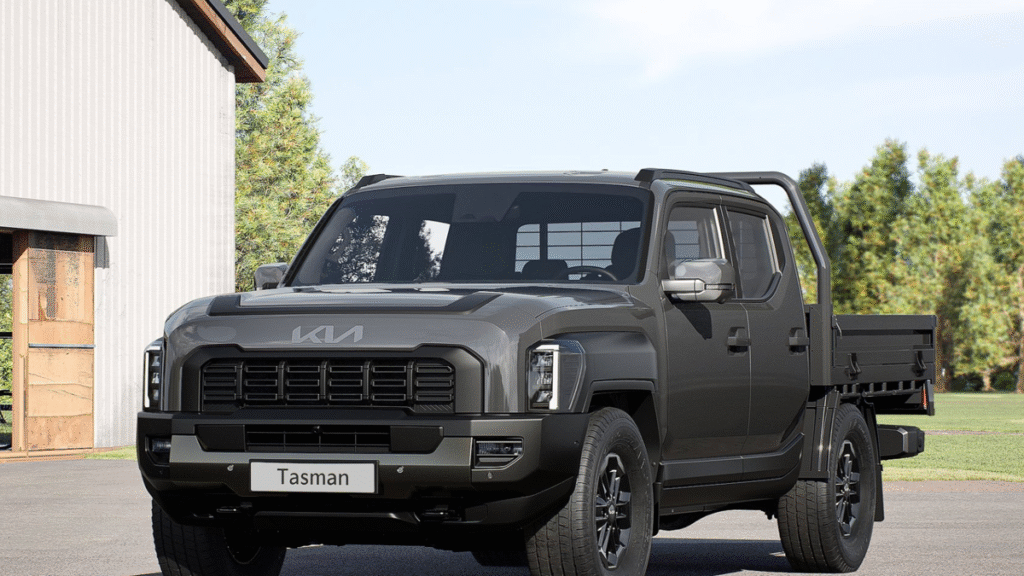
Kia has found success in multiple vehicle segments. From cheap sedans to near-premium midsize SUVs, the company’s brave design choices and diverse powertrain lineup have seen sales surge. So, it’s especially disappointing that the brand’s first pickup, the Tasman, has been unable to achieve the same level of success as other Kias. It marks a rare misstep for the otherwise thriving Korean marque. In the latest sales results out of Australia—where midsize pickups like the Toyota HiLux and Ford Ranger are immensely popular—the Tasman is falling far short of its sales target.
Tasman’s March Sales Were Dismal
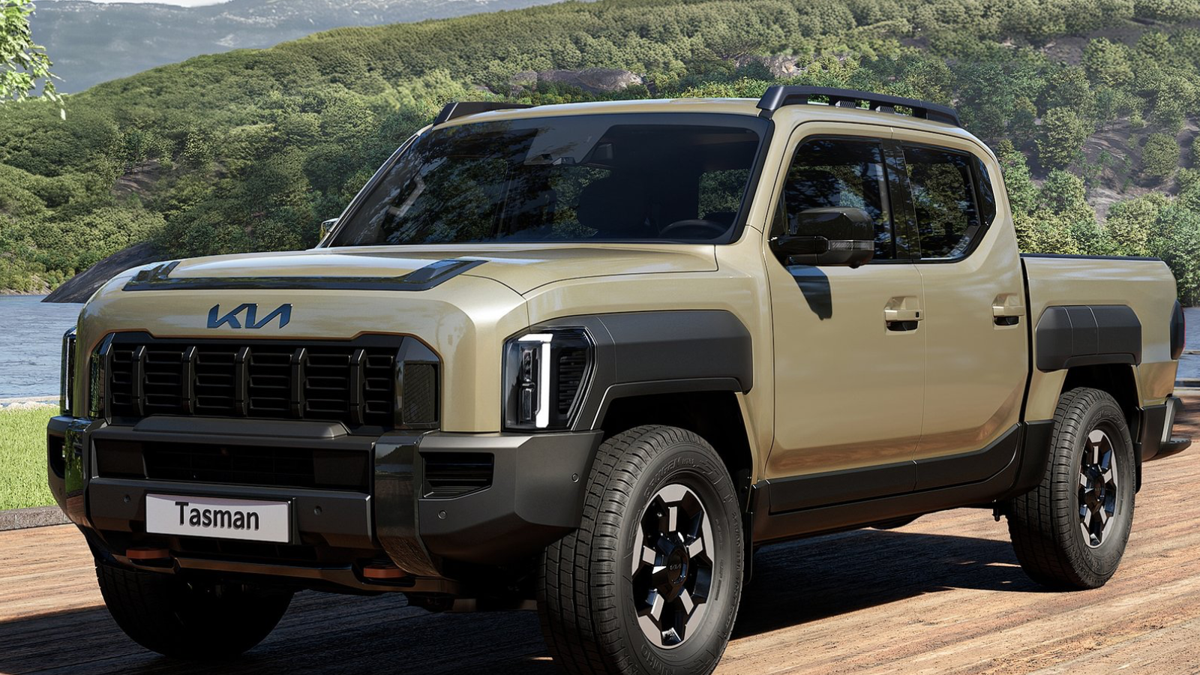
Kia originally hoped to sell 20,000 Tasman pickups in Australia annually. In March, only 399 Tasmans were sold Down Under, far below the monthly target and most competitors; the HiLux and Ranger moved over 4,000 units each in the same month. Other pickups like the Isuzu D-Max and Mitsubishi Triton were also well ahead of the Tasman.
Many observers have pointed to the Tasman’s unorthodox design as a reason for its poor initial sales. However, in December last year, Kia denied suggestions that it would fast-track a redesign of the pickup. Kia Australia CEO, Damien Meredith, says he knows where the company needs to focus to get Tasman sales up.
“Lifestyle [sales] we’ve done very, very well and that’s probably been the Kia owner, the one who’s loyal to the product,” said Meredith to Carsales. “What we need to do is improve fleet, we need to improve our [agricultural] performance and we need to improve our provincial performance. Selling cars to people – not farmers – in provincial areas.”
Dennis Piccoli, Kia Australia COO, said that cracking the fleet market is tough, as “existing brands that are out there are pretty well entrenched”.
What It Means
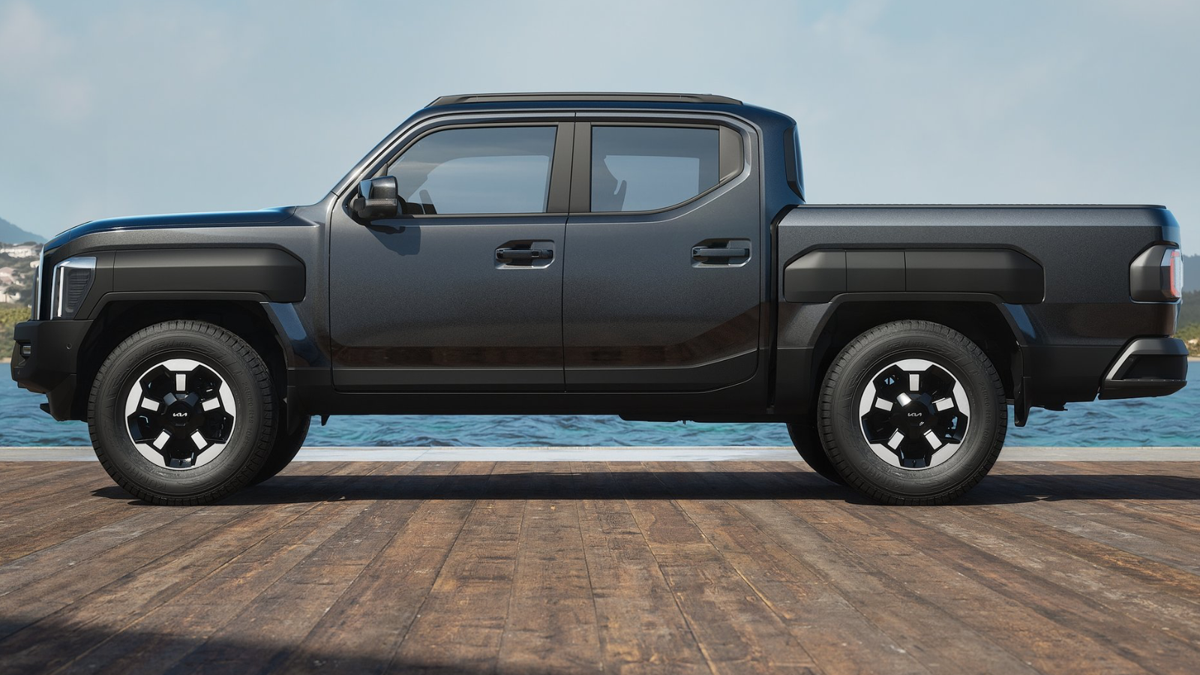
For now, many Australians needing a no-frills, workhorse pickup are still turning to traditional, trusted nameplates. These cheaper pickups prioritize capability, reliability, and value, and it’s this area where the Tasman has so far failed to resonate with buyers.
In the U.S., we’ve seen a similar level of loyalty for more established truck brands. Take Ford and Hyundai, for instance. Even though they entered the compact pickup segment at a similar time with the Maverick and Santa Cruz, the Ford has been comprehensively outselling the Hyundai for a while now. Like Hyundai, Kia is relatively new to the pickup space, so this trend potentially spells trouble for Kia’s upcoming body-on-frame midsize pickup. It may struggle to match the Toyota Tacoma on the sales charts, just as the Tasman is battling to compete with established truck rivals.
In the pickup segment, no matter how accomplished your product may be, buyers tend to stick with what they know and trust. Earning that respect could take Kia years.