The new Lamborghini Urus SE Performante is more powerful, more aerodynamic and considerably more sophisticated than the Urus SE. Yet one of the most revealing numbers associated with Lamborghini’s latest super SUV is not its 801-horsepower output or 194-mph top speed. It’s the 220 pounds Lamborghini deliberately chose not to remove.
Speaking at the car’s unveiling at the Goodwood Fesatival of Speed last month, Stefano Cossalter, Lamborghini’s Urus Product Line Director, told us that removing another 100 kilograms would be technically possible. The problem is that doing so would sacrifice the comfort and practicality owners expect from an Urus.
“I can easily take out of this car 100 kilos,” Cossalter said. Fit “super-racing seats,” he explained, and the weight would fall rapidly, but “you lose the comfort.”
“That’s the point,” Cossalter added. “You need to find the balance.”
Adam Lynton / Autoblog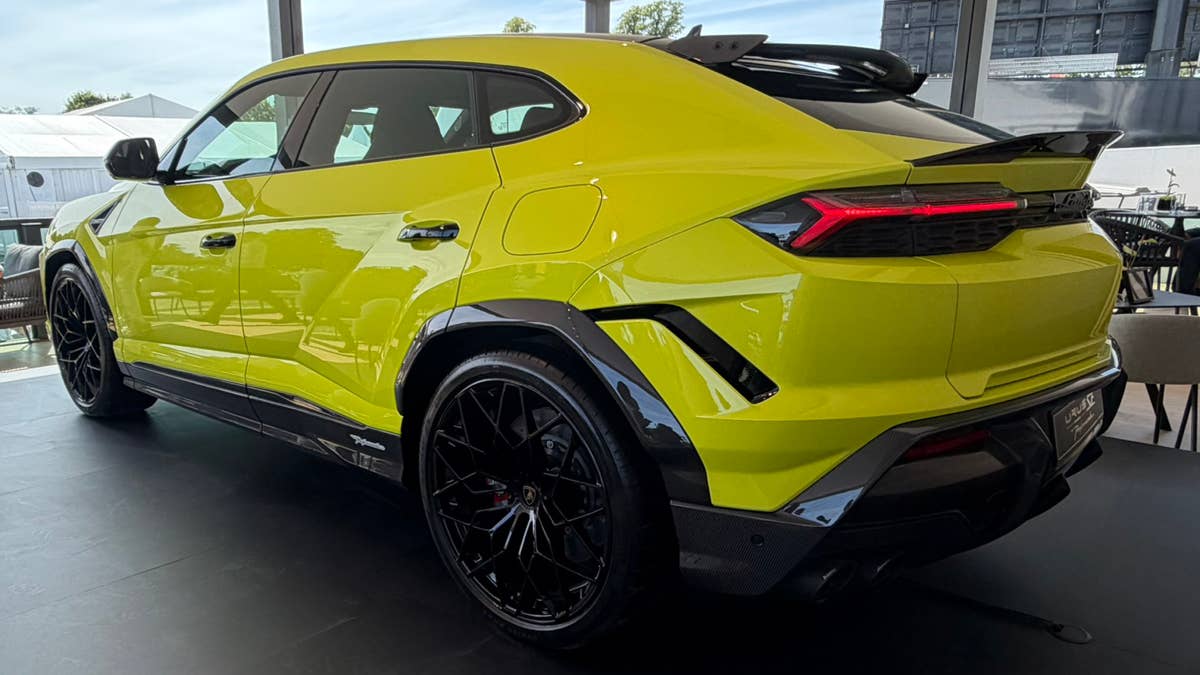
Lighter Than The Urus SE, But Heavier Than Its Predecessor
Finding that balance is harder than before because the new Performante is based on the plug-in hybrid Urus SE. Its 25.9-kWh battery, electric motor and related hardware add substantial weight compared with the previous gasoline-only Urus Performante.
The Urus SE Performante has a homologated curb weight of 5,452 pounds, making it 71 pounds lighter than the standard Urus SE. The previous Performante weighed about 4,740 pounds, meaning the new model carries roughly 700 additional pounds despite featuring more carbon fiber than any Urus before it.
Lamborghini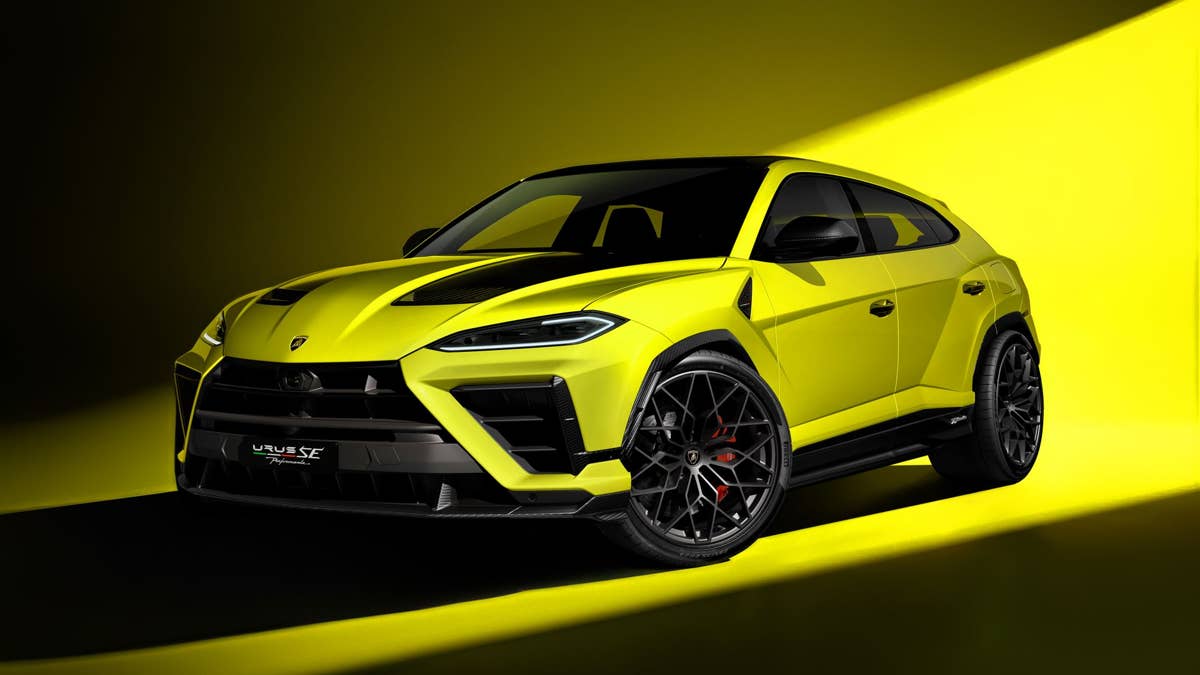
It compensates with considerably more power. The 4.0-liter twin-turbocharged V8 and electric motor produce 801 hp, and 738 lb-ft of torque. The regular Urus SE produces 789 hp, while the previous Performante made 657 hp and 627 lb-ft without hybrid assistance. Despite the weight increase, the new Performante matches its predecessor’s 3.3-second sprint from zero to 62 mph. Top speed rises from 190 to 194 mph.
Related: Lamborghini’s Fourth Model Will Be A Wild Grand Tourer, But It Won’t Be Electric
As we previously reported, Cossalter also confirmed that Lamborghini’s proposed fourth model, previously presented as the electric Lanzador concept, is now expected to become a hybrid grand tourer. The Performante demonstrates why Lamborghini currently favors hybrid power: electrification adds weight, but it also gives engineers more power and far greater control over how that performance reaches the road.
Adam Lynton / Autoblog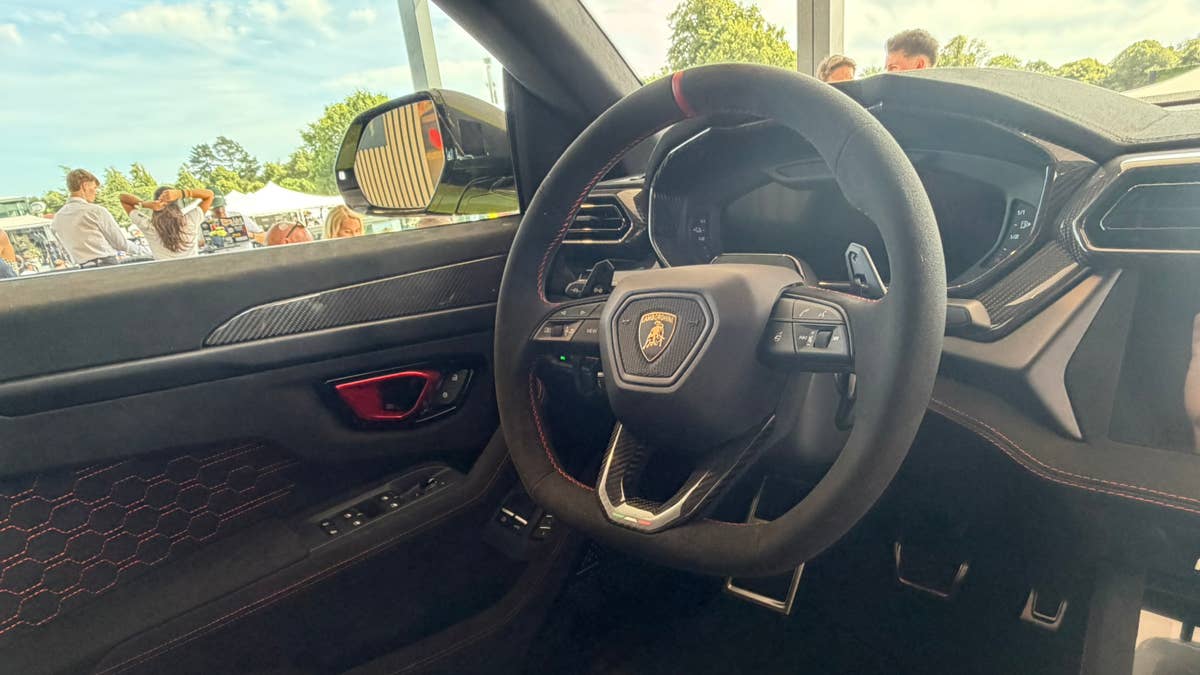
Lamborghini Found Six Pounds Using New Upholstery
Lamborghini removed weight from almost every area of the Performante without turning it into an uncomfortable track special.
Its carbon-fiber hood, roof, wheel arches, side skirts and rear diffuser contribute to the overall 71-pound saving over the Urus SE. A standard titanium Akrapovič exhaust removes more than 22 pounds, the new Integrated Power Brake system saves nine pounds and revisions to the noise-insulation package cut another seven pounds. Even the upholstery went on a diet.
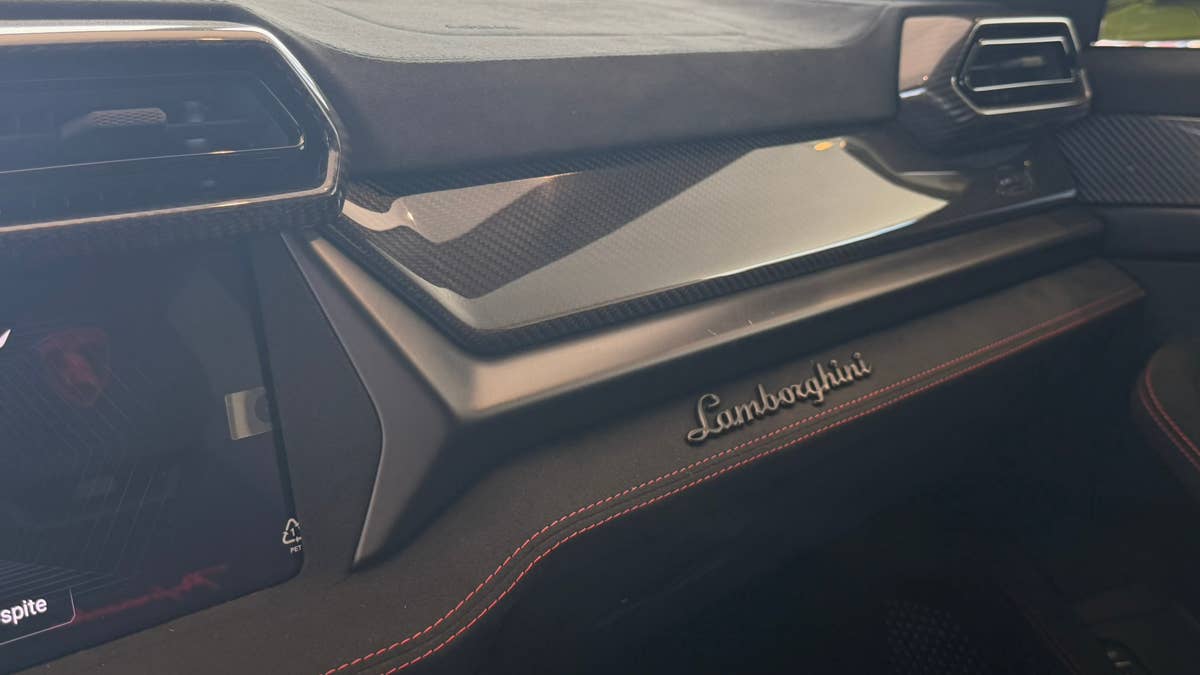
The standard cabin replaces full leather with Lamborghini’s Corsa Tex by Dinamica material, a microsuede-like technical fabric that saves 2.7 kilograms, or almost six pounds.
“We introduced the Corsa Tex, which is our material,” Cossalter said. “It makes it more sporty and it’s lighter than leather.” Asked how much it saves, he replied: “Between two and three kilos.”
Six pounds may seem insignificant in an SUV weighing more than two and a half tons, but the Performante’s diet is the result of dozens of similarly small improvements. Customers can still specify a full leather interior, but doing so gives back some of that carefully removed weight.
Adam Lynton / Autoblog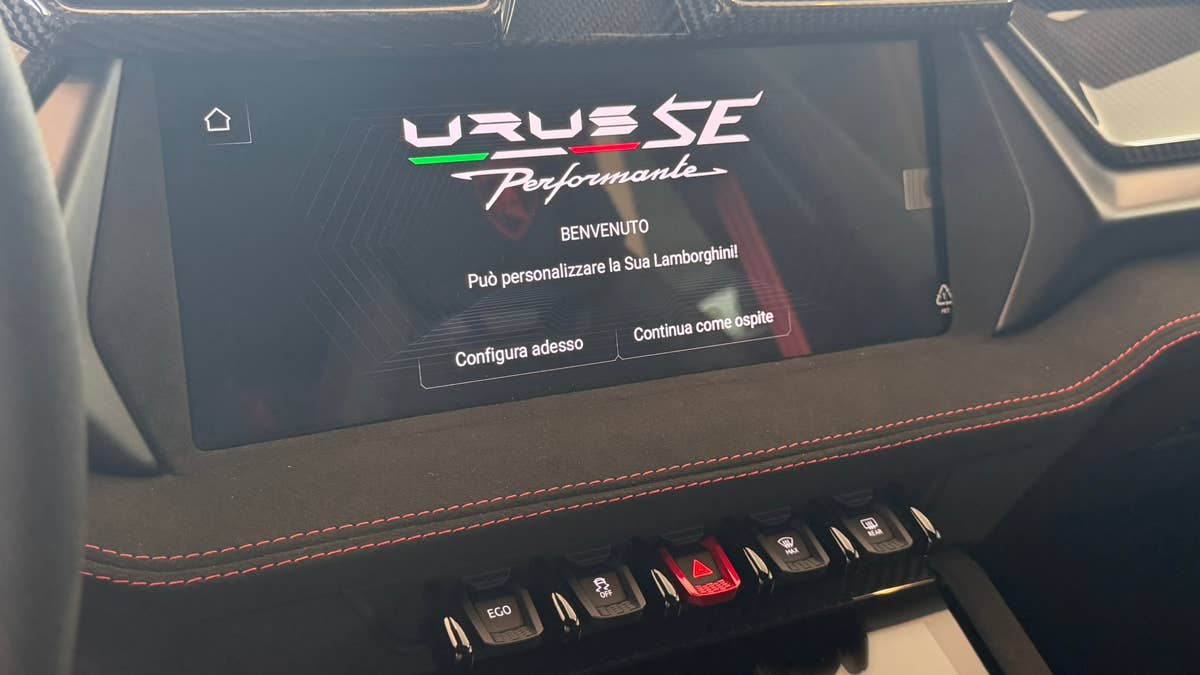
A Different Approach From The Old Performante
The previous Urus Performante replaced air suspension with lower, firmer steel springs. The new model returns to air suspension, but introduces a more advanced dual-chamber system that can independently manage compression and rebound.
Lamborghini says it reduces body roll by 55 percent and cuts comfort-related vibrations by 25 percent compared with the previous Performante. This allows the new car to be sharper in Corsa mode without making it unnecessarily punishing in Strada.
A six-dimensional sensor derived from the limited-production Fenomeno monitors pitch, roll, yaw and movement across three axes. Eight accelerometers track the wheels and body, feeding information to the new braking and chassis control systems.
Adam Lynton / Autoblog
Cossalter said this hardware allows the Performante to stop seven meters, or almost 23 feet, sooner than the Urus SE in repeated braking tests from 124 mph.
Aerodynamic changes are equally substantial. The Performante generates 23 percent more downforce than the Urus SE and 16 percent more than the previous Performante, while producing three percent less drag than the standard hybrid. Revised ducts also improve brake cooling by eight percent.
The result is not the lightest Urus Lamborghini could build. It is the lightest version Cossalter believes customers would still want to use every day.
Owners expect to commute, carry their children and load the trunk for a weekend away. Lamborghini could strip another 220 pounds from the Performante, but it would also strip away much of the reason people buy an Urus in the first place.