Uber is set to become the next ride-sharing service to launch driverless robotaxis, announcing plans to partner with tech developer Nuro and EV maker Lucid at this week’s Consumer Electronics Show.
For its part, Lucid doesn’t want things to end there. In a meeting with a handful of journalists at CEO in Las Vegas, Interim CEO Marc Winterhoff revealed his company will soon start ramping up the capabilities of its advanced driver assistance systems of its retails products using Nuro technology.
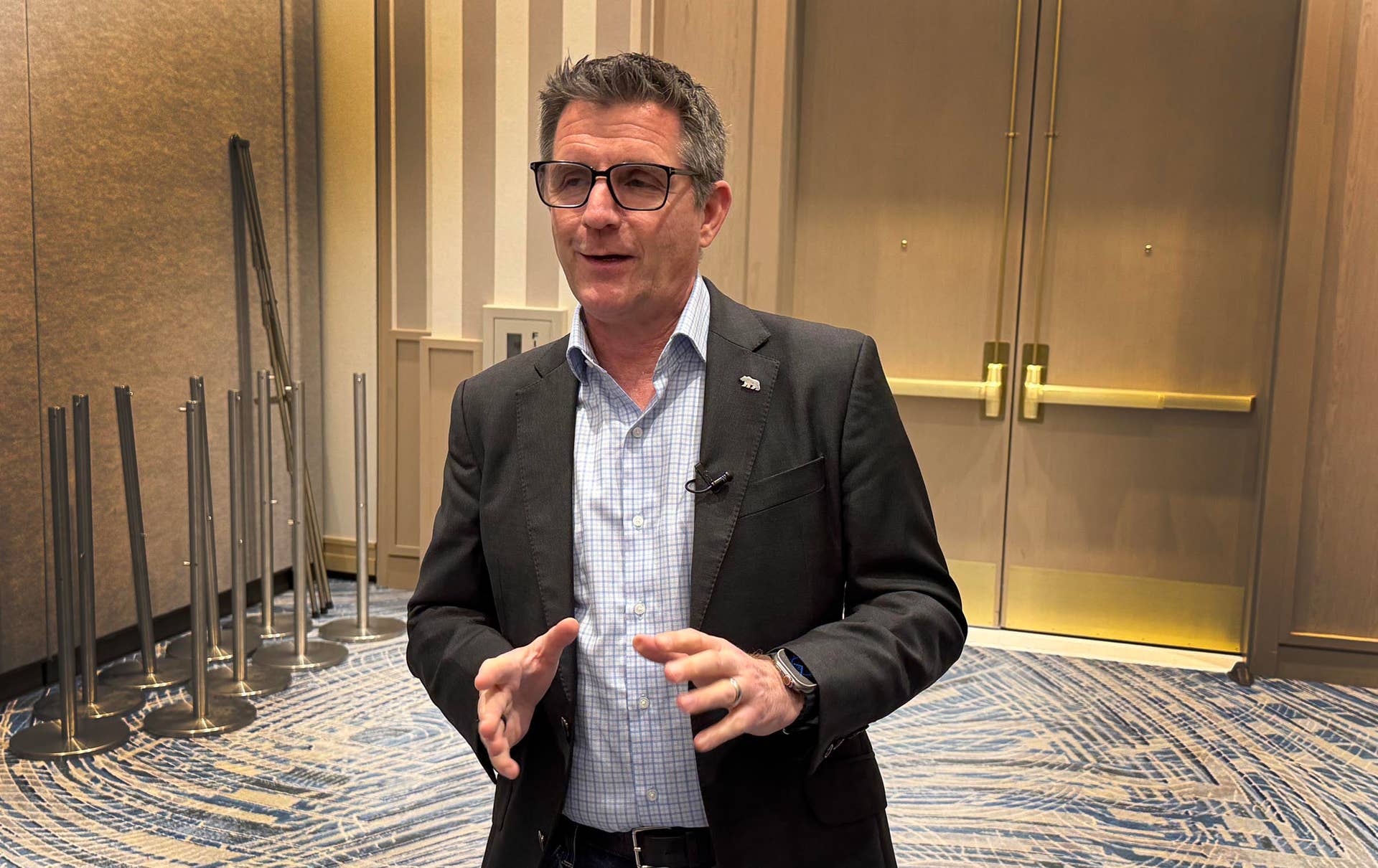
By next year, Winterhoff said, some Lucid models will be capable of “Level 2++” driving, meaning hands-free operation not only on limited-access highways, but even in crowded urban areas. The ultimate goal, he added, is to introduce a Level 4 system that could operate completely without a driver by 2029.
Related: Lucid Built Twice as Many EVs in 2025, But Can It Sell Them All?
“Almost There”
The three partners “are collectively building an experience like no other,” Kay Stepper, the executive overseeing Lucid’s autonomous vehicle efforts, said earlier this week.
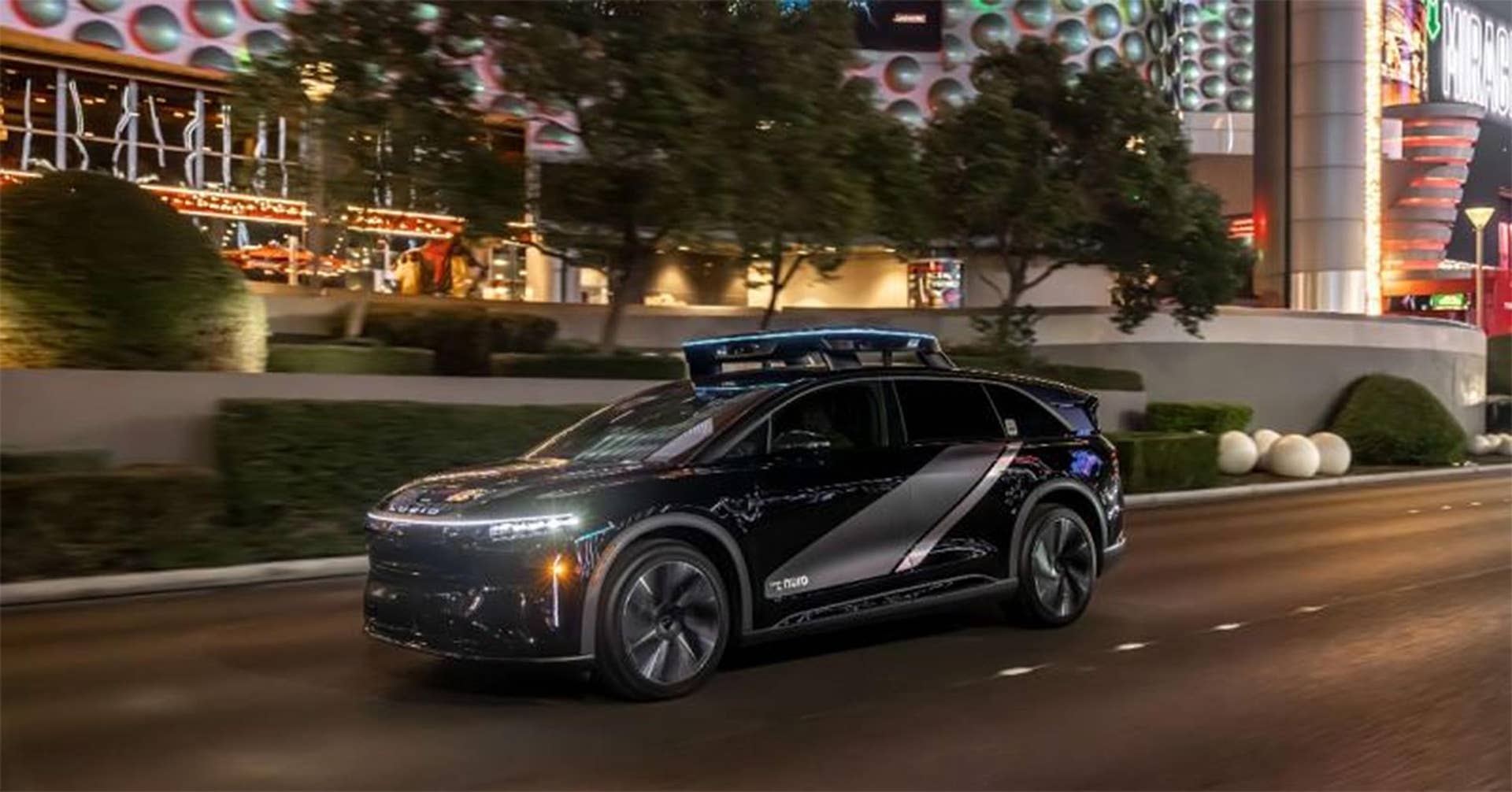
Early robotaxi prototypes are already in real-world testing and the plan is to launch the first for retail service in the San Francisco Bay Area late this year. If anything, Uber and Nuro “were pushing for even earlier dates,” said Winterhoff.
The robocab project is moving forward even as Lucid accelerates development of autonomous technology for its retail vehicles. What he describes as Level 2++ capabilities are “almost there,” and should be in place within the coming year for the Gravity SUV.
Shifting Focus
Going forward, however, Lucid’s program will shift focus from Gravity to the new midsize line-up set to begin rolling out in 2027. By starting from scratch, Lucid was able to build in a more sophisticated computing system, while also designing the mainstream models to seamlessly hide the extensive suite of cameras, radar and Lidar sensors more advanced levels of autonomy will require, company officials explained.
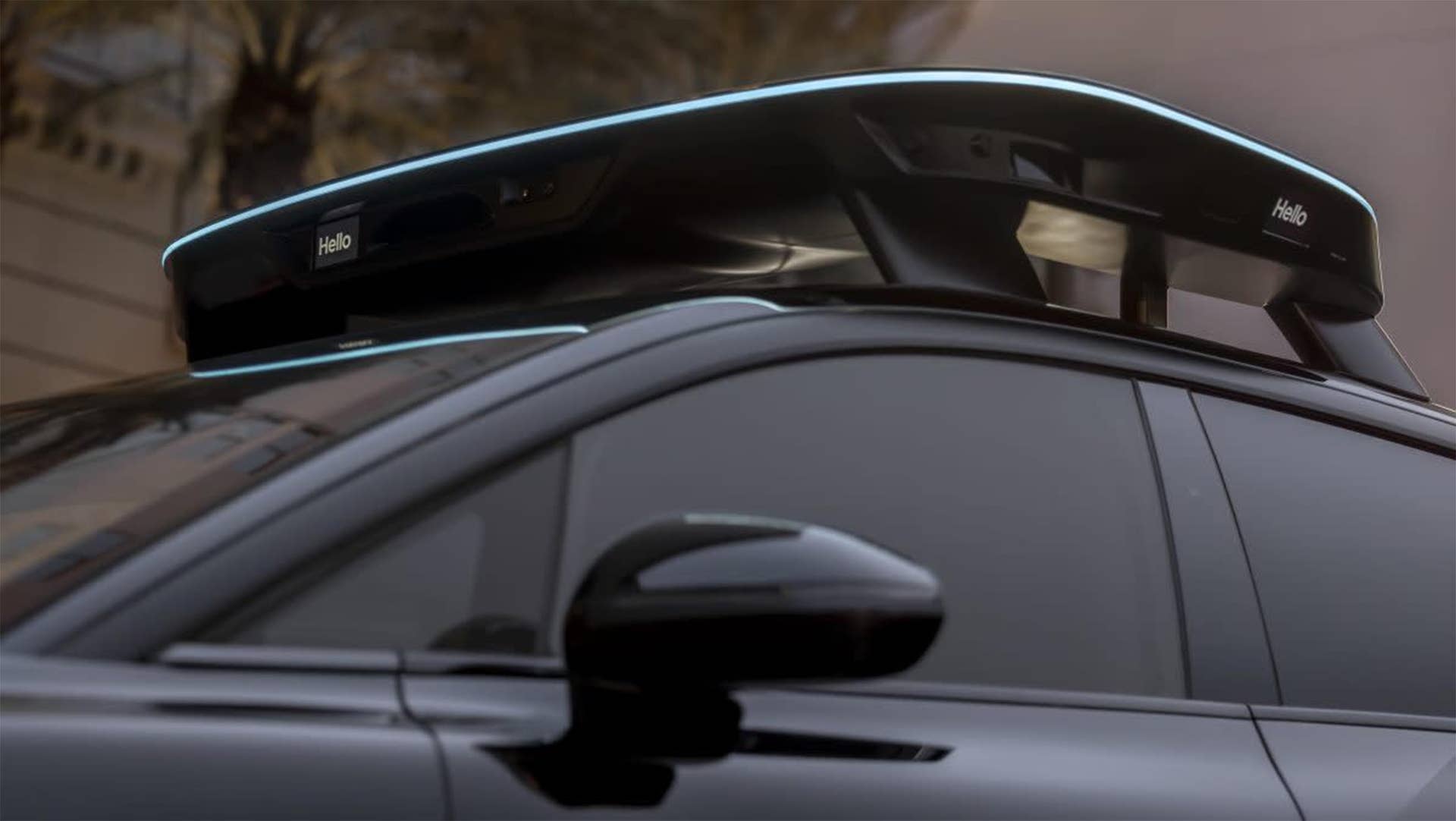
A number of obvious, if subtle, modifications had to made to retrofit those devices into the Gravity robocabs, noted Lucid design chief Derek Jenkins. Most obvious are the tweaks to the “tiara,” the roof rack-like package on the vehicle’s roof. Among other things, it contains a number of Lidar units and other sensors, as well as several digital displays to greet passengers.
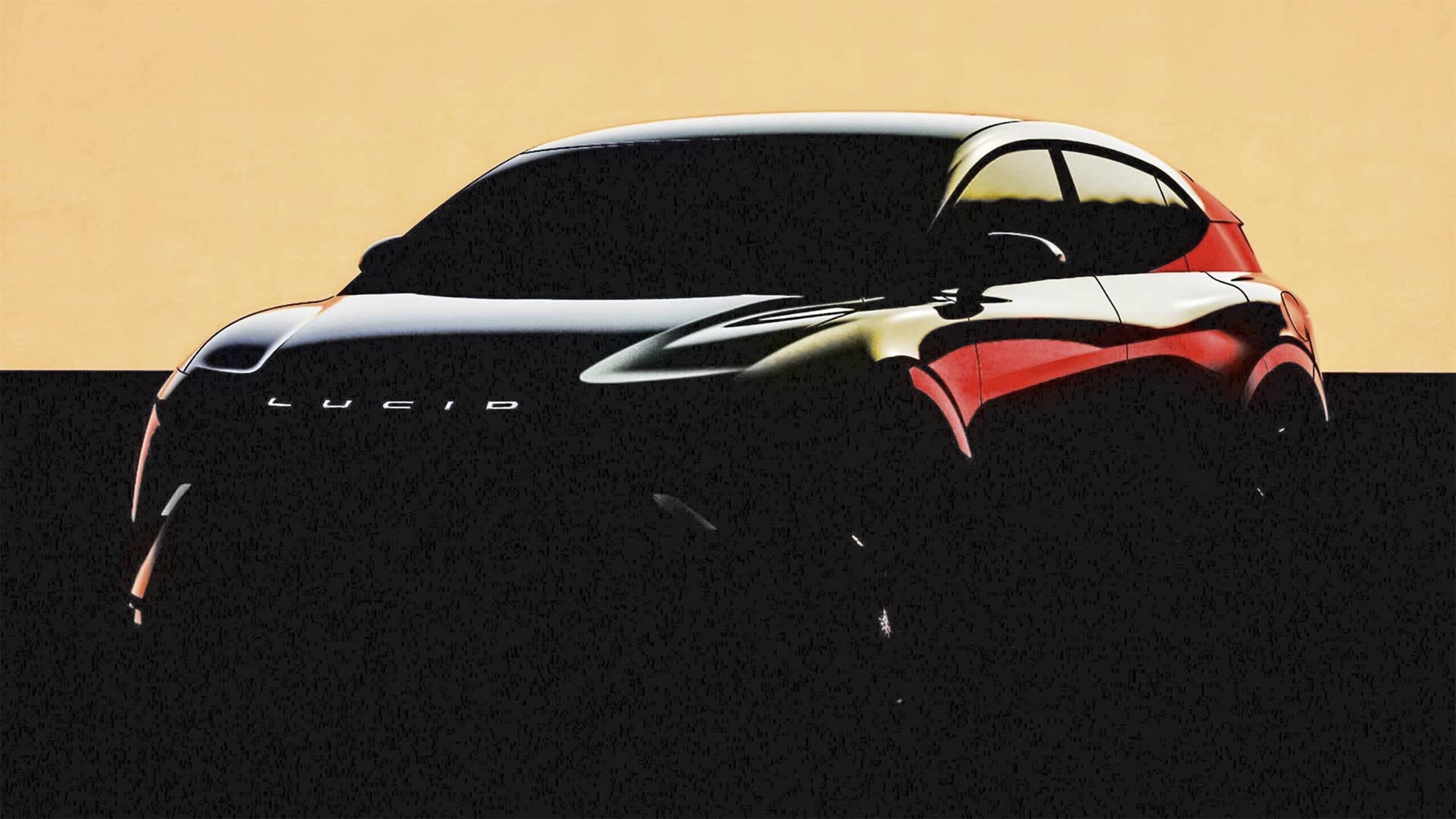
Lucid has yet to offer much detail about the new midsize line-up, expected to be named “Earth,” though Winterhoff this week confirmed three distinct models will be built off the new platform. A teaser image suggests the first will adopt a relatively conventional SUV-like shape which, industry insiders anticipate, will directly take on the Tesla Model Y. It will launch in early 2027 and be followed a year later by a second EV. A third model will take 18 more months to develop and could adopt a more radical design language, Winterhoff hinted.
Autonomous Timetable
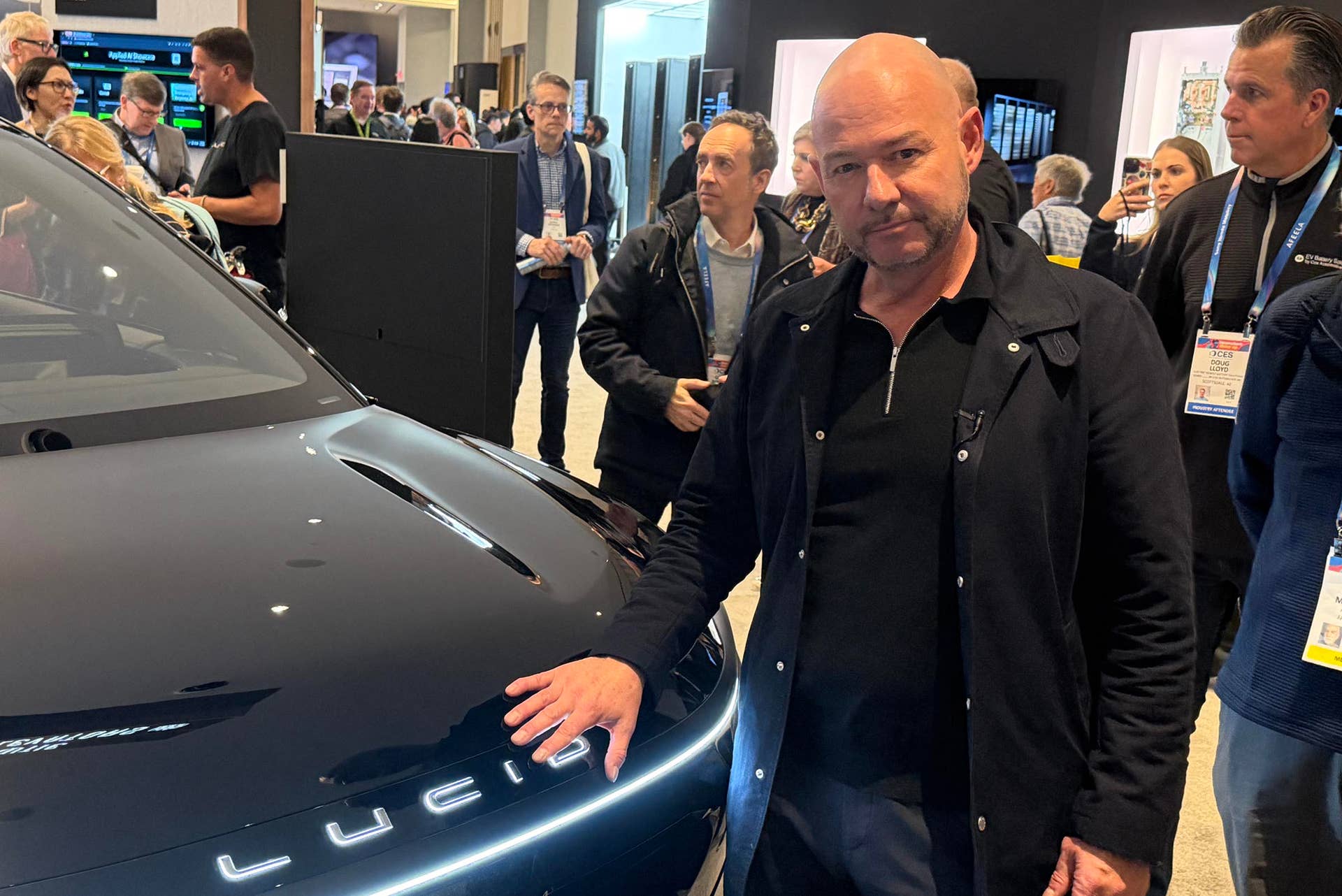
The rollout of autonomous vehicle technologies has accelerated rapidly across the auto industry over the last several years. Most manufacturers today offer some degree of ADAS, advanced driver assistance systems, that, at the very least, can automatically maintain the traffic flow and help drivers remain centered in their lane. A growing number of brands have added hands-free driving capabilities – such as General Motors’ Super Cruise and Ford’s Blue Cruise. These “Level 2+” technologies are typically limited in terms of the roads they can operate on and require motorists to remain vigilant, ready to retake control at a moment’s notice in an emergency.
Lucid will next move to expand the range in which its ADAS system can operate, its Level 2++ technology. But that’s just the start, he added. “The plan is to go Level 3 by 2028 and Level 4 by 2029.” Level 3 systems will allow “hands-free, eyes-off” operation – meaning drivers safely could do things like texting or watching videos, though they’d still need to be ready to quickly retake control. Level 4 will yield the same driverless capabilities as the Uber/Lucid version of Gravity.
The new midsize models – expected to be called “Earth” – will come first in terms of adding these capabilities, Winterhoff explained, though the plan is to then upgrade the capabilities of the Gravity SUV. He left open the possibility that Lucid’s original product line, the Air sedan, will also have its capabilities upgraded. That will require completely updating its electrical architecture and onboard computing system which would be an expensive project for a vehicle generating relatively low sales numbers.
Related: No Model 3 Rival: Lucid Says Sedans Aren’t Part of Its EV Future
A Fix Coming
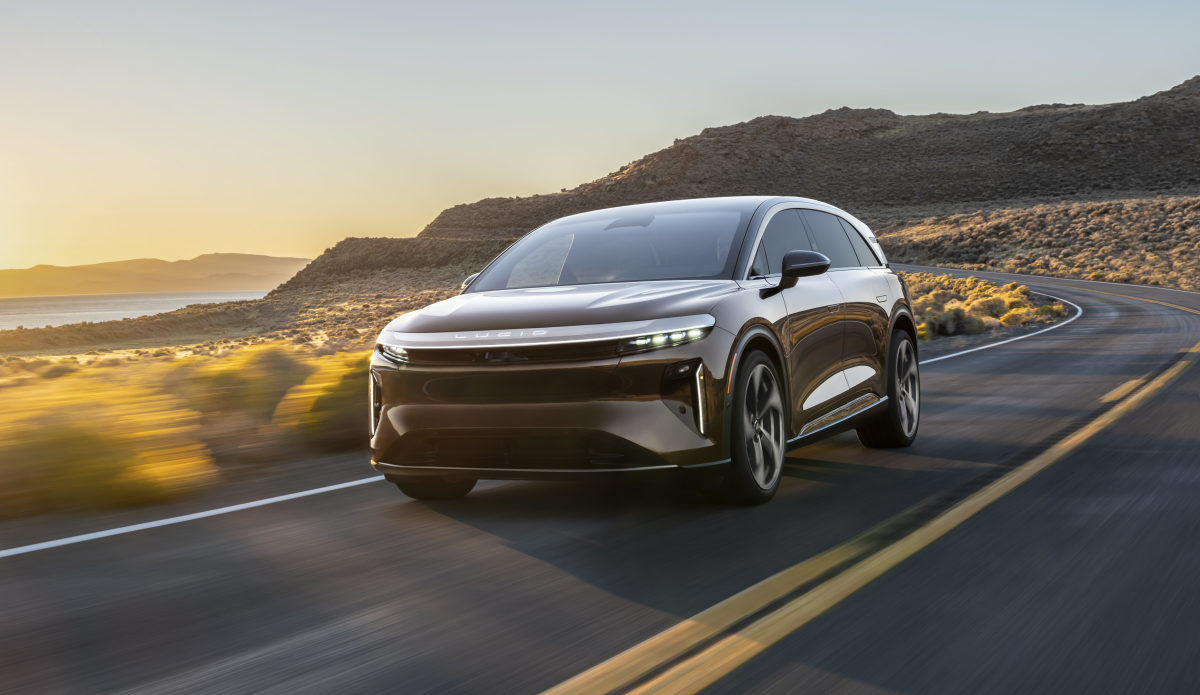
Lucid’s grand plans have generated more than a little bit of skepticism considering the company’s ongoing problems with far less sophisticated technology. It has faced a series of electronic gremlins with its navigation system and other functions, including faulty digital keyfobs that aren’t always recognized by the vehicle. The company has been addressing these with a series of software updates and Winterhoff said he has completely replaced the tech team responsible for getting things fixed.
“We absolutely know this was an issue,” he said. With an upcoming software release “we will be over the hump in January, latest in March,” if a second update is needed, he promised at CES.
That’s not the only challenge facing the company, though. Lucid has been burning through cash at a rapid rate, worsened by the slow launch of the Gravity SUV. Since Winterhoff came in as interim replacement for Lucid founder Peter Rawlinson last February, it has since been able to build some much-needed momentum. It produced 8,412 vehicles – most of them the Gravity – during the final three months of 2025, doubling the previous quarter’s output. Deliveries, meanwhile, were up 55% during the same period.
“That was quite an achievement,” Winterhoff boasted, noting that in a period that’s been called the “EV Winter,” Lucid was “the only EV manufacturer that increased deliveries during the fourth quarter” in the U.S. market.