It may be hard to believe that a company whose identity has been defined by the V8 engine for over six decades hasn’t got a single eight-cylinder vehicle in its lineup anymore, but that’s the state of things with Maserati at the moment.
There are several causes for this, but you may recall that in 2022, the legendary Italian brand pledged to offer an electric version of its every model by 2025—which didn’t happen—and go fully electric by 2030 (later pushed up by 2028)—that’s not going to happen.
Due to slow EV demand and financial troubles, the Modena-based brand was forced to walk back those all-electric plans, shifting strategy to continue offering internal combustion engines alongside EVs. Basically, Maserati is paying the price for going all-in on electric vehicles before car buyers did, a problem many other car brands can relate to.
Maserati V8s Are Feasible, Engineering Boss Says
Maserati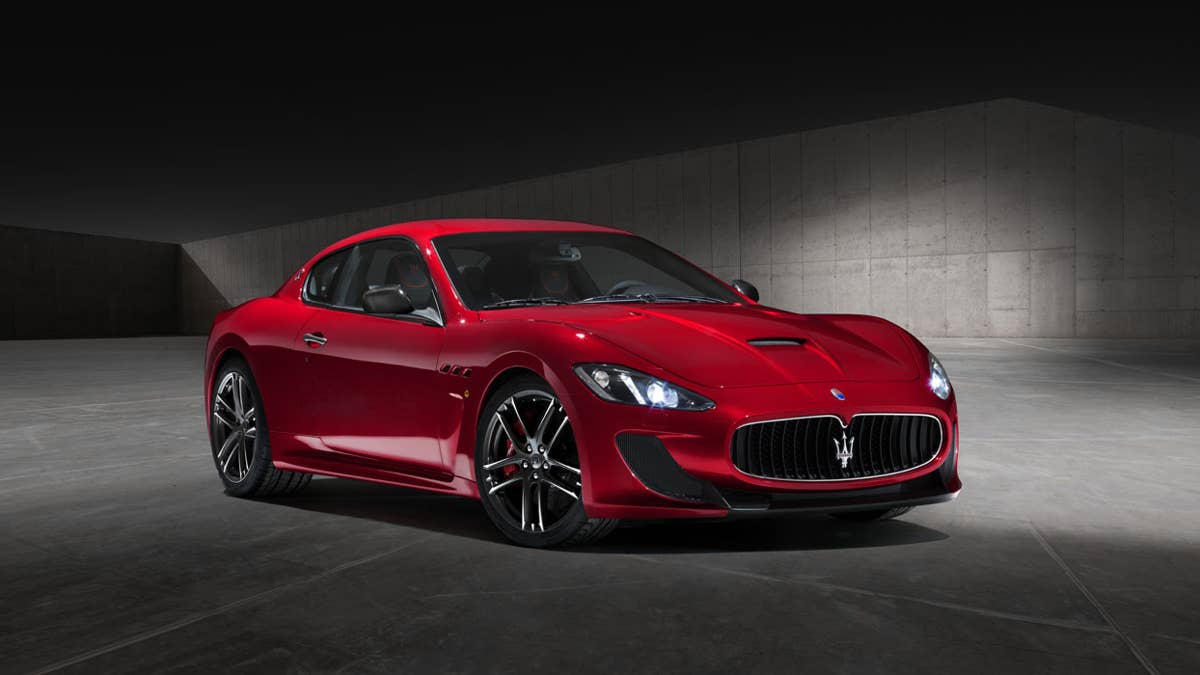
But the good news for brand purists is that Maserati is seriously considering bringing back the V8 engine. The company’s engineering chief confirmed to CarSales that the brand has already studied fitting a compact V8 into its current sports cars and SUVs.
Davide Danesin told the Australian outlet that while a V8 return has not yet been given the green light, fitting a V8 engine into current Maserati models is technically feasible and customer demand for V8-powered vehicles is there. Normally, with these two key conditions met, the project should be already underway. But it’s not that simple.
“My personal opinion is yes: I think the V8 could potentially be coming back… I’m sure that if we would be making it, we would be selling it [but] maybe not in big numbers,” Maserati’s head of engineering said.
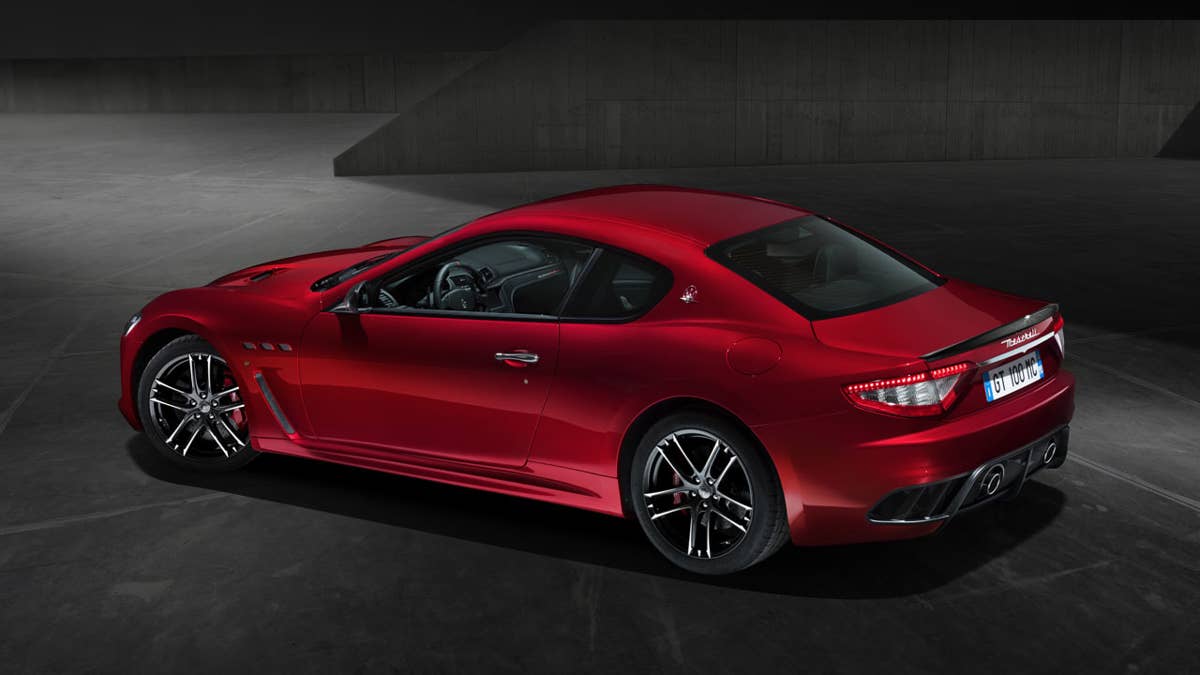
Notice that he talked in hypothetical terms, making it clear that a V8 Maserati is not a done deal yet. If the V8 were to return to Maserati, the most viable candidates to receive it could be limited-run versions of the GranTurismo coupe and GranCabrio convertible. A V8-powered Grecale is less likely, although if approved, it would make an interesting alternative to the BMW X3 M and Mercedes-AMG GLC63.
Danesin noted that the existing GranTurismo/GranCabrio and Grecale architectures could receive a V8 engine as they are designed with alternative engines in mind.
“We believe that a good V8 engine could fit… it looks like the momentum for V8 is building up. The decision to make it is very much depending on company strategies [but] I think potentially the space is there,” he told CarSales.
Don’t Count On A HEMI V8-Powered Maserati, Though
Maserati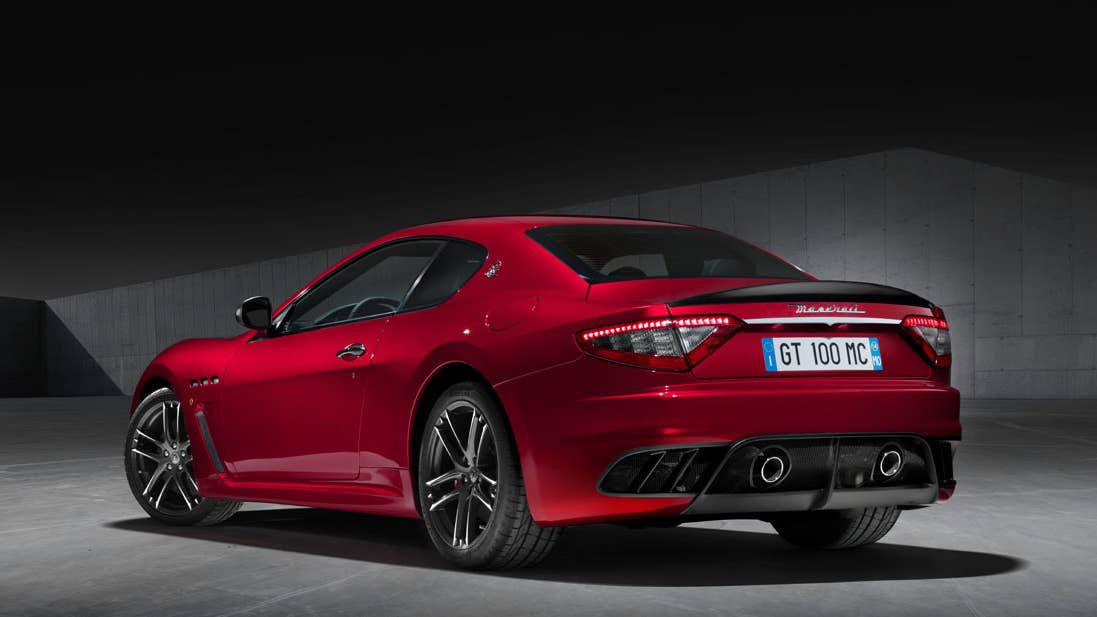
Now, if a Maserati V8 is to make a roaring comeback, the big question is choosing a suitable candidate from parent company Stellantis’ parts bin. One thing is certain: the Hemi V8 engine currently in production in the U.S. won’t fit.
According to Danesin, these “big block” engines would be “very tricky on our architecture,” noting that a smaller engine design would be preferable, namely a “typical V8 we would design in Europe.” This seems to be the big stumbling block for the project, as developing a new V8 would cost a significant amount of money that Stellantis would probably not be happy to spend at the moment.
The most logical way to go about it would be to use the Nettuno V6 as a basis. The 3.0-liter six-cylinder has a 90-degree cylinder-bank angle, which is the standard angle for most V8 engines on the market. Even so, building a V8 off the Nettuno V6 would require substantial effort as almost all components would need to be redesigned.
Assuming it will happen, the V8 would likely exceed the output of the existing V6 Trofeo models, which currently deliver up to 582 horsepower and 480 pound-feet of torque. Needless to say, V8-powered Maseratis would be significantly more expensive than V6 Trofeo variants, but if there is a market for them, Maserati should not ignore it.