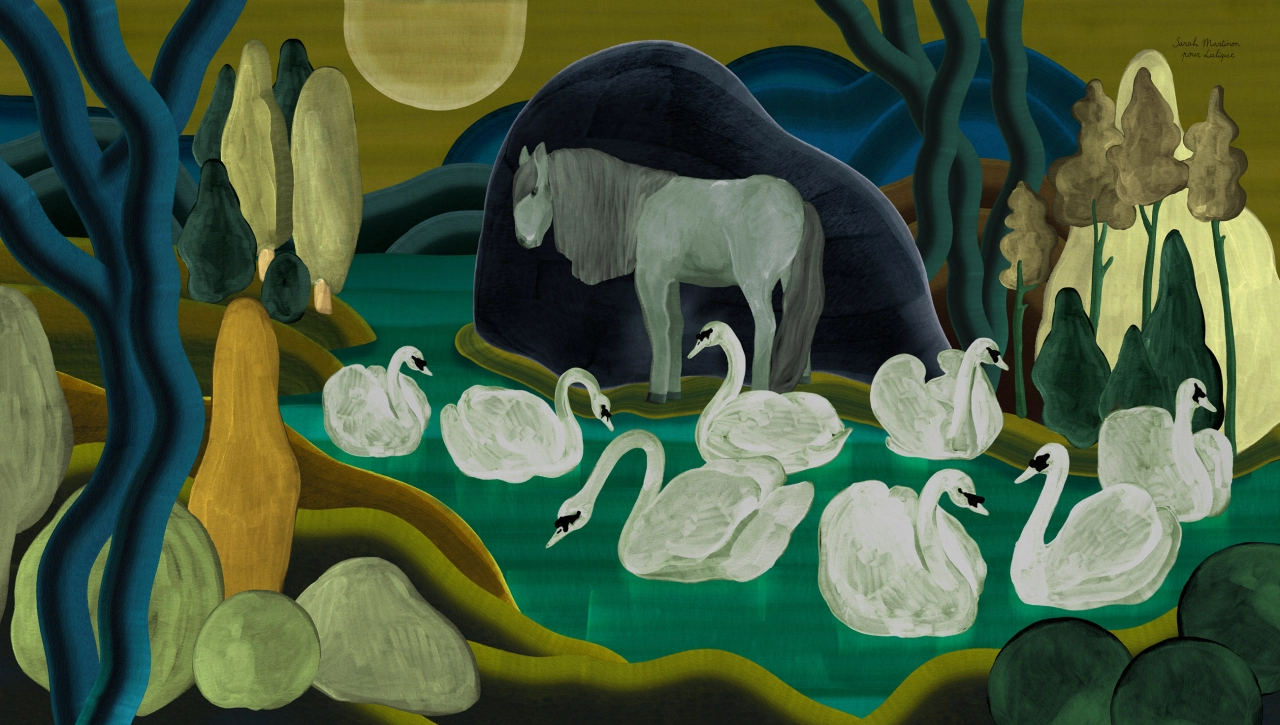
Instead of turning to AI for their latest campaigns, Hermès and Chanel hired the Paris artist. The result is something widely loved online, and not just by creatives either. We speak to the human who got everyone talking this summer.
Without mentioning any names, there have been a few brands over the last few years who have experimented with AI and discovered, quite quickly, that it isn’t what the people want. I’ve been saying it myself for ages now: if a beauty product wants me to trust it will give me smooth skin, then I need to know I’m looking at a real model in their social campaigns. Otherwise, something feels off, and all trust is lost. There’s also an element of “Well, if they can’t be arsed to spend time and money to get my attention, then they’re not going to have it” either. AI just feels like a brand has cut corners, and that doesn’t sit right with me.
Hey, I’m no designer or illustrator, so this isn’t about feeling threatened for my craft. I’m just a humble consumer who happens to run a platform that passionately supports creatives who want very much to look at things that are real. I feel cheated otherwise. And I know I’m not alone on this because when Hermès revealed its new campaign on its website and social channels this summer, the whole internet went crazy. There, on our screens, were gorgeous illustrations by Paris artist and designer Sarah Martinon, brought to life by animator Armand Béraud. All flying horses over pink mountains and beautiful sneakers created in brushstrokes. I’m not joking when I say the response was euphoric because it felt like a line had been drawn in the sand.
It’s shown how valuable human craft has become. That art and craft are worth so much more when they come from us. And the response has made it abundantly clear that no, we don’t want AI-generated images or fake AI models trying to sell us stuff – we want human-made featuring humans. But it’s not just that either. I want to know that a brand can be bothered to hire the same brilliant teams they’ve always worked with. Because any behaviour to the contrary is becoming as unsavoury as fast-fashion and products riddled with plastic.
Bravo Hermès for reading the room and showing other fashion brands that this is the way things should be done. Indeed, I see a very bright future for creatives.
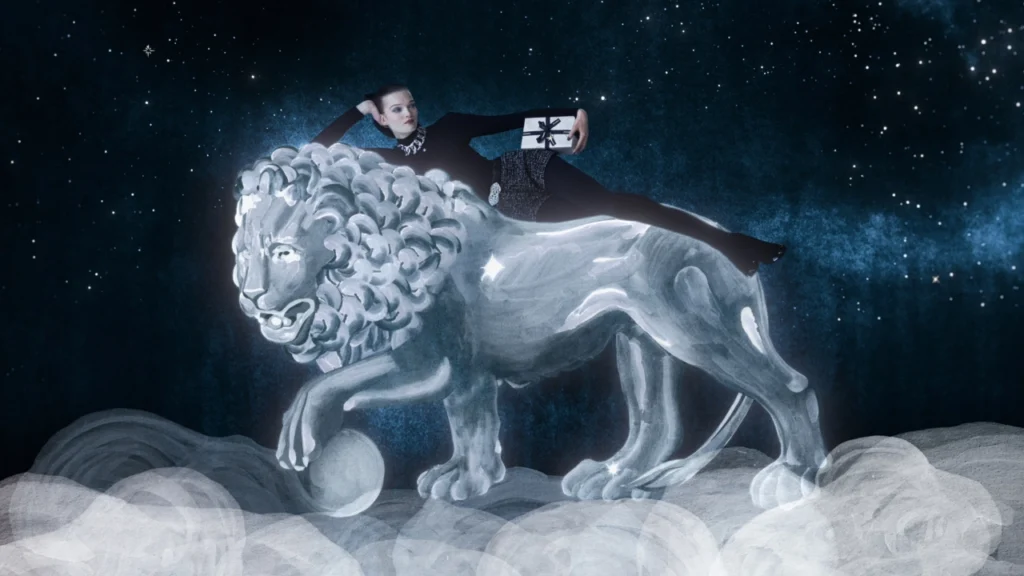
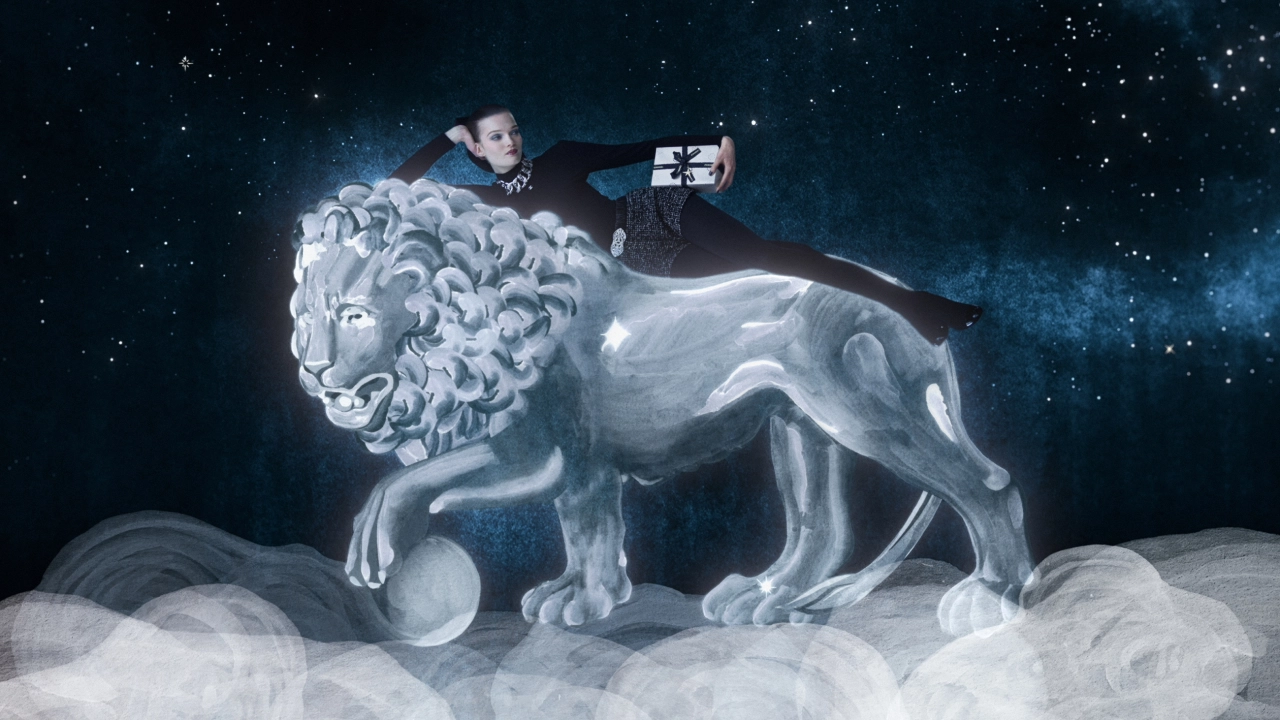
How did Sarah get the gig? In 2025, she was appointed by Chanel to help with its Winter Constellation holiday campaign – along with a Special Astro 2026 for Madame Figaro – a project that saw her drawings move for the first time.
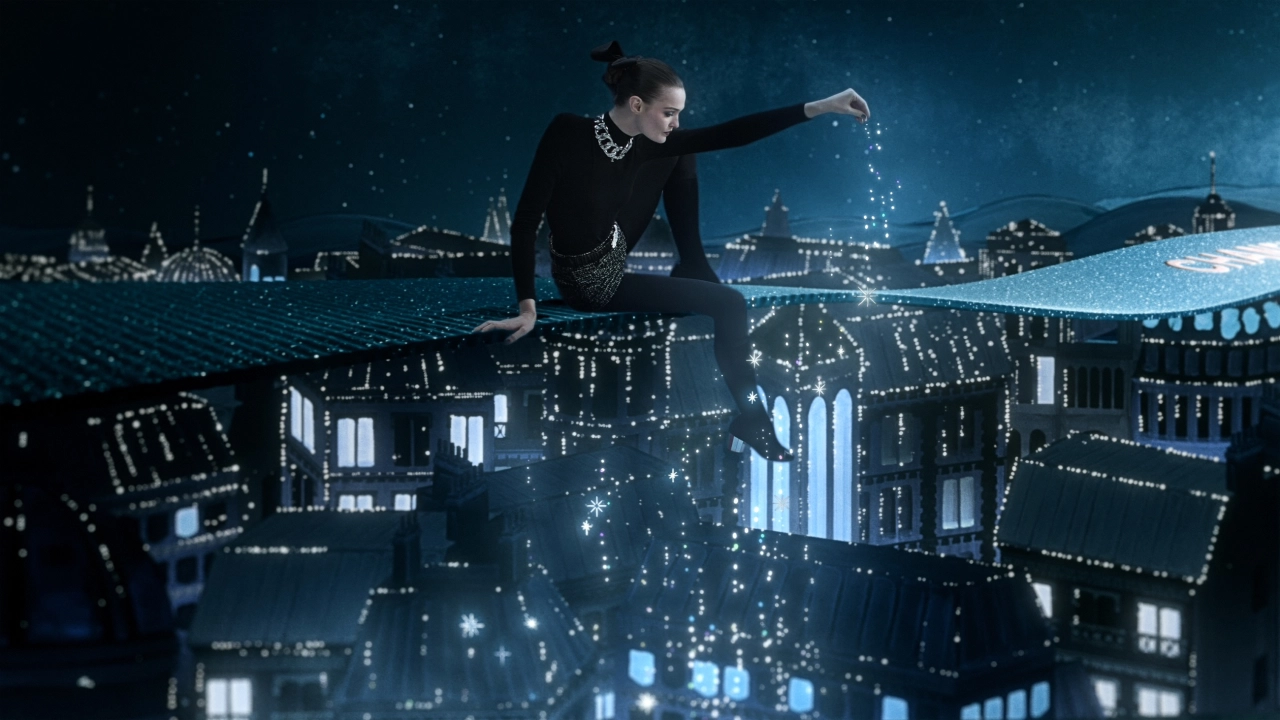
“I immediately connected with the references the art directors shared with me and with the story the film was telling, this idea of being transported into a kind of waking dream,” she says. In the film directed by Gordon von Steiner, model Lulu Tenney wanders through Sarah’s drawings “a little like in Mary Poppins”. There’s a lion she floats on and a city that lights up when she sprinkles it with stardust. “It felt like an extension of the painted environments I had been creating for walls, but taken much further,” she says. “She was no longer moving through spaces covered in my drawings. My drawings became the space itself and interacted with her.”
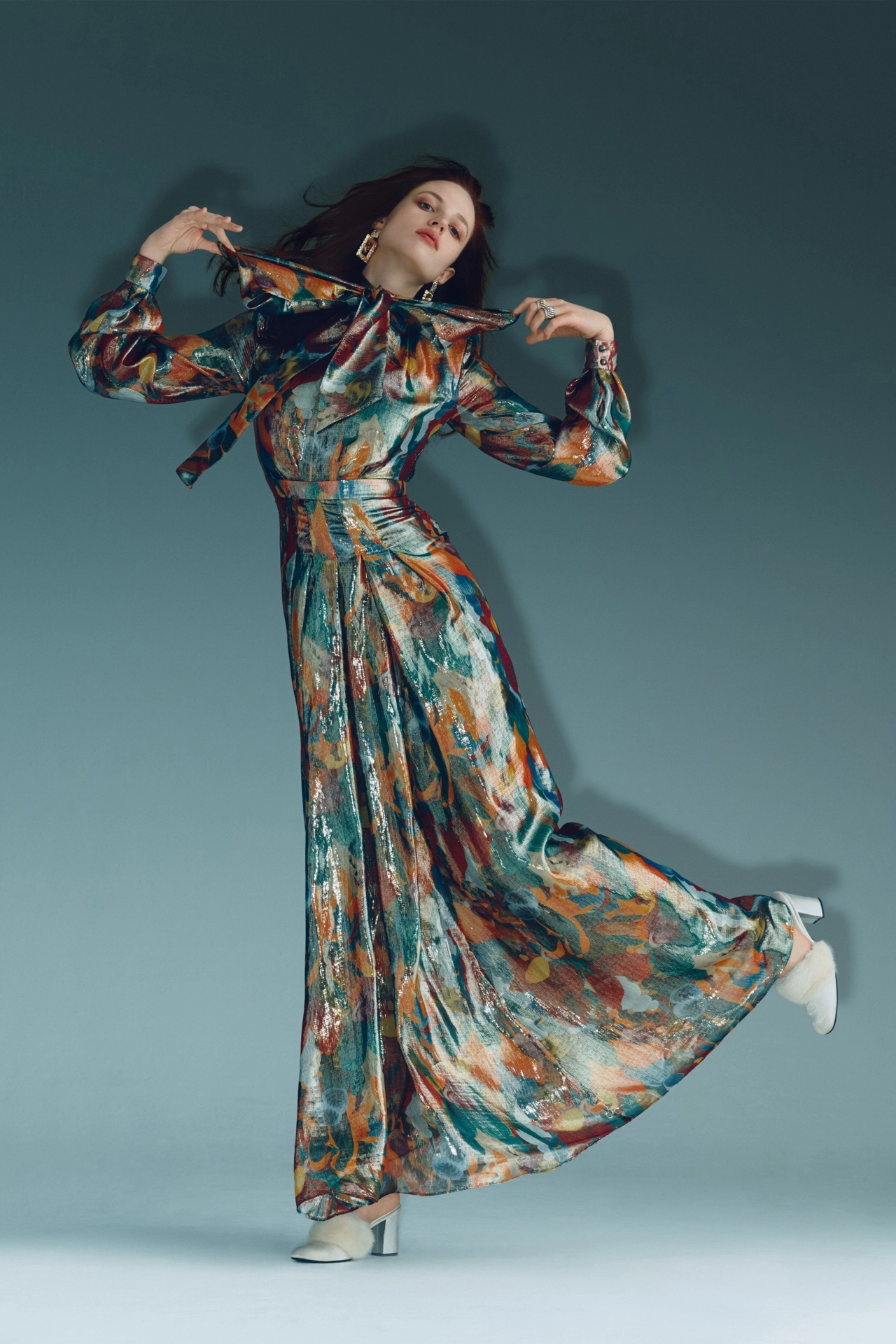
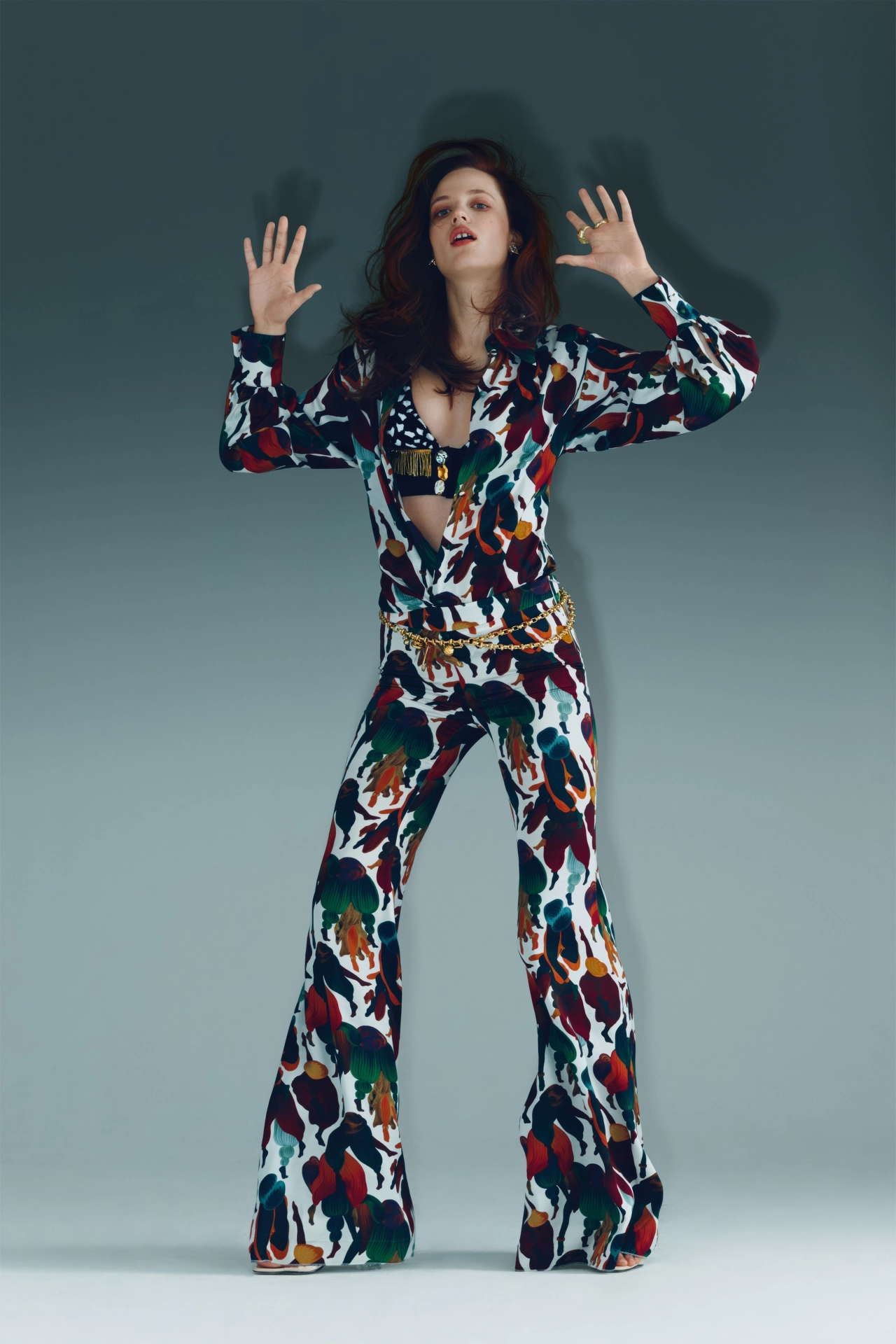
She was on set for it, able to watch Gordon shoot against a blue screen. There was a Vashti Bunyan track on in the background, as they imagined everything that would be added to the final piece. “The huge air cushion Lulu was floating on, for example, which would eventually become my lion. It allowed me to picture very precisely what I could draw. I was proud to see our worlds coexist.”
Surely that’s a dream come true for any artist. Working alongside a leading director… for Chanel. How did it ever come to this? Sarah has always been independent, though for some years she worked alongside a graphic designer in a two-person studio. What made her go solo was simple: she missed drawing. “Developing a graphic design language together can work, but after a while I realised that drawing language is something much more personal and difficult to share,” she says.
So she started to experiment with patterns you might find on fabric. Her reference point was Barbara Hulanicki’s Biba, where graphic design, fashion and interiors seem to come together so well. “It immediately worked, and projects developed quite naturally from there.” This reminds me of recent advice from Mike Moloney at Art&Graft… how if you make the things that you want to make, you end up making those things. So true.
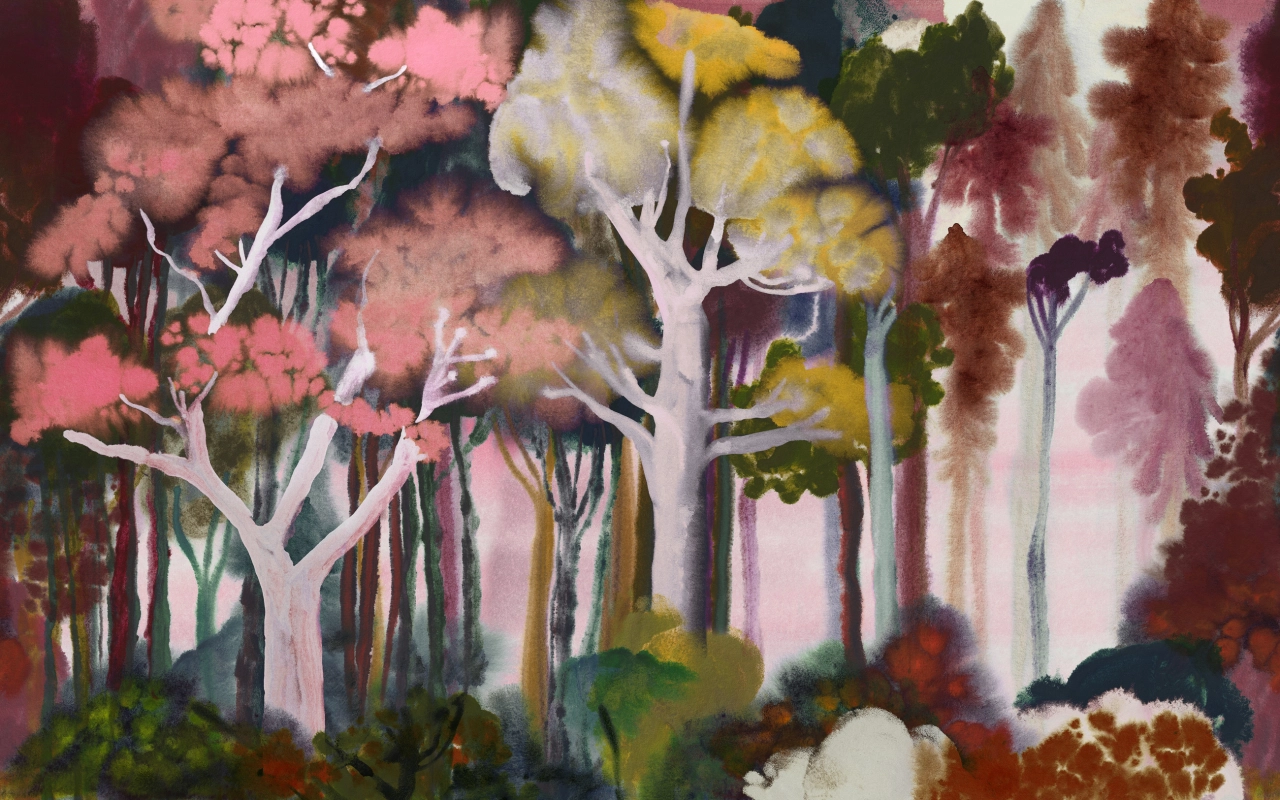
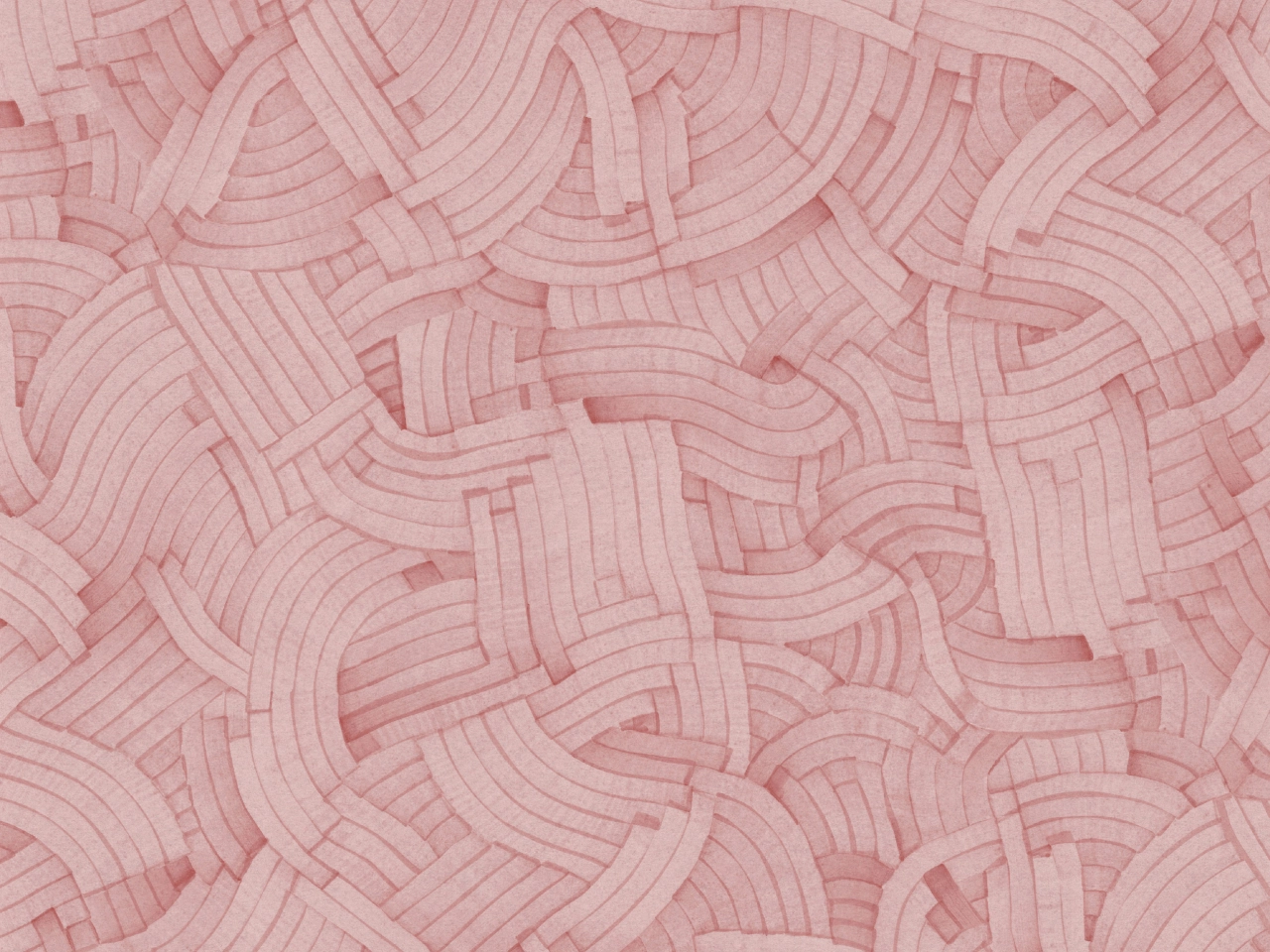
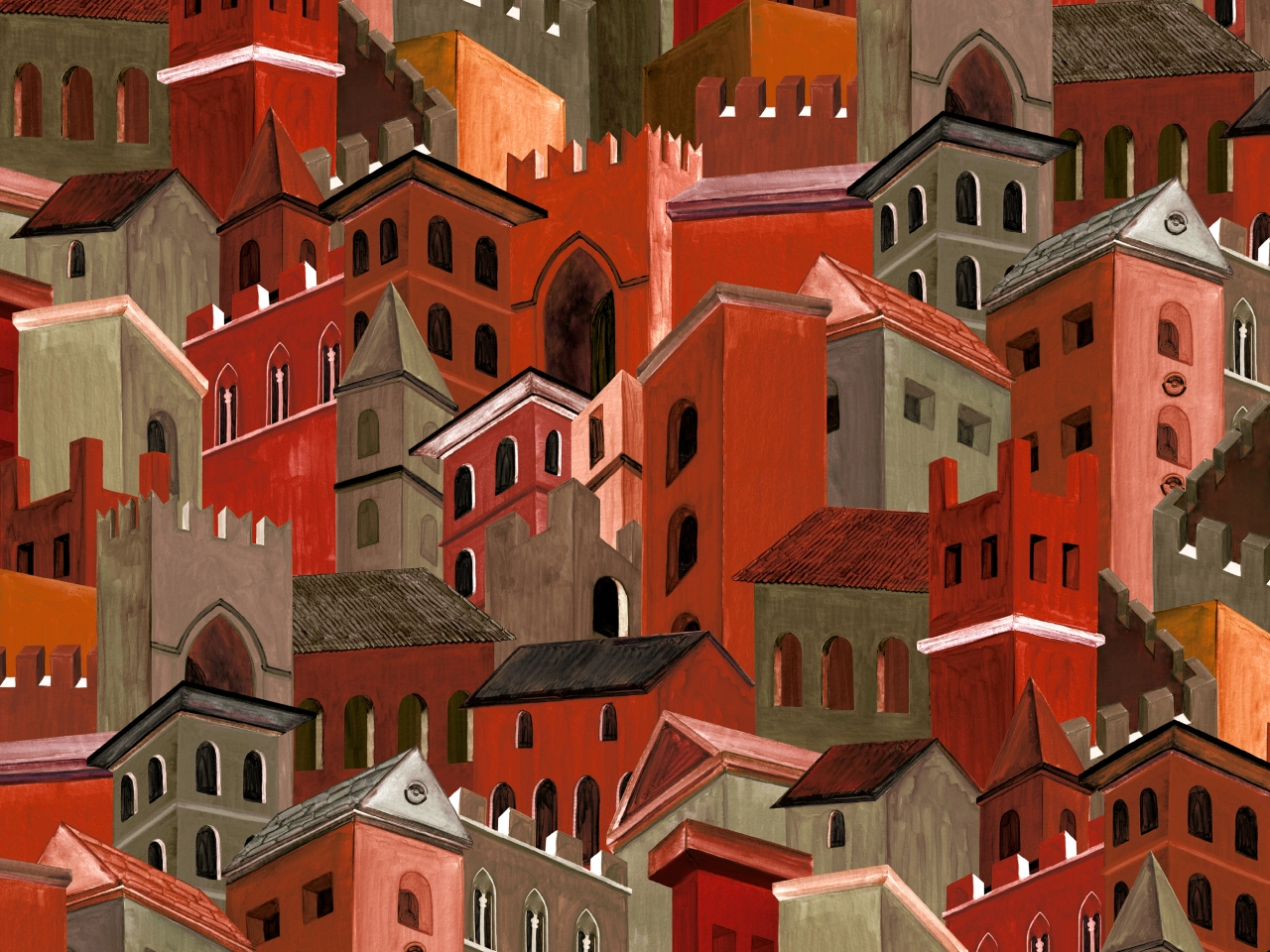
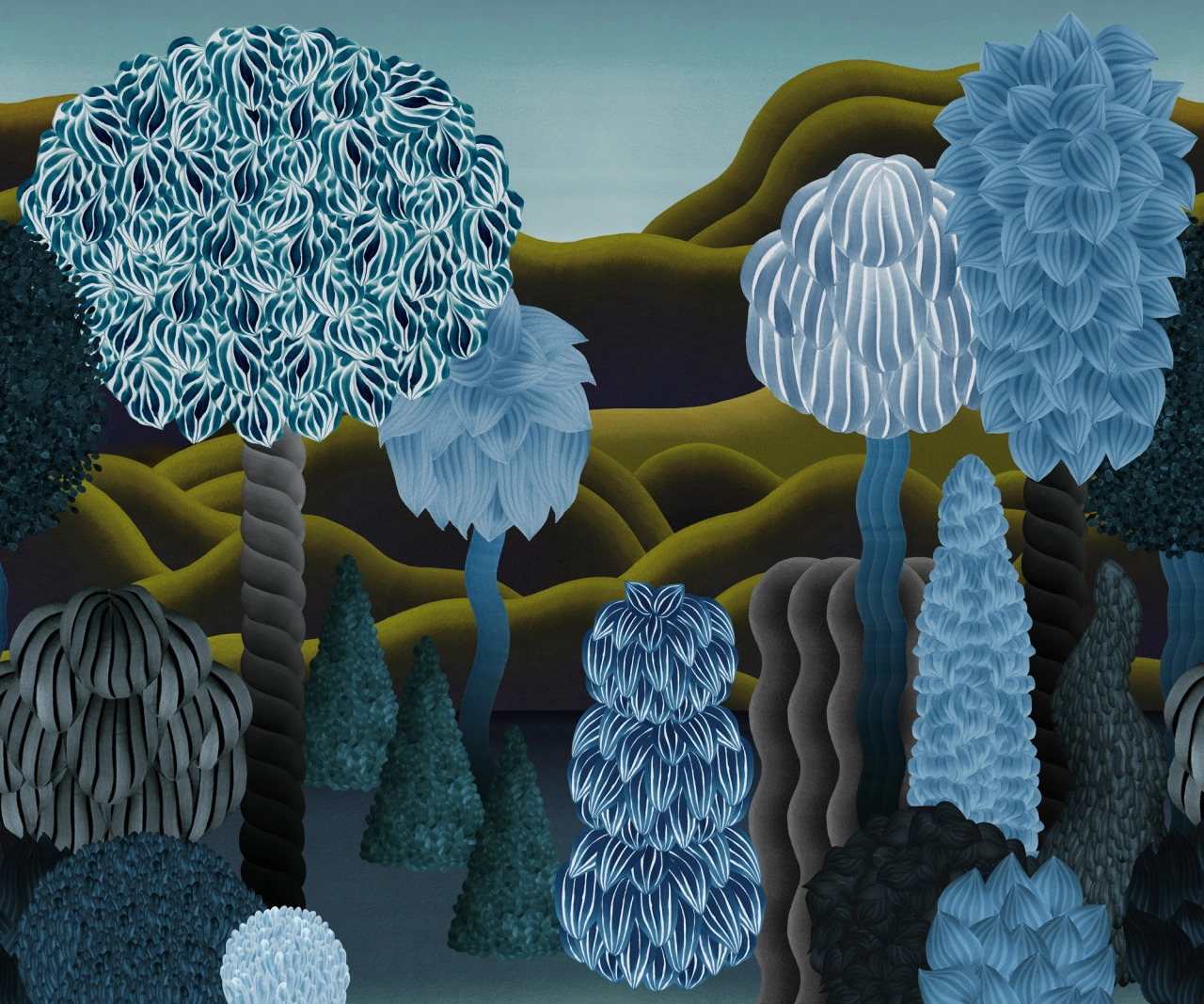
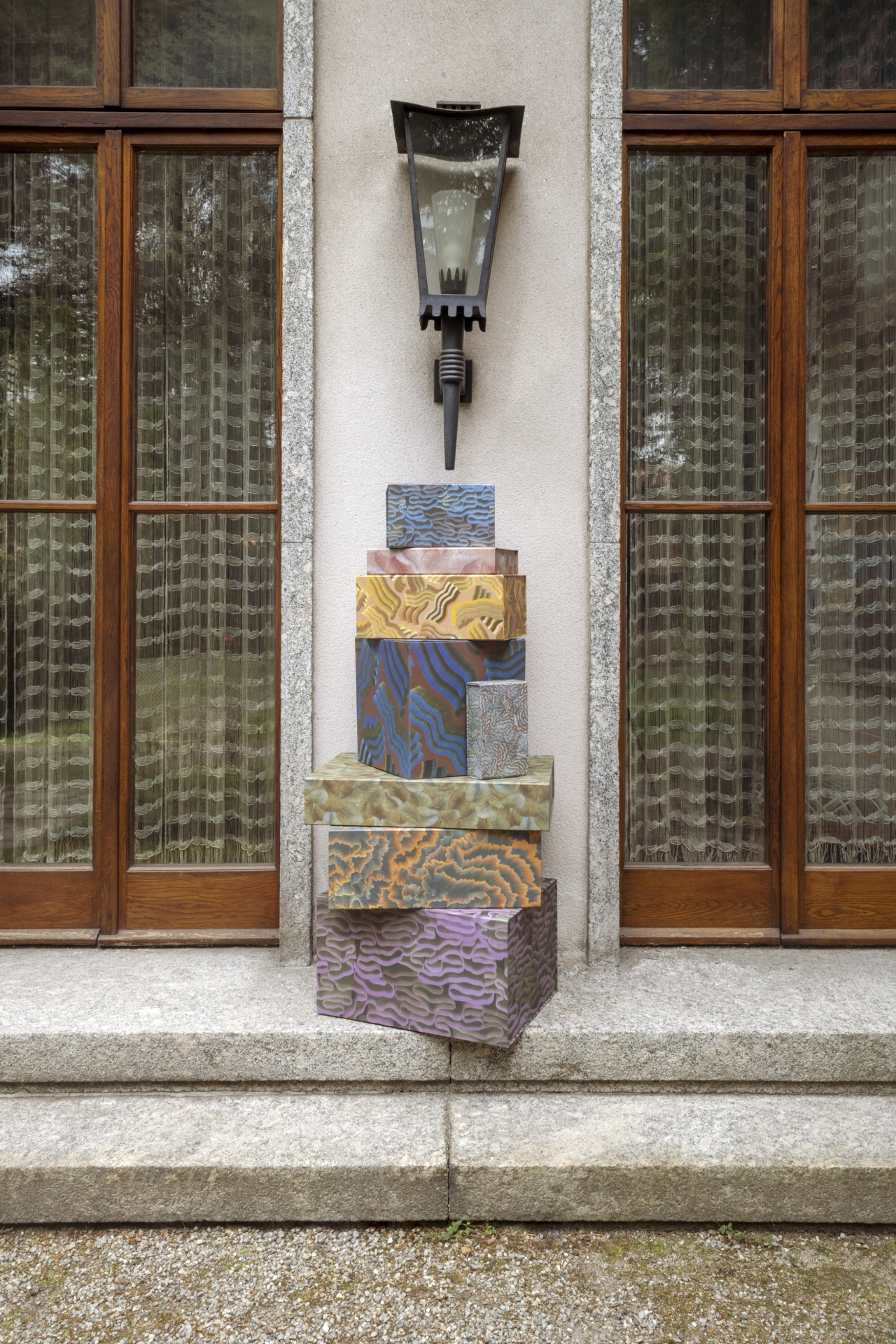
Sarah’s patterns got bigger. “I liked working with them at an oversized scale. I wanted the fabrics to look like wallpaper.” And from there, Sarah found herself painting murals, and later – decorating entire rooms. Sarah grew up “surrounded by tapestries, wallpaper, details and clutter”, so the move from dressing people to dressing spaces “quickly felt obvious”. Her experiments led to ‘L’Odyssée’ and the Lanzarote Garden panoramic for Christian Lacroix Maison, as well as collections for Arte, and then work for Tom Chapman and Nicolas Pickaerts, the duo behind ABASK. They appointed Sarah to create four patterns for their product packaging, each in three scales and colourways. “I loved the idea that my drawings were quite literally becoming envelopes for the objects inside,” she says. The rest led to work with Chanel and Hermès, and the “campaign of the summer”.
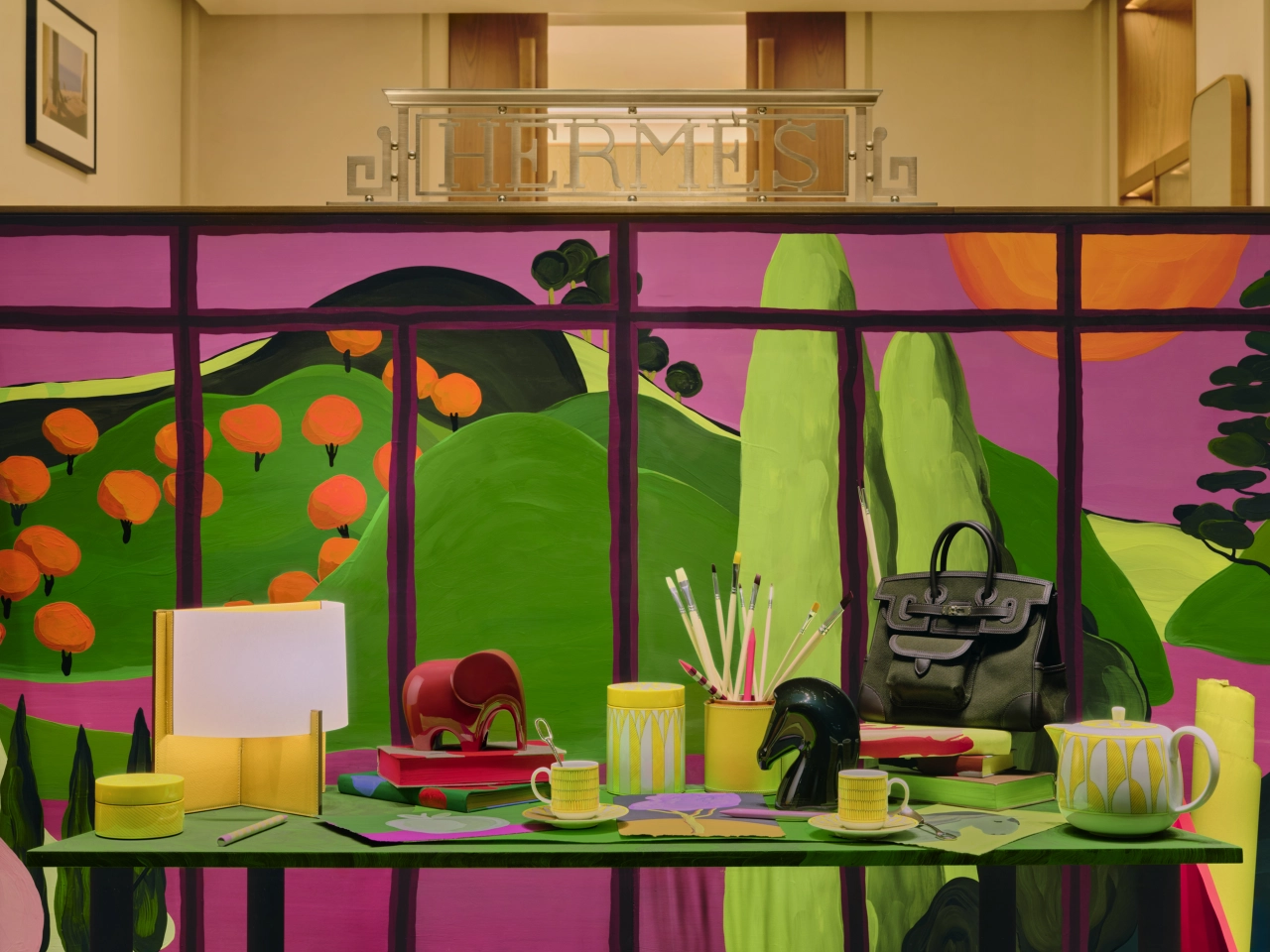
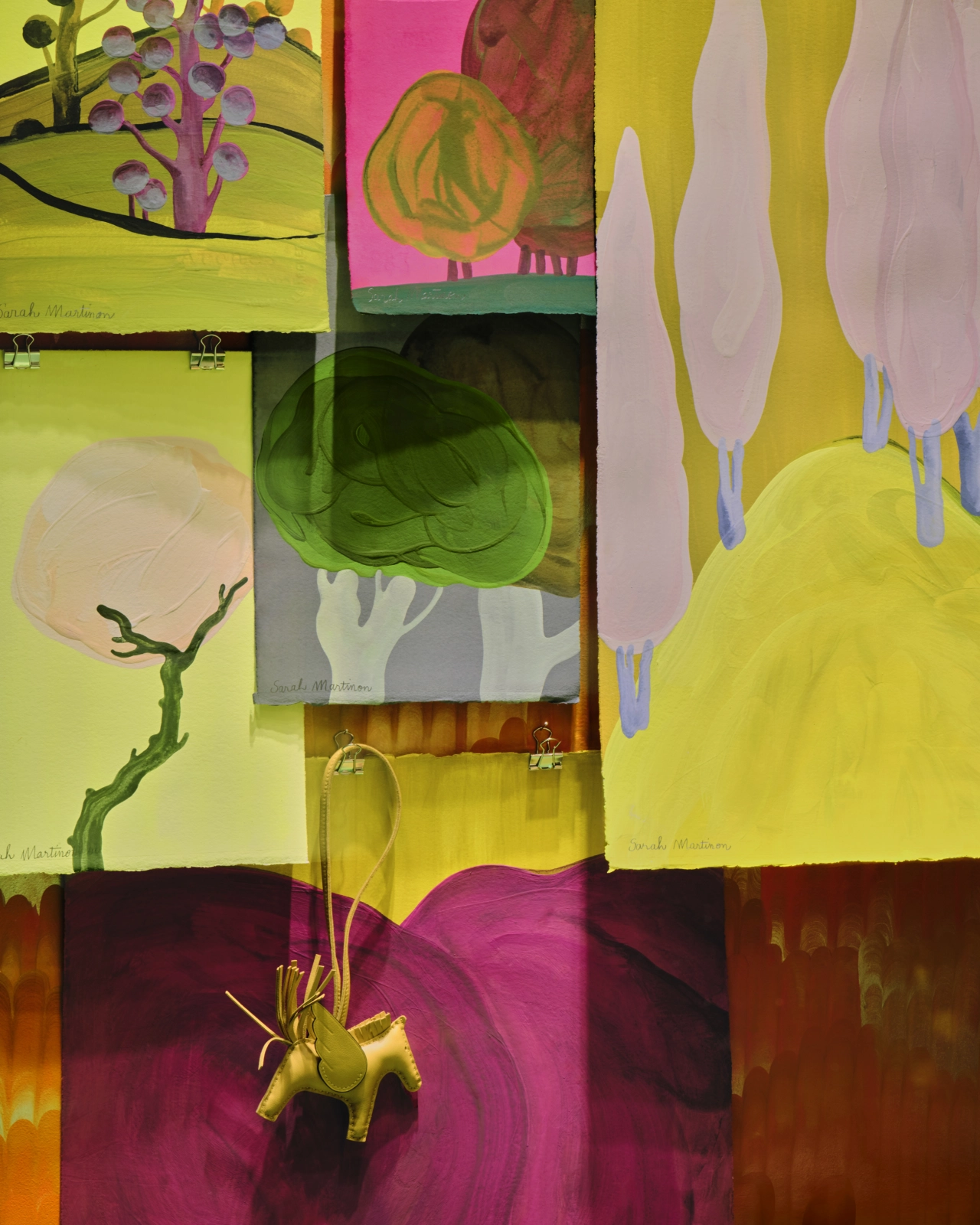
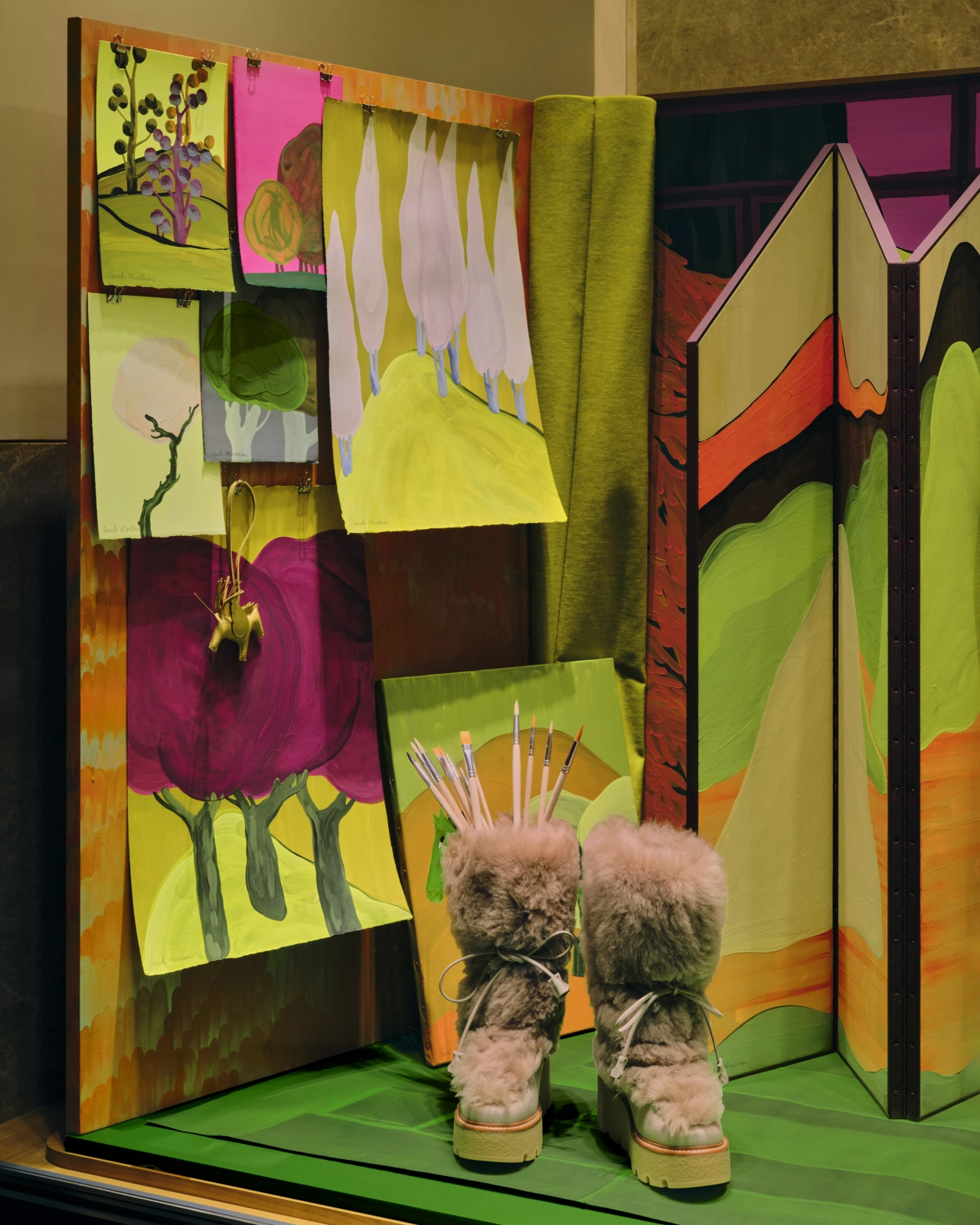
And just as the cynic in me comes out as it always does, thinking this approach is just a one-off or virtue signal, then came a physical window display at Hermès in Lugano, stuffed from floor to ceiling with Sarah’s colourful and whimsical art.
Called ‘Artist’s Studio with a View’, it went up last December, just in time for Christmas. And it was the first time she’d built a complete, physical world you could actually step inside. “I wanted the window to work a little like Goodnight Moon, where you discover new things each time you read it. I painted absolutely everything, down to the covers of every book in the piles on the floor, the pattern on the desk – even the tiny elements that might go unnoticed.” I’ll shut up then.
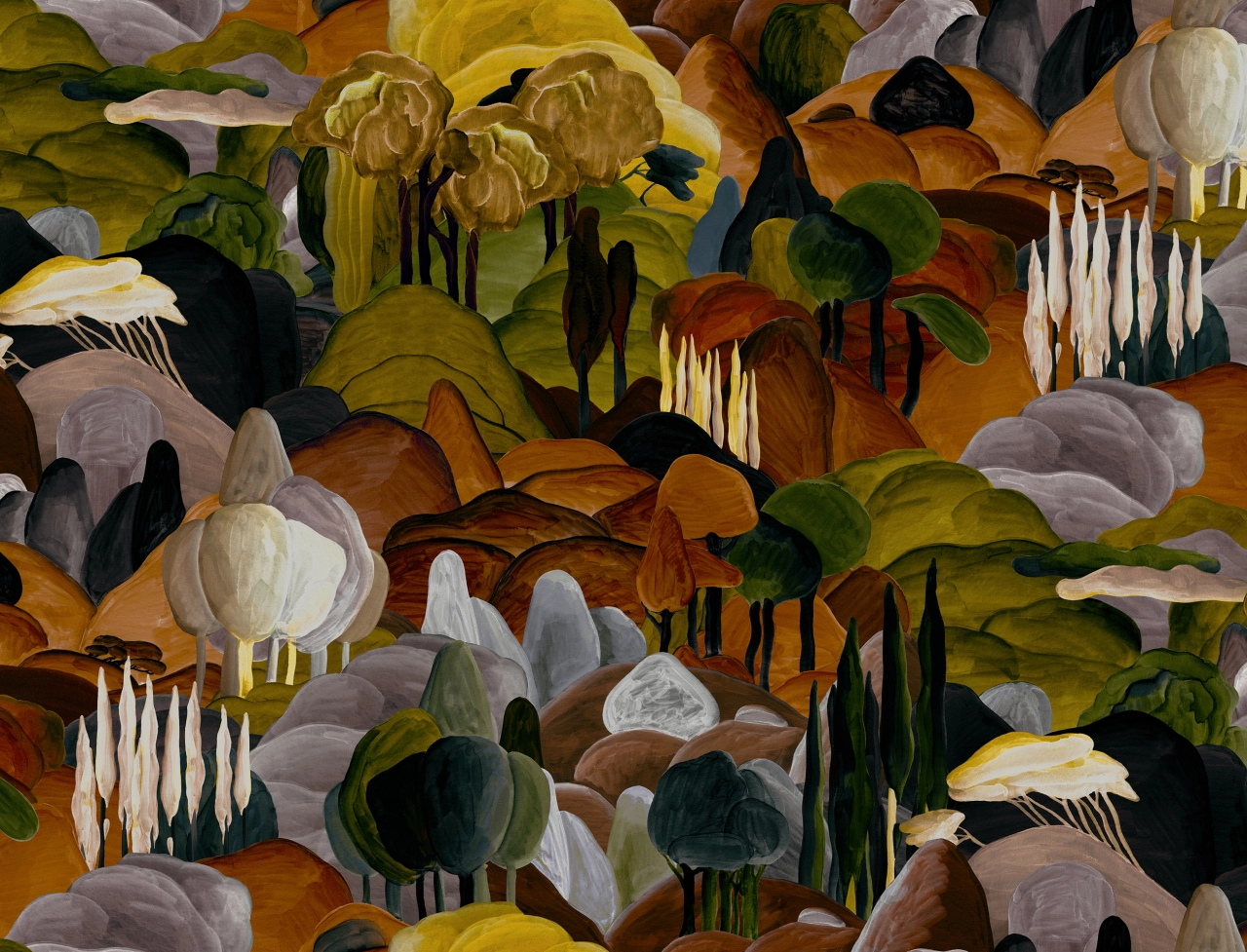
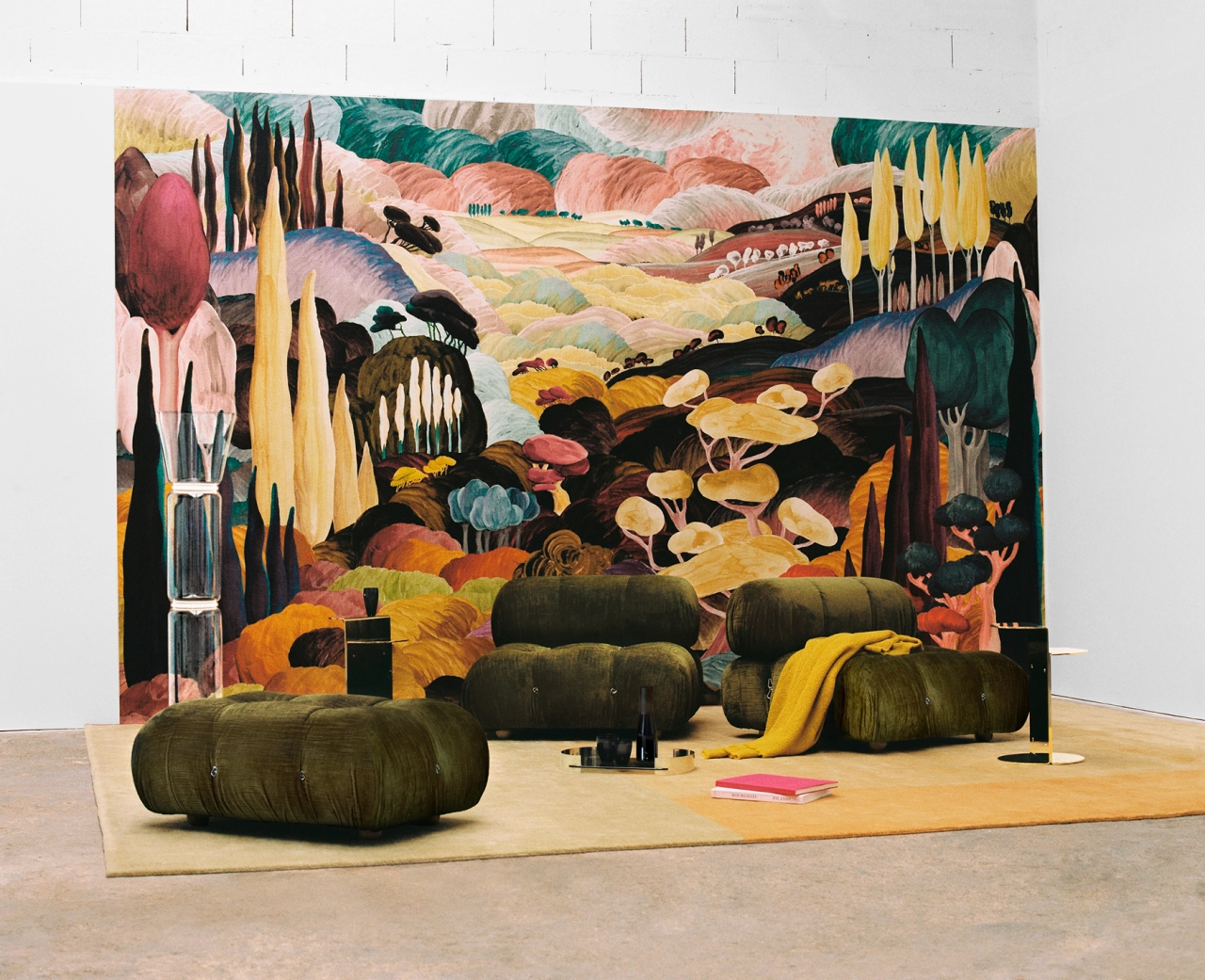
Sarah says she’s inspired by the stories of J.G. Ballard, pointing us to recent personal artworks like ‘Vermillion Sands’ and ‘Prima Belladonna’. “I love the way he writes about artists trying to shape entire worlds and push beauty to its absolute limit, with plants that sing opera, psychotropic and sentient houses, or jewel-covered scorpions.”
There’s a mantra from one of Ballard’s books that she loves, too: “Try Bad Taste”, which she believes is about taking risks and going against what seems to work, because “I always get something interesting out of it”.
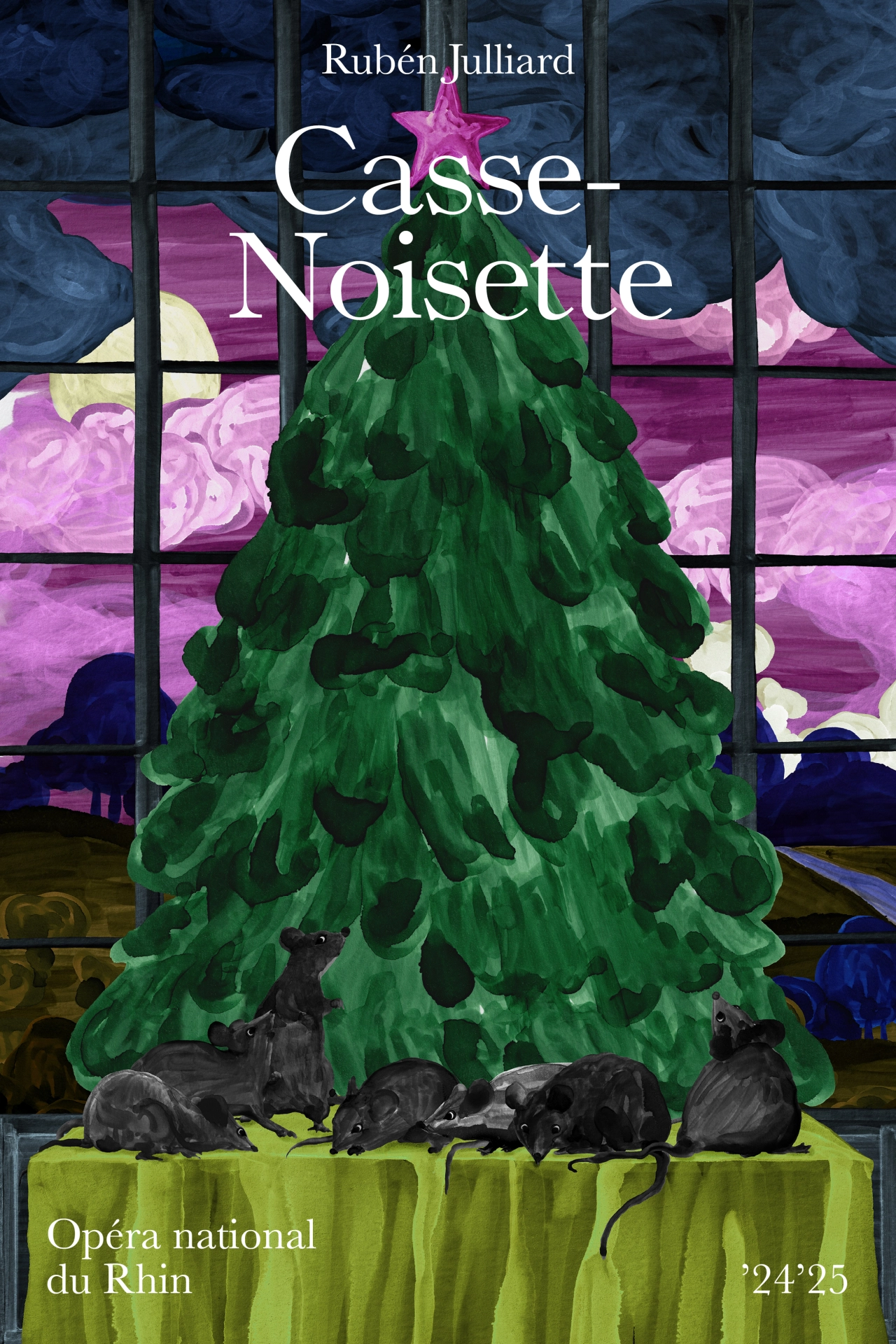
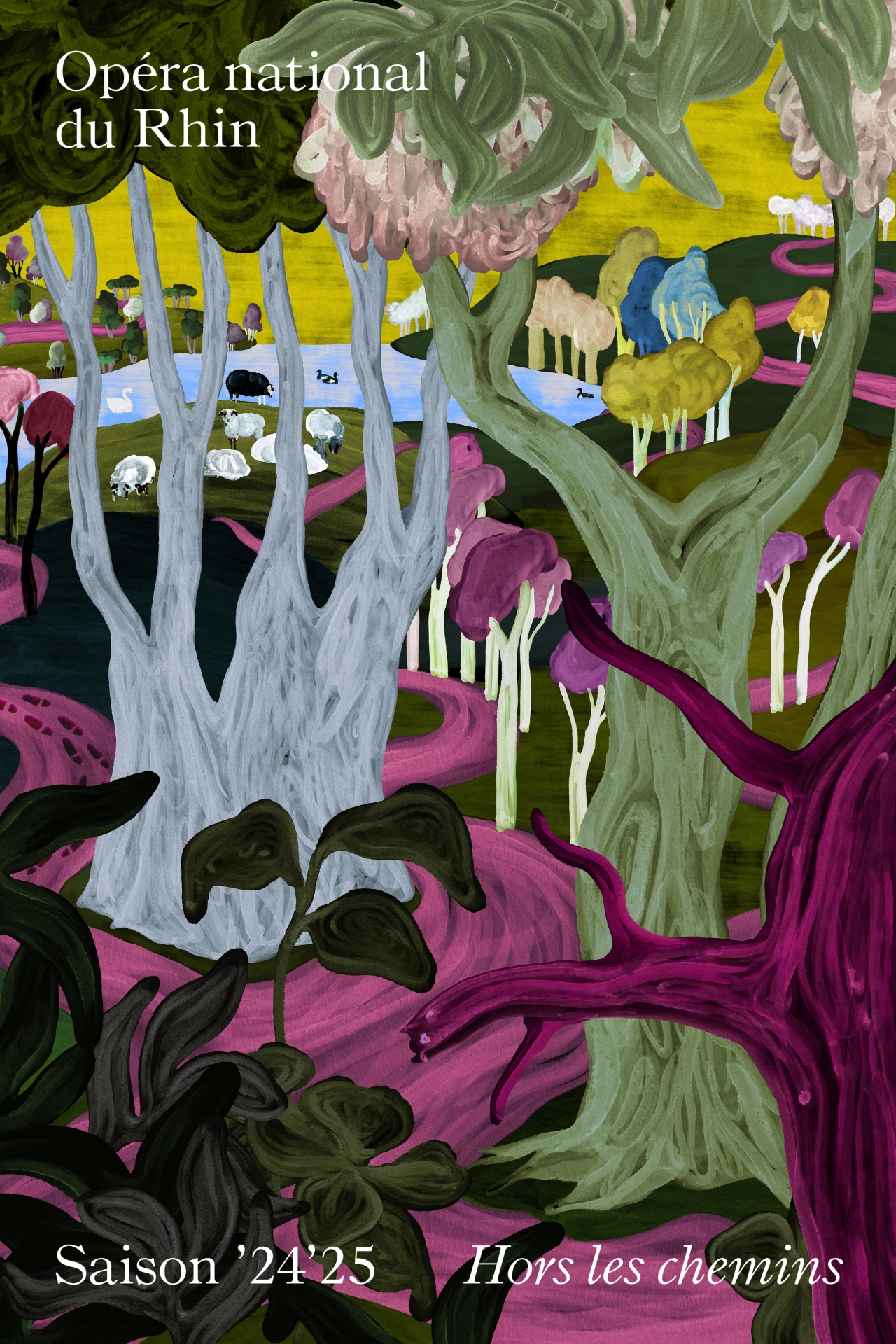
That mantra helped with her posters for the Opéra national du Rhin, whose “Hors les chemins” season was all about going off the beaten track. If you look closely, you’ll spot footsteps veering off to nowhere and black sheep here and there. “I worked with large fields of colour almost as if they were musical harmonies,” she says. “I thought a lot about the half-light you experience during a performance, when most of the space is in darkness, and your attention is drawn towards a single area by a focused light.”
As for what’s next, Hermès has asked for more windows. And there are books and new drawings on the go. What I find especially fascinating is the journey Sarah has been on. From being part of a small graphic design studio to playing with patterns as an illustrator and seeing her work on clothing, to painting entire worlds in the window of a leading fashion house.
It just shows how human creativity can lead to many brilliant things. “For some time now, I’ve imagined extending my work to an entire house: drawing the walls, the fabrics and objects, the details and all the hanging artworks. Seeing how far drawing can extend and what else it can occupy.”