A New Challenger to Tesla Supercharging
For years, Tesla has set the pace in public charging with its Supercharger network. The system is not only the most widespread in the United States, but also among the most reliable. At present, the latest V4 Superchargers support up to 325 kW of charging power, enough to give compatible models hundreds of miles of range in well under half an hour.
For non-Tesla drivers, the expansion of NACS access is a welcome step, but the performance ceiling has remained in the same ballpark. Mercedes-Benz is now preparing to raise that ceiling.
Beginning in 2026, the German company will integrate a new generation of chargers into its growing US network, capable of delivering up to 600 kW per vehicle – nearly double Tesla’s peak rate.
Jay L Clendenin/Getty Images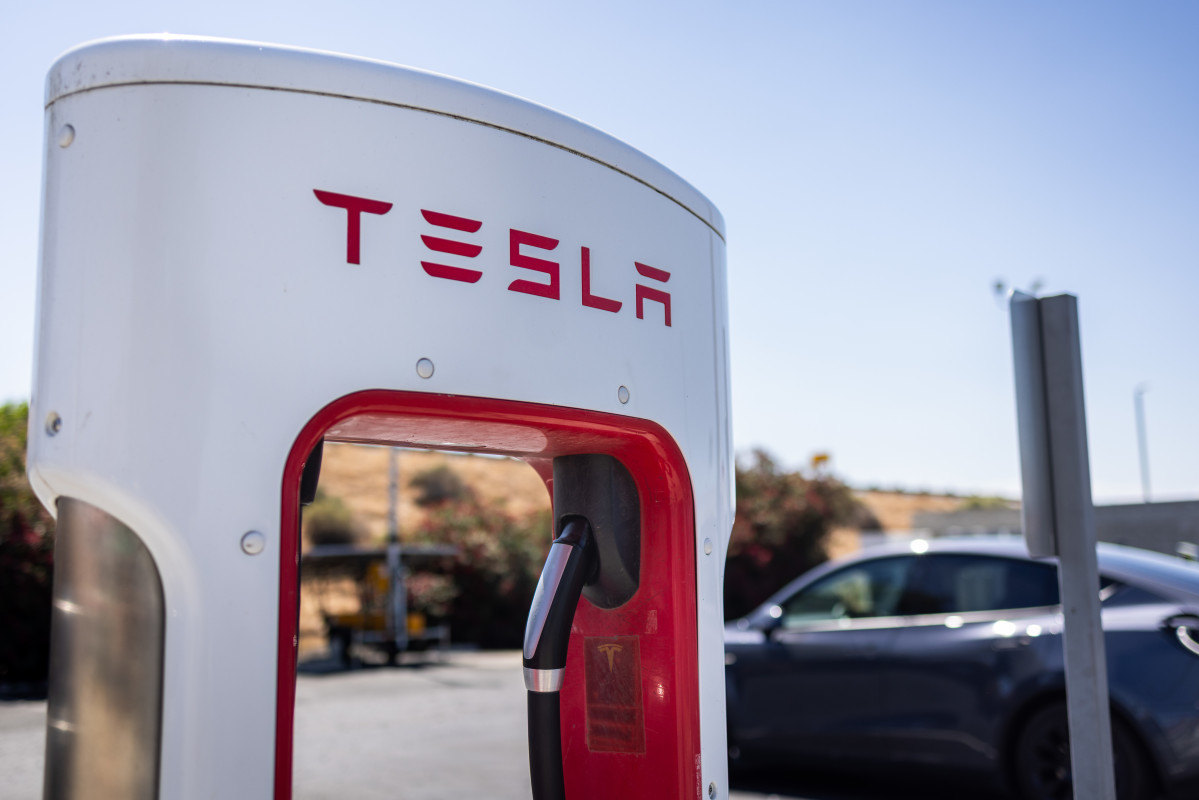
The Alpitronic HYC1000 System
The upcoming chargers are built around Alpitronic’s HYC1000 fast-charging system, a modular setup that breaks away from the conventional design of embedding the power unit in each column. Instead, an external cabinet supplies up to 1,000 kW at 800 amps, which can then be distributed intelligently across multiple stalls. This makes it possible to scale installations according to site needs, from a few chargers to large hubs.
In practice, a single charging point can deliver as much as 600 kW at 800 volts. Under ideal conditions, that would allow the new Mercedes-Benz CLA to recover about 202 miles of range in ten minutes. For the US market, both CCS and NACS connectors will be offered, ensuring compatibility across different brands.
Mercedes-Benz is also co-developing a dedicated high-performance charger with Alpitronic, drawing on lessons from its one-megawatt Concept AMG GT XX project.
Mercedes-Benz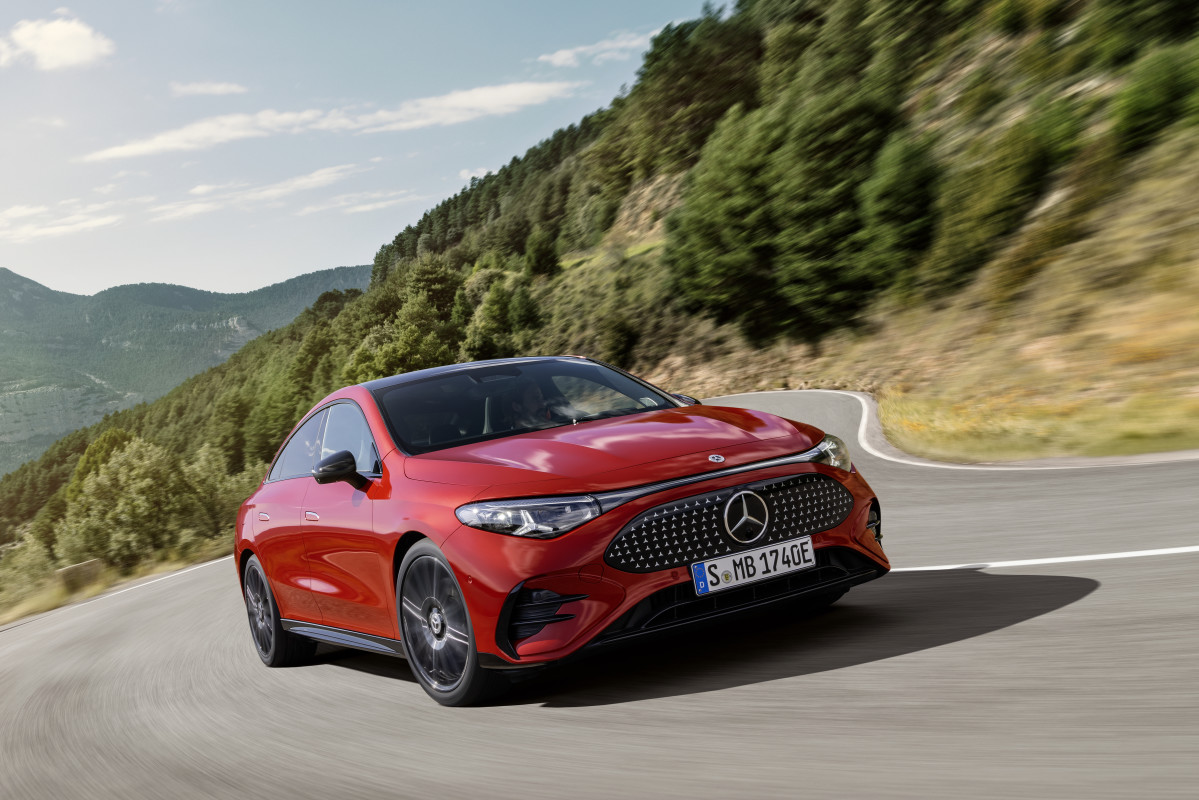
A Future-Proof Move
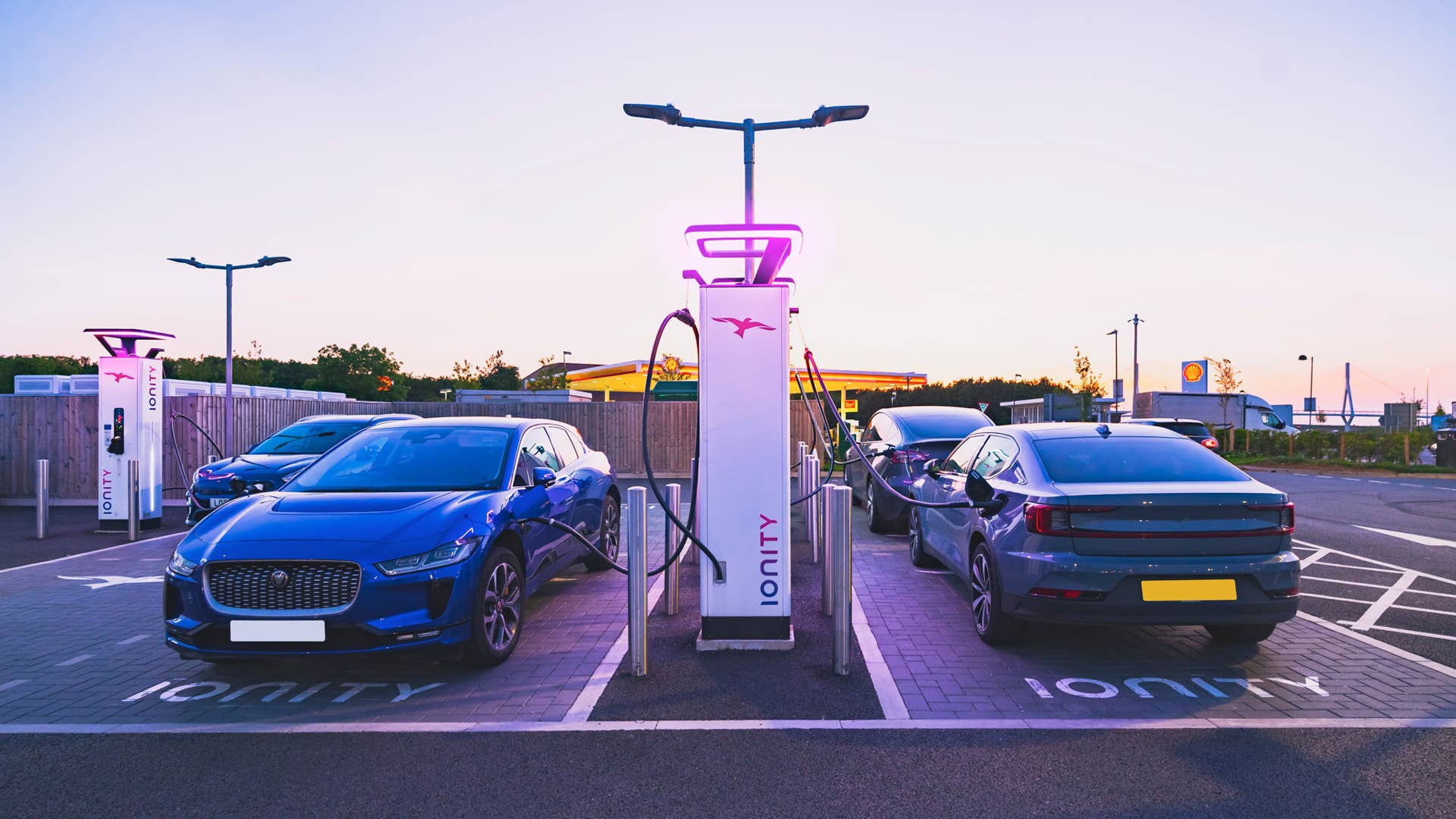
This is not the first time Alpitronic’s hardware has been deployed. In Europe, Ionity – a joint venture between multiple brands, including Mercedes-Benz, and a sister company to North America’s Ionna – has already begun introducing the HYC1000 system. Early demonstrations suggest that a potent EV could add roughly 186 miles of range in just eight minutes. While most vehicles today cannot accept anywhere near 600 kW, the technology positions charging sites for the next generation of EVs.
Current American models such as the Porsche Taycan, Hyundai Ioniq 5, and Ford F-150 Lightning top out at significantly lower figures, but as battery chemistries evolve, higher intake rates are expected.
For now, the Mercedes-Benz network will still serve all brands, but owners of the three-pointed star badge will benefit from exclusive integration with MB.CHARGE and navigation tools that can reserve stalls in advance.