Mercedes’ Big Seller
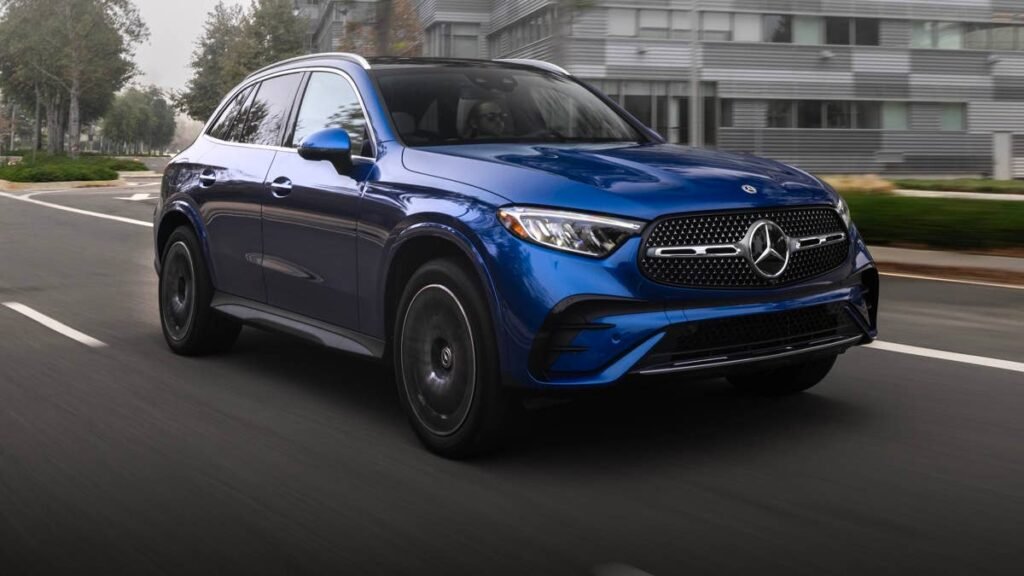
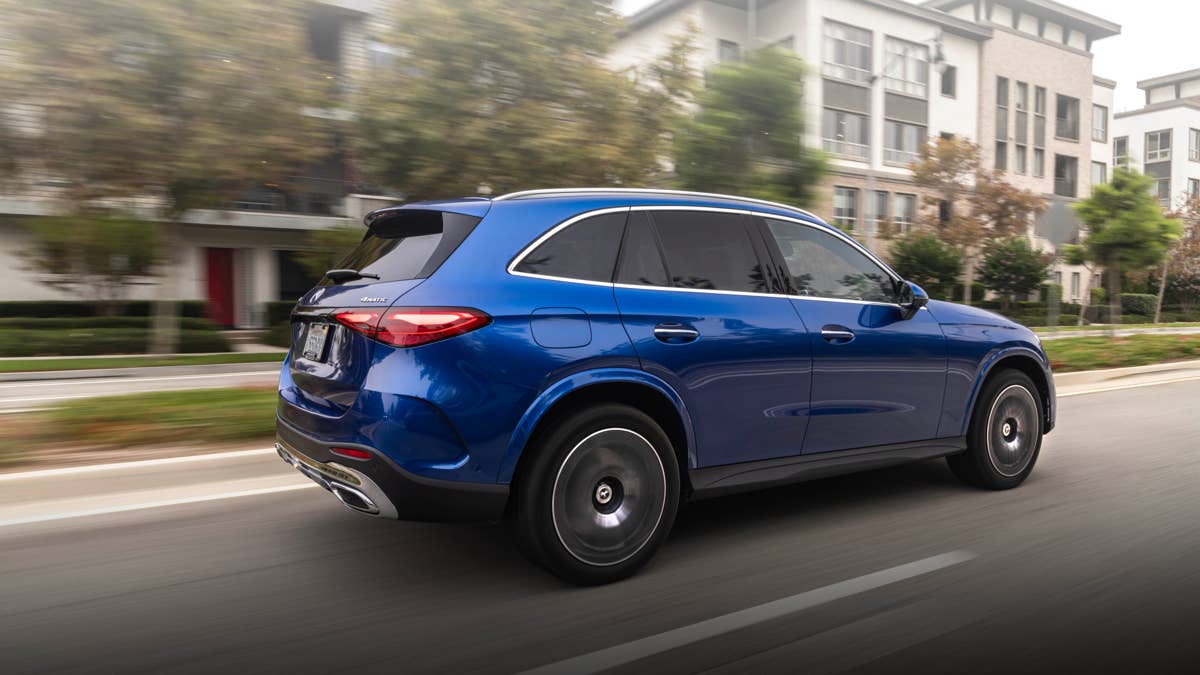
One doesn’t have to ask what Mercedes-Benz’s best-selling model is in the land. One quick look and you’ll know that it’s the GLC. Dealers are also fully stocked with the compact luxury crossover, so there’s no shortage of these cars to sell. Last year, Mercedes managed to shift nearly 72,000 of these, and 2026 is looking like yet another strong year for the model.
The GLC is also Mercedes’ top-selling model worldwide, although that’s not really a surprise at this point. The world has well and truly embraced the luxury compact crossover, and that should sound like good news and a whole lot of revenue for the company.
Mercedes-Benz
However…
Mercedes can sell bucketloads of GLCs in America with ease. However, making money from sales is the hard part. Tariffs eat up a good part of the company’s revenue in the U.S., and the more it has to bring in, the higher the bill. As the U.S-market GLC is sourced from Bremen in Germany, each car that comes in is slapped with a 15% tariff.
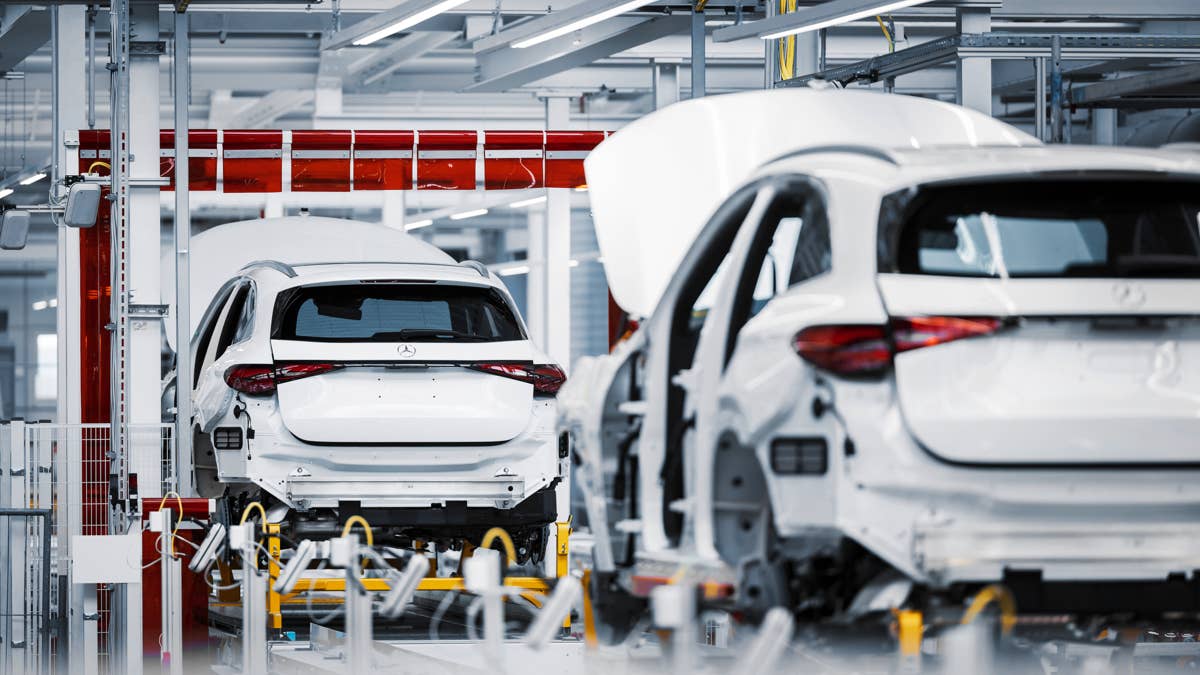
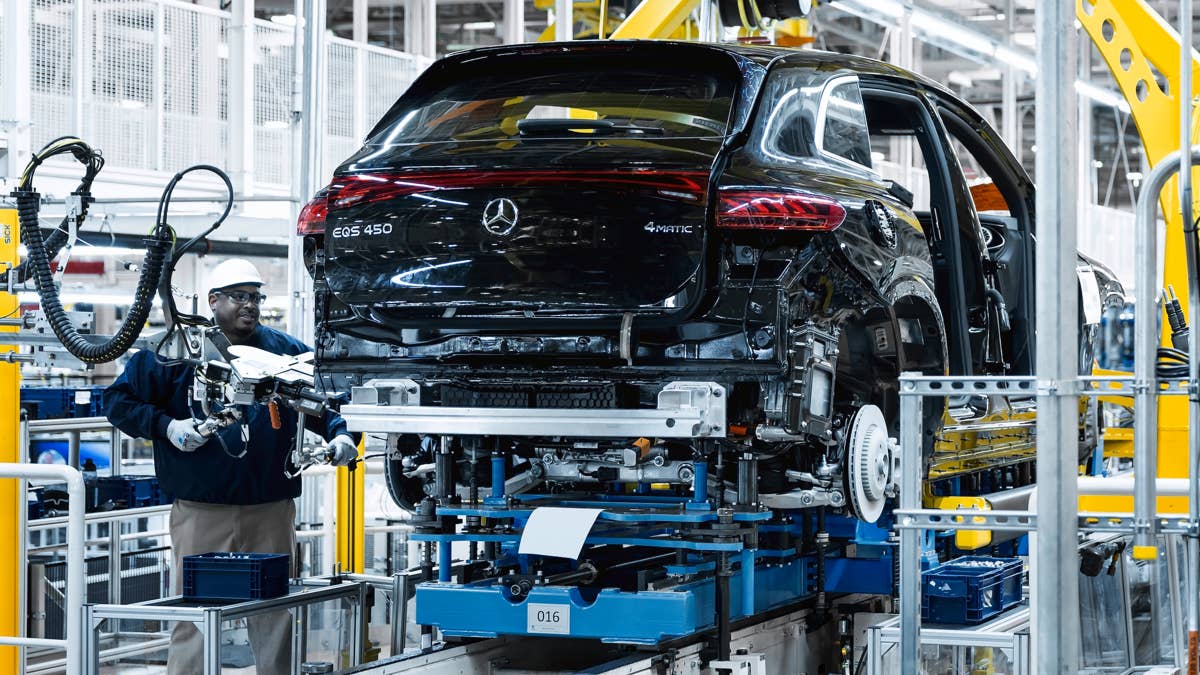
That 15% could’ve been additional income for Mercedes, but alas, it’s not the case. That said, the company is investing $4 billion into tooling its plant in Alabama to accommodate its best-seller. However, there is a wrench in the gears here, as it’s been reported that it’s been pushed back.
Mercedes-Benz
Why the Delay?
A report from Automotive News cites two people close to the matter regarding the delay. The first batch of U.S.-made GLCs was initially planned for December 2027, and postponing it to 2030 means Mercedes will bear the brunt of tariffs for the next two years. Per its sources, the Alabama-made GLCs will roll out by the second quarter of 2030 instead.
So, why is it being pushed back? “Investing in the plant for about half a life cycle and then having to retool for the next-generation GLC doesn’t make a lot of sense financially,” said AutoForecast Vice President Sam Fiorani. The current model was introduced in 2022 for the 2023 model year. That means the car will be in its sixth year by 2027 and heading towards the end of its life cycle.
Had Mercedes pushed through with the initial plan, that would mean retooling the plant twice for the GLC. That would be a costly exercise that could easily be avoided by simply finishing out the current model cycle. It’s a practical decision if true, and one that could save the brand millions more in the long run.
Mercedes-Benz