Mercedes Isn’t Going All-Electric Anytime Soon
Mercedes has been teasing AMG’s first in-house all-electric vehicle, a 1,000-horsepower-plus super sedan that will redefine Affalerbach’s definition of an Autobahn animal. On the other end of the spectrum, the entry-level CLA has arrived with similarly brilliant all-electric technology, and the automaker had previously announced intentions for all its products to be EVs around the end of the decade. Those plans have continually shifted as demand has, and based on comments Mercedes CEO Ola Källenius recently made to German publication Auto Motor und Sport, they’re seemingly shifting again. When asked if the decision to offer the GLC SUV as an EV and also with a hybridized combustion engine was a stopgap measure, Källenius responded, “The electrified, high-tech combustion engines will run longer than we originally expected. We have made this course correction.”
Mercedes Following Toyota And BMW’s Lead
Mercedes-Benz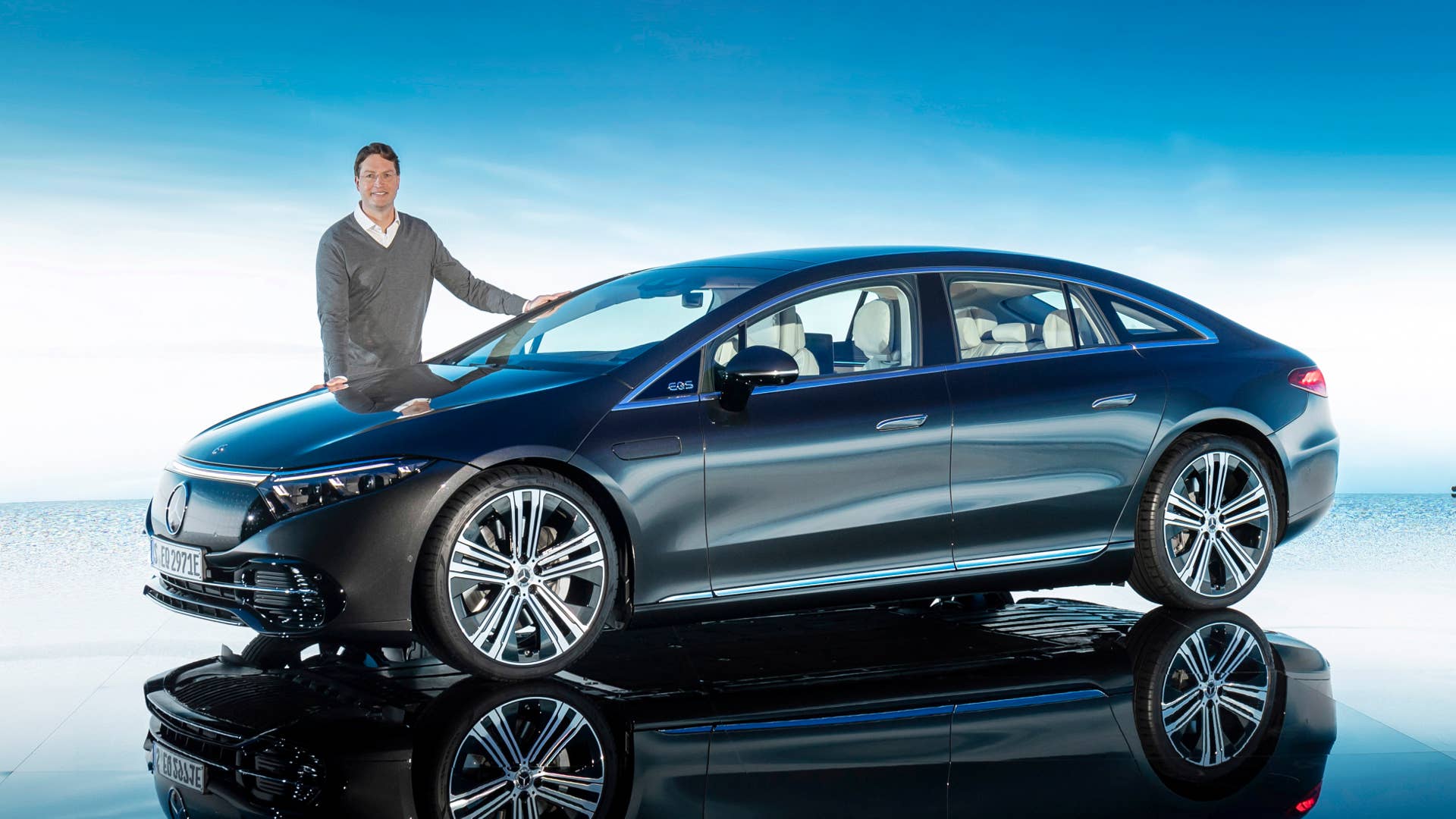
The CEO added, “I believe the most rational approach in the current situation is for an established manufacturer to do both [EV and gas] and not neglect one technology.” If those sorts of comments sound familiar, BMW CEO Oliver Zipse and Toyota Chairman Akio Toyoda have expressed similar sentiments, saying that focusing all one’s resources on exclusively building cars that are not yet fully supported in terms of worldwide infrastructure and demand is simply implausible for any automaker that wishes to exist long enough to see global EV adoption take hold en masse. To be fair, Källenius hasn’t just come to this realization now. Last year, he announced plans to move the EQS and S-Class under one nameplate, and Mercedes, like most of its peers, has always accompanied its all-electric goals with the condition that they are subject to market conditions. And let’s face it, the market for new luxury EVs is not exactly booming.
Expect To See More Of Everything, Including EVs
Mercedes-Benz 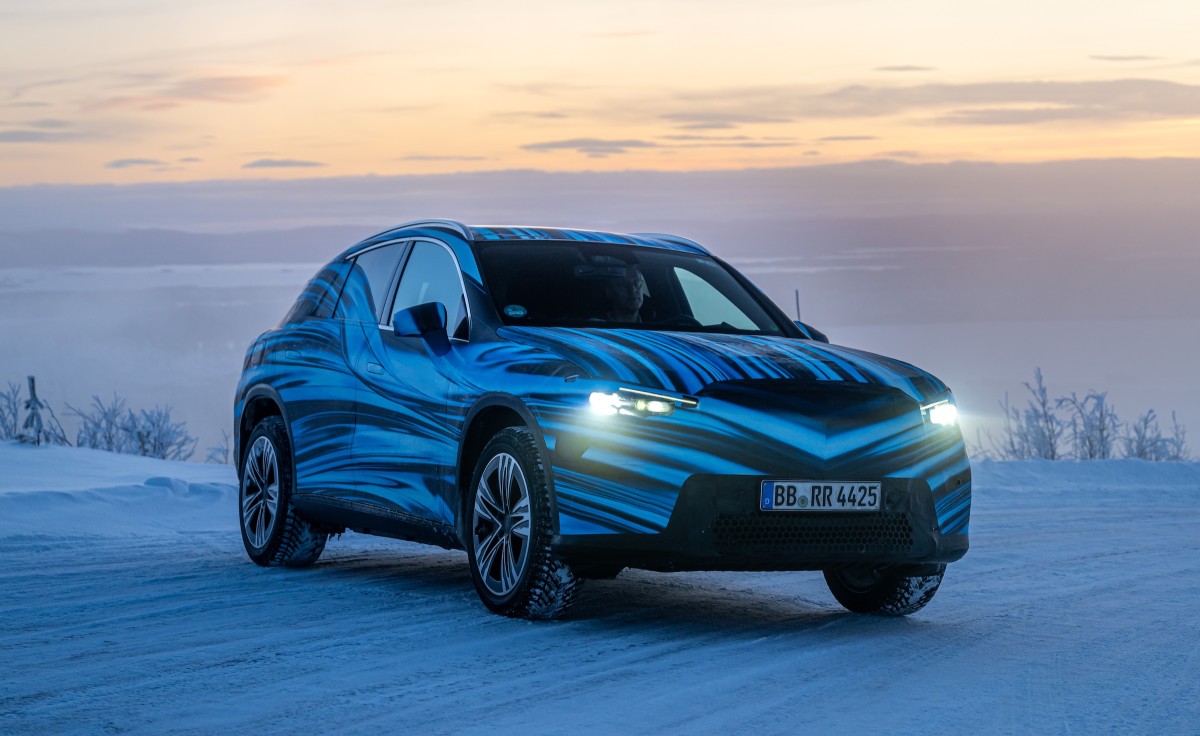
“The new CLA is the greeting from the kitchen of an entire family,” Källenius said. “Then the core segments will follow with the electric versions of the GLC, C-Class, and E-Class. We still have an incredible amount in the pipeline.” As we touched on above, Mercedes is dropping the EQ “sub-brand,” which was essentially a gamble based on the supposition that EV buyers wanted association with the Mercedes brand but also a unique identity. It was also a marketing ploy because Mercedes EQ models looked vastly different from traditionally named and powered Benzes, but the combination of a new name and jellybean styling led one dealer to tell Automotive News (subscription required) in 2023, “Our cars need to be ‘want’ cars. The S-Class has maintained good loylty because it’s aspirational. An EQS is not something that most people aspire to own.”
Källenius’ comments indicate that, like BMW (which sells identically styled i7 EV and 7 Series sedans), future EVs will look similar to their combustion-powered counterparts, and those hybridized counterparts will now likely be sold well into the next decade. The shift in styling strategy has already begun. The all-electric G 580 with EQ Technology has a silly name, but it looks like the solid G-Wagen it is. Notably, Porsche is also now working on a new gas Macan after the EV’s sales failed to sustain the nameplate, reports Autocar. In America, both the old gas and new electric Macan are sold concurrently, but in Europe, cybersecurity laws meant Porsche had to move on, and with the 718, too. Now, it may be returning to combustion, but have no doubt, more EQs and electric Caymans will still be developed.
Related: Genesis Is Going After BMW And Mercedes Where It Will Hurt Most