From weird designs to uninspiring powertrains, electrified Mercs are struggling to win over fans
Mercedes-Benz is still one the most prominent makers of luxury cars. Models like the E-Class, S-Class, and GLC-Class are brilliant examples of how good the brand’s core lineup still is, but on the other hand, a number of outlying Mercs have failed to resonate with buyers in the same way. Sales of the electric G-Class have been low and the new C63’s four-cylinder hybrid engine has had enthusiasts up in arms. By the brand’s own admission, you can now add the EQS electric sedan to that list: Sales have failed to get close to the traditional S-Class, as buyers are turned off by its revolutionary design.
EQS Arrived “10 Years Too Early”
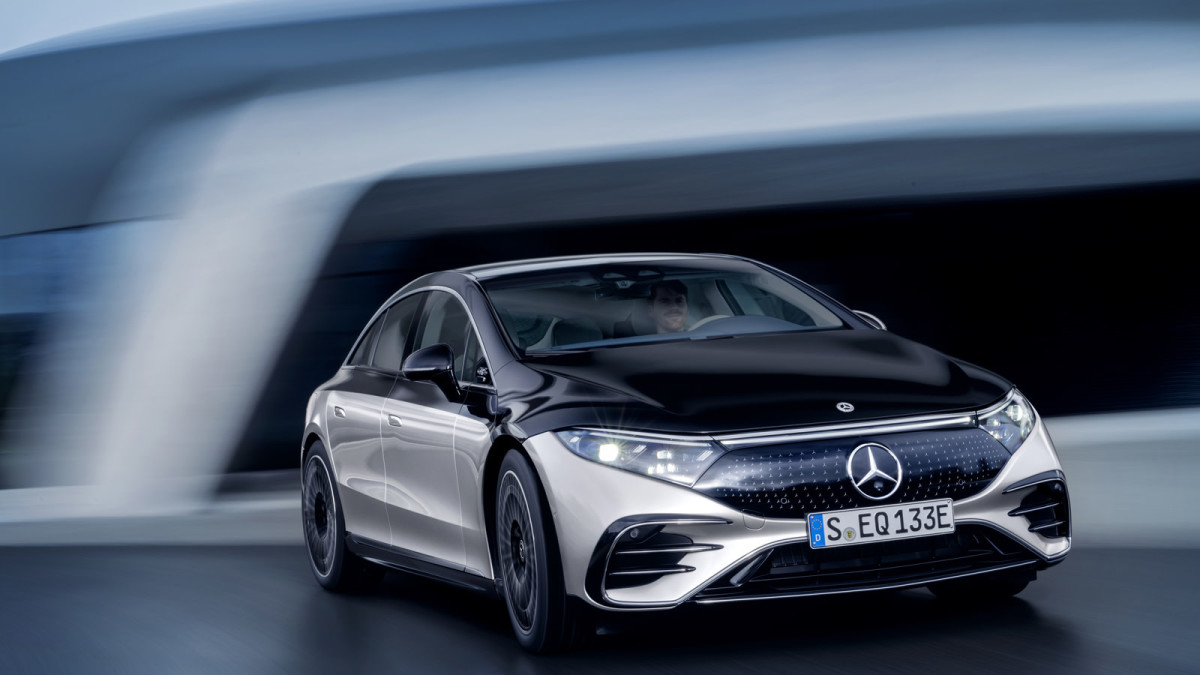
“I think the EQS is probably 10 years too early,” said Mercedes-Benz design chief Gorden Wagener when speaking to Autocar. “It’s a very, very progressive car and, of course, it was not originally designed as a chauffeur limousine. That was not the intention. Many people in this class expect a long hood and status from a chauffeur car, and the EQS is different there.”
That’s the assessment from the chief designer when he explained why the EQS has not sold as strongly as the gas-powered S-Class. Mercedes even went so far as to introduce a more conventional-looking grille on the 2025 EQS, but there’s nothing much it can do about the swoopy, egg-shaped body that deviates quite dramatically from the more common three-box sedan.
“Maybe we should have marketed it differently, more like a futuristic CLS, S-Class Coupe, or something like that.”
A similar sentiment was expressed by Mercedes when talking about the cold reception to the C63’s four-cylinder plug-in hybrid engine, which was dubbed as one of the most advanced powertrains yet.
BMW’s EV Approach Has Been More Effective
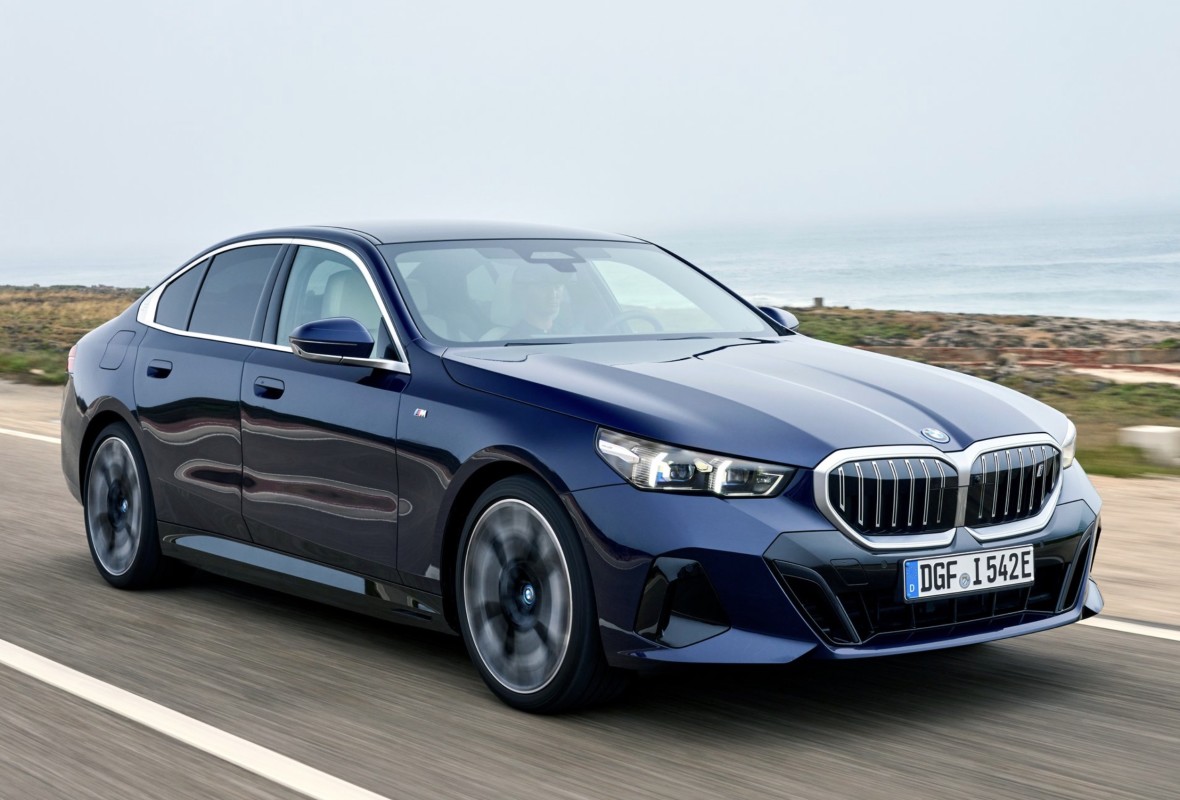
Not only does the EQS appear completely distinct from the S-Class, but the same is true of the EQE alongside the traditional E-Class. Over at BMW, a totally different strategy has been employed. The i5 is almost indistinguishable from the gas-powered 5 Series, and the same is true for the i7 and 7 Series.
By doing this, BMW hasn’t alienated any specific buyer. So a 5 Series customer can now choose between gas or electric power, but the look and feel of both sedans are the same and in line with expectations.
It’s little wonder that Mercedes is taking a page out of BMW’s book with the next S-Class and EQS, which will look like a typical S-Class with a single design.
Already, the brand is approaching electric powertrain development by looking back at what has worked so well; it will be incorporating the feel and sensations of its classic V8 in new EVs, starting with the production version of the Concept GT XX. By doing the same from a design perspective, Mercedes has a chance to once again regain the loyalty of its fan base with a new generation of EVs that don’t look like they’re from several years in the future.
Related: How Mercedes-AMG Will Make EVs Feel and Sound Like a V8