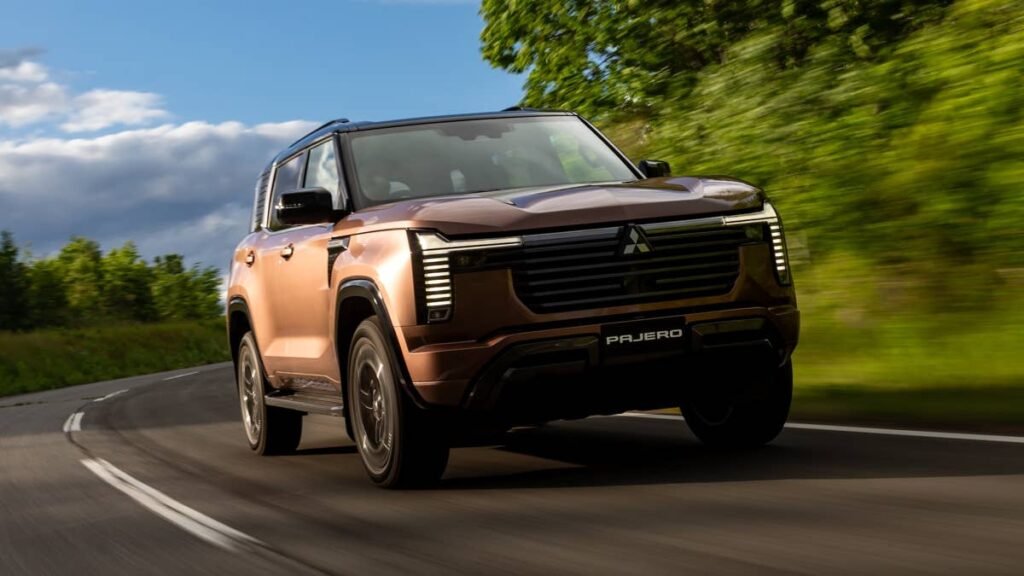
A 52:48 Weight Distribution Is One of the Pajero’s Interesting Details
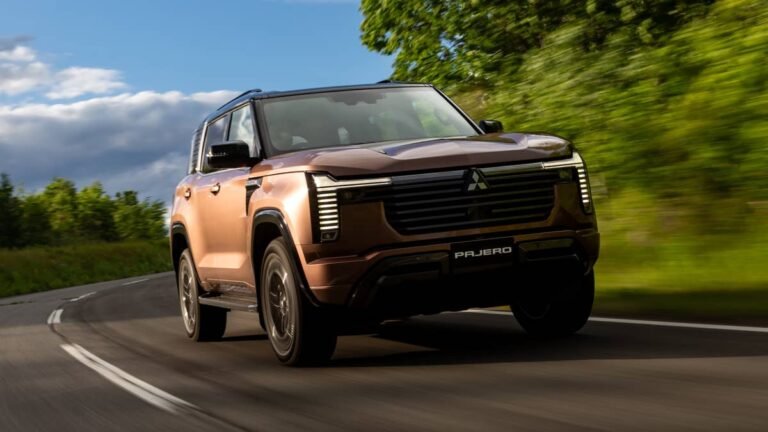
At this point, it’s no secret that the Mitsubishi Pajero is back, and based on early reviews, the returning SUV is promising. That’s especially relevant for American buyers, considering that Mitsubishi has been hinting at bringing back the Montero nameplate stateside.
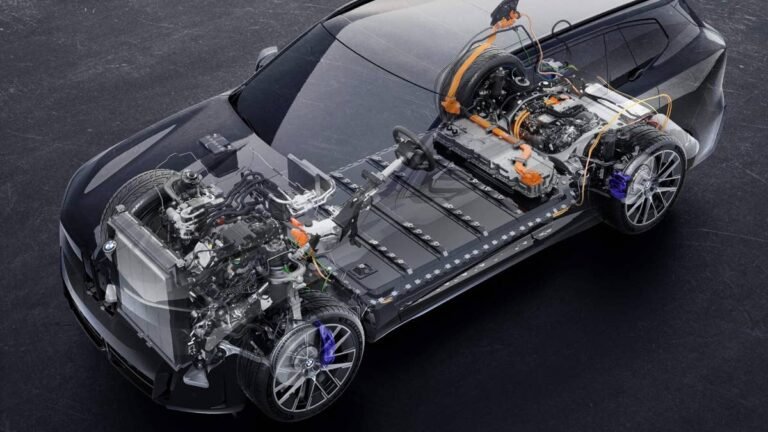
But here’s a detail you might have missed at the launch: the Pajero has a near-ideal 52:48 front-to-rear weight distribution. That’s pretty wild for something almost five meters long and riding on a tough ladder frame.
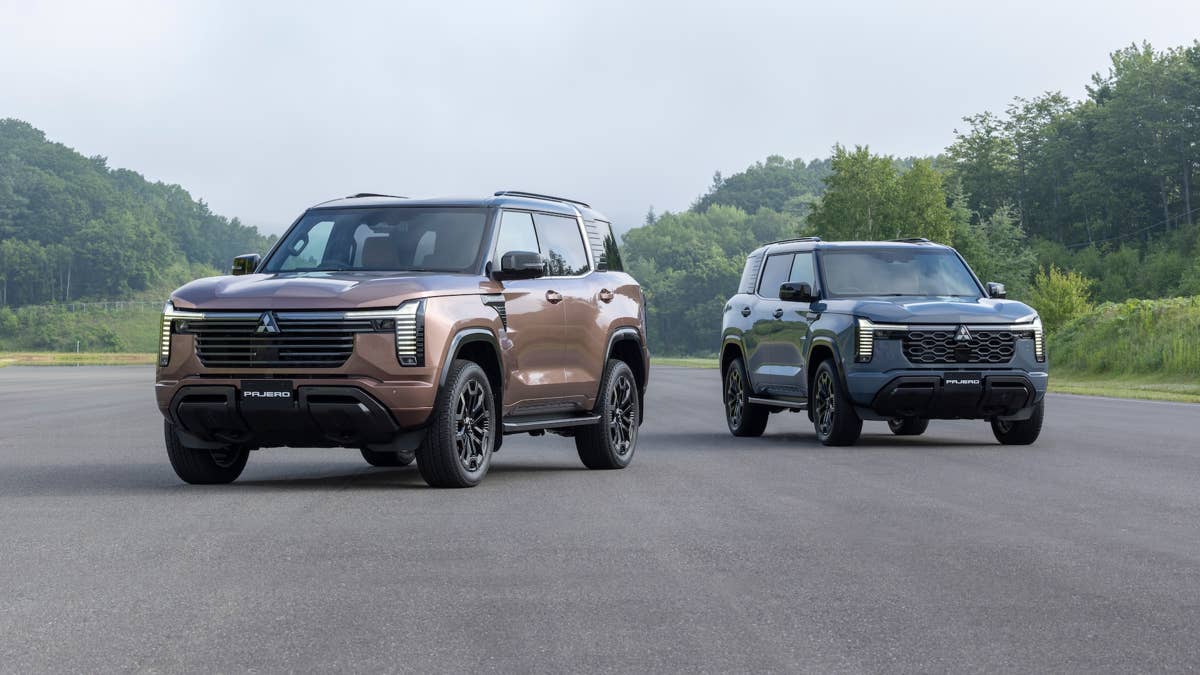
To put it in perspective, the new Pajero stretches 193.7 inches long, 75.8 inches wide, and 75.2 inches tall, with a 113-inch wheelbase. It sits 9.1 inches off the ground and packs a 2.4-liter four-cylinder diesel up front, sending power through an eight-speed automatic and a transfer case.
Most of the heavy bits are up front, so getting this close to a perfect split is impressive. It’s not the 50:50 balance you see in sports cars, but it’s close enough to change how the Pajero feels on the road.
Mitsubishi
Why Does Weight Distribution Matter in an SUV?
Weight distribution is all about how much of the car’s heft sits over the front and rear axles. If most of it is up front, the front tires have to do the heavy lifting – steering and a big chunk of the braking.
With a 52:48 split, the Pajero spreads the load more evenly. This means the tires can work together better in corners, which could reduce understeer and make the SUV feel more predictable when changing direction. It won’t turn a seven-seat, ladder-frame SUV into a sports car, but it does give Mitsubishi a better chance to improve the handling.
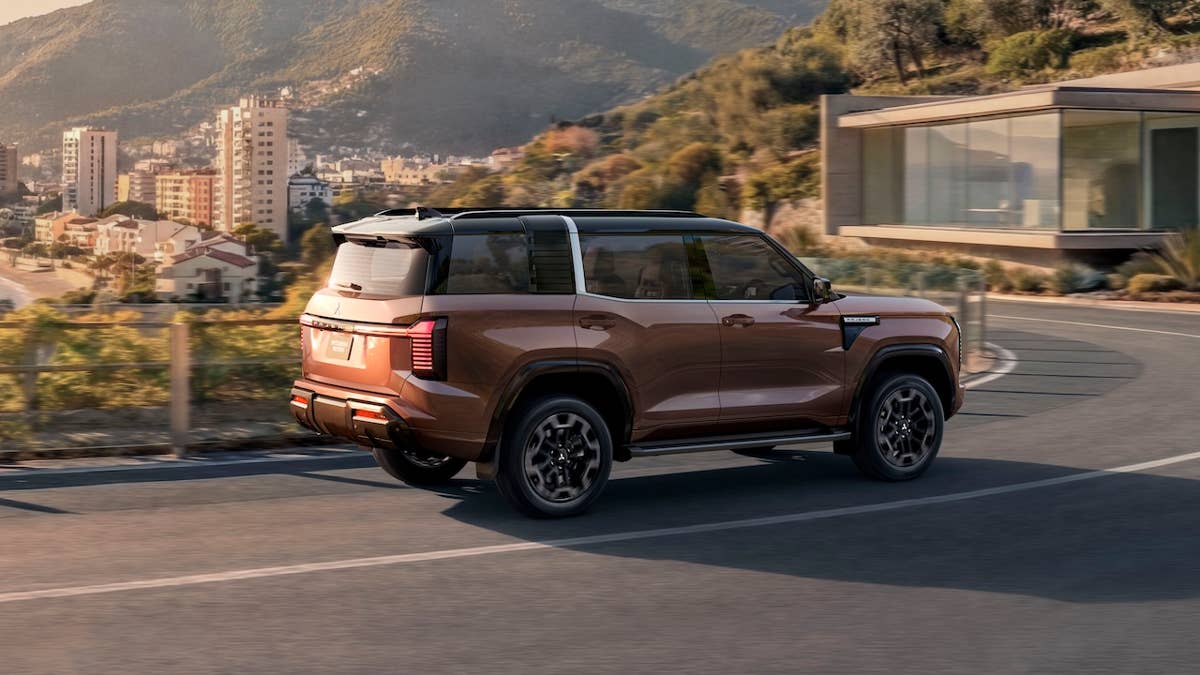
This setup teams up with the Pajero’s double-wishbone independent front suspension and a new five-link rigid rear axle. Mitsubishi built these with plenty of suspension travel and road-following ability in mind.
Don’t forget about Super-All Wheel Control (S-AWC). It connects driving, turning, and braking, and when combined with Super Select 4WD-II, it helps maintain traction and stability by managing the forces at each wheel.
Mitsubishi
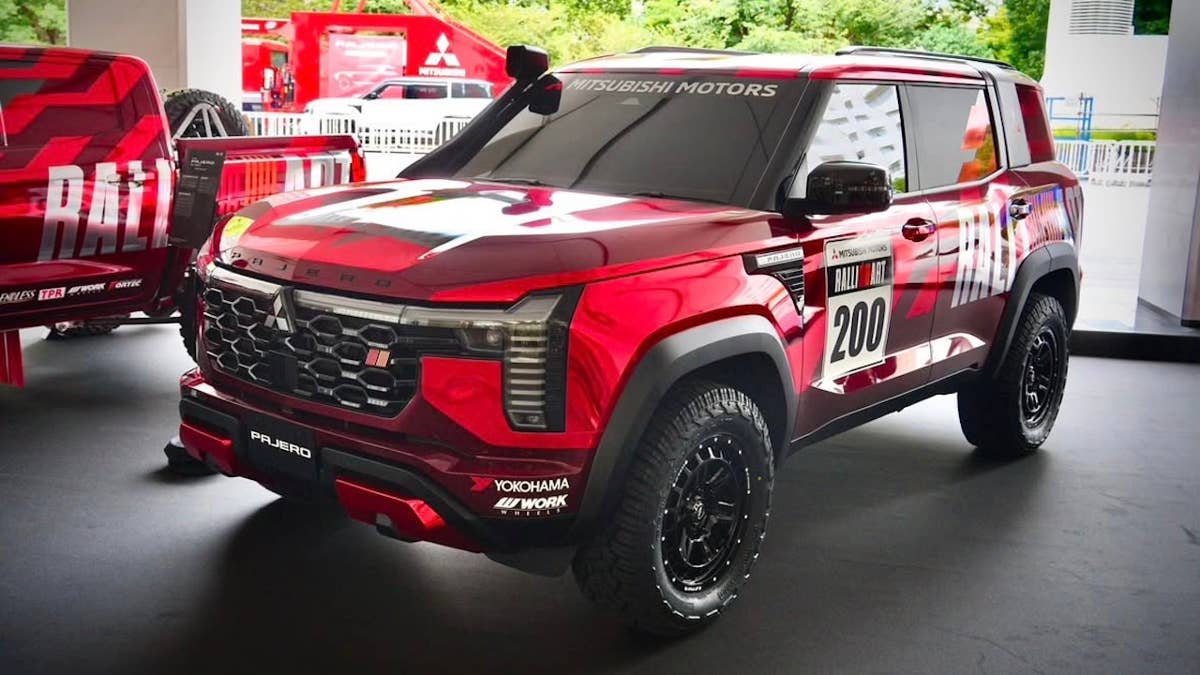
The Pajero Wants to Be More Than an Off-Road SUV
What’s interesting is how Mitsubishi is going about the new Pajero. They’re not just slapping on a tough 4WD system and calling it done. The ladder frame got a makeover too, with more high-tensile steel and tweaks to make it stiffer in all the right ways. The goal? Better handling without wrecking the ride comfort.
This is where the 52:48 split becomes important. It won’t magically turn a large SUV into a sports car, but it’s a key part of Mitsubishi’s plan to make the Pajero perform better on any surface.
The new Pajero looks like it’s nailing the basics. Off-road chops are a given, but Mitsubishi clearly wants this SUV to feel less like a tank when you’re just driving around town. A near-even weight split won’t magically make the Pajero handle like a dream, but with the new chassis, suspension, and S-AWC, it’s a solid foundation. Even a real-deal off-roader has to live on pavement most of the time.
Autoblog