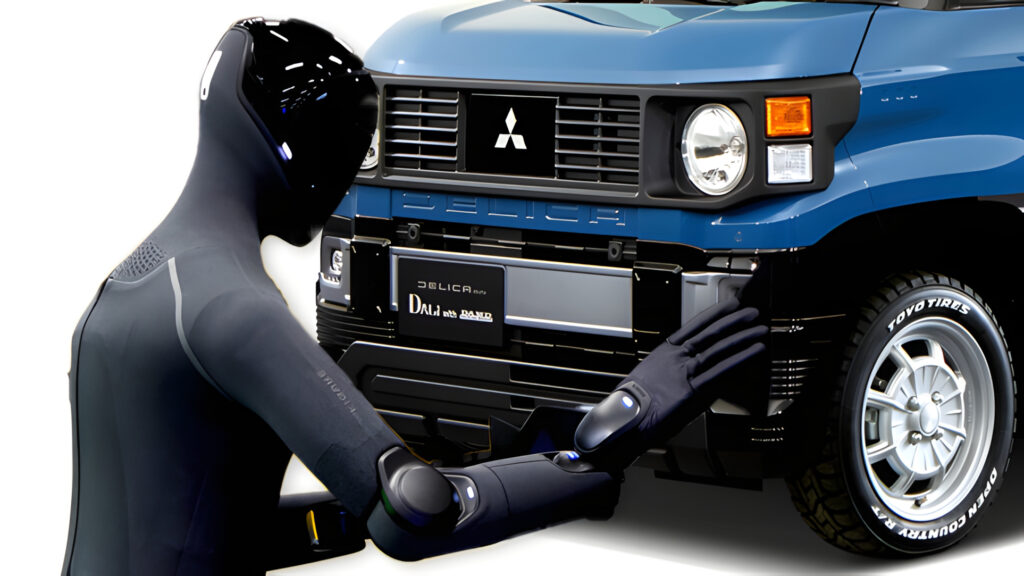
- Production could start at its Kyoto engine plant as early as 2027.
- Capacity is planned at a striking 1,000 humanoid units every month.
- The robots will first handle welding, logistics, and engine assembly work.
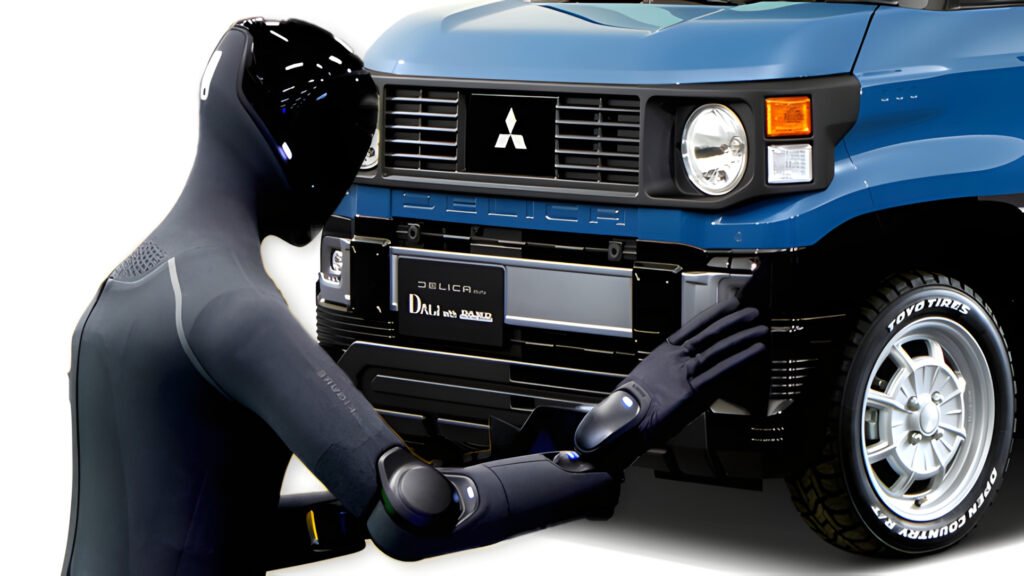
Mitsubishi has spent years watching rivals modernize the way they build cars while its own lineup aged in place, and it would rather not repeat the pattern with what comes next. The company has now signed on with a technology startup to develop humanoid robots for its factories, betting that automation can close a gap it has felt in more than one corner of the business.
The automaker will work alongside Highlanders, a company originating from the University of Tokyo. The plan is to put the robots to work against Japan’s stubborn labor shortages, part of a wider shift toward manufacturing systems that can flex with demand.
Mitsubishi has already invested in Highlanders and says more money could follow, though it hasn’t disclosed the amount or the size of its stake.
Read: The First Robot-Only Car Factory Is Closer Than You Think
Rather than buying its machines from an outside supplier, as BMW is doing in the United States, Mitsubishi co-developed these robots with Highlanders and will assemble them in-house, repurposing empty buildings at its Kyoto plant. Production could start as early as 2027.
The Kyoto site currently turns out engines, and Mitsubishi is aiming for a capacity of 1,000 units a month. The AI-equipped robots will begin with jobs like ferrying components and assembling engines, and if they hold up on the line, the company will consider selling them to other manufacturers.
Mitsubishi claims that its Memorandum of Understanding with Highlanders is the first collaboration of its kind between a car brand and a humanoid robotics firm for mass production. Admittedly, other car manufacturers are doing similar work, but it is an important development for a company that, in many markets, trails the competition.
Looking To The Future
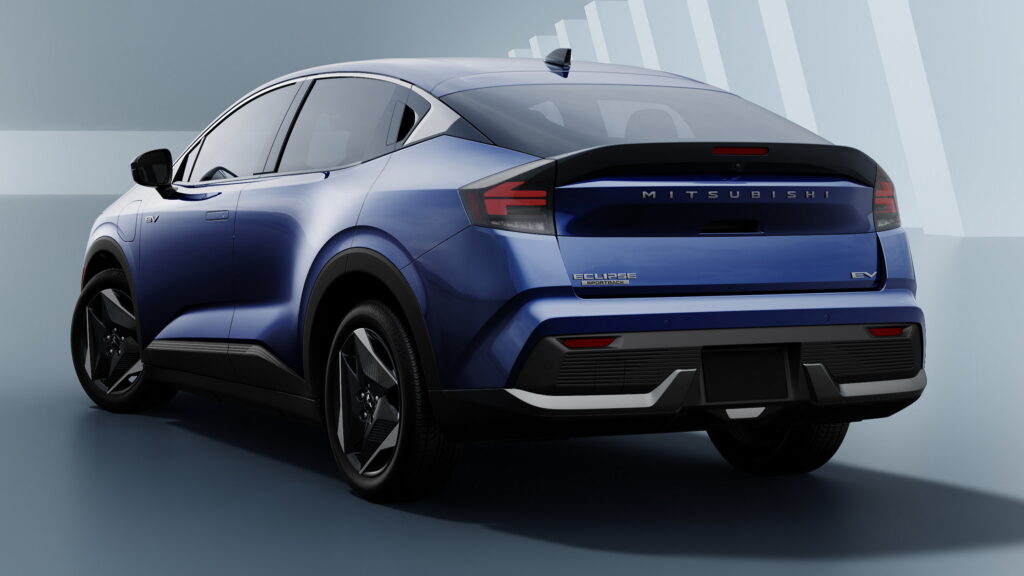
The carmaker makes no mention of whether it intends to replace existing human workers with these robots, instead insisting that it works to operate in a society where “humans and robots work together.”
“Our collaboration with Highlanders represents a challenge aimed at building a new industrial foundation in which humans and robots work together,” Mitsubishi chief executive Takao Kato said. “At the same time, it provides Mitsubishi Motors with a valuable opportunity to deepen our technological and business expertise in the field of humanoid robotics. By utilizing humanoid robots in our own manufacturing facilities and supporting the production of Highlanders products, we aim to leverage the outcomes of this collaboration to drive our growth and enhance corporate value.”
Kato added that the auto industry’s existing supply chain could feed robot development, pointing to the range of tasks on a production line, from welding to logistics, as evidence of the “great potential” ahead.