When the Good Stuff Went Mainstream
There was a time when features like large infotainment screens and heated seats were largely reserved for models from premium automotive brands. Now, an abundance of in-car technology has become the bare minimum for staying competitive, a shift that should be a welcome development for car buyers.
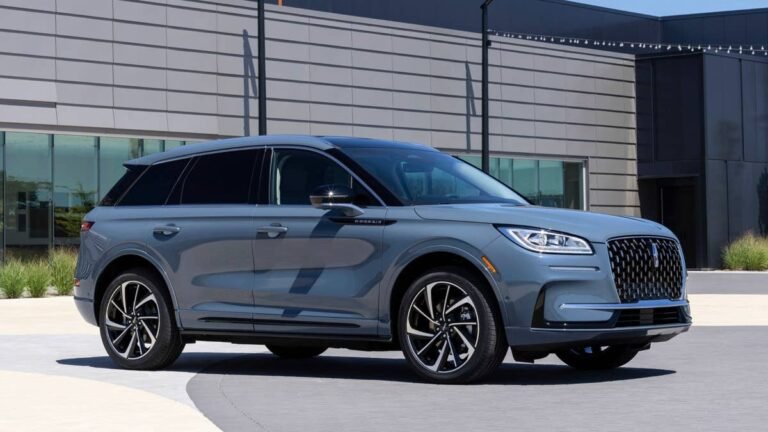
As a result, however, premium car brands such as Cadillac and Lincoln may be losing some of their appeal. According to an Automotive OEM Intelligence Report from J.D. Power, more premium-vehicle owners traded their vehicles for mainstream models in the first half of 2026. The report said premium brands, excluding direct-to-consumer automakers, made up 13.3% of new-vehicle sales in H1 2026, down from 13.8% a year earlier – the segment’s smallest share since 2020.
Lincoln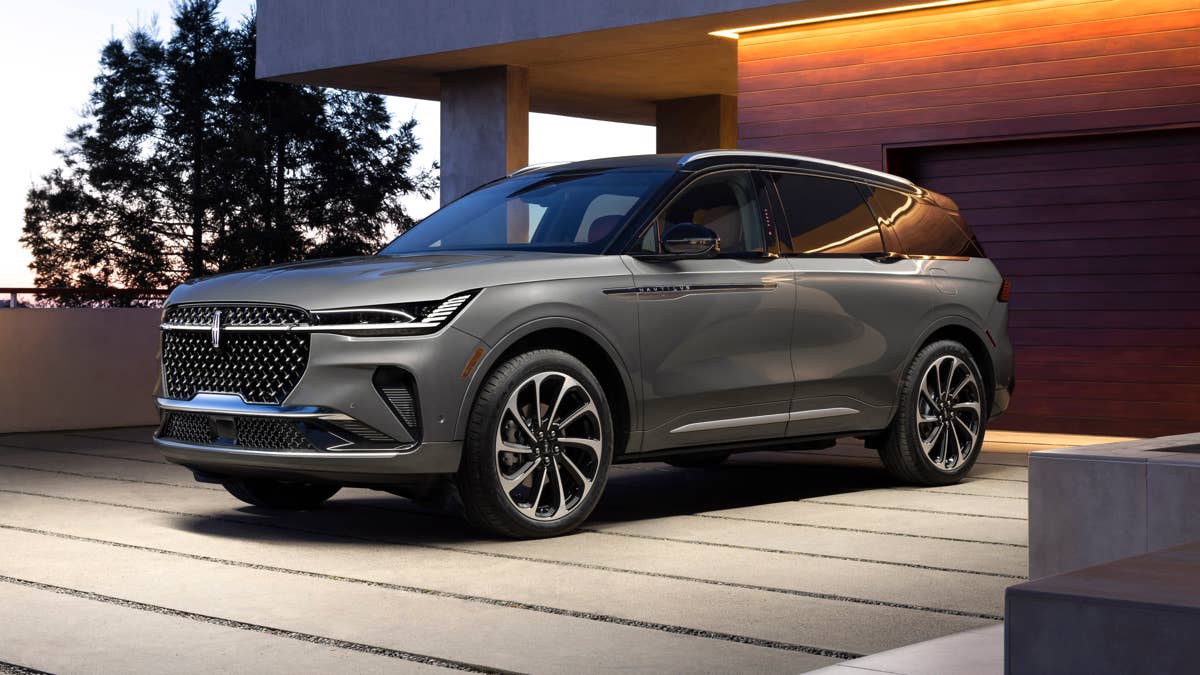
The Badge Isn’t Holding Them Back
Looking at the numbers, 32% of consumers trading in a midsize premium SUV purchased a vehicle from a non-luxury brand. Midsize premium SUVs are said to be the top-selling premium market segment, where models such as the BMW X5, Lexus RX, and Lincoln Nautilus compete. Mainstream midsize SUVs – including the Ford Explorer, Toyota Highlander, and Kia Telluride – accounted for 11% of those transactions, while compact SUVs accounted for 6%.
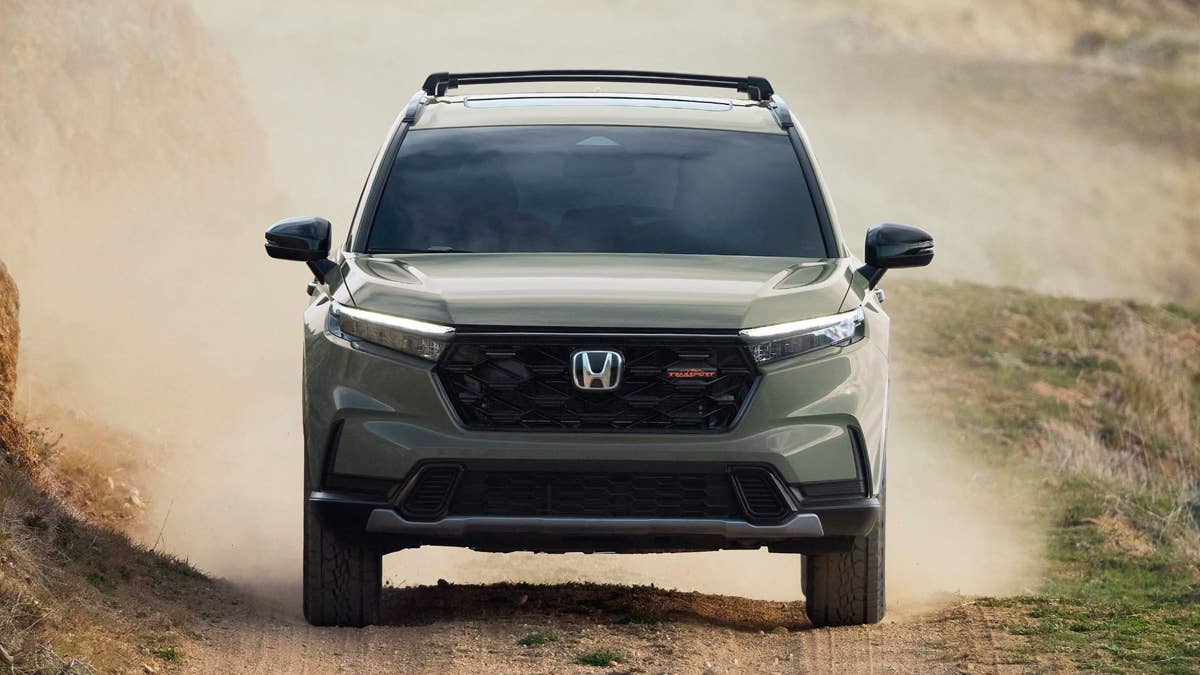
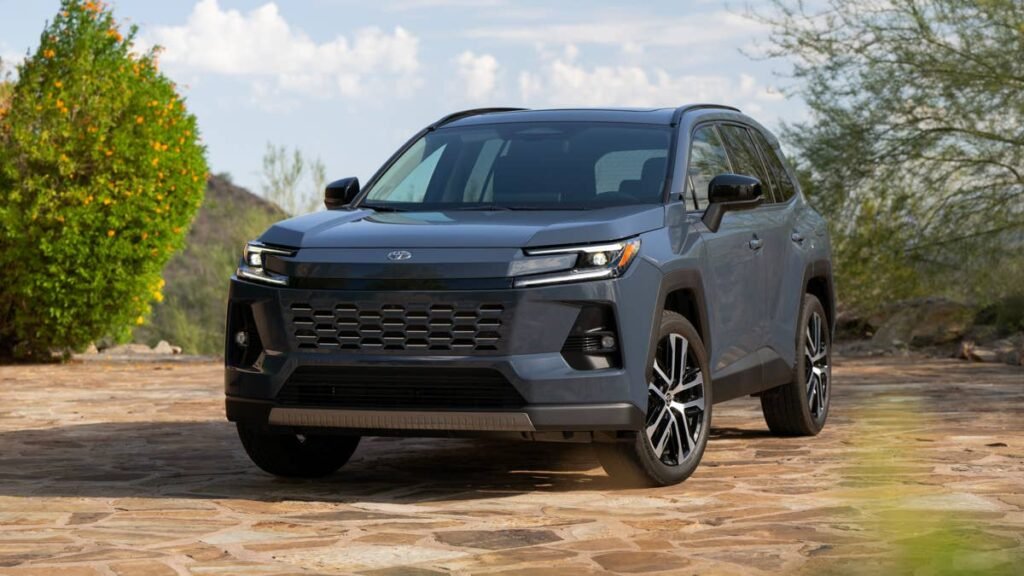
As for compact premium SUV owners, 30% moved to mainstream brands; 10% chose a midsize SUV, while 9% went for a similarly sized mainstream model, a category that includes the Toyota RAV4 and Honda CR-V. Additionally, 42% of compact premium car owners chose a mainstream vehicle.
The average transaction price for the mainstream midsize SUVs purchased was $51,500, compared with $70,600 for the premium vehicles traded in.
The study noted that the destination segment matters because it shows buyers are not leaving luxury vehicles on price alone; mainstream models have become sophisticated enough to offer many of the same qualities once reserved for premium brands. It is reflected in the J.D. Power 2026 APEAL Study, which found that the emotional-satisfaction gap between premium and mass-market brands has narrowed to just 29 points on a 1,000-point scale, down from 66 points in 2008.
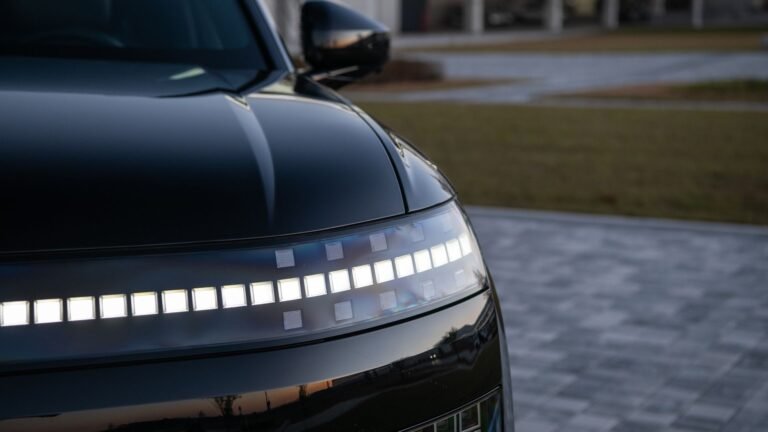
While the study credits EV competition with accelerating improvements in in-car technology – a trend that became more apparent at the start of this decade with models such as the Hyundai Ioniq 5 – perhaps the rise of affordable, feature-packed Chinese cars in global markets may have also pushed established automakers to keep up.
Ford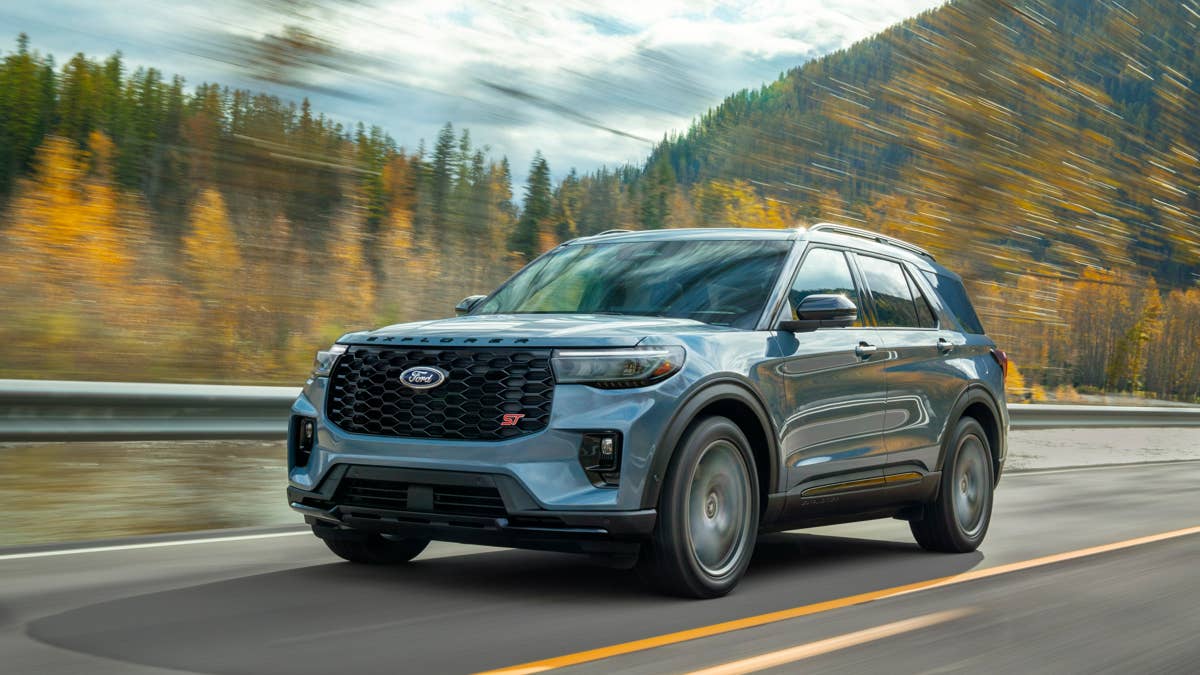
Who’s Leaving Premium Behind?
Other findings in the Automotive OEM Intelligence Report include that Baby Boomers and Pre-Boomers are the most likely to remain in the premium segment; Millennials and Gen Z buyers defect at higher rates; buyers earning $200,000 or more are the most likely to remain in the premium segment, with retention weakening as income declines; and customers moving to mainstream brands are more likely to live in rural or suburban areas.
The study suggests that offering sophisticated in-car features and relying on badge prestige may no longer be enough for premium brands to distinguish themselves from mainstream rivals. Providing a more upscale customer experience may be a good place to start.
Honda