- Japanese study shows driving a manual stimulates the prefrontal cortex.
- Nintendo’s Brain Age creator led the research into manual gearboxes.
- Manual cars account for just 1% to 2% of new vehicle sales in Japan.
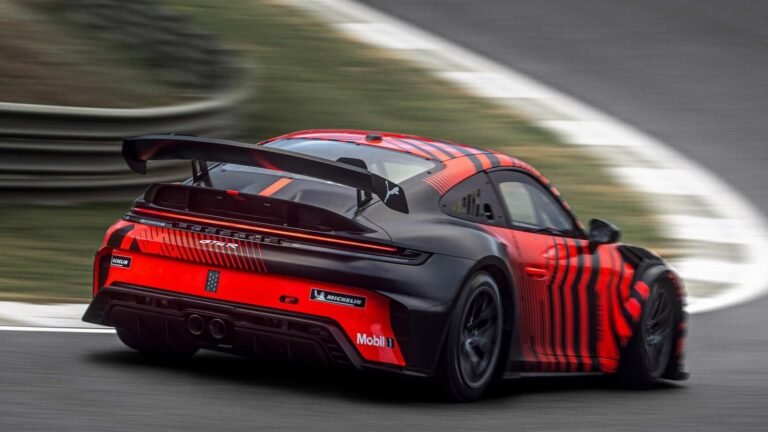
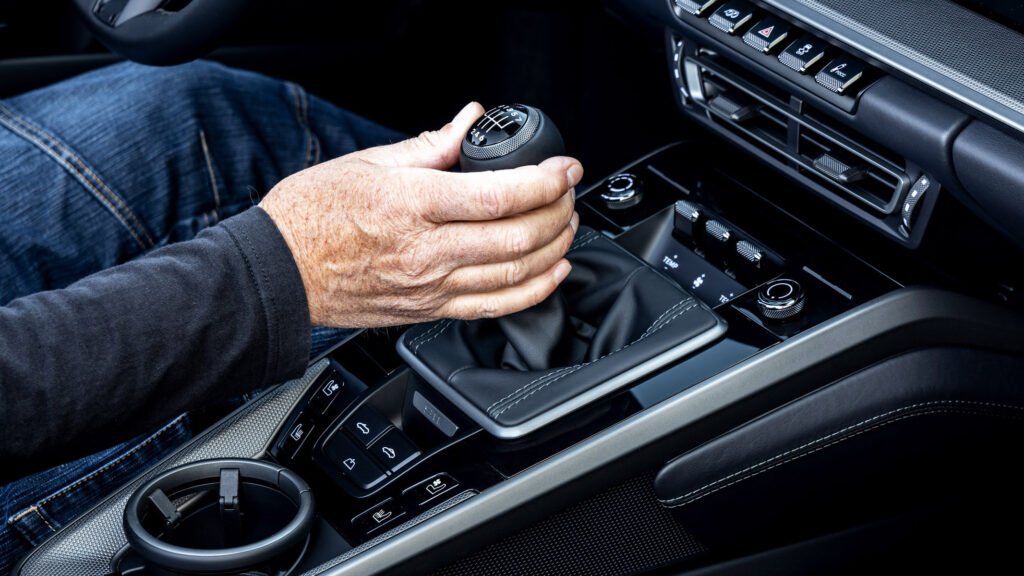
Petrolheads pour their energy into saving the manual transmission in cars like the Porsche 911 GT3, the kind of halo machine that gets magazine covers and forum crusades. The cheap commuter cars losing their third pedal get no such defense, and they’re disappearing far faster. A study out of Japan adds a wrinkle to the argument anyway, because the case for rowing your own gears may reach past the fun of it and into the health of your brain.
More: Suzuki’s Every PA Still Has Crank Windows, But It Also Has A Manual
The research comes from Professor Ryuta Kawashima, who runs neuroimaging work at Tohoku University’s Institute of Development, Aging, and Cancer. Kawashima is no obscure academic. He built the science behind Nintendo’s Brain Age series, the puzzle games that sold millions on the promise that the mind responds to exercise like any other muscle.
What The Clutch Does To Your Head
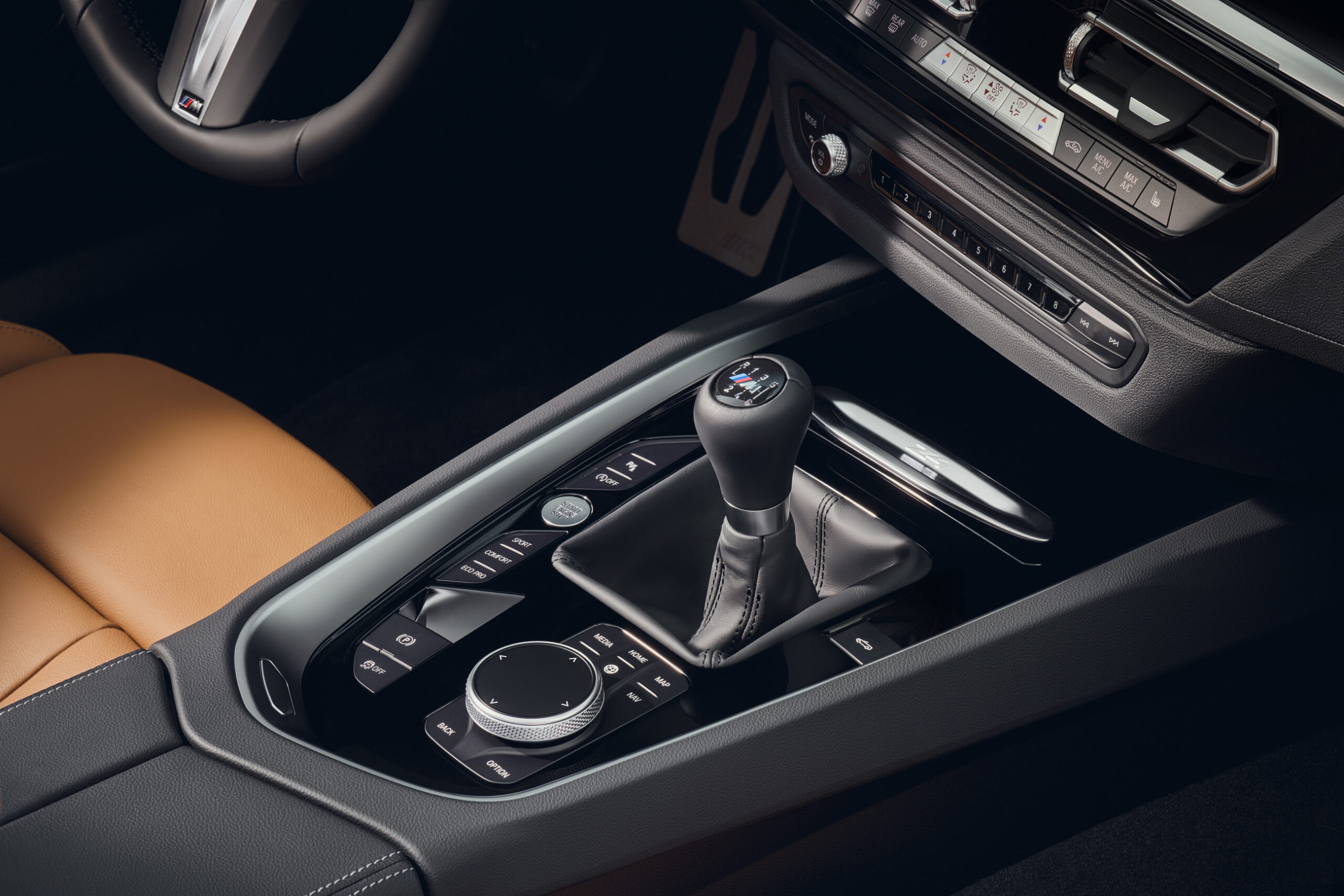
According to a report from local outlet Best Car Web, the study found that the physical sequence of driving a manual lights up the prefrontal cortex, the region that handles memory, attention, and decision-making. Reading traffic speed, dipping the clutch, picking a gear by hand, and metering the throttle all happen at once, and keeping them coordinated demands a level of engagement that holds the driver’s attention from one moment to the next.
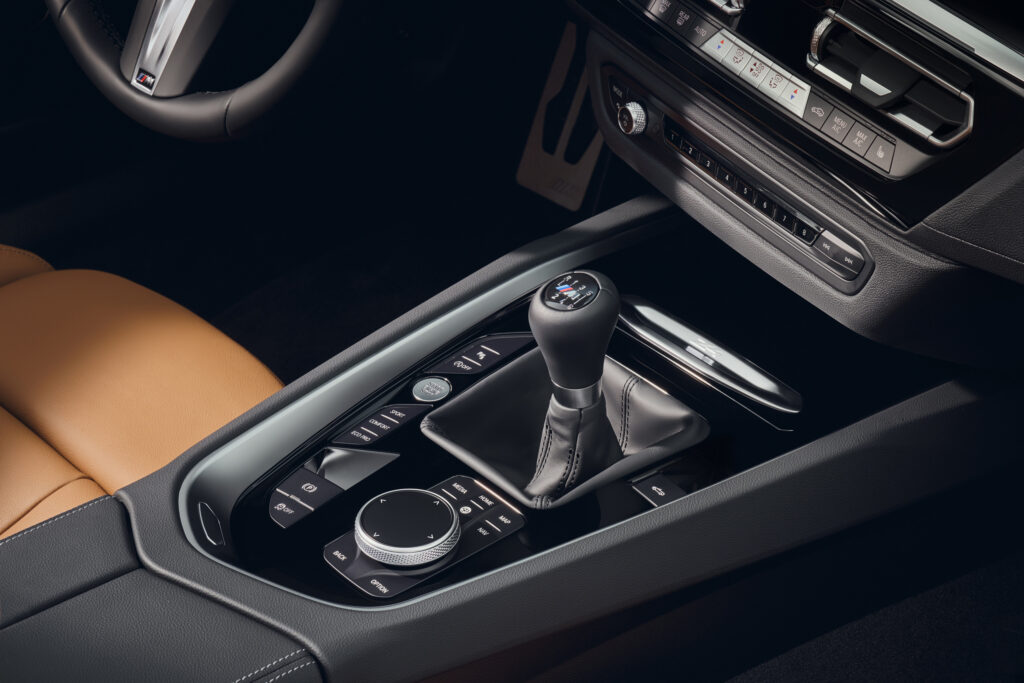
In a country aging as quickly as Japan, asking the brain to juggle those inputs every day functions as a kind of low-grade workout it would otherwise skip. Stimulating neural pathways helps preserve cognitive function in a way that riding passively in an automatic or semi-autonomous vehicle simply cannot match.
A Dying Breed
Despite the benefits, cars with a traditional stick shift are far less popular than automatics in Japan. Best Car reports that manuals make up just 1 to 2 percent of new vehicle sales across Japan, a sliver that puts the automatic’s dominance beyond any argument.
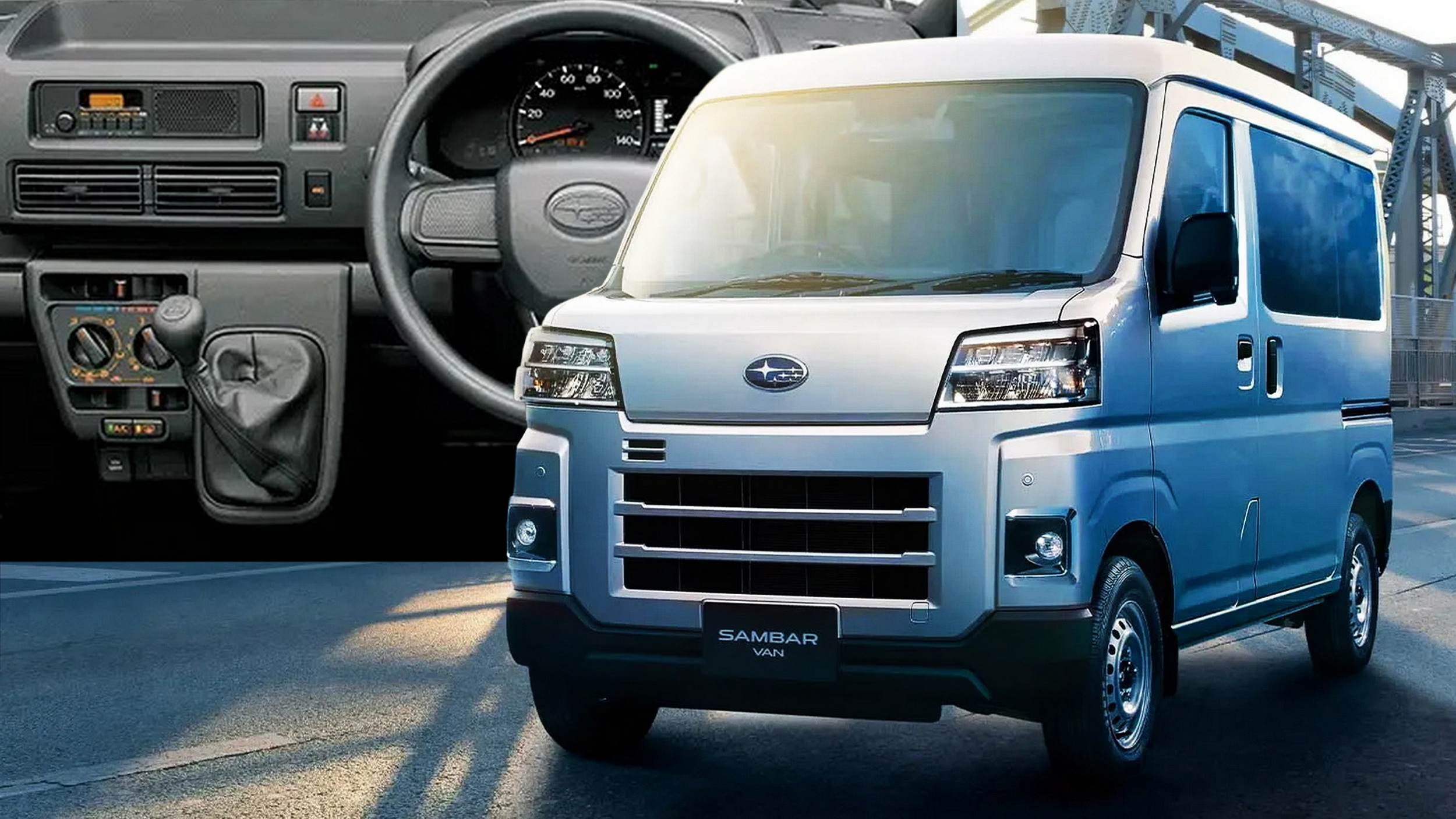
More: Subaru’s Cheapest New Car Is A $7,200 Kei Van With Three Pedals
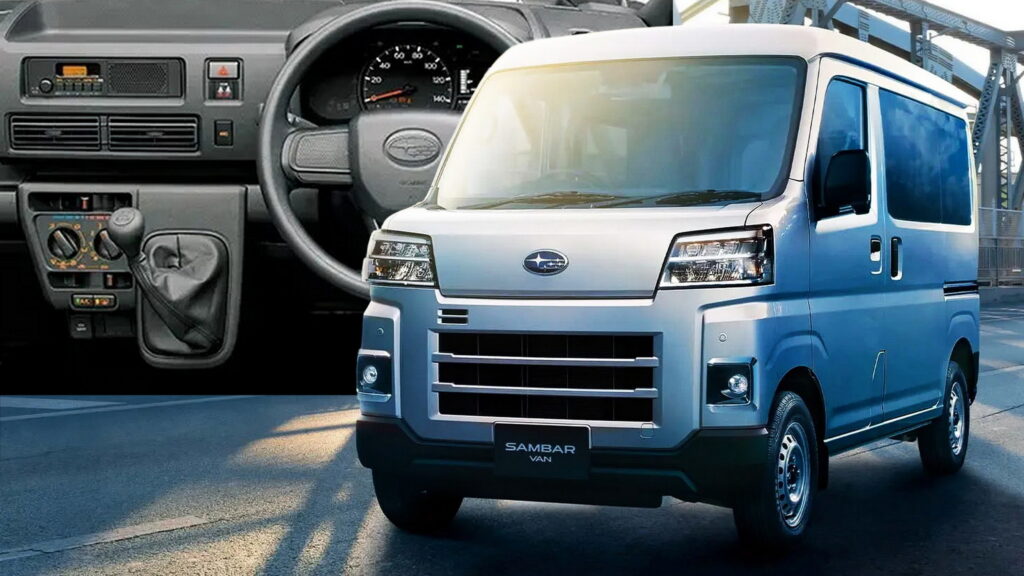
The holdouts live at the bottom of the price sheet. Entry-level kei vans and trucks like the Honda N-Van, the Daihatsu Hijet, and the Suzuki Carry and Every, along with their rebadged siblings, still pair a naturally aspirated 660cc three-cylinder with a manual gearbox and a stripped-down spec written to hit a low number on the window sticker.
More: Mazda’s Cheapest New Car Has RWD And A Manual For $8,500
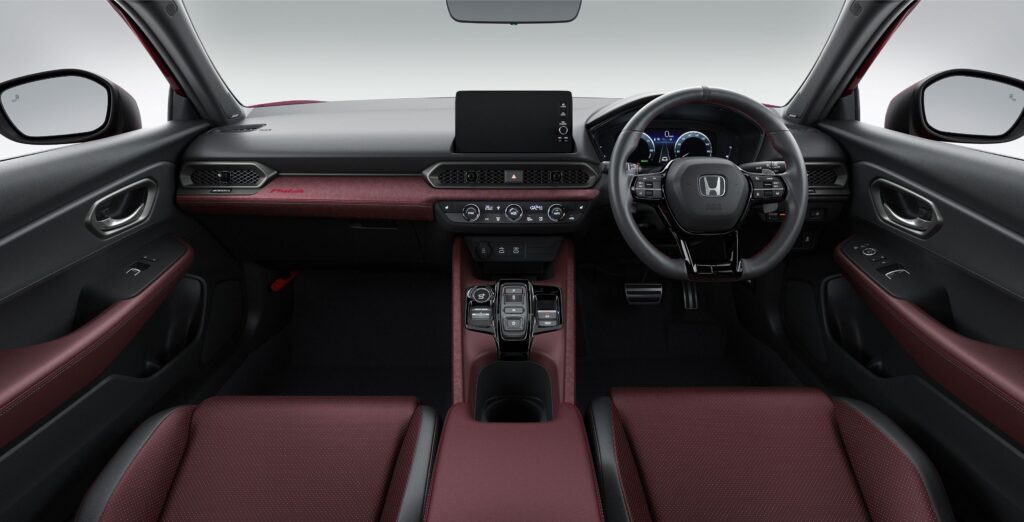
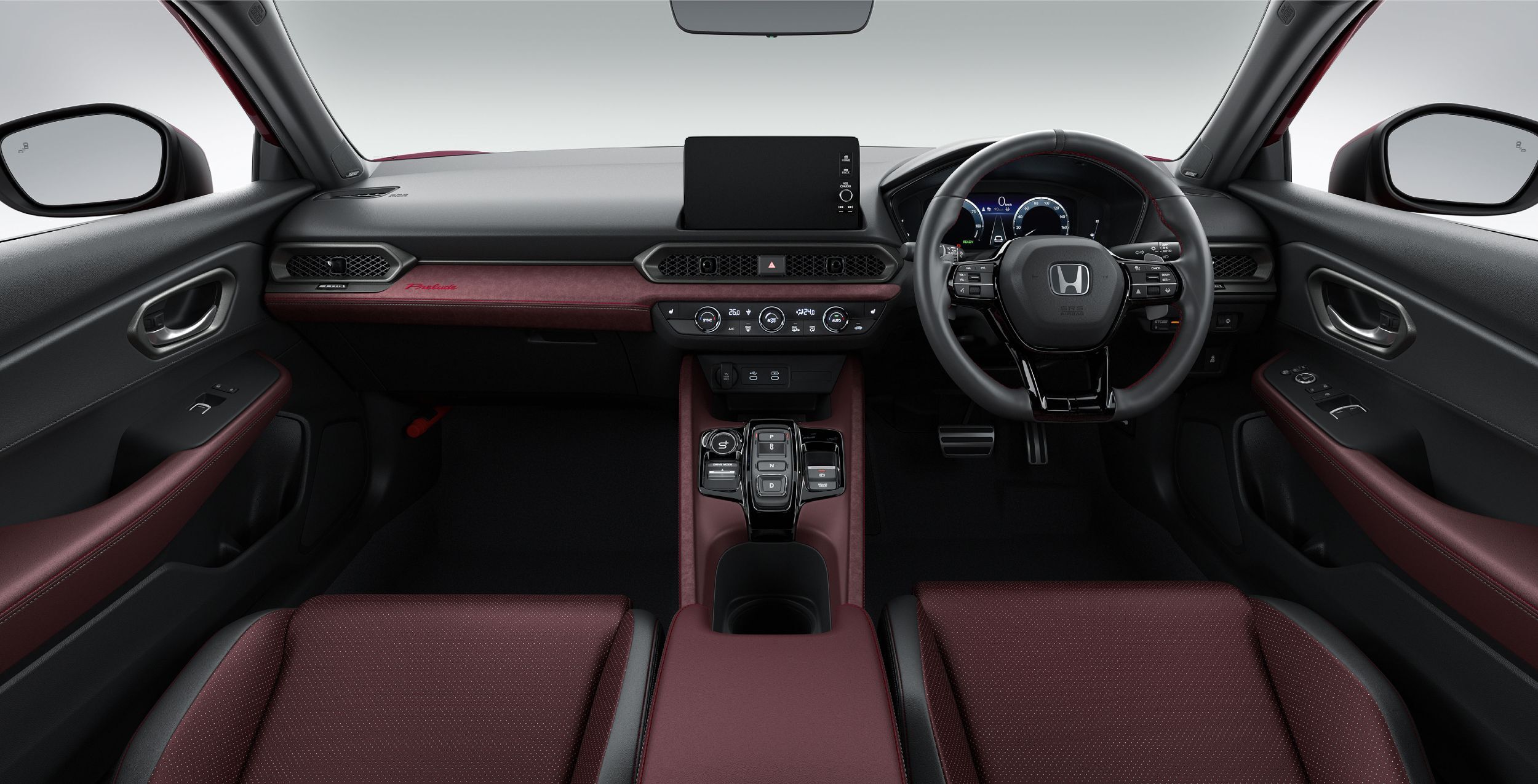
Unfortunately, the mainstream has already moved on. The Toyota Corolla and Honda Civic come only with a CVT because of their hybrid powertrains, leaving the hot-hatch versions as the lone exceptions. Even the new Honda Prelude, a coupe with a sporting name to protect, arrives automatic-only and tries to paper over the loss with fake gear changes piped in to keep the driver feeling involved.
The kei cars are the last line. If the automakers keep building them with three pedals, Japan will hold onto something the rest of the industry has spent years engineering away.