Record Prices and Stretching Credit
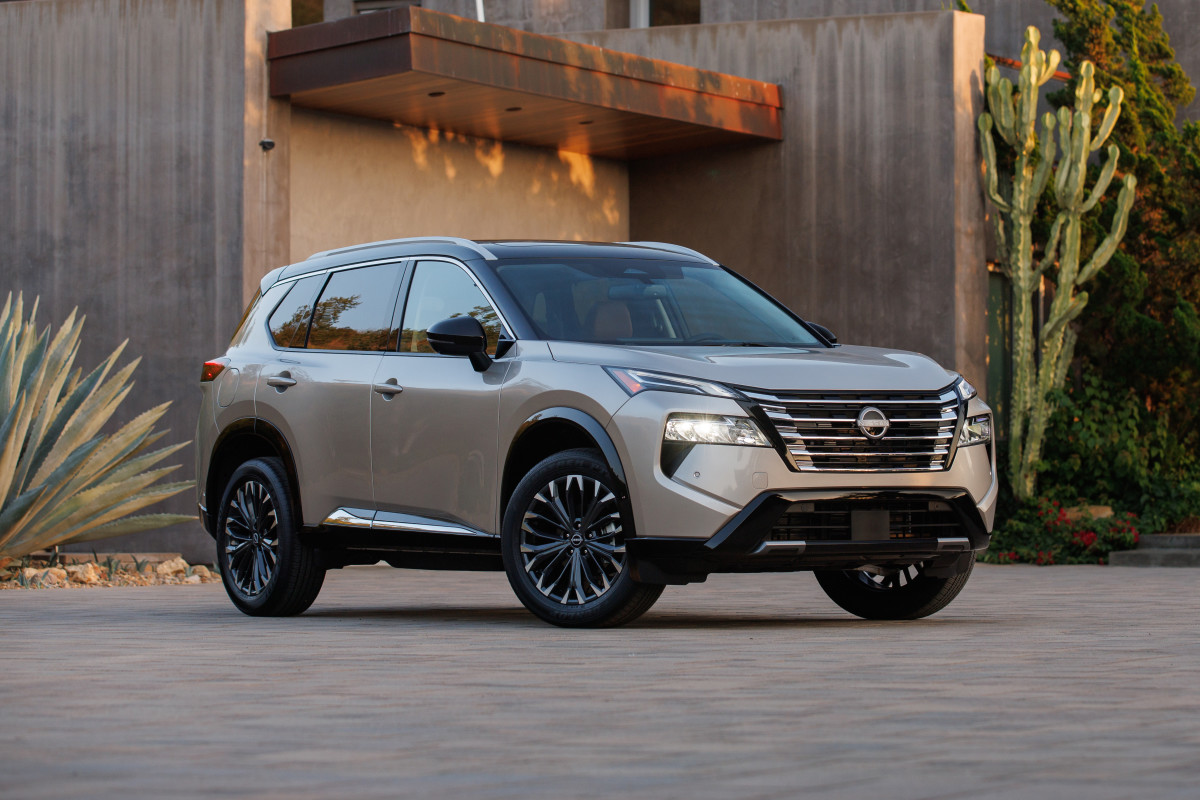
The average price Americans are paying for a new car has climbed to unprecedented levels. According to a Kelley Blue Book (KBB) report, the average transaction price for a new vehicle topped $50,000 for the first time ever, driven by a mix of high-end trucks, luxury vehicles, and electric models, with more than 60 models selling above $75,000 and EVs averaging over $58,000. This record price point isn’t just a luxury-segment story: even mainstream models are being pulled upward by broad pricing shifts in the industry.
To cope with these rising prices, buyers are increasingly turning to longer, riskier auto loans. Industry data shows a growing share of new-car buyers signing contracts with terms of 72 to 84 months or more and monthly payments exceeding $1,000, a historic high that reflects stretched affordability. While wealthier purchasers are plentiful, many middle-income households are only able to access new cars through extended financing, effectively propping up prices that would otherwise be out of reach.
Luxury Demand Masks a Broader Squeeze
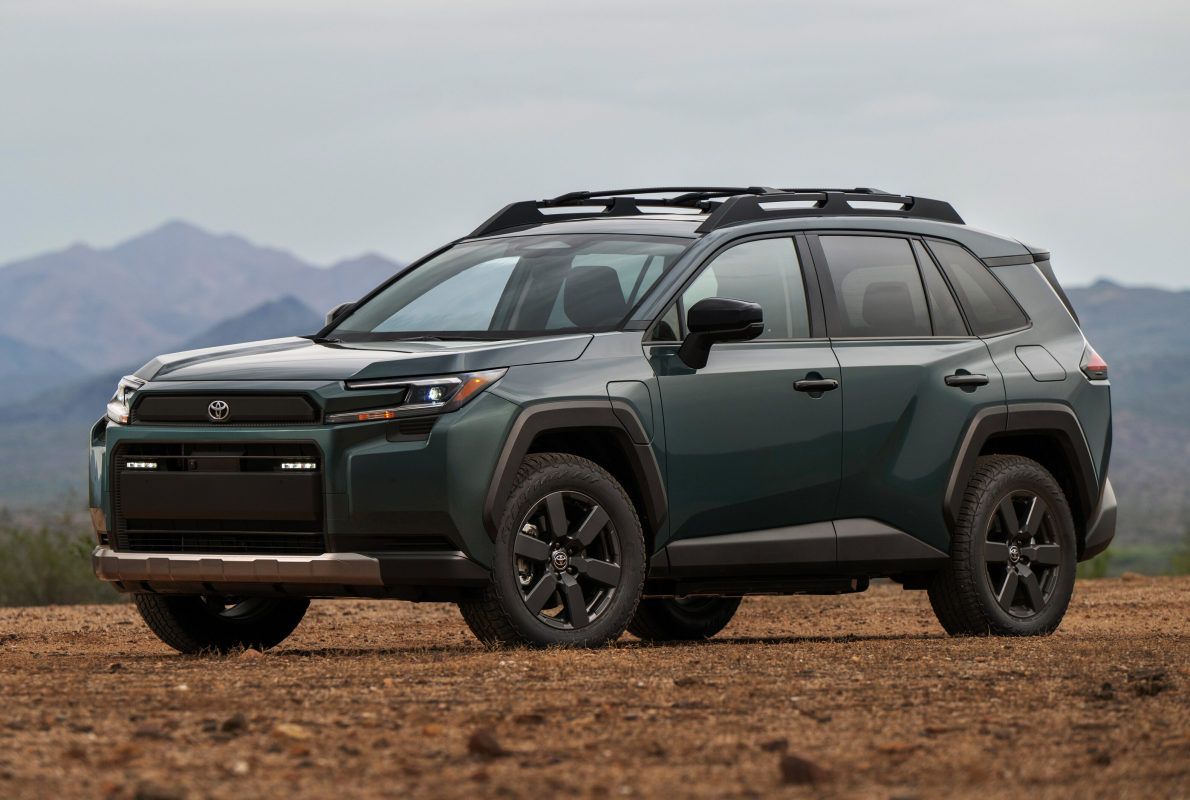
The new-car market’s headline strength has been the sustained demand at the top end of the price spectrum. Reports tracking broader industry trends show that luxury car sales are surging even as middle-class buyers fall back to more entry-level variants of already expensive models. This bifurcation suggests that a growing portion of new vehicles sold are going to higher-income households, while value-oriented purchases stagnate.
Even with tariffs, interest cost headwinds, and other market pressures, luxury segments, including well-appointed SUVs and electrified premium models, remain resilient and often command discipline in dealer inventories.
For new-car sellers, these affluent buyers help keep average transaction prices elevated. In an interview with USA Today, Luxury dealer Nelson Andrews says high-end buyers are still spending, underscoring the widening gap over who can afford record vehicle prices. “We’re going to have our best year ever this year,” said Andrews, whose Middle Tennessee dealerships are on track for a milestone year.
Kristen Brown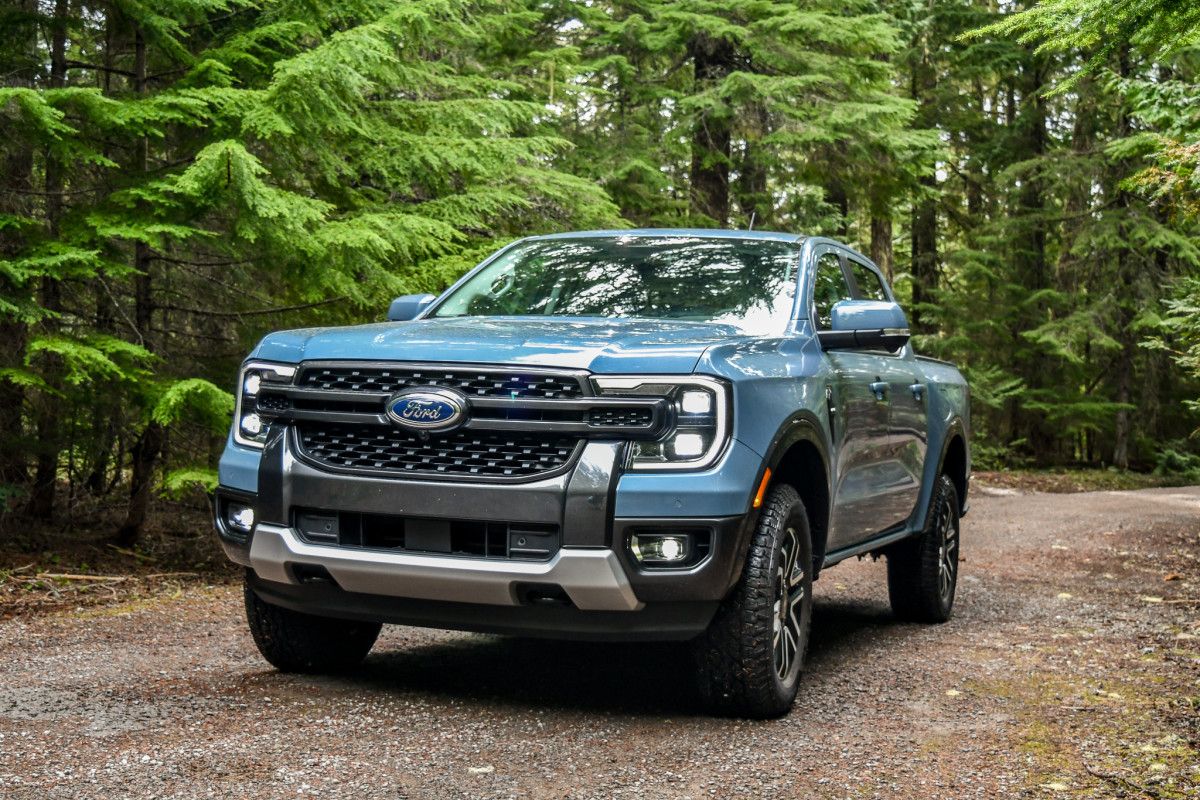
The Real Cost of Affordability
For the middle class, the intersection of high prices and stretched loans is a potent affordability challenge. Rather than declining, auto debt burdens are rising: recent analyses show significant increases in loan terms and the share of buyers committing to four-figure monthly payments.
These conditions risk making new vehicles a luxury good for many households rather than a practical necessity. Without a meaningful supply of lower-priced models and with financing tilted toward longer terms, middle-income buyers are increasingly squeezed out, forced to choose used cars, delay purchases, or remain in older vehicles longer. In effect, what appears on the surface to be a healthy auto market may be sustained not by broad affordability but by credit-driven demand and segmented consumer spending patterns.
Nissan