More Space, More Power, More Efficient
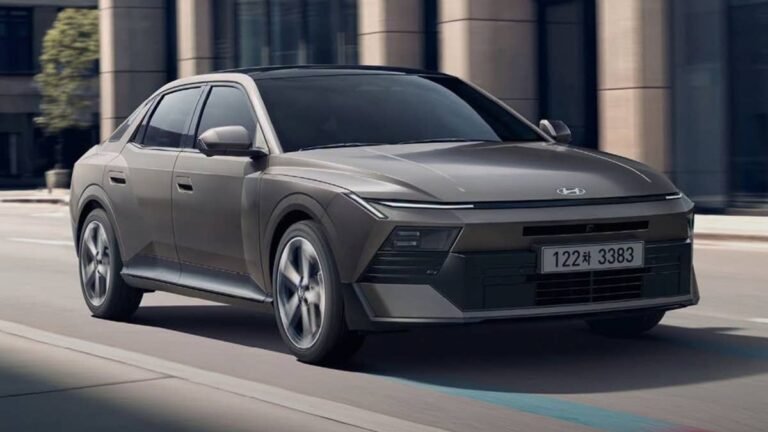
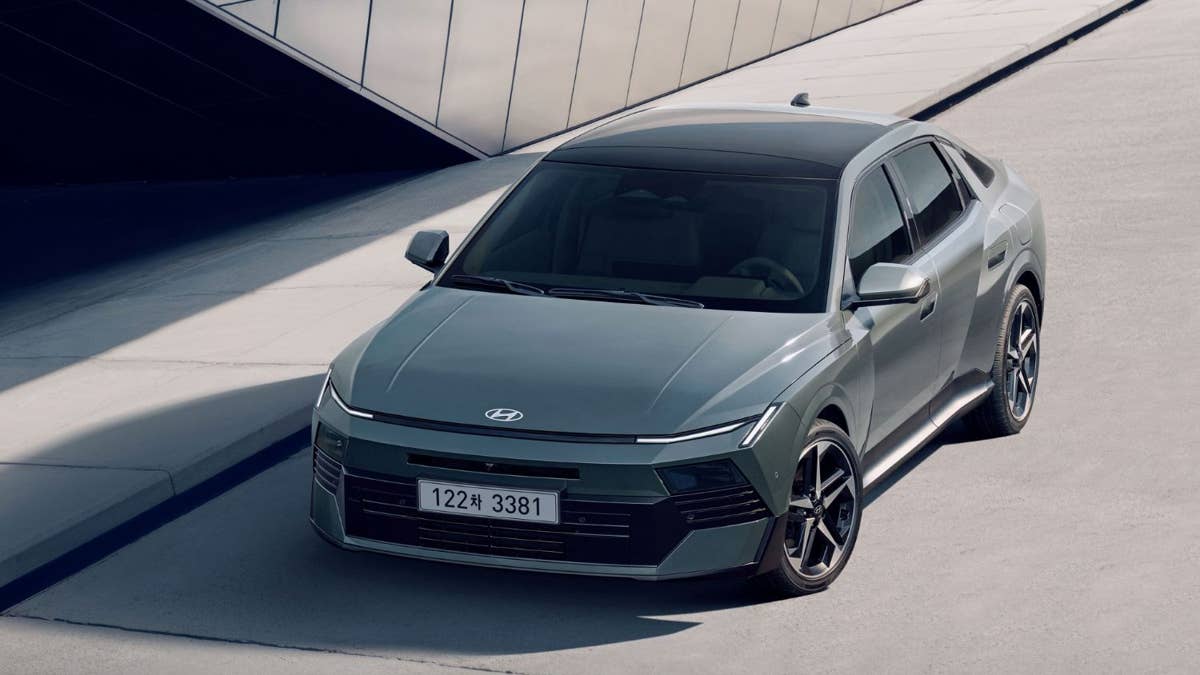
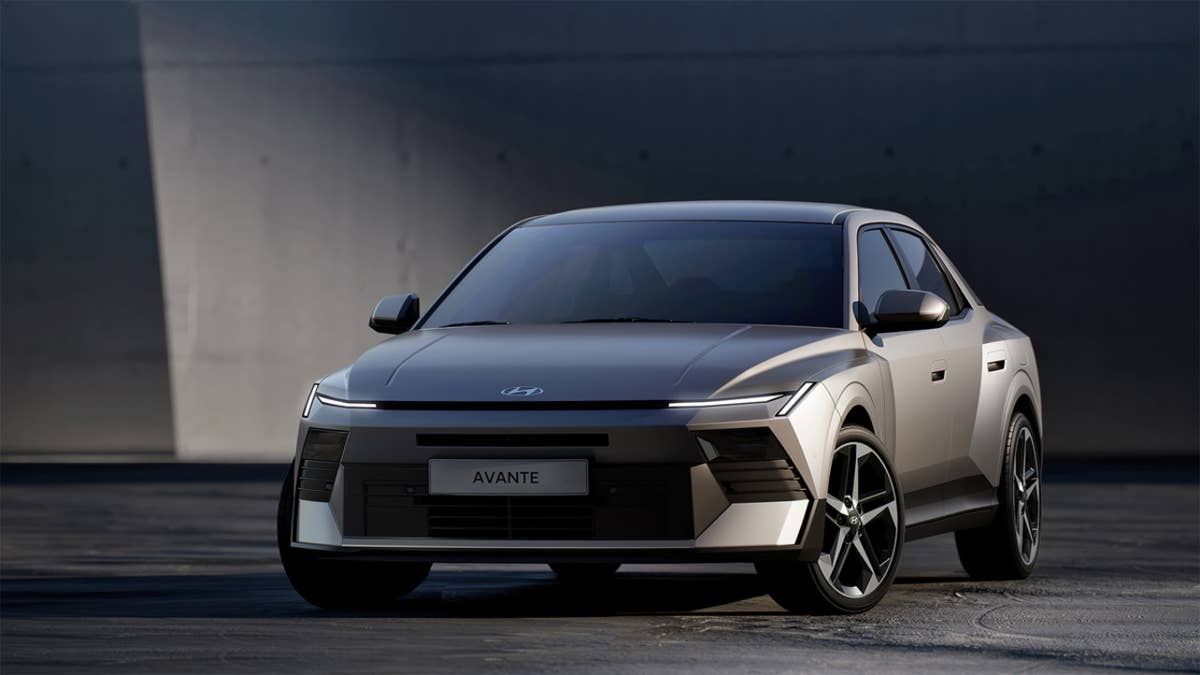
In June 2026, Hyundai unveiled the all-new eighth-generation Elantra, called Avante in South Korea. Notable changes include a stretched wheelbase longer than the Honda Civic’s and a more powerful hybrid powertrain.
These updates could have hurt fuel efficiency. However, a report from The Asia Business Daily says otherwise. The next-gen Elantra Hybrid reportedly improves its fuel economy by about 10.4% compared to the previous model when both are equipped with 17-inch wheels. That could help the nameplate attract more buyers who prioritize fuel efficiency, especially since its direct rivals, the Toyota Corolla and Honda Civic, also offer efficient hybrid powertrains.
Hyundai
The Numbers Tell the Story
The report stated that the new Hyundai Elantra Hybrid equipped with 17-inch wheels is rated at 21.2 km per liter, or about 49.9 mpg. In comparison, the outgoing model with the same wheel size achieved 19.2 km per liter, or 45.2 mpg. The compact sedan reportedly returns 19.9 km per liter, or 46.8 mpg, on 18-inch wheels, still beating the previous model with 17-inch wheels.
A direct comparison to EPA-rated numbers isn’t apples-to-apples given the different testing standards. But for reference, the MY2026 Elantra Hybrid Blue has an EPA-rated combined fuel economy of 54 mpg, beating the 50 mpg of the Toyota Corolla Hybrid LE and Hybrid XLE and 49 mpg of the Honda Civic Sport Hybrid and Sport Touring Hybrid.
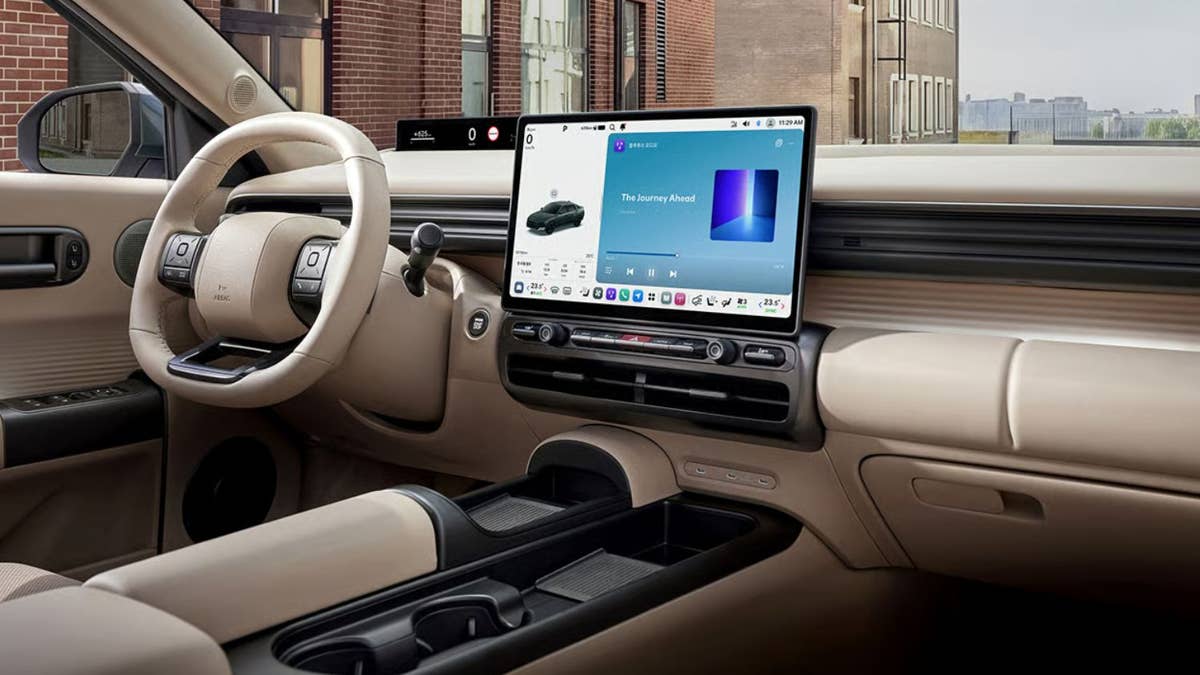
The report attributes the efficiency gain to upgrades including a cylinder head with an integrated exhaust manifold, a continuously variable oil pump, and a 350-bar high-pressure fuel injection system. In terms of performance, Hyundai specifies a combined output of 157 PS, or about 155 hp, for the 1.6-liter Smartstream hybrid powertrain – roughly 16 hp more than its predecessor.
Hyundai
A Preview, Not a Promise
These specifications apply to the Korean-market model, so U.S.-bound examples could still differ. Still, the changes indicate what prospective buyers could expect from the next-gen model.
A U.S. launch date remains unconfirmed. If the new model arrives, its improved hybrid efficiency could be well-timed for the U.S. market, where interest in hybrids has remained strong as buyers look for better fuel economy amid high fuel prices and recovering demand for EVs.
Hyundai