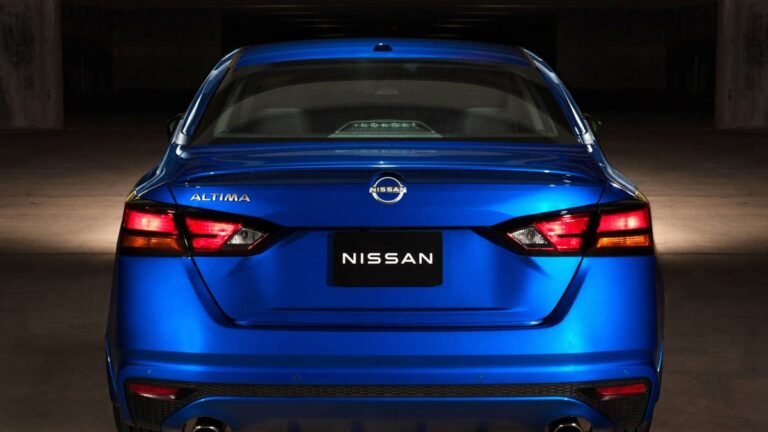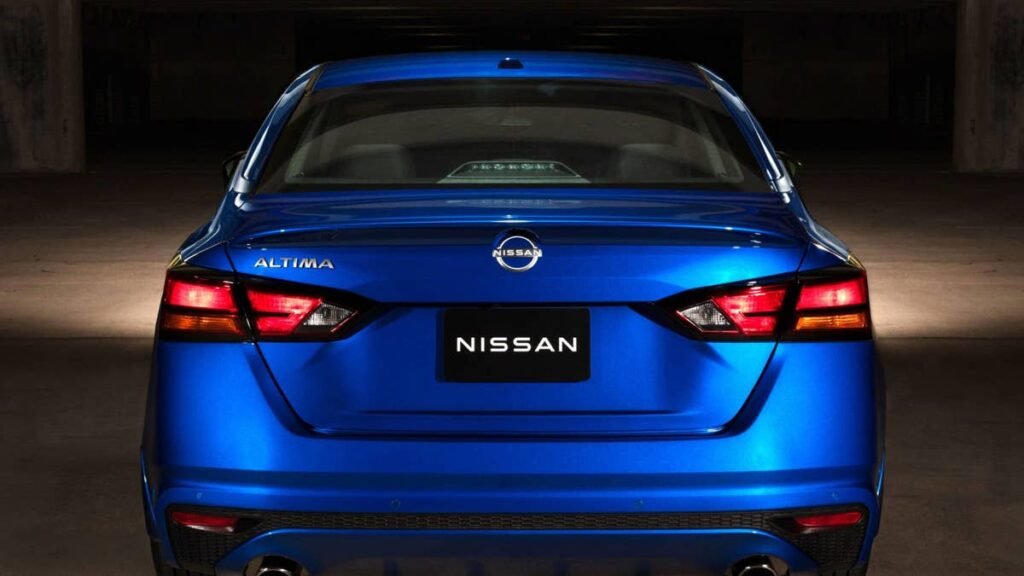
While Nissan may still claim that its Altima will be available into the 2027 model year, the news is unequivocal and clear: Nissan’s once ubiquitous Altima will finally be getting the axe. The real story behind the Altima’s demise isn’t simply a tired narrative about consumers flocking to SUVs. It is a textbook case of corporate miscalculation, shifting electric vehicle timelines, and chronic product stagnation.
What We Know From Nissan
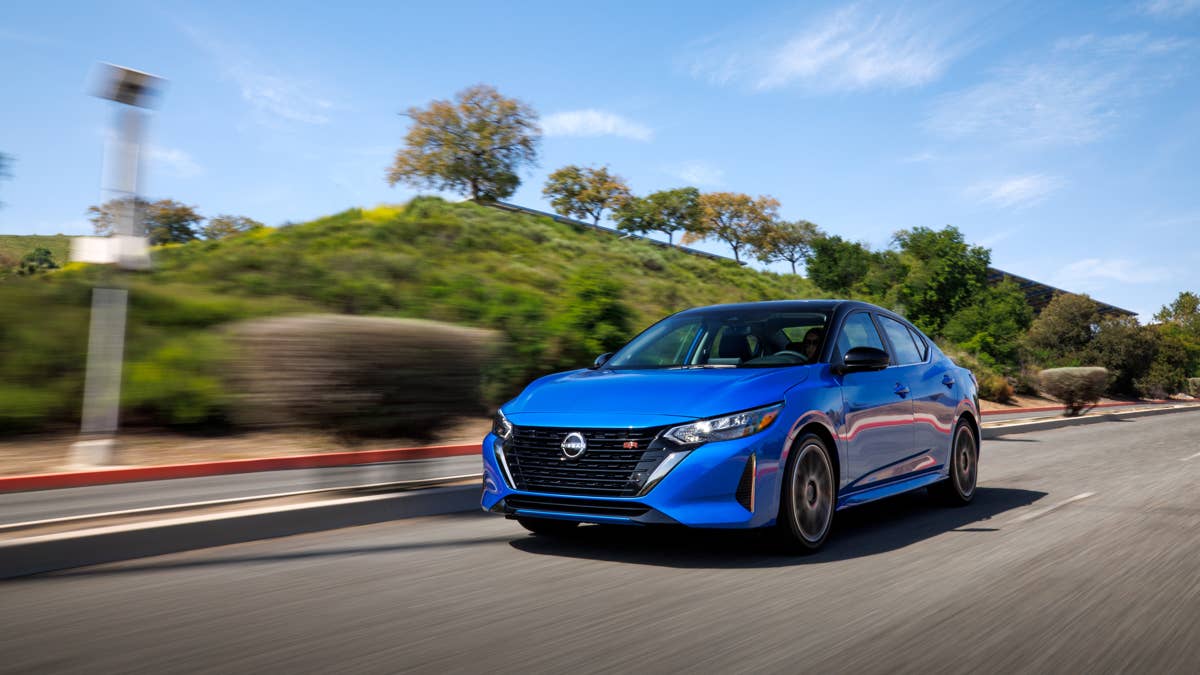
Ponz Pandikuthira, Nissan Americas’ Chief Product Officer, recently tipped the automaker’s hand, revealing to Wards Auto that the Altima and the already-departed Maxima were slated to be replaced by a pair of advanced electric sedans. There was just one problem: the EV market failed to meet the industry’s aggressive volume forecasts. Faced with stagnant EV adoption, Nissan was forced to scrap those immediate launch plans, pushing any electric sedan resurgence out to 2029 or 2030.
That miscalculation leaves a massive, unprofitable gap in Nissan’s lineup. Rather than inject capital into a new internal combustion platform for a car that hasn’t seen a comprehensive redesign in eight agonizing years, Nissan is simply letting the Altima run its course while also investing in more promising models. As a side note, in spite of it being almost a decade old, it is a very good-looking sedan.
2026 Nissan Sentra Nissan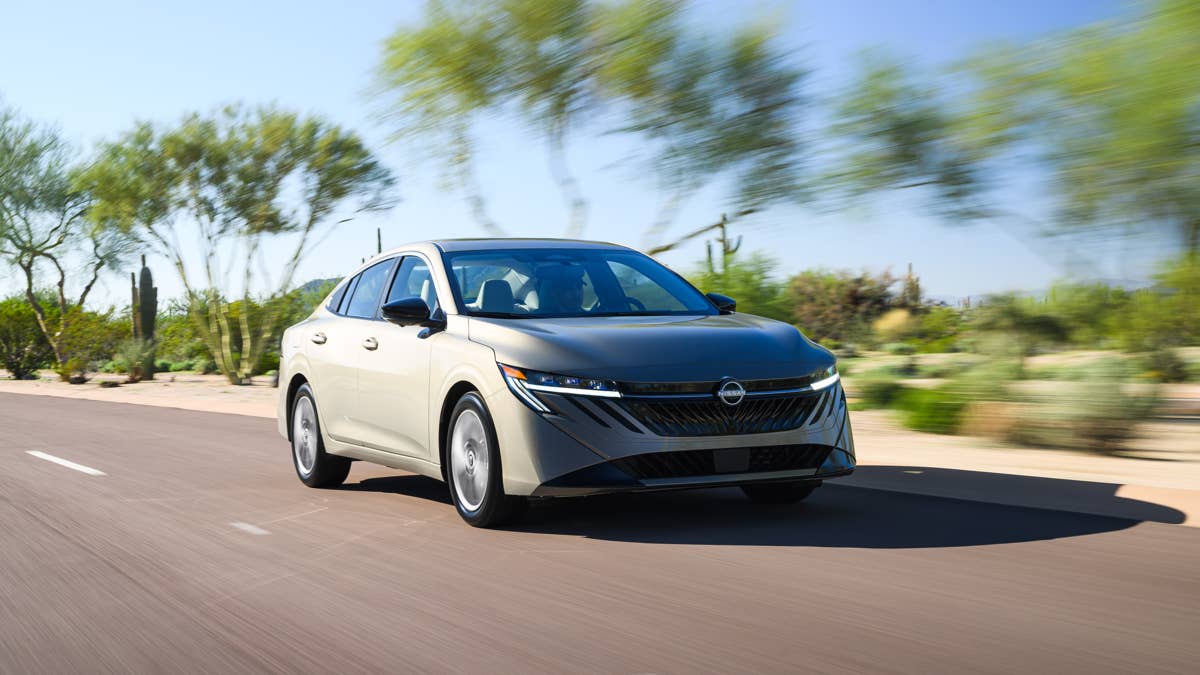
The sales metrics expose the brutal reality of this corporate neglect. Through the first half of 2026, Altima deliveries plunged a devastating 32 percent, down to just 42,288 units. Meanwhile, the smaller Sentra, now actively positioned by executives as a “more grown-up” alternative for remaining sedan loyalists, experienced a far softer 12 percent dip. The Altima isn’t the only casualty of this messy transition. Nissan is simultaneously axing the Rogue Plug-In Hybrid after a single, baffling model year. Rushed to market as a stopgap measure, this badge-engineered Mitsubishi Outlander existed solely to plug a hole in dealer showrooms while Nissan desperately finalized its proprietary Rogue E-Power system.
What This Means For Nissan
Nissan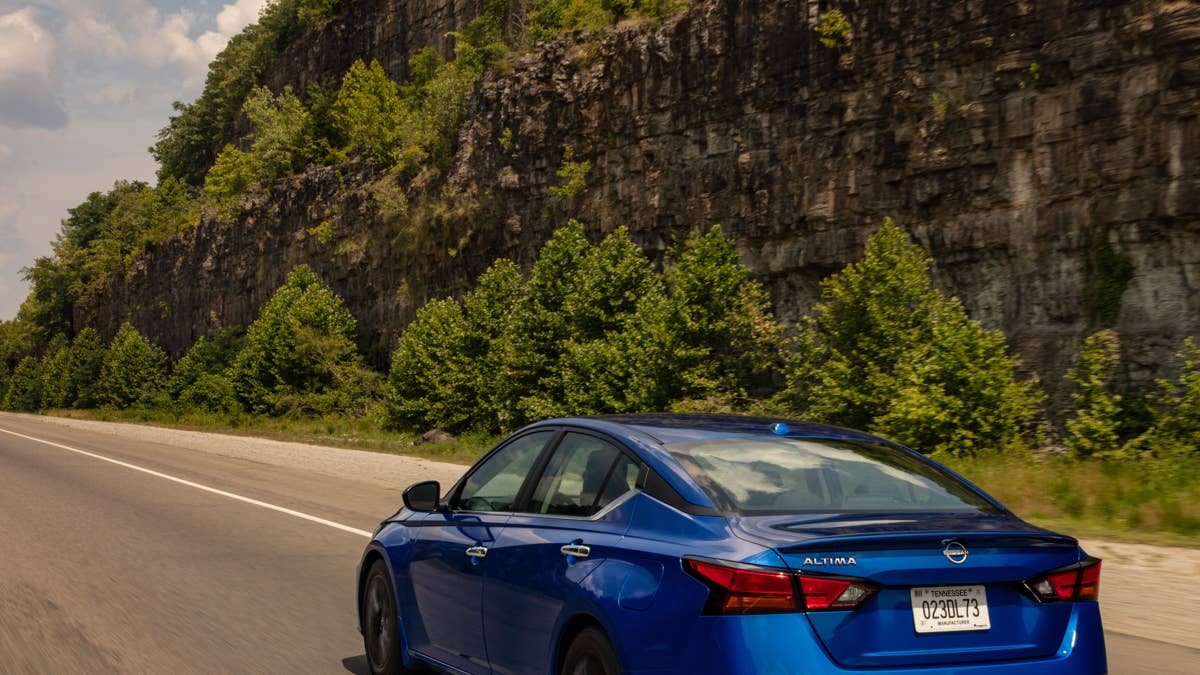
Nissan may ultimately drag the Altima’s aging chassis across the finish line for one final fleet-focused 2027 model year, but the overarching strategy is painfully clear. The Altima isn’t dying because Americans suddenly stopped buying sedans. It is dying because Nissan’s electric gamble missed the timing window, leaving them with no strategic reason to keep producing and selling an aged gas-burner whose sales are flatlining. Nissan is aggressively correcting course and realigning.