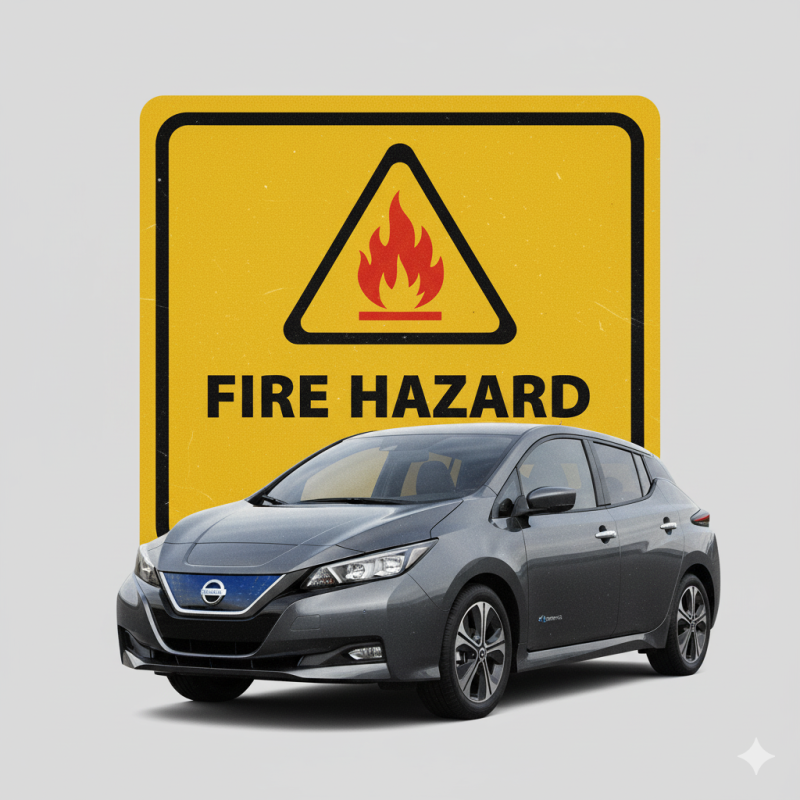
Nissan has just expanded its Leaf recall to include an additional 19,077 vehicles from the 2021 and 2022 model years, bringing the total number of affected electric vehicles to nearly 45,000. The recall covers both 40 kilowatt hour and 62 kilowatt hour battery versions built at Nissan’s Smyrna plant, and the problem is serious enough that Nissan is telling owners to completely avoid DC fast charging until a fix is ready.
The recall has been ongoing for more than a year, and Nissan has already postponed the final repair schedule multiple times. That has to be frustrating for owners, who paid for an electric vehicle partly because of fast charging convenience. The Leaf was never a champion when it came to fast charging to begin with, achieving only about 50 kilowatts thanks to its simple battery architecture with no liquid cooling. Now those same owners can’t use DC fast charging at all without risking a vehicle fire.
Nissan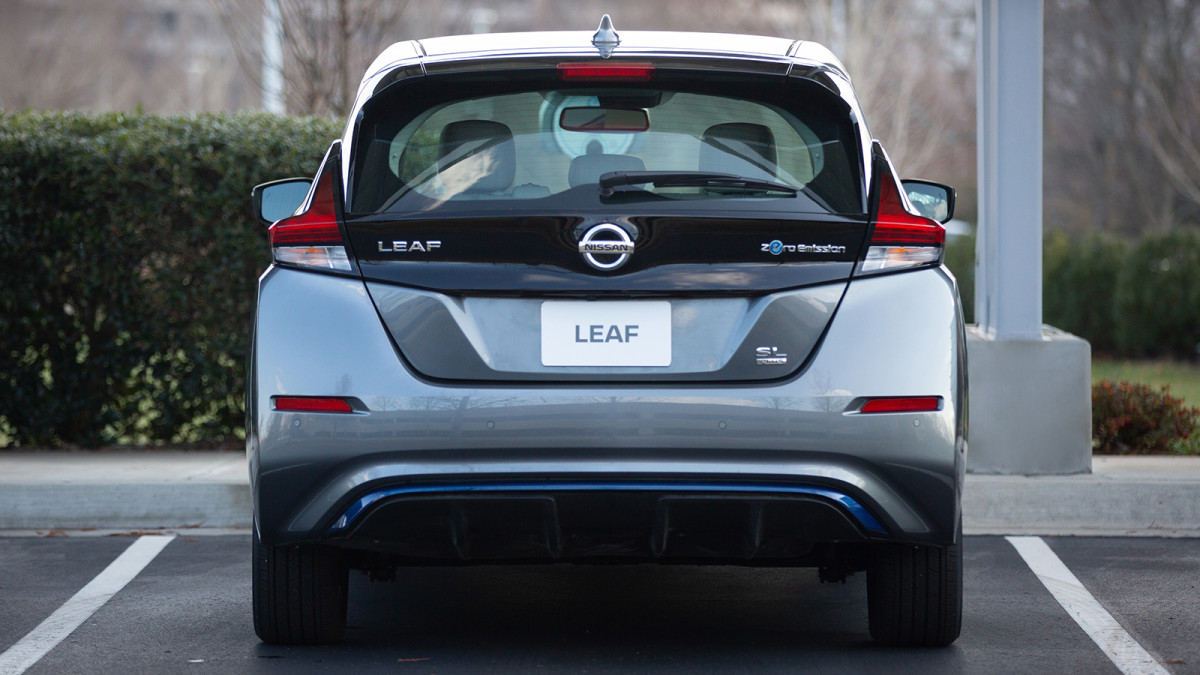
What’s Causing the Nissan Leaf Battery Fire During Fast Charging
The Leaf fire risk issue involves lithium-ion batteries supplied by Automotive Energy Supply Corporation that may experience excessive lithium deposits within battery cells. Those deposits increase electrical resistance inside the cells, which causes them to heat up rapidly during DC fast charging sessions. If quick charging continues with these defective cells, a battery fire may occur.
The original recall began in late 2024, covering 25,704 Leafs from 2019 and 2020 model years. Now the same defect has appeared in newer vehicles, suggesting the battery supplier’s manufacturing issues persisted longer than Nissan initially thought. While Nissan estimates only 1 percent of recalled vehicles actually have the defect, that still means roughly 450 cars contain batteries that could catch fire during what should be a routine charging stop.
Nissan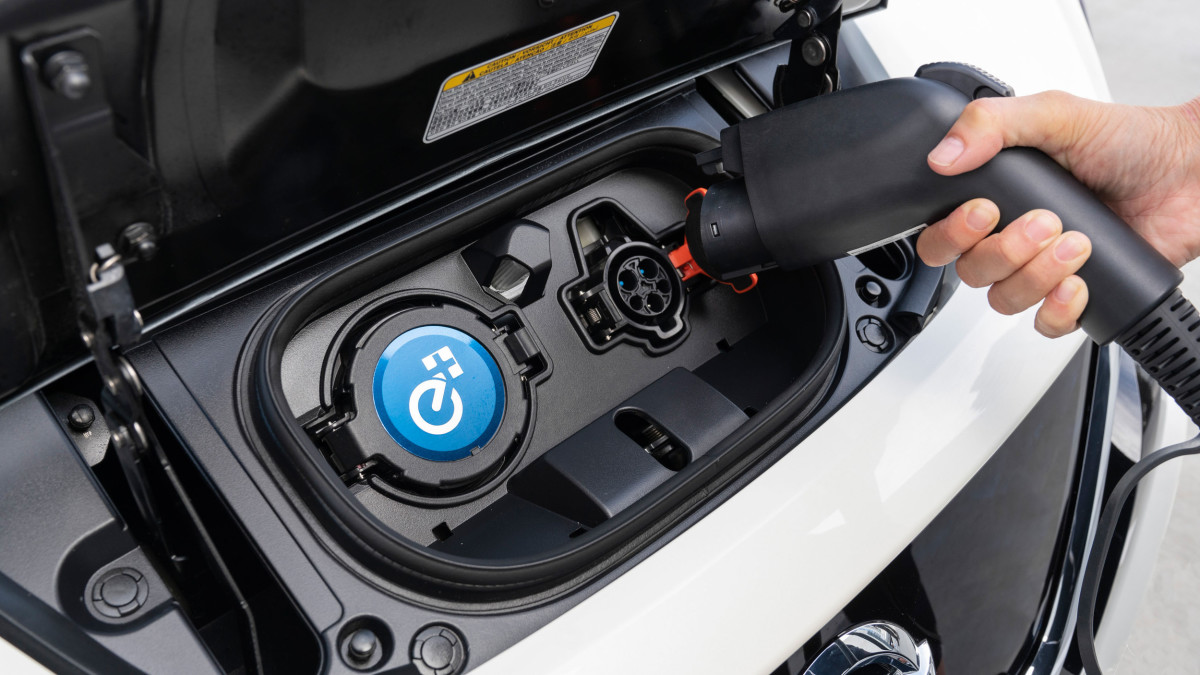
Nissan Leaf Recall Software Fix and Timeline Still Uncertain
Nissan says it’s preparing remedy software that will prevent progression to thermal incidents, though specifics remain vague. The software will likely detect excessive temperature increases and slow or stop charging sessions automatically. If that happens, owners would know their specific vehicle has defective battery cells requiring physical replacement.
Nissan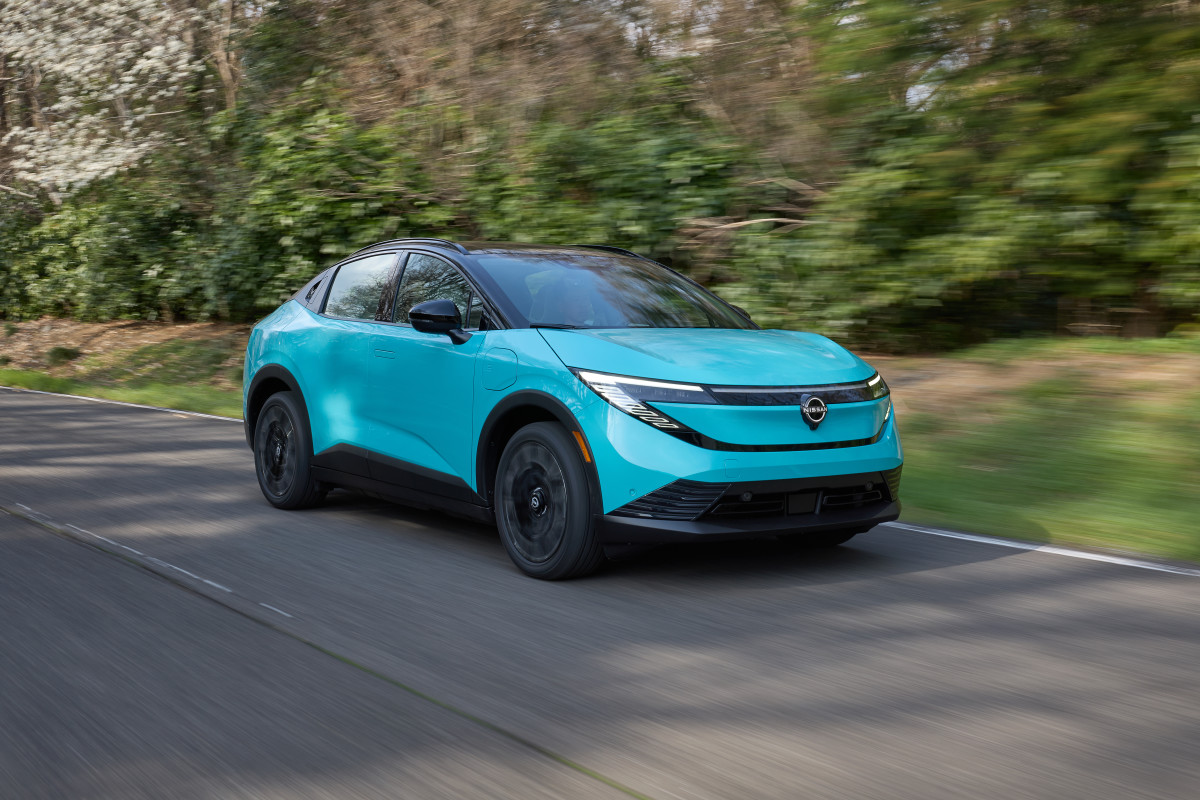
The timing is particularly awkward since the third-generation Nissan Leaf, featuring a NACS charging port and significantly improved DC fast charging performance, is just around the corner, with the 75-kilowatt-hour battery version starting at $29,990. For current Leaf owners stuck waiting for a recall fix that keeps getting delayed, that new model probably looks pretty appealing right now.