Finding a Little Breathing Room
Following Nissan’s financial struggles in recent years, the Japanese marque has faced several challenges this year, including growing competition from Chinese automakers, especially in China, the Iran conflict, and tariffs on U.S.-bound imports. As such, Nissan posted declines in global production and sales, though the same couldn’t be said in the U.S.
In the first half of this year, Nissan produced 303,677 vehicles in the U.S., a 24.2% increase compared with the same period in 2025. Global production, meanwhile, dropped 6.8% year over year. During the same period, the company registered a 0.3% increase in U.S. sales, from 488,526 to 489,809 vehicles. That may not sound like much, but given that most markets experienced declines, including Canada (-13.9%) and Mexico (-0.8%), it should still be welcome news, especially as global sales fell 6.7%.
Nissan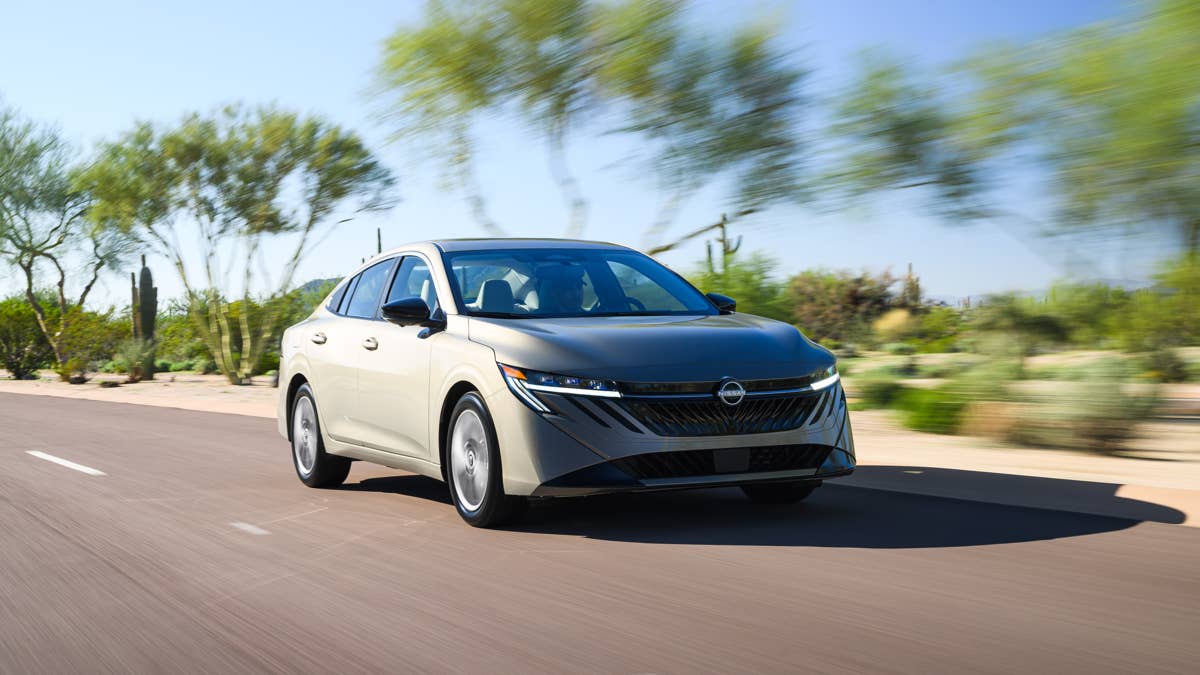
The American Bet Is Looking Better
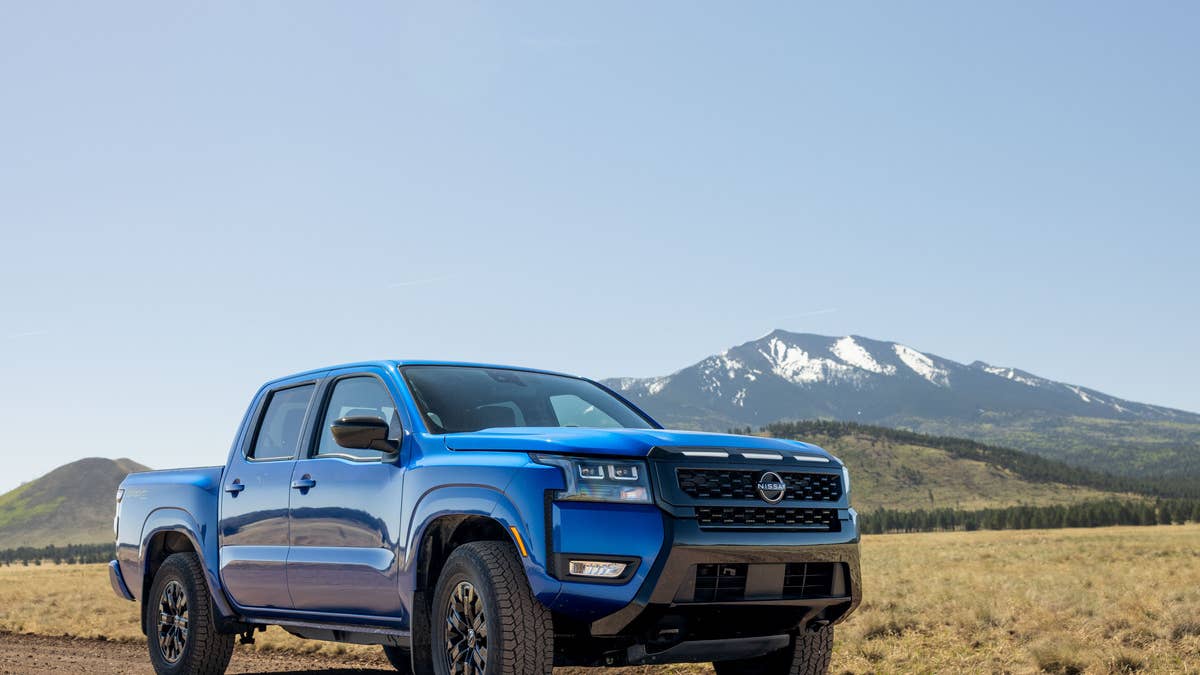
One likely reason for its relatively resilient U.S. results is its increased investment in local operations. After increasing domestic production of the Rogue, Pathfinder, and Frontier, Nissan reportedly reduced its tariff exposure by $2.3 billion. However, some models continue to be produced outside the U.S., particularly affordable ones such as the Sentra and Kicks, because the company determined that higher U.S. labor and operating costs would undermine their profitability.
Several product launches are also in the pipeline as part of Nissan’s turnaround, including the next-generation Rogue, which competes in the lucrative compact-crossover segment against the Toyota RAV4 and Honda CR-V. The Rogue Hybrid’s e-Power system is also U.S.-bound, allowing the automaker to address the country’s strong demand for hybrids.
Additionally, a new body-on-frame platform will underpin the returning Xterra SUV.
A More Focused Product Strategy
Nissan’s strategic moves in the U.S. helped it finish fiscal 2025 as the country’s fastest-growing mainstream automotive brand in retail sales, and this latest production and sales report supports that momentum.
However, Nissan is also targeting improvements in global markets under the Re:Nissan turnaround strategy. The plan includes significant cost reductions, including workforce cuts and plant closures, as the company refocuses its resources and adapts to changing market trends. It is a drastic approach intended to achieve total cost savings of 500 billion yen, or about $3.1 billion at current exchange rates, by fiscal 2026.
Nissan